Lidar tells distance, radar tells velocity, this new sensor aims to do both
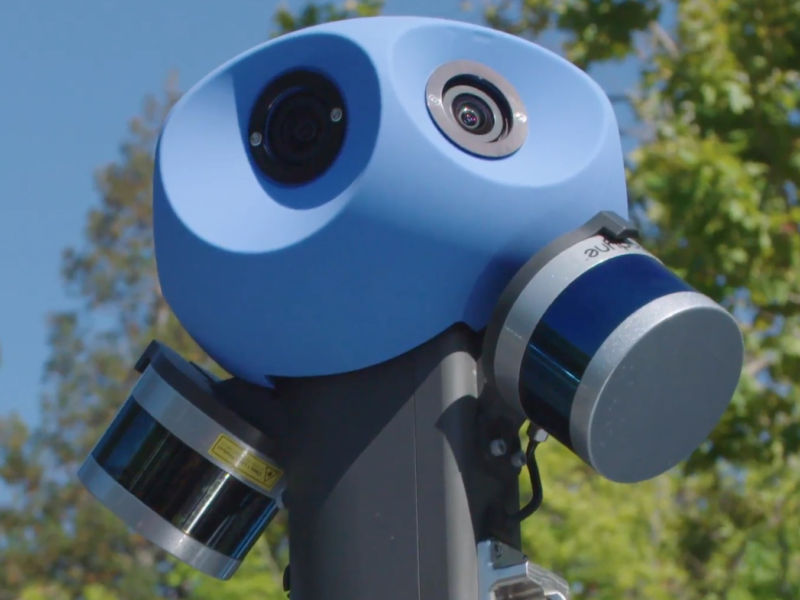
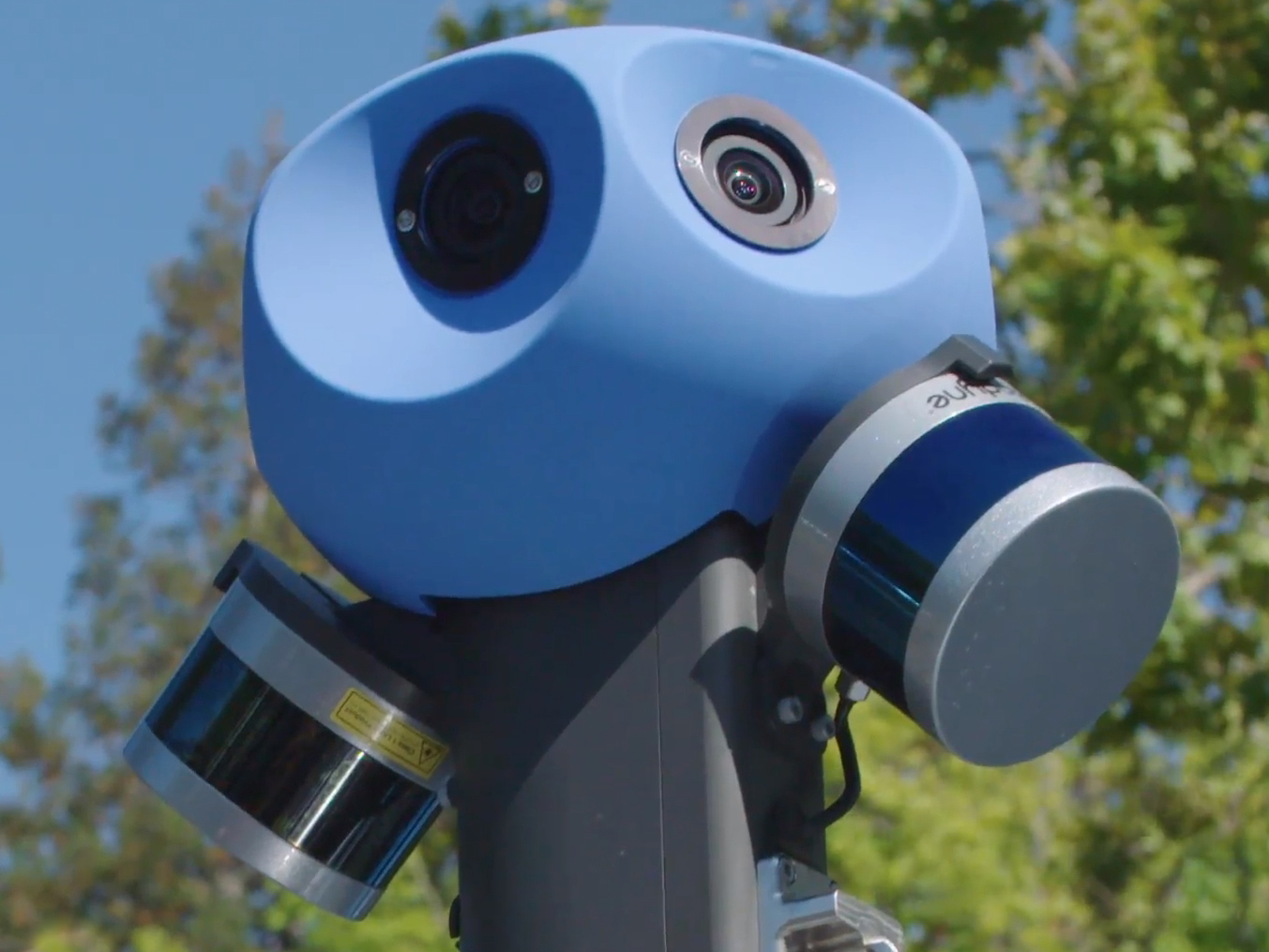
Enlarge / A new startup aims to make conventional lidars, like the two shown here, obsolete. (credit: Wired)
Silicon Valley is crawling with startups looking for a piece of the emerging self-driving car business. One of those startups, Aeva, just came out of stealth mode with a big write-up in The New York Times. Its breakthrough: building a single sensor that can determine both the position and velocity of surrounding objects.
Most experts say that the best self-driving cars need a trifecta of sensors: cameras, lidar, and radar. They need all three sensor types because each performs a different function. Cameras can tell you what objects look like but not how far away they are or how fast they're moving. Lidar measures distance, while radar provides a precise estimate of velocity.
This is a bit of an oversimplification, of course. The physics of the situation makes it possible to measure either distance or velocity from either type of electromagnetic wave-there are lidar speed sensors and radar range finders. But in automotive applications, radars are mostly used for low-resolution measurement of vehicle speeds, while lidars are used to build a high-resolution three-dimensional map of the surrounding area.
Read 2 remaining paragraphs | Comments