“Injury to widespread brain networks” in victims of mystery attacks in Cuba
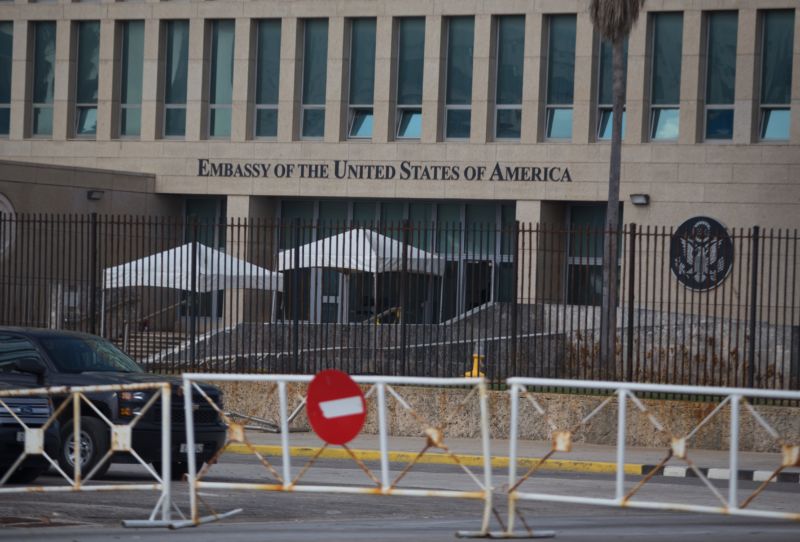
Enlarge / A general view of the Embassy of the United States of America in Cuba, Havana on September 18, 2017. (credit: Getty | Anadolu Agency)
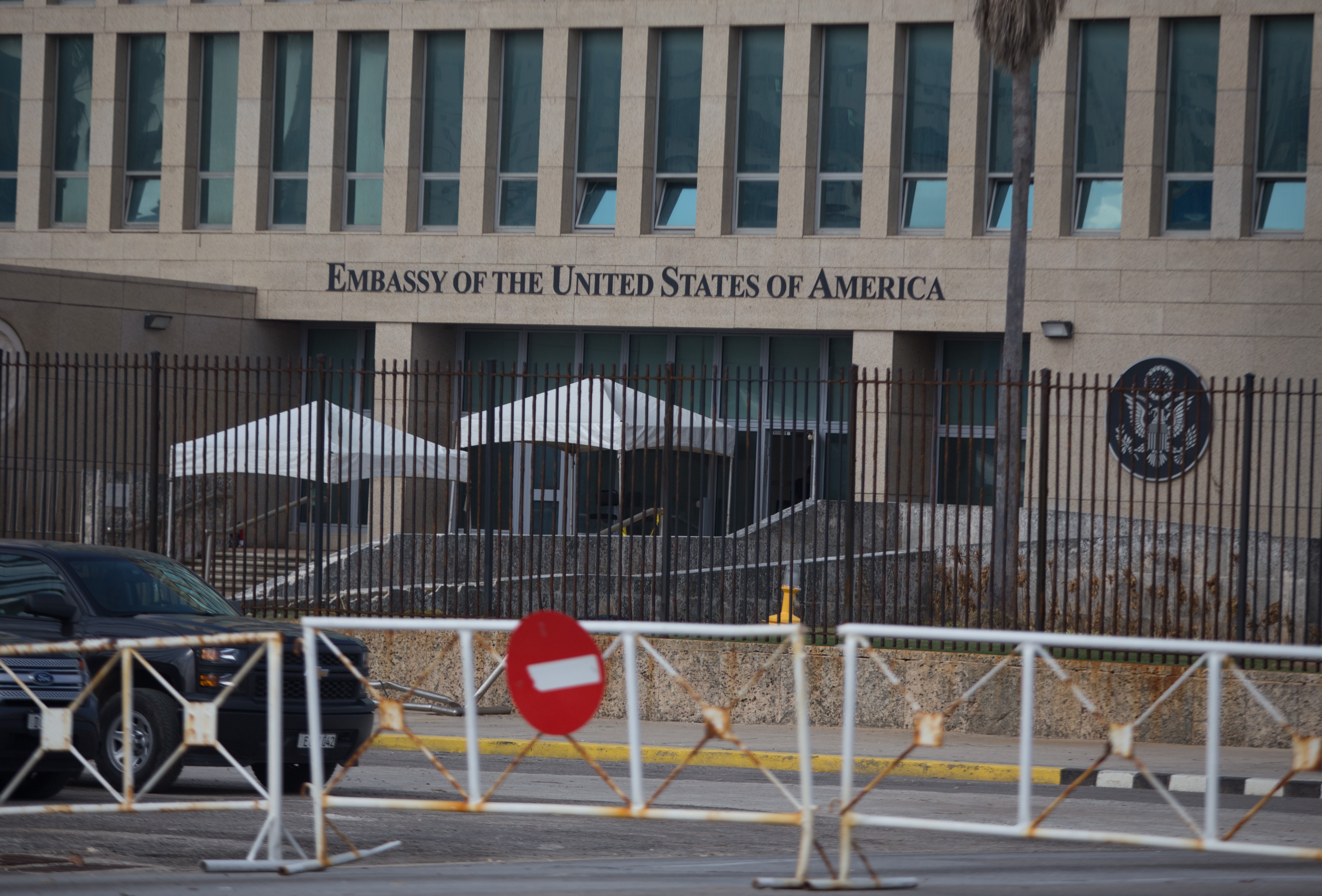
A preliminary case report on the victims of mysterious "health attacks" in Havana, Cuba details the results of extensive clinical evaluations, concluding that the individuals appear to have sustained "injury to widespread brain networks without an associated history of head trauma."
The report offers the first medical glimpse of the victims-US government personnel and their families who were serving on diplomatic assignment in Havana. From late 2016 to August 2017, they reported experiencing bizarre and inexplicable sonic and sensory episodes. The episodes tended to include directional, irritating sounds, such as buzzing and piercing squeals, as well as pressure and vibrations. Afterward, the victims developed a constellation of neurological symptoms.
In clinical evaluations of 21 of 24 individuals affected, an interdisciplinary team of doctors at University of Pennsylvania's Perelman School of Medicine retrospectively pieced together symptoms-an average of 203 days after individuals were exposed. They found that the most common issues persisting more than three months after exposure were cognitive impairment (17/21); balance issues (15/21); visual (18/21) and hearing (15/21) problems; sleep impairment (18/21); and headaches (16/21).
Read 19 remaining paragraphs | Comments