DNA from the poop of extinct four-meter-tall birds reveals lost ecosystem
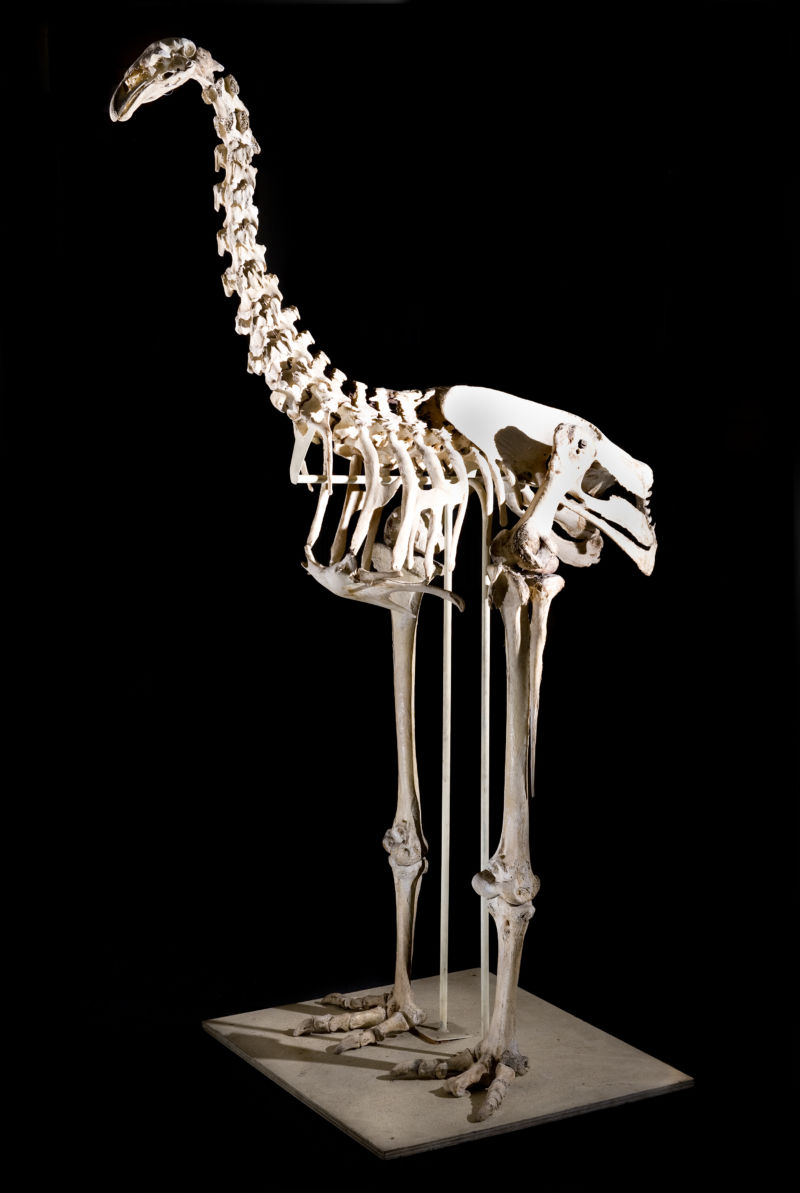
Enlarge (credit: York Museums Trust staff)
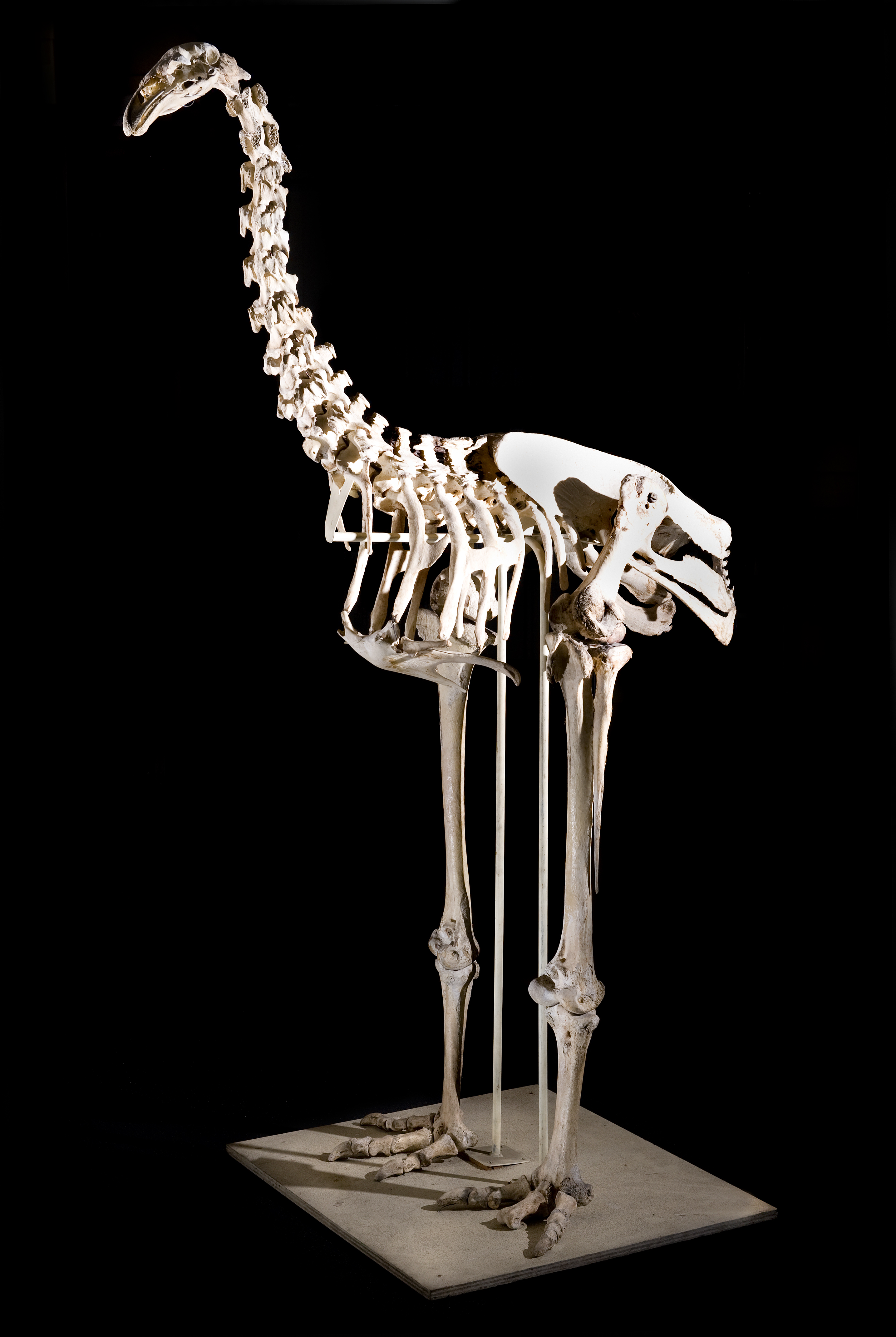
A thousand years ago, gigantic 12-foot-tall flightless birds roamed New Zealand, snacking peacefully on plants and fungi. Then humans came along. Within two hundred years, the giant moa-along with a host of their close cousins-were dead at our species' hands.
What did the world of the moa look like? Even though New Zealand has lots of well-preserved wilderness, studying that won't give us an answer. When a species disappears, it takes a chunk of its ecosystem with it, so understanding the ramifications of the moa extinction can help us better understand the environment that many surviving species-some of them critically endangered-evolved in.
Some important answers lie in something the moa left behind: ancient bird poop. It tells us that the moa were probably instrumental in spreading the fungi that play a critical role in New Zealand's forests.
Read 9 remaining paragraphs | Comments