Scientists try to study bacterial membranes, end up killing bacteria
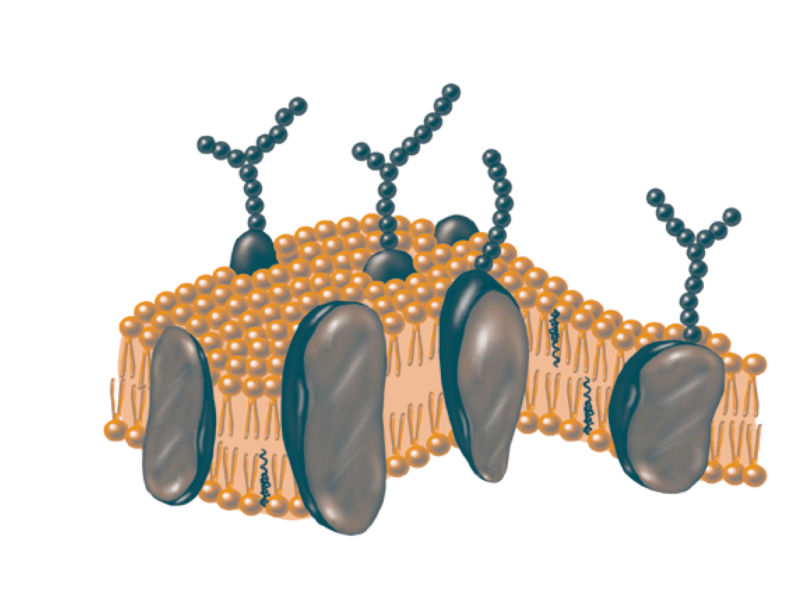
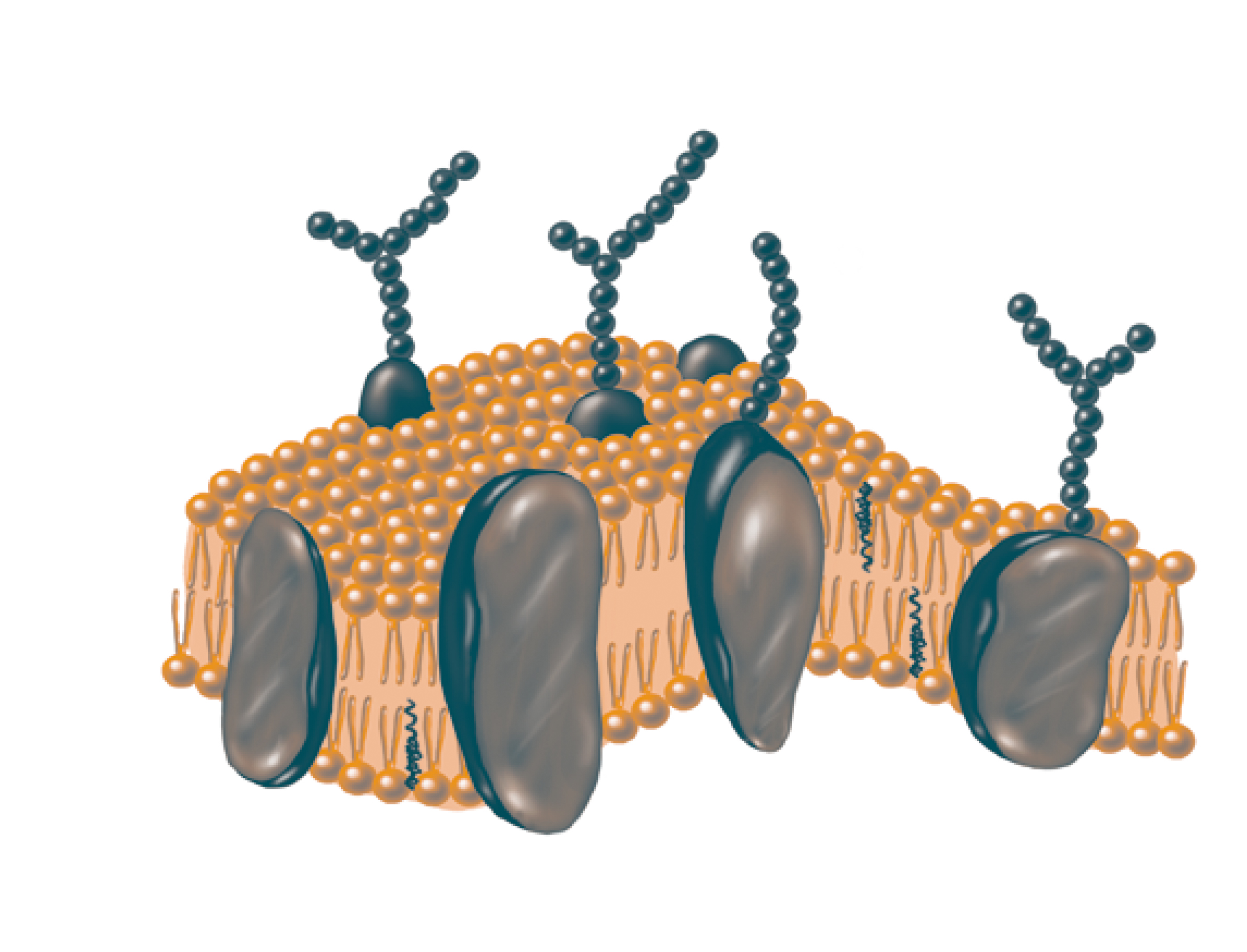
Enlarge / Lots of proteins sit in the membrane or extend completely across it. (credit: National Institute of General Medical Sciences)
A group of bacteria called "gram negative" have an outer membrane that is a pretty serious barrier to antibiotics. But the membrane is also a barrier to bacteria themselves, making it difficult for them to insert proteins into the membrane and interact with the outside world. Now, researchers that were attempting to study how proteins get inserted into this membrane have inadvertently created an antibody that kills the bacteria.
The antibody isn't therapeutic on its own since it only works in an experimental system. But it could help us design drugs that target the same things it does.
While membranes are made of fatty molecules, there are proteins strewn throughout the membrane that allow the passage of everything from water molecules to entire proteins. Many of these take on a barrel-like configuration, with the central area of the barrel allowing molecules to cross the membrane.
Read 8 remaining paragraphs | Comments