Supercomputers are driving a revolution in hurricane forecasting
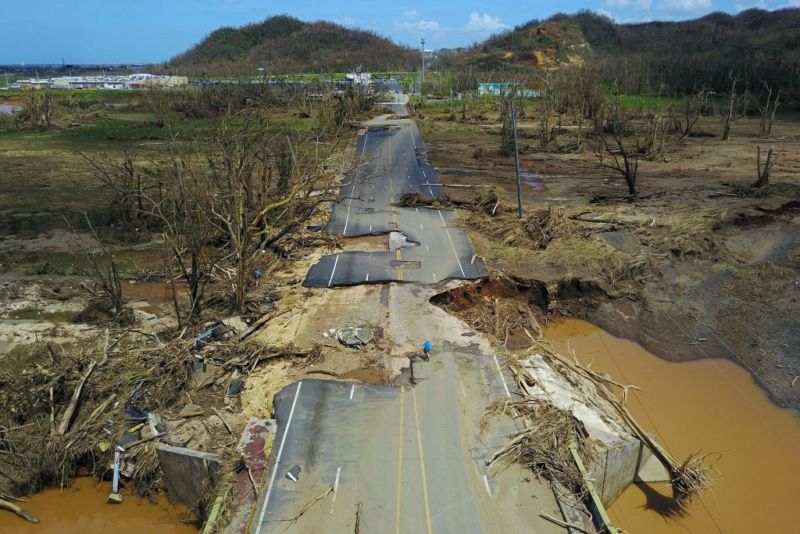
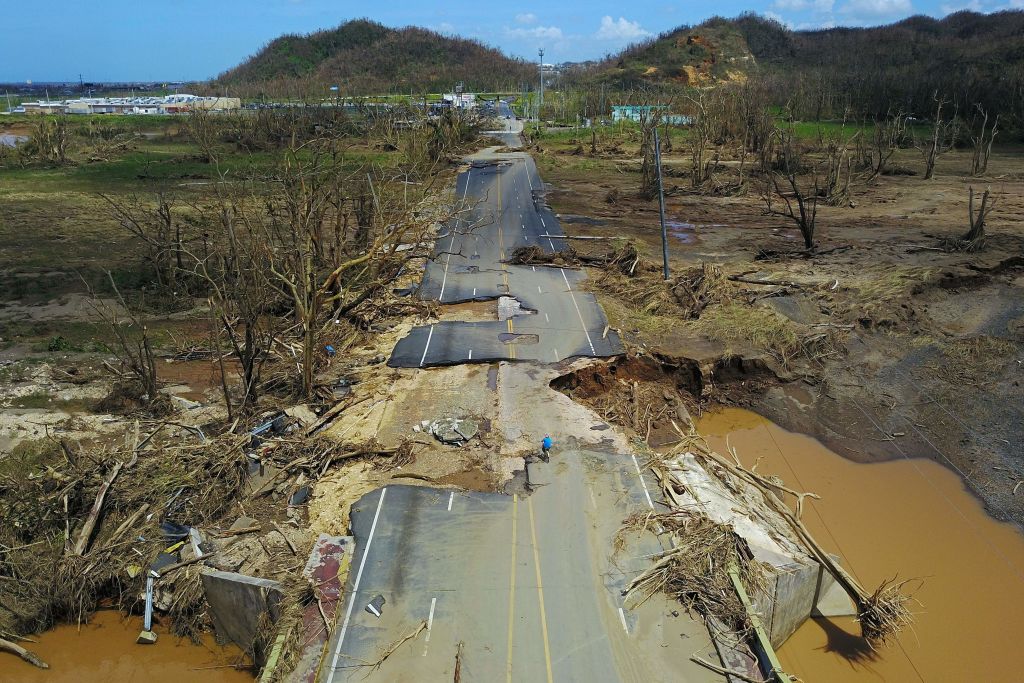
Enlarge / A man rides his bicycle through a damaged road in Toa Alta, west of San Juan, Puerto Rico, on September 24, 2017 following the passage of Hurricane Maria. (credit: RICARDO ARDUENGO/AFP/Getty Images)
Back in 1998, the European Center for Medium-Range Weather Forecasts housed the 27th most-powerful supercomputer in the world, with 116 cores providing a maximum performance of 213 gigaflops. Today, the ECMWF forecasting center has the world's 27th and 28th most powerful supercomputers, each with 126,000 cores and 20,000 times the computing power of its machine two decades ago.
This dramatic increase in computing power at the European center-as well as similar increases at US-based and other international numerical modeling centers-helps to explain the dramatic increase in hurricane-forecast accuracy over the same time period.
Based upon new data from the National Hurricane Center for hurricanes based in the Atlantic basin, the average track error for a five-day forecast fell to 155 nautical miles in 2017. That is, the location predicted by the hurricane center for a given storm was just 155 nautical miles away from the actual position of the storm five days later. What is incredible about this is that, back in 1998, this was the average error for a two-day track forecast.
Read 9 remaining paragraphs | Comments