by John Abrah on (#XZJR)
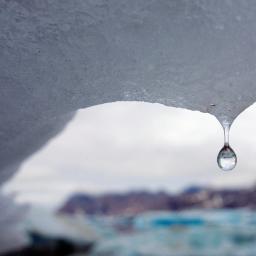
Zacharie Bien-Aime documents his observations of a changing Haitian climate.
| Link | http://feeds.theguardian.com/ |
| Feed | http://feeds.theguardian.com/theguardian/environment/rss |
| Updated | 2026-08-20 15:15 |
 |
by Reuters on (#XZFZ)
Committee will be set up to investigate Volkswagen’s diesel emissions scam and regulatory oversight of the car industryThe European parliament plans to set up a committee to investigate Volkswagen’s emissions scandal and whether regulatory oversight of the car industry was too lax.Members of the European parliament will vote on the issue around midday on Thursday, but lawmakers said that was a formality after leaders of the various political groups decided on Wednesday to establish the committee. Continue reading...
|
 |
by Damian Carrington on (#XZEA)
UK Met Office estimates 2016 will be at least as hot as 2015, which would mean the three hottest years ever had occurred in a row2016 is set to be the warmest year ever recorded, according to a forecast issued by the UK Met Office on Thursday.Climate change and the peaking of the El Niño weather phenomenon are expected to drive the global average temperature next year above the record now certain to be set for 2015, which itself beat a new record set in 2014. Continue reading...
|
 |
by Jonathan Watts in Rio de Janeiro on (#XZCT)
Rio de Janeiro’s new museum, focusing on ideas rather than objects, ecology more than technology, is a little trippy, a little hippy, very worthy but rarely dullJutting diagonally into the sky from the old port of Rio de Janeiro is an other-wordly edifice that looks like a cross between a solar-powered dinosaur and a giant air conditioning unit.The Museu do Amanhã (Museum of Tomorrow), which opens on Thursday, must already rank as one of the world’s most extraordinary buildings. But once the public starts to visit this weekend, it may soon also become known for one of the planet’s most powerful arguments for sustainability. Continue reading...
|
 |
by Daphne Eddington on (#XZ2E)
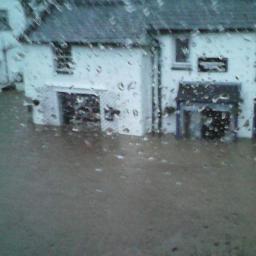
A victim of the Cumbrian floods tells of what is was like to see her business destroyed in one afternoon – and of the amazing support of locals and strangers
|
 |
by Nicola Slawson on (#XXVF)
Flowers usually more associated with Easter than Christmas seen around the country in a week of above-average seasonal temperaturesUnseasonably warm weather across the UK has seen daffodils begin to bloom as far north as Chester and Northern Ireland, as forecasters reported one of the mildest starts to the month of December in over 50 years.The flowers, more usually associated with Easter than Christmas, have been seen around the country in a week when daytime temperatures were as much as 10C above the seasonal average. Continue reading...
|
 |
by David Smith on (#XXRA)
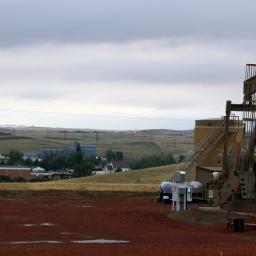
Republicans in Congress argue that the restriction has been rendered obsolete, but members of Oil Change International call it ‘a disaster for the climate’Environmentalists have condemned a budget deal in Congress to lift a 40-year ban on US crude oil exports as “a disaster for the climateâ€.
|
 |
by Letters on (#XXHW)
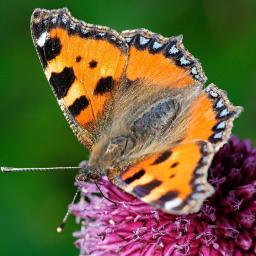
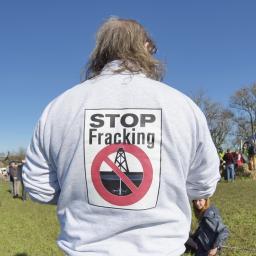
Patrick Barkham (Report sounds a ‘final warning bell’ over vanishing butterflies, 15 December) describes the decline of butterfly populations over the last 40 years. The reason we had so many species in the first place is that natural landscapes are non-uniform, with many distinct ecological niches in which unique species can evolve and thrive. Any move to increase the uniformity of farmland will therefore result in a loss of species. Over the last 40 years, 60% of the UK’s farms have gone out of business and, according to the RSPB, so have 60% of farmland birds. The low price of milk now means that a UK dairy farm is going out of business every day, while the government does nothing or, worse, enforces greater uniformity on what farmers can do. In the 70s, agricultural colleges taught farm managers of the importance of the diversity of crops and the use of livestock to enrich crop rotation, but in the 80s many were closed. Since then, farmers have been forced to concentrate on economic survival, rather than care of their land. Climate change is an aggravating factor, and pesticides are nasty (I have only bought one litre in 15 years), although they do produce the cheap food that the public wants. Pesticides are one of many factors that are damaging our wildlife. All factors must be considered if butterflies are to be saved, but there are no easy solutions to this problem.
|
 |
by Frances Perraudin on (#XX0Y)
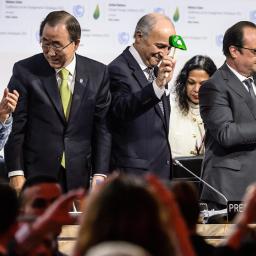
Labour and Lib Dem accuse government of sneaking plans through ‘back door’ after giving no time for Commons debateMPs have voted to allow fracking under Britain’s national parks, drawing accusations that the government has sneaked the measure through parliament without a proper debate.Ministers used a statutory instrument – a form of secondary legislation – to push through the new rules, which means legislation can pass into law without a debate in the House of Commons. MPs voted in favour by 298 to 261.
|
 |
by Guardian Staff on (#XWXC)
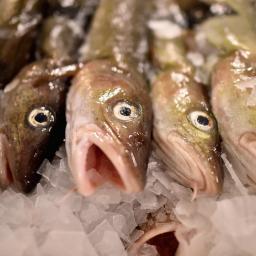
The Guardian environment editor John Vidal reports from the UN climate change conference in Paris, on what the deal might mean for developing countriesListen to the podcastReports and presenters:JV: John Vidal Continue reading...
|
 |
by Arthur Neslen in Brussels on (#XWX2)
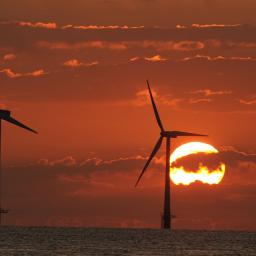
More cod, haddock, plaice and sole will be permitted to be caught in UK waters next year but conservationists warn that overfishing continues to be a threatConsumers can expect to see more plaice, cod, haddock and sole on sale in shops and restaurants following recoveries in fish populations around the UK coast and more relaxed catch fish limits as a result of overnight negotiations between EU ministers.From next year, fishermen will be allowed to catch twice as many plaice in the Channel, 15% more cod and 47% more haddock in the North Sea;15% more sole in the western Channel and 20% more Celtic Sea hake. Continue reading...
|
 |
by Naomi Oreskes on (#XWVW)
At the exact moment in which we need to reduce our reliance on fossil fuel, we’re being told that renewable sources can’t meet our energy needsAfter the signing of a historic climate pact in Paris, we might now hope that the merchants of doubt – who for two decades have denied the science and dismissed the threat – are officially irrelevant.But not so fast. There is also a new, strange form of denial that has appeared on the landscape of late, one that says that renewable sources can’t meet our energy needs. Continue reading...
|
 |
by Owen Bowcott Legal affairs correspondent, and Esth on (#XVXY)
Trump hits back at ‘hasbeen’ former first minister after losing appeal against planning permission for offshore turbines near Aberdeenshire golf courseHe may be the clear poll leader in the Republican presidential race and have been found by his doctor to be in “astonishingly excellent†health, but the singular charms of Donald Trump have failed to work on the supreme court in London.Five justices at Britain’s highest court have rejected the property mogul’s attempt to prevent an offshore windfarm being built within sight of his golf course in Scotland, dismissing his appeal against planning permission for the turbines that was granted by Scottish ministers. Continue reading...
|
 |
by Press Association on (#XWJJ)
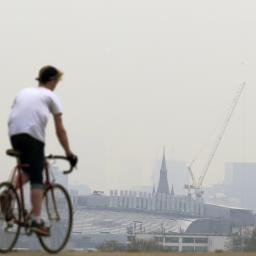
Older people, asthma sufferers and those with breathing difficulties are most at risk as pollution levels expected to riseA Saharan dust cloud is expected to settle over parts of the UK on Thursday, prompting health experts to issue warnings to elderly people and those who suffer from breathing problems.High levels of pollution are expected over southern and central England, with Lincolnshire bearing the brunt of the cloud. Continue reading...
|
 |
by John Vidal on (#XWAR)
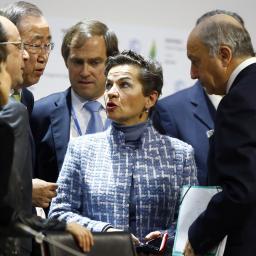
A debate over the words ‘should’ or ‘shall’ in the final draft was passed off as an undetected error thanks to some timely French diplomacyCould the fate of the world hang on a single word? Could the whole Paris climate agreement have been scuppered at the very last minute? History will record a diplomatic triumph but it may skate over events that took place in the dying moments when all countries believed they had a deal.
|
 |
by Jessica Aldred on (#XW5Z)
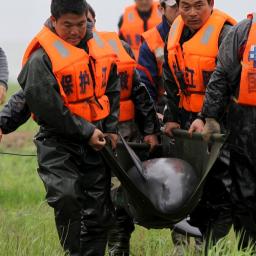
Conservationists celebrate after four critically endangered Yangtze porpoises are successfully relocated to a secure reserveConservationists are celebrating after a successful relocation of endangered finless porpoise in China marked another milestone in the journey to save the species from extinction.
|
 |
by Edgar Cahn, Julie Ozanne and Lucie Ozanne on (#XW1A)
When the port town of Lyttleton was devastated by a series of earthquakes, time banking helped the community harness the resources to rebuildThe port town of Lyttelton in New Zealand is best known for its beautiful landscapes and as a major trade gateway to the South Island. What visitors to the town might not know is that this is also the home of New Zealand’s first time bank, which has helped the local community through some very tough times.
|
 |
by Mina HollandNell Card Anna Wilkins on (#XVY5)
On 5th December, Guardian Cook readers and contributors congregated at London’s Mary Ward House for the supplement’s inaugural Christmas Bazaar hosted by Guardian Live. Yes, we marked the festive season but, more than this, the event celebrated all the talent that Cook has cultivated in its three years. And what a celebration it was ...... Guardian Live features events, discussions, debates, interviews, festivals, dinners and private views – exclusively for Guardian members. Find out more about other events coming up here. Continue reading...
|
 |
by Jeremy Leggett on (#XVWS)
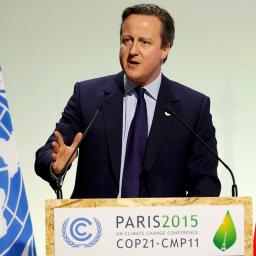
Lowering the global warming ceiling means the world can burn only a fraction of existing fossil fuel reserves. But the chancellor is still supporting oil and gasOne of the biggest transformative signals that 195 governments sent to energy markets via the Paris agreement at the weekend was a goal for the global warming ceiling to be set well below 2C, and as low as 1.5C if possible. The scientific advice given to governments explains why. At 2C, coastal plains and island nations are submerged, food and clean water supplies shrivel, and social cohesion comes under threat as a consequence.Related: Climate deal: the pistol has fired, so why aren’t we running? | Bill McKibben Continue reading...
|
 |
by Tobias Jones on (#XVJV)
A simple, elegant book about how to fell trees is this year’s most surprising bestseller. In the age of mediated reality, wood is back in fashion
|
 |
by Fiona Harveyand Adam Vaughan on (#XVGD)
Critics say the PM should make no move to cut subsidies until he knows how it would affect the UK’s ability to meet its Paris accord obligationsThe prime minister has been urged to intervene in planned cuts to solar power subsidies as a response to the signing of the Paris agreement on climate change at the weekend.The Department of Energy and Climate Change (Decc) is expected to announce a slashing of the subsidies for solar panels, potentially by nearly 90%, in line with a concerted push by the government in recent months to roll back green measures. Continue reading...
|
 |
by Rebecca Smithers on (#XV9Q)
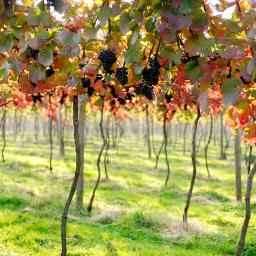
The rise in popularity of English wine is such that a staggering 12 million bottles are expected to be produced across the country by 2020There used to be a joke popular among English wine producers: “How do you make a small fortune? Start with a large fortune and then open a vineyard.†But if that was once painfully accurate, the burgeoning industry now appears to be on a roll.
|
 |
by Guardian Staff on (#XTYB)
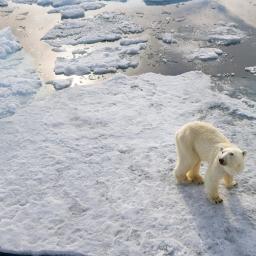
Rick Spinrad, chief scientist at the National Oceanic and Atmospheric Administration (Noaa), announces global warming in the Arctic circle has hit new heights in the past year. Stating that warming is happening ‘more than twice as fast’ in the Arctic than in the rest of the world, Spinrad says the average air temperature reached 1.3C above its usual level, the highest since observations began Continue reading...
|
 |
by Agence France-Presse in Brussels on (#XTV7)
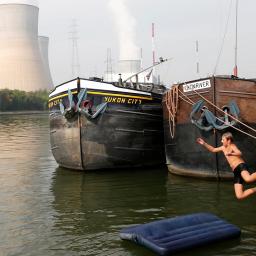
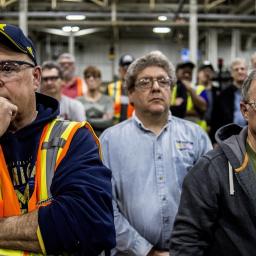
Neighbouring region of North Rhine-Westphalia unhappy as Tihange 2 power unit gets clearance to operate until its permanent closure in 2023Belgium has restarted an ageing nuclear reactor after a nearly two-year shutdown, angering neighbouring Germany which fears the danger of a Fukushima-style meltdown.
|
 |
by Joanna Walters in New York on (#XTHR)
The Michigan city has declared a state of emergency over contaminated water, affecting the entire city of 100,000 residents and those who commute thereThe city of Flint, Michigan, has declared a state of emergency over contaminated water supplies amid calls for a criminal investigation, the resignation of the state governor and a class action lawsuit that could top $1bn.The Federal Emergency Management Agency (Fema) sent 28,000 bottles of water to the city on Monday just hours before the mayor declared: “The city of Flint has experienced a manmade disaster.†Continue reading...
|
 |
by Calla Wahlquist on (#XT86)
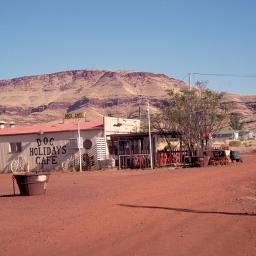
The Western Australian government wants to close down the town linked to deadly mesothelioma risk, but a few still cling to their ‘beautiful’ placeWestern Australia is threatening to pass legislation to evict the last six residents refusing to leave the mining town of Wittenoom, infamous for a deadly asbestos mine that has been connected to a toll of more than 2,000 cancer deaths.The town, about 300km south-east of Karratha, was founded to house the workforce for two blue asbestos or crocidolite mines, which were shut down in 1966, four years after Australia’s first case of mesothelioma was diagnosed in one of the mine workers. The state government began to “phase down†the town in 1978 and has made repeated attempts to encourage the final few residents to move on, most recently in 2013. Continue reading...
|
 |
by Sam Thielman on (#XT0X)
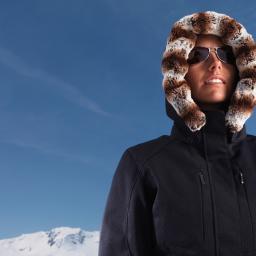
Winter clothing sales are taking a hit from record high temperatures in the US, according to industry reports – a stark contrast from last year’s outerwear frenzyDown is down: warm winter weather has cost retailers scores of millions of dollars as sales of everything from winter coats to snow boots have failed to take off, according to multiple reports across the clothing industry.November was the planet’s warmest month on record, in addition to an unusually strong El Niño effect heating up the US and Europe, and the change has carved a chunk out of retailers who rely on the weather for clothing sales. Continue reading...
|
 |
by Oliver Milman in New York on (#XT0F)
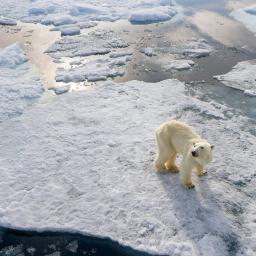
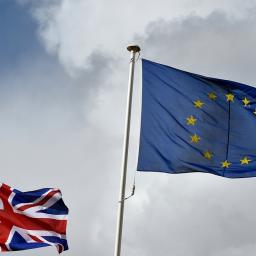
Latest Noaa report reveals 2015 temperatures were in some cases 3C above long-term average and 70% of ice pack in March was made of first-year iceThe Arctic experienced record air temperatures and a new low in peak ice extent during 2015, with scientists warning that climate change is having “profound effects†on the entire marine ecosystem and the indigenous communities that rely upon it.
|
 |
by Letters on (#XSZW)
Zoe Williams misses the point about Cameron’s negotiations with EU member states (There is no master plan. On the EU, Cameron is flailing, 14 December). Restricting benefits to EU migrants may or may not be a sensible, legal or logical way to meet the concerns of people, be they “Ukip-minded†or not. But once our PM had to ask permission to do so, the issue was completely transformed. It is no longer one of EU migrants’ access to benefits, but the far more fundamental question of who decides how British taxpayers’ money is spent. It became a question of national sovereignty. That’s why organisations such Trade Unionists Against the EU are not awaiting the outcome of “negotiations†and are campaigning to get the UK out. The issue is as simple as it is clear: if the British people take a democratic decision to do something – in this case change the benefit system – they should be able to do so without having the prime minister scuttering around Europe asking permission. This will continue to be the case while the UK remains a member of the EU.
|
 |
by Letters on (#XSZY)
In her review of Cymbeline (12 December), Lyn Gardner refers to the heroine as Innogen, and states that the more common use of Imogen is a misspelling. This theory is based on a 1611 diary entry after a performance attended by Simon Forman, who died four days later in his 59th year. The only source we have for the text is the 1623 First Folio, where “Imogen†is printed 38 times and the editors, Heminge and Condell, would have been around at the time of that performance. So either we accept their inside knowledge, or one old man’s hearing and possibly shaky handwriting. I know which I prefer.
|
 |
by Guardian Staff on (#XSSK)
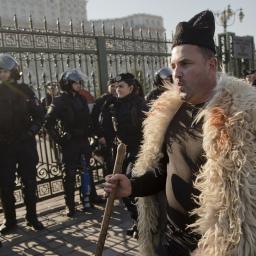
Around 4,000 shepherds, some dressed in floor-length sheepskins, travelled from rural parts of Romania on Tuesday for a protest in Bucharest. They are angry about a law that will limit the number of dogs that can guard their sheep, as well as a ban on grazing from December to April. Police fired teargas at the shepherds as they attempted to charge the parliament building Continue reading...
|
 |
by George Monbiot on (#XSJP)
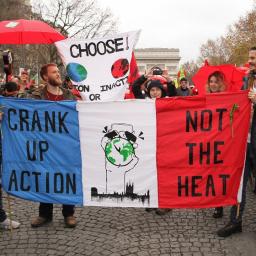
The astonishing drop in violence between human beings needs to be matched by an end to violence against the natural worldThis is humanity’s great paradox: we are the only animal capable of sustained empathy and altruism towards unrelated beings – and we are the only animal that murders so many of its own kind, and lays waste to the planet it inhabits.Related: Cameron must make a climate U-turn immediately if he isn’t to betray Paris | Craig Bennett Continue reading...
|
 |
by John Vidal on (#XSC0)
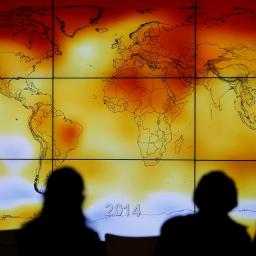
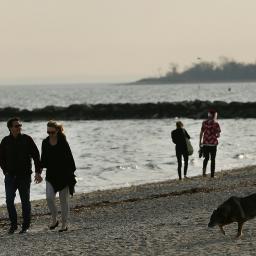
Will the deal agreed in Paris be enough to save the planet? Emissions cuts and investment are promised, but legal responsibilities are thin on the ground1 If temperatures can be held to a rise of 1.5C, catastrophe may be averted Continue reading...
|
 |
by Alan Yuhas in New York on (#XS9E)
Two weather systems keep 2015 on track to be hottest year ever, with current El Niño phenomenon likely to be one of three strongest in half centuryMeteorologists have blamed El Niño and the polar vortex for record-breaking warm temperatures across the US this week, saying the pair of weather systems will likely keep 2015 warm enough to be the hottest year on record.This year’s El Niño, a recurring weather pattern caused by unusually warm water in the Pacific Ocean, is particularly strong and reaching its peak. The high pressure system, now east of Hawaii, sends warm air along the jet stream over the northern Pacific and into the northern and central US. Continue reading...
|
 |
by Naomi Klein on (#XS77)
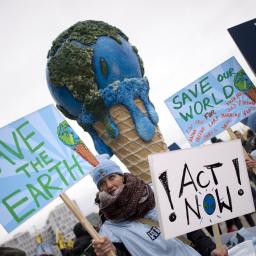
From climate change to police violence and the refugee crisis, ​this was the year ​when ordinary people stood up to declare an emergency, writes the author and activist in an extract from the foreword of The Bedside Guardian 2015​What do we do when our political leaders treat profound moral crises as if they are nothing extraordinary? Nothing to see here, move along?What if a supposedly ho-hum phenomenon is actually an existential threat to our species? How do we wrench the script away from those in power and sound the alarm? Continue reading...
|
 |
by Susanna Rustin on (#XS40)
Cutting your carbon footprint is good, political engagement is even better. Don’t let climate cringe stop you – we have too much to loseI interviewed the American climate activist and writer Bill McKibben five years ago. I liked the essays he wrote in the New York Review of Books, and persuaded an editor that his books about environmental science and politics merited a profile. I had been a candidate for the Green party in local elections in London earlier that year, and with hindsight I think I was wondering, what next? McKibben knew far more about green issues than I did (his first book about climate change, The End of Nature, came out in 1989). So I asked him: if a person is really worried about global warming, what should they do?I may also have mentioned lightbulbs. As in: should this worried person change all the lightbulbs in their home to energy-saving ones first, or give up flying? I left the question out of the published article, though I admitted feeling inspired by McKibben in a paragraph that now makes me cringe. I’ll come back to that cringe, but what he said, very clearly, is that a mass movement of people is the only way to beat “the raw power of the fossil fuel industryâ€. Continue reading...
|
 |
by Arthur Neslen Brussels on (#XRWY)
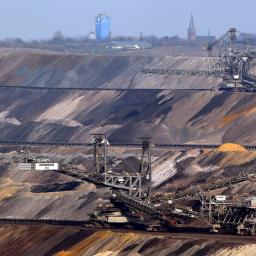
The head of Europe’s coal lobbying association says his industry will be vilified following the landmark Paris climate deal to cap CO2 emissionsThe head of Europe’s coal lobby has said that his industry will be “hated and vilified in the same way that slave-traders were once hated and vilified†as a result of the Paris climate deal, in an extraordinary diatribe sent to his members and press outlets.Last weekend, the world’s governments agreed to cut greenhouse gas emissions in a momentous pact aiming at holding global warming to 2C. Continue reading...
|
 |
by Graham Ruddick on (#XRFP)
Owner Jaguar Land Rover say electric vehicles will play a key role in its future car portfolioJaguar Land Rover is to enter a team into the Formula E racing championship as the luxury carmaker steps up its investment in electric vehicles.The company will enter a Jaguar team into the FIA Formula E championship from next year and will use it to develop new electric technologies that could eventually be installed in road cars. Continue reading...
|
 |
by Agence France-Presse on (#XR7N)
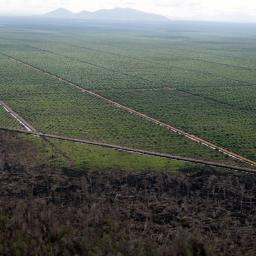
Fires cloaking south-east Asia in haze have cost Indonesia $16bn in 2015, more than double the sum spent on rebuilding Aceh after the 2004 tsunamiIndonesia’s economy took a $16bn hit this year from forest fires that cloaked south-east Asia in haze, more than double the sum spent on rebuilding Aceh after the 2004 tsunami, according to the World Bank.
|
 |
by Patricia Jolly on (#XR6R)
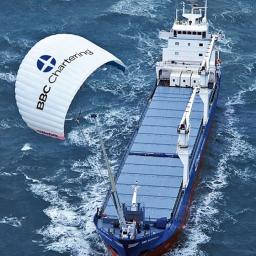
The French yachtsman is pioneering the use of kite technology to produce clean power for cargo shipsThe only souvenir Yves Parlier has kept from his long career sailing the seven seas is the skeleton of a mahi-mahi, or common dolphinfish, almost one metre long. In February 2001, somewhere near the island of Saint Helena in the South Atlantic, he caught this fish with a hook made from a broken aerial. It saved him from dying of hunger. Even now Parlier licks his lips at the thought of the feast that followed. “I started by devouring the offal, then I stripped the fillets and put them out to dry,†he says. “After that I sucked the bones and ate the skin. I had enough food to reach the finish.â€Parlier made this miraculous catch while he was competing in his third and final Vendée Globe single-handed around-the-world race, sailed non-stop and without assistance, a contest he never managed to win. Dispirited and desperately hungry, he had spent the previous 10 days mixing packets of dehydrated food with platefuls of seaweed and krill, seasoned with the spices from oriental soup packets. Continue reading...
|