 |
by Robin McKie on (#Y7TZ)
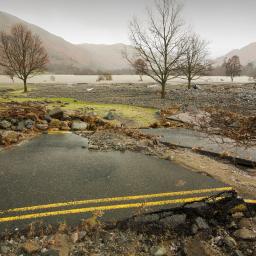
Most factors in intense storms and hurricanes are short-term phenomena but there are longer-term influencesWe have always been baffled by the weather and have often used strange arguments to explain its unexpected behaviour. More than 2,000 years ago, one hapless Roman citizen was so worried that unusual gales and storms might be due to the impiety of the nation that he asked the gods for guidance via a carved lead tablet which he left at a local oracle.Today we have a better idea of the factors that influence our weather, though we still struggle to make sense of the reams of data – wind, pressure, sunshine, temperature, moisture levels, and other factors – that we now know influence the daily regimes of rain and sun that we experience. Continue reading...
|
| Link | http://feeds.theguardian.com/ |
| Feed | http://feeds.theguardian.com/theguardian/environment/rss |
| Updated | 2026-08-20 15:15 |
 |
by Guardian Staff on (#Y7TX)
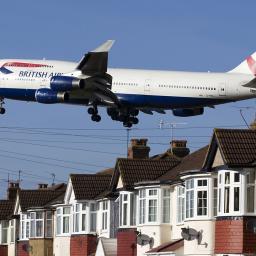
By all the usual environmental measures, the airport is a dangerous menace to those who live around itWill Hutton’s otherwise excellent article was let down by the confusing argument on Heathrow. Clearly,London and the south-east are home to 469 global companies not because of Heathrow, since Paris, Amsterdam and Frankfurt also have well-connected airports. Companies base themselves in the UK because of other matters: English, access to the EU, a benign tax policy etc (“Vital Heathrow expansion must not be held up by craven politicsâ€, Comment). Continue reading...
|
 |
by Travis Irvine on (#Y6XH)
What does Santa Claus think of climate change? Are the elves and reindeer feeling the effects at the North Pole? We took to the streets during SantaCon NYC to get a colorful cast of Christmas characters to comment on our warming planet. Warning: some of the Santas featured may have overdone the eggnog. Continue reading...
|
 |
by Hayden Lorimer on (#Y6ES)
For poets, painters and film-makers, ice is much more than just frozen waterIce plays on the human imagination, the object of our fear and fascination. In the Book of Job, the Lord asks: “Out of whose womb came the ice? And the hoary frost of heaven who hath gendered it?†His wonder is divine and universal, musing on the mysteries of form, the crystalline artifice of concealment. “The waters are hid as if with a stone, and the face of the deep is frozen.â€We mere mortals might be left quaking in our boots. By its sheer otherness, ice can leave us sliding around in search of meaning, lacking the familiar footholds for experience and expression. But we remain receptive to its changing nature, transported by its appearance and movement, durability and fragility, left solemn at its ultimate impermanence. The opaque surfaces and spangled architectures of ice bring us to see so much more than water in solid state. Continue reading...
|
 |
by Jim Powell on (#Y6AZ)
The Geminid meteor shower, Tim Peake’s journey to the International Space Station, Europe’s refugee crisis, Manchester United’s poor form – the best photography in news, culture and sport from around the world this week Continue reading...
|
 |
by Henry Barnes on (#Y64Y)
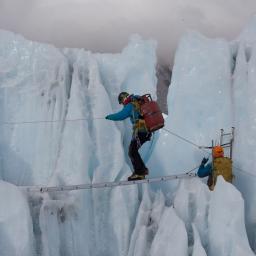
Jennifer Peedom set out to make a documentary about the untold role the Sherpas play in helping wealthy western climbers conquer Mount Everest, but when an avalanche hit during her shoot, she ended up with an even bigger storyOn 18 April 2014, a 14,000-tonne block of ice slid down the southern face of Mount Everest, killing 16 people. It was the mountain’s deadliest day, until just over a year later, when 22 died in the aftermath of the Nepalese earthquake.Thirteen of the men who died in 2014 were Sherpa, an indigenous ethnic group famed for their ability to withstand high altitudes. They had been finding their way through the Khumbu Icefall, one of Everest’s most dangerous passes. When the avalanche hit they were fixing a route so that tourists – some paying up to $75,000 to climb the world’s highest peak – could fulfil a dream. Continue reading...
|
 |
by Graham Long on (#Y5V7)
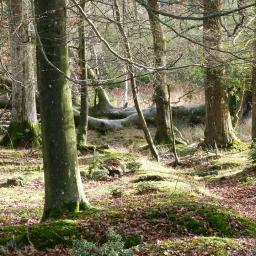
Stockley Inclosure, New Forest I make my way back following pony tracks on a path around toppled treesIt’s not long before midwinter’s day when I step out into Stockley Inclosure. It’s brightish, with a chill wind that rustles in the treetops and makes interlacing branches creek eerily as they rub together. Yet, within a dozen or so paces, my touching shadow pops a peacock butterfly into the air. It rapidly vanishes over a bank of still-flowering gorse. In a sheltered spot, close by a log shorn of all bark, gathers some filtered warmth. A large hoverfly Eristralis pertinax, basks at one end, while a clutch of bluebottles huddle together at the other.Related: Country diary: New Forest Continue reading...
|
 |
by Australian Associated Press on (#Y59G)
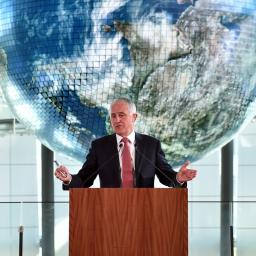
Australian prime minister makes 15-hour visit to Japan to promote trade and education links, but says he also expressed concerns about whalingMalcolm Turnbull has expressed his disappointment at Japan’s resumption of whaling on a brief visit to Tokyo.Related: Australia considers legal action against Japan's decision to resume whaling Continue reading...
|
 |
by David Smith on (#Y55J)
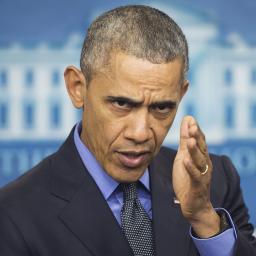
President touts ‘steady, persistent leadership’ by administration in several landmark negotiations in 2015 including Paris climate talks and Iran nuclear dealAmerican leadership in the world “is not just a matter of us bombing somebodyâ€, Barack Obama insisted on Friday as he reeled off a year of achievements from a global climate deal to the Iran nuclear pact.During an end-of-year press conference at the White House, the president also claimed steady progress in the war against Islamic State and expressed optimism about working with Congress to reform the criminal justice system, but declined to rule out the idea of going it alone to close the detention camp at Guantánamo Bay. Continue reading...
|
 |
by Damian Carrington on (#Y4JF)
Overhunting affects seed dispersal and thus survival of hardwood trees, resulting in drastic reduction in Earth’s natural carbon storage, study findsLarge fruit-eating monkeys and birds in tropical forests have been revealed as surprising climate change champions, whose loss to over-hunting is driving up carbon emissions. This is because their seed-spreading plays a vital role in the survival of huge, hard-wooded trees.Tropical forests store 40% of all the carbon on the Earth’s surface and the slashing of trees causes about 15% of the greenhouse gases that drive global warming. Continue reading...
|
by Guardian Staff on (#Y4F0)
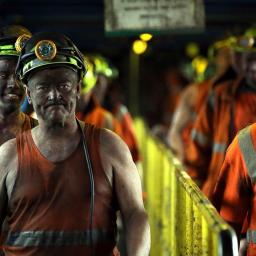
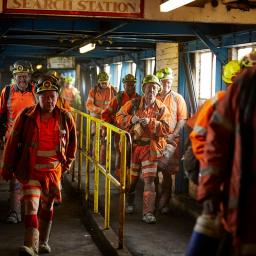
Miners at the UK’s last remaining deep coal pit speak after working their final shifts ahead of its closure in North Yorkshire on Friday. Coal still remains underground but it is cheaper to ship it from overseas. The pit’s closure brings an end to centuries of deep coal mining in Britain Continue reading...
 |
by Letters on (#Y4BJ)
I was dismayed to read your article (UK lobbying for weaker limits on air pollution, 14 December). The British Lung Foundation (BLF) has written to the government, urging ministers not to open a back door for laggard car manufacturers to escape through.If one in every 10 cars manages to meet legal standards under real-world test conditions, then the rest need to meet the bar, too. After the VW emissions scandal, now is certainly not the time to weaken testing. Indeed, 96% of people in a recent BLF air pollution survey agreed with us that real-world tests are sorely needed. In the UK, there are tens of thousands of premature deaths every year from air pollution, which increases risk of lung cancer and impairs the development of children’s lungs. Continue reading...
|
 |
by Zoe Williams on (#Y40Y)
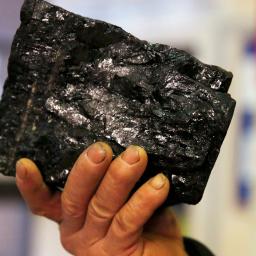
Mining is dangerous, arduous work but people doing this job love it. Now, as one union rep says, the industry has ‘thrown them on the scrapheap’The lobby of the Kellingley colliery is thick with cameras as the last shift at the country’s last deep coalmine comes to an end. A man in hi-vis orange walks through, his trousers cut down to shorts, a few inches of coal-dusted thigh showing over the thickest boots; goggled, gloved, protected and unprotected. The coal clogs the miners’ eyes like eyeliner, so that they look incongruously showbiz.
|
 |
by Guardian Staff on (#Y3YM)
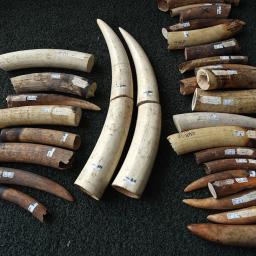
Giant humpback whales, rare African wild elephants and Siberian ibexes are among this week’s pick of images from the natural world Continue reading...
|
 |
by Reuters on (#Y3H7)
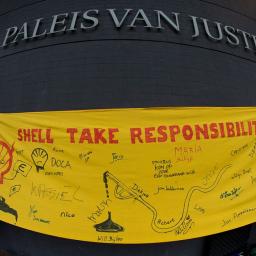
Nigerian farmers affected by oil pollution get green light to pursue case against Anglo–Dutch multinational as judges order release of key documentsA Dutch appeals court ruled on Friday that Royal Dutch Shell can be held liable for oil spills at its subsidiary in Nigeria, potentially opening the way for other compensation claims against the multinational.
|
 |
by Damian Carrington on (#Y3FY)
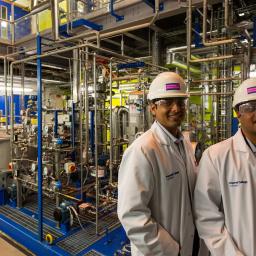
The Conservative government didn’t have faith in CCS and ditched a £1bn plan, but at a lab in Imperial College London, Aniruddha Sharma believes his team has hit upon a chemical that could make decarbonising fossil fuels affordable“I have seen first hand what can happen if pollution is not controlled,†says Aniruddha Sharma. The Indian entrepreneur was born in Bhopal, where his parents’ wedding took place three days before the catastrophic chemical leak in 1984 that killed thousands and injured many more.
|
 |
by Terry Macalister, Pamela Duncan, Cath Levett, Finb on (#Y39X)
We chart the decline of the industry from 1960
|
 |
by Eromo Egbejule in Lagos on (#Y38F)
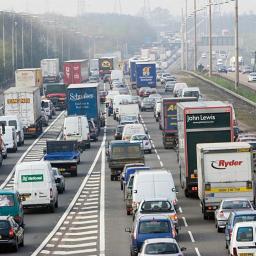
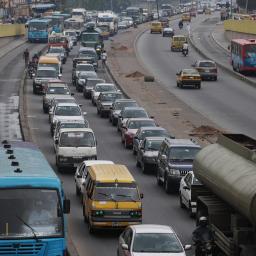
Dysfunctional transport and lack of access to electricity are holding back development and endangering lives in Nigeria’s biggest cityNaomi Ndukwu has to leave her apartment in Lagos two hours ahead of schedule every morning to beat the traffic gridlocks on the city’s roads. In the evenings she is stuck for similar periods of time on her way back. She says the worst part is inhaling smoke from the fumes of a thousand cars on the return journey.“I have asthmatic allergies so it becomes hard for me to breathe sometimes if the windows are down, and my eyes get watery,†says Ndukwu, who works in a bank. “By the time I get home, I keep coughing and even exhale soot sometimes.†Continue reading...
|
 |
by Guardian Staff on (#Y38G)
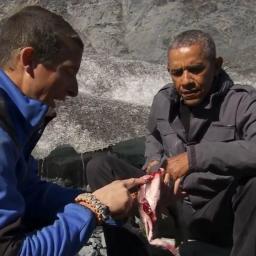
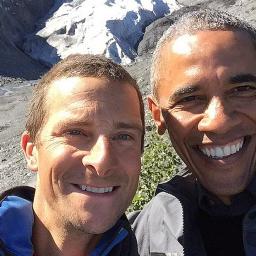
The US president treks through a remote part of Alaska with Bear Grylls to promote action on climate change in a special episode of the British adventurer’s reality show, Running Wild With Bear Grylls. Obama and Grylls hike on the Exit glacier in the Kenai mountains, but also discuss the dangers of climate change for the Alaskan landscape
|
 |
by Rory Carroll in Los Angeles on (#Y2Z7)
US president treks across a glacier and eats a bloody salmon discarded by a bear on British adventurer’s reality TV showHe declined to drink urine but Barack Obama did make tea from glacier water and munch on a bloody salmon previously chewed by a bear in his wilderness bromance with Bear Grylls.The US president trekked through a remote part of Alaska to promote action on climate change – and show a more human side – in a special episode of the British adventurer’s reality show, Running Wild With Bear Grylls. Continue reading...
|
 |
by Damian Carrington on (#Y2Z9)
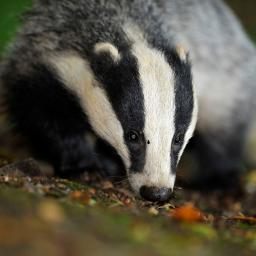
Government met cull targets in Somerset, Gloucestershier and Dorset to combat bovine TB, but scientists criticise plan to drop time limit on future cullsThe government is to relax the restrictions on its controversial badger culls as it rolls them out to new areas in 2016.But a leading scientist has warned that the move makes it even less likely that culling will achieve its aim of reducing tuberculosis in cattle and could even make it worse. Continue reading...
|
 |
by Guardian Staff on (#Y2MY)
From safety lamps and record demand to miners’ strikes, we chart the rise and demise of King Coal in the UK Continue reading...
|
 |
by Peter Walker on (#Y2N4)
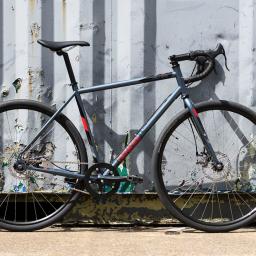
Belt drive, single speed or gravel bike? We try out three very different bikes from BMC, On One and GenesisAsk someone in, say, Utrecht about the idea of a “commuter bike†and they’ll give you a puzzled look. In such more civilised cycling cultures, a bike is a bike, and is generally weighty, upright, bomb-proof and festooned with dynamo lights, baskets and child seats.In the UK it can be a different matter. Here, with cyclists usually obliged to share the road with motor traffic, many prefer a more nippy machine for going to and from the office, often the ubiquitous hybrid, sometimes even a road bike. Continue reading...
|
 |
by Terry Macalister Energy editor on (#Y2N2)
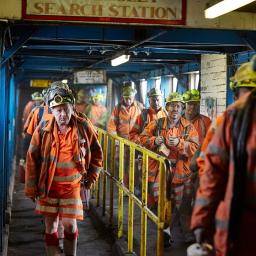
The last deep coal mine in Britain closes today, drawing to an end a series of closures in an industry once known as King CoalWhen the last shift of underground miners emerges at Kellingley colliery in North Yorkshire on Friday, it will bring down the final curtain on one of Britain’s most successful and enduring industries.Coal has been dug out of the ground since pre-Roman times. It fuelled the Industrial Revolution and was still providing 40% of power for electricity generation as little as three years ago. Continue reading...
|
 |
by Terry Macalister Energy editor on (#Y2N0)
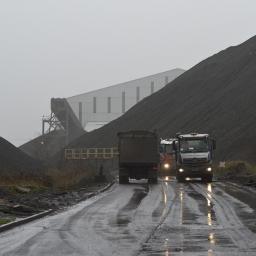
Increased expense, cheaper reserves from overseas and climate change all played a part in the demise of the country’s deep-mined coal industry Continue reading...
|
by Terry Macalister Energy editor and Helen Pidd Nort on (#Y2HA)
Industry that fuelled Britain for centuries goes into its final hours as workers lament the loss of North Yorkshire collieryAn industry and a way of life will come to an abrupt halt at 12.45pm on Friday when 60 coalminers at Kellingley resurface with only their identity cards as mementos and redundancy cheques for the future.The men will leave an estimated 30m tons of recoverable coal in the ground at the North Yorkshire colliery and will be laid off alongside almost 390 colleagues by their employer, UK Coal Kellingley, which will be wound up. Continue reading...
 |
by Christine Smith on (#Y2F5)
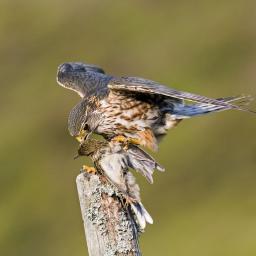
South Uist A merlin has just swerved its way around and between their massive bodies in pursuit of preyThey’re a companionable bunch, the cattle in the field opposite. Keeping close to one another, rumps to the prevailing wind, they wait out each bout of bad weather. Today, though the wind has dropped and the rain has ceased, they’re still sticking together and are grazing in a compact group by the edge of the little pool that appears each winter.Heads down, they are placidly content in their own cow world and completely oblivious to the life or death struggle taking place about and above them. A merlin has just swerved its way around and between their massive bodies in pursuit of prey that has tried to confuse it by dodging among the cattle. But the ruse fails, and both birds emerge to engage in aerial battle silhouetted against the blank grey sky. Continue reading...
|
 |
by Calla Wahlquist on (#Y2ET)
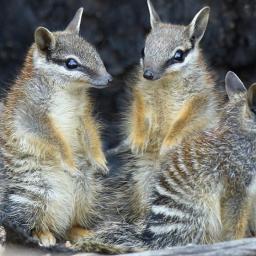
Councillors at Western Australian shire of Cuballing unanimously agree large regional tip should not be built near significant numbat habitatA Western Australian council has voted unanimously to scrap plans for a rubbish dump near a significant numbat habitat, a move hailed by conservationists as a win for biodiversity.
|
 |
by Reuters on (#Y24V)
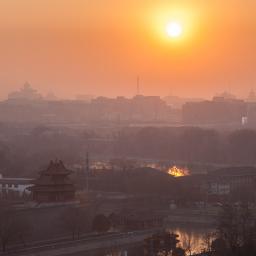
Four days of heavy pollution in China’s capital means restrictions on vehicle use, school closures and bans on fireworks and outdoor barbecuesChina’s capital city issued a “red alert†for pollution on Friday, hard on the heels of its first-ever such warning earlier in December, as Beijing’s leadership vowed to crack down on often hazardous levels of smog.Authorities in the Chinese capital warned the city would be shrouded by heavy pollution from Saturday until next Tuesday, prompting the highest-level warning that leads to emergency responses such as limiting car use and closing schools. Continue reading...
|
by Joshua Robertson on (#Y1Y1)
Conservationists say proposed tug harbour would breach environment guidelines in EIS being considered by the environment minister, Greg HuntAnother potential stumbling block looms for Adani and plans to expand its Abbot Point coal port after conservationists flagged “material deficiencies†in an application for commonwealth approval before the environment minister, Greg Hunt.The North Queensland Conservation Council (NQCC) says it has uncovered secret plans for a tugboat harbour which its legal team indicated could undermine the basis for Hunt’s decision, due next week. Continue reading...
by Danny Kennedy on (#Y1TR)
This is a historic opportunity for ideas and entrepreneurs, but only if they get support and infrastructructure, says Sungevity entrepreneurAustralia stands at a crossroads after the Paris agreement and a week of talk about being an innovation nation. This has been coming for some time and, as a successful energy entrepreneur, I think the choices facing the country could not be starker.A mate and I left Australia in 2007 to build a solar business in the United States called Sungevity, which is now selling solar systems to homes and businesses across America and Europe and holds a market value greater than that of Peabody Coal. As our business has continually strengthened, we’ve watched Australia’s solar industry lurch up and down, struggling under the curse of intermittent policy and a lack of commitment. It has affected investment (the policy seesaw was behind our decision to sell our interests in Australia to Roofjuice) and cost Australia its place as a world leader in renewable ingenuity. Continue reading...
by Annie Kane on (#Y1KP)
Australian company races to be first to develop perovskite solar and make technology available for more businessesWith over 200 mostly sunny days a year, Australia’s nickname of the sunburnt country is well–earned. It’s therefore unsurprising that we lead the world in household solar, with 1.4m photovoltaic (PV) systems running in 2015.By contrast however, Australia has relatively few large-scale solar farms, which the Clean Energy Council attributes to the “relatively high cost of the technology compared to more established forms of renewable energyâ€, such as wind power. Continue reading...
by Editorial on (#Y19K)
The end of deep mines marks the end of a long era when trade unions played an important role not just in industry but politics tooIt can sound glib to talk about the end of an era. It is tempting to sentimentalise the idea of the coalmining industry and the men – almost exclusively – who worked in it. All the same, the closure on Friday of the last deep mine, at Kellingley in Yorkshire, really is the final act in a long drama in which miners played a leading role – shaping how the country thought about workers, employers, and the relationships between industry and the state, the trade unions and the Labour party.Related: The end of deep coal mining in Britain: ‘They’ve knocked us down’ Continue reading...
 |
by Peter Kimpton on (#Y19M)
Bluegrass to country, Motown to soul and much more, it’s time to put on your musical boots, rope up and scale your shelves for songs that hit heady heights
|
 |
by Helen Pidd north of England editor on (#Y186)
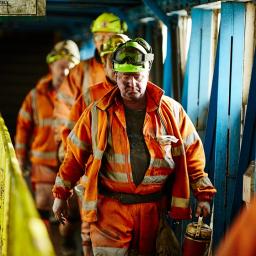
As demand for renewable energy grows, the UK’s last deep coal mine closes down after operating for 50 yearsThere’s a sign up in the locker room at Kellingley colliery this week. Addressed in red ink to “ALL EMPLOYEESâ€, it tells the 451 remaining workers that on Friday, the final day of service at the UK’s last surviving deep mine, “normal attendance and operations will be expected for all shifts unless otherwise instructed.â€Underneath, in wobbly blue, someone has scrawled: “Fuck off we’ll go when we want.†Continue reading...
|
 |
by Letters on (#Y13J)
Fracking under the national parks (Report, 17 December); at long last, a capitalistic solution to these non-profit generating areas in, on the whole, rather distant parts of the country with few voters.
|
 |
by Oliver Milman in New York on (#Y11A)
Clinton is critical of the department of interior’s draft plan for drilling in areas off the coast of Virginia, North Carolina, South Carolina and GeorgiaHillary Clinton has said she is “very sceptical†of the need to drill for oil or gas off the United States’ eastern seaboard, despite the Obama administration putting forward proposals that would open up vast tracts of the ocean for fossil fuel extraction.
|
 |
by Severin Carrell Scotland editor on (#Y108)
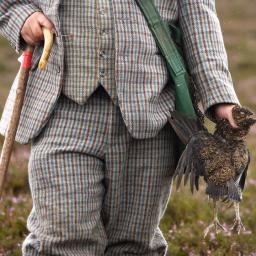
Crackdown comes amid concerns about illegal persecution of birds of prey shot, poisoned or trapped by gamekeepers and farmers in ScotlandHighland estates could be forced to apply for licences to shoot grouse in a further crackdown by Scottish ministers on the illegal persecution of birds of prey.
|
 |
by Andrew Sparrow on (#Y0YZ)
As Christmas recess begins, government departments and quangos release 424 publications. We reveal the ‘best’ bad news
|
 |
by Rob Evans on (#Y0VM)
Activist John Jordan’s conviction was overturned after undercover officer’s involvement in prosecution was exposedA judge has refused to order the disclosure of an official document that would shed more light on how an undercover operation caused the wrongful conviction of an environmental campaigner.Activist John Jordan had his criminal conviction for assaulting a police officer overturned last year after the hidden role of an undercover policeman in his prosecution was exposed. Continue reading...
|
 |
by David Hellier on (#Y0S0)
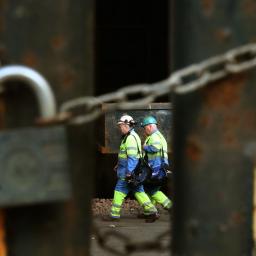
Embattled industry wins rebate on energy costs but unions say concession does not go far enoughThe government has won EU approval to compensate steel producers for the cost of green taxes, but unions warned that the concession was not enough to save the industry.British energy-intensive industries such as steel paid 80% more for electricity in the first half of 2015 than the EU average, which is itself about twice as high as in the US. High energy costs have contributed to thousands of job losses at British steelmakers, including 2,200 at Redcar in north-east England. Continue reading...
|
 |
by Guardian readers on (#Y06F)
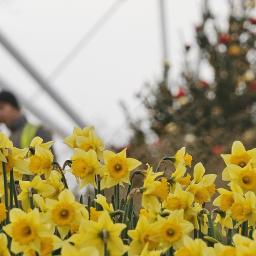
With above-average seasonal temperatures hitting the UK, we’d like to see the unseasonal signifiers you have discovered this DecemberThe mild December weather has seen daffodils blooming as far north as Chester and Northern Ireland. The unseasonably warm temperatures across the UK is sure to disappoint anyone longing for a white Christmas this year, as forecasters report the one of the mildest starts to the month in over 50 years.Have you spotted any signs of unseasonal December weather where you are? Whether it’s daffodils in bloom, or other unusual natural features you don’t associate with the month, share your images with us. We’ll feature the most interesting on our site. Continue reading...
|
by Adam Vaughan on (#Y009)
Government plan to improve air quality will still leave people in dozens of cities, including London, Birmingham, Leeds, Liverpool, Cardiff and Edinburgh, breathing toxic air until at least 2020Dozens of UK cities including London, Birmingham, Leeds, Liverpool, Cardiff and Edinburgh will still be in breach of EU limits on air pollution for at least the next five years, despite an air quality action plan issued by the government on Thursday.The plan is a response to a supreme court ruling in April on the government’s failure to meet European limits of harmful NOx gases, which are mostly caused by diesel traffic and blamed for nearly 9,500 premature deaths each year in London alone. Continue reading...
 |
by Robbie Blackhall-Miles on (#XZZ4)
Saving plants from extinction doesn’t just happen in botanic gardens and seed banks - we can get involved in our own back gardens. Here’s howGardeners, by their very nature, are intrinsically conservationists. What we do in tending and caring for our plants is surely conservation in its strictest sense. I don’t know any individual gardener who doesn’t show a deep empathy for the natural world and the wonders it brings humanity. Put a gardener out in the countryside and the thing they invariably notice first is the plants. Most gardeners do not suffer from plant blindness. Continue reading...
|
 |
by David Hellier on (#XZZ6)
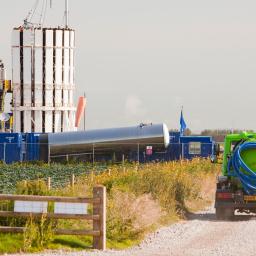
Campaigners warn that awarding of 159 licences for onshore oil and gas exploration could open up swaths of the country to frackingThe government’s controversial attempt to establish a shale gas industry in the UK took another step forward on Thursday when it handed out new licences for onshore gas and oil exploration in 159 blocks, in a move campaigners say could open up swaths of the countryside to fracking.Companies must undergo a series of safety and environmental safety checks before they can start producing oil and gas commercially, though campaigners have maintained these are insufficiently tough. Continue reading...
|
 |
by Rich McEachran on (#XZXY)
Huel and Ambronite are touting powdered meals as a low-cost, sustainable way to feed people and help protect the planet
|
 |
by Arthur Neslen Brussels on (#XZVS)
Manufacturers are revealed to be exploiting a loophole in European tests to exaggerate the brightness and energy use of their productsLightbulb manufacturers are misleading consumers about the brightness and energy use of their products by exploiting a loophole in European tests, lab results seen by the Guardian show.Ikea, Philips, GE and Osram are among the companies exaggerating energy performance up to 25% higher than that claimed on packaging, according to the Swedish Consumer Association tests. Ikea told the Guardian as a result it would refund customers who were dissatisfied with bulbs they had bought from its stores. Continue reading...
|
 |
by Terry Macalister on (#XZ5A)
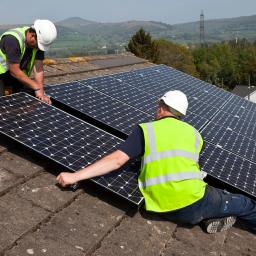
Conservative government cuts financial aid by 65% despite its own review showing the move puts 18,700 jobs at riskThe government has decided to cut subsidies to householders installing rooftop solar panels by 65% just days after agreeing to move swiftly to a low-carbon energy future at the climate change conference in Paris.An impact assessment study by the Department of Energy and Climate Change (Decc) admits the move could wipe out up to 18,700 of the industry’s 32,000 jobs. Continue reading...
|
 |
by Joanna Walters on (#XZPX)
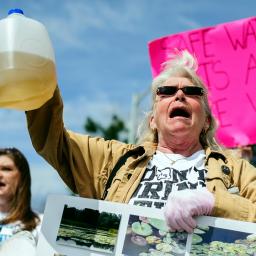
|
by Damian Carrington on (#XZKR)
The Tory party’s cuts to clean energy subsidies won’t save consumers more than a few pounds a year – but will cost the industry, and the climate, dearly“My priority is to ensure energy bills for hardworking families and businesses are kept as low as possible,†said energy and climate change secretary Amber Rudd, announcing sweeping cuts to renewable energy subsidies on Thursday.Yet this rationale crumbles to dust under the slightest scrutiny. The nations’s most popular energy technology, solar power, adds just a few pounds a year to energy bills. The best cost-saving measure - energy efficiency - has had its support slashed by Rudd and the Conservative party has forgone the cheapest of all low-carbon energy, onshore wind. Continue reading...