 |
by Jules Howard on (#X1JX)
Seeing Ferne McCann chugging down a distressed animal made me, and 553 other people, pretty uncomfortable. Why is this deemed to be OK?Another year of I’m a Celebrity is over and I find myself feeling increasingly sorry for the participants. I really do. It’s hard for them. A flood of unrecognisable know-nothings thrown in to face the heat of the jungle. Barely fed and packed in like sardines. Out of their comfort zone. Burning up in the stage lights. You think I’m talking about the celebrities? No, no, no – it’s the poor spiders I feel sorry for. I’m a Celebrity is more a show about spiders, and our attitude to them and their kind, than it is about seeing celebrities “beneath the makeupâ€.Related: I’m a Celebrity: more than 500 complain after Ferne McCann eats live spider Continue reading...
|
| Link | http://feeds.theguardian.com/ |
| Feed | http://feeds.theguardian.com/theguardian/environment/rss |
| Updated | 2026-08-20 15:15 |
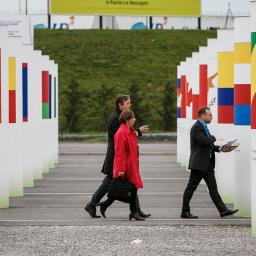 |
by Marc Gunther on (#X1H4)
Can the Science Based Targets initiative push companies to do better when it comes to meeting greenhouse gas emissions targets?As the UN climate meetings in Paris come to an end this week, diplomats from around the world are under pressure to reach an agreement that would reflect the plans they presented to cut their countries’ greenhouse gas emissions. These voluntary plans include targets and starting points set by each government. The US vows to cut emissions by 26% below 2005 levels by 2025; the EU by 40% below 1990 levels by 2030; and China will starting reducing in 2030.If this sounds familiar, it should: big companies have been promising to cut their carbon output for a decade or more, setting targets and timelines of their own choosing. Continue reading...
|
 |
by Francesca Perry on (#X1E0)
From cycling infrastructure to community projects, what’s been your city’s greatest achievement this year – and what would you like to see change in 2016?
|
 |
by Interview and editing by Eric Hilaire on (#X1DK)
From rapid ice melts to calving glaciers and a snow terrain poked by dark patches, Daniel Betrá’s stunning images show how rising temperatures and global pollution are literally leaving their dark imprints on Greenland’s pristine landscape. ‘Climate change is having its biggest and most visible impact in Greenland. It is like the canary in a coal mine; what is happening there will affect us all,’ he saysPhotographs by Daniel Betrá and Catherine Eldman Gallery
|
by Guardian Staff on (#X19J)
‘Every city, every state, every province and every neighborhood’ remains responsible for its greenhouse gas emissions, says Arnold Schwarzenegger on Tuesday in France. The former California governor was in Paris to meet with French foreign minister Laurent Fabius at the Paris COP21 climate conference
by Rowena Mason, Helen Pidd, Josh Halliday and Mark T on (#X0RN)
Environment secretary Liz Truss rejects claims of environmental protection funding cuts, as thousands of homes in north-west remain without powerLiz Truss has defended the government’s spending on flood protection, as thousands of homes in Cumbria and Lancashire remain without power after devastating extreme weather.As local authorities continued their clean-up operation, the environment secretary tried to head off a political row about whether cuts to flood defence spending and poor projections about climate change were partly to blame for the scale of flooding in the north-west. Continue reading...
by Jesse Hirsch on (#X16X)
Acid whey, a byproduct of Greek yogurt production, causes environmental problems but rebranding could create a market for it among the health-consciousDairy lovers around the world were introduced to an alarming fact a few years ago. Greek yoghurt, a $2bn-a-year industry, had a dark side. Some headlines even declared it was “destroying our planetâ€.Related: Move over meat: how the UK can diversify its protein consumption Continue reading...
 |
by Fiona Harvey, Paris on (#X151)
Former president of Mexico says the interests of developing countries are often starkly divergentDeveloping countries should not be treated as a single bloc at the climate change talks in Paris, as their interests are often starkly divergent, the former president of Mexico has said.Felipe Calderón was Mexico’s leader at the Cancún climate talks in 2010, which enshrined under the UN process commitments made a year earlier at the chaotic summit in Copenhagen. He is now the chairman of a global commission on the New Climate Economy. Continue reading...
|
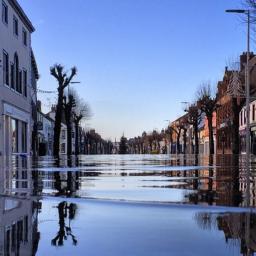 |
by James Walsh and Guardian readers on (#X148)
Flooding, blackouts and checking on the neighbours: our readers on how they’ve been coping with the after-effects of Storm Desmond
|
 |
by Rebecca Solnit on (#X14A)
We can make peace, with our energy sources, the planet and with each other if we end our addiction to oilGreed for petroleum has produced plenty of war. War can be defined narrowly, as conflict between nations, or broadly, as large-scale violence in pursuit of gain. This is why so many see the climate movement as a peace movement – especially after the recent massacres in Paris.In the fossil-fuel era, some oil corporations became powers equal to states, and some states became petroleum corporations in drag, and both were eager to fight horrific wars over resource control. The abuse of power and the destruction go all the way back to the early history of the petroleum industry in particular (though coal and natural gas extraction and industries have plenty of ugly achievements of their own). Continue reading...
|
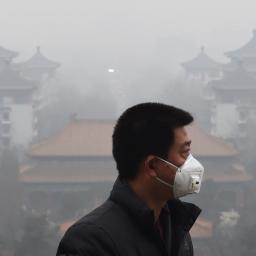 |
by Tom Phillips in Beijing on (#X124)
Children kept at home, building sites and factories closed and cars kept off roads as pollution engulfs Chinese capital“Create a paradise,†urges the motto of Beijing’s Baijiazhuang primary school – a message stamped on to its front gate in bright red calligraphy.
|
 |
by John Vidal on (#X11T)
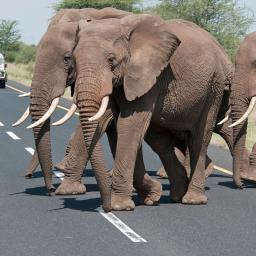
Road and rail corridors threaten to wreck pristine wilderness as they open up land for mining with little guarantee of agricultural benefits, scientists warnMany new road and rail ‘‘development corridors’’ planned to crisscross Africa in the name of economic development could destroy the continent’s equatorial forests and savannahs, lead to many people invading protected areas and have only limited chances of increasing agricultural production, say scientists in a new study.Related: Climate talks: rich countries should pay to keep tropical forest trees standing | Nancy Birdsall and Pedro Pablo Kuczynski Continue reading...
|
 |
by Annie Gowen for the Washington Post on (#X10N)
Indian capital devises controversial measures in bid to to tackle world’s worst air qualityThe Delhi government has announced a plan to curb its choking pollution levels, among the worst in the world, by limiting drivers to alternative days beginning next month.From 1 January, residents in India’s capital city, which had been suffocating under a blanket of smog in recent days, will only be able to drive on alternate days based on their licence plate number; odd numbers on one day, even on the other. Continue reading...
|
 |
by Agence France-Presse on (#X10C)
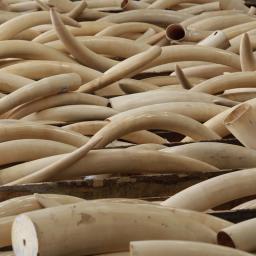
Conservation charities hopeful of reduction in elephant poaching in Africa as value of illegal ivory halvesIllegal ivory value has halved in China according to new research, leading to hopes that the demand which drives poaching in Africa might be on the wane.Kenya-based conservation organisation Save the Elephants said on Monday that the price of illegal raw ivory in China had fallen to $1,100 (£734) per kg, down from a record high last year of $2,100. Continue reading...
|
 |
by Edward Robinson on (#X0ZB)
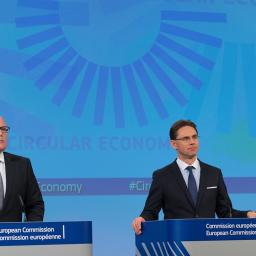
If disagreement between the European parliament and commission is significant enough, the circular economy package could face serious changes
|
by Guardian Staff on (#X0ZP)
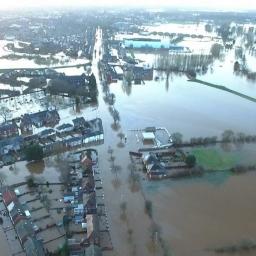
Drone footage over Carlisle shows the damage left behind by Storm Desmond. A clear-up operation is under way, with power being restored to hundreds of homes as the flood waters recede faster than expected. The drone footage – from Helipromo, shot on Monday afternoon – shows areas of the city still under water
 |
by Steven Morris on (#X0WX)
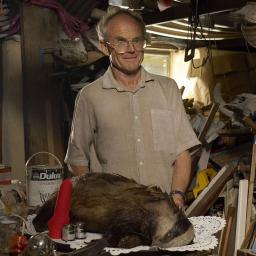
Arthur Boyt, who has been eating dead roadside animals since age 13, says flesh of dolphin he found washed up on beach is ‘quite tough’A Cornish man famous for eating badgers and other roadkill has added an even more unusual item to his Christmas larder – a dolphin he found washed up on to a beach.Arthur Boyt, 76, has spent years feasting on dead animals he has salvaged from roads including weasels, hedgehogs, squirrels and otters. Continue reading...
|
by Dana Nuccitelli on (#X0WZ)
Even climate contrarians don’t bet against global warming, probably because they know it’s a bet they would lose
 |
by AFP in Le Bourget on (#X0S9)
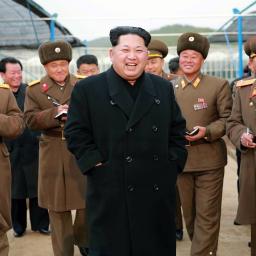
Kim Jong-un will turn all the mountains into golden forests, foreign minister tells climate summit in ParisNorth Korean leader Kim Jong-un has launched a war on deforestation, the country’s foreign minister said at the Paris climate talks, pledging to “actively engage†in global environment efforts.The reclusive country is among the 195 nations gathered in the French capital to craft a deal aimed at curbing the greenhouse gas emissions that are pushing climate change. Continue reading...
|
 |
by Karl Mathiesen on (#X0EX)
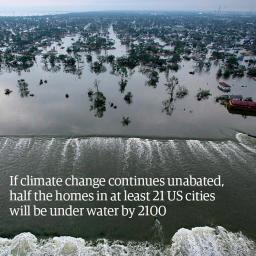
To mark cities day at the UN Climate Conference in Paris, here’s why urbanisation should be at the heart of any conversation about the planet’s future
|
 |
by Guardian Staff on (#X0QX)
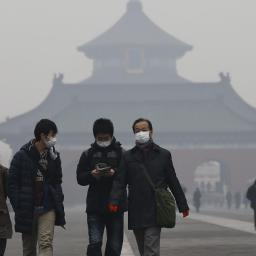
Vehicles are ordered off the roads and schools and factories closed after polluting smog triggered Beijing’s first red alert. A red alert means businesses are urged to implement flexible working hours and all large-scale outdoor activities are cancelled. Greenpeace says the Chinese government should consider a cap on coal consumption, warning that a red alert is only a short-term measure. Photograph: EPA/Rolex Dela Pena
|
 |
by Rob Yarham on (#X0RP)
Hardham, West Sussex The walls are covered with figures – some very faint, some clear – like a faded Bayeux tapestryA dunnock is singing from the scaffolding on the bell tower of St Botolph’s, the small square Saxon church. I walk inside, out of the wind and rain, and open the heavy inner door.Automated lights illuminate the walls, which glow with faded red and brown paintings. The walls are covered with figures – some very faint, some clear, part-Saxon, part-Norman in style – like a large, faded Bayeux tapestry. The closer you look, the more the figures come to life. Saint George rides in gallantly on horseback, levelling his lance. Adam and Eve are tempted by a wyvern serpent. An ox and an ass watch over a child in a cradle. Continue reading...
|
 |
by Arthur Neslen Brussels on (#X0N0)
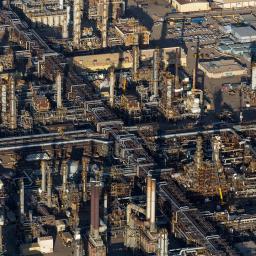
US crude exports to Europe increase by 73% in less than a year, sparking fears that ‘flood gates’ may be being opened to tar sandsA surge in US exports of crude oil to Europe this year has been heralded as the beginning of an alarming rise in highly polluting tar sands imports by environmentalists.Strict laws prevent the US from exporting its own crude to Europe but it has been re-exporting Canadian crude to EU countries such as Italy, Spain and the Netherlands, since April 2014. Continue reading...
|
 |
by Lenore Taylor Political editor on (#X0N4)
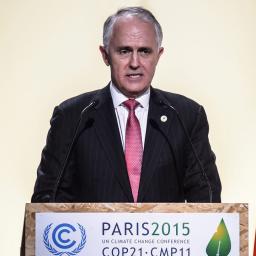
2016 Climate Change Performance Index released at Paris climate summit, day after Julie Bishop said Australia was meeting and beating its climate targetsAustralia has come third last in an annual assessment of 58 nations’ climate policies, with only Saudi Arabia and Kazakhstan ranking worse.The assessment by Germanwatch and Climate Action Network Europe was released at the Paris climate summit, just one day after foreign minister Julie Bishop told the assembled ministers Australia was meeting and beating its climate targets and transforming its energy production. Continue reading...
|
 |
by Jeremy Hance on (#X0HG)
In the face of mass extinction, a new report by the World Association of Zoos and Aquariums (WAZA) argues that every zoo should devote at least 3% of their budgets to conservation work.What do the golden lion tamarin, Przewalski’s horse, the Puerto Rican parrot and the kihansi spray toad all have in common? Well, for one thing they’ve all been on the very brink of extinction; for another, they very likely wouldn’t survive today if not for the work of zoos. Over the past century, zoos have played a crucial role in saving dozens, maybe hundreds, of species from extinction. Most often this work has stemmed from breeding captive animals inside zoo walls, but today more and more zoos are funding conservation in the field or even starting their own programmes. Now a new report by the World Association of Zoos and Aquariums (WAZA) has called on these institutions to raise their ambitions by spending at least 3% of their operational budgets on conservation.
|
by Guardian Staff on (#X05S)
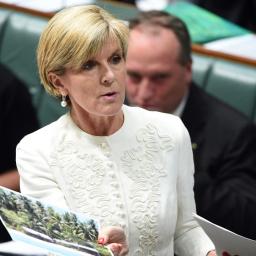
The foreign minister and deputy leader of the Liberal party, Julie Bishop, responds to criticism over her comments about the effects of climate change on the Marshall Islands. Bishop stood up in parliament last week to mock her opposition counterpart, Tanya Plibersek, for suggesting an island in the region was underwater due to rising sea levels. It was later revealed that Plibersek had identified the wrong island as being overrun by the sea, a mistake Bishop called a “shocking blunder†Continue reading...
by Our own Reporter on (#X055)
8 December 1960: A trip to the Amazon, not the local pet shop, for one exotic bird ownerProbably the river Amazon is the last remaining region of the earth where the traveller can really feel that the twentieth century may be only an unpleasant dream.
 |
by Guardian Staff on (#X00T)
Deputy Liberal leader Julie Bishop ridicules her Labor counterpart, Tanya Plibersek, in parliament last week for claiming the island of Eneko has ‘disappeared’ due to rising sea levels when in fact it was a ‘beautiful and accessible beach getaway’. It was later revealed the island Plibersek had been referring to was actually Anebok, which had been submerged, but had been misnamed as Eneko in an ABC radio transcript rereissued by Plibersek. Bishop subsequently blamed the opposition leader for the confusion, saying she is not Plibersek’s ‘subeditor’ Continue reading...
|
 |
by Words and pictures by Saila Huusko on Saibai Islan on (#X007)
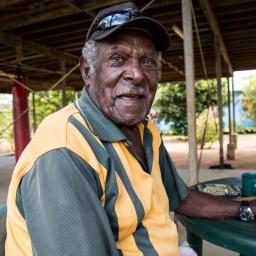
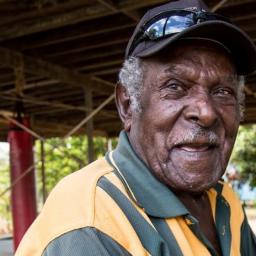
Rising sea levels, coastal erosion, extreme weather and destructive king tides have put the low-lying archipelago on the front line of climate change. As Australia negotiates with other countries at the Paris talks, some of its own people need practical help now, before it’s too lateMebai Warusam sits under his stilt-supported house, facing the Pacific Ocean’s turquoise waters lapping 50 metres from his front gate. At 91, born and raised on the island of Saibai in the Torres Strait, he is an elder visitors and locals turn to for knowledge.A few years ago, he says, researchers from down south travelled to Saibai. “They said, ‘If water comes right through this island, what you will do?’ I said, ‘I will never move from this island.’†“I will jump on my boat, tie that rope on a wongai tree. I will live here; I will die here.†Continue reading...
|
 |
by Saila Huusko in the Torres Strait on (#WZZX)
Inhabitants of the island of Saibai in Australia’s Torres Strait reflect on how climate change is causing rising sea levels, coastal erosion, extreme weather and destructive king tides. In the first of three films, Mebai Warusam, a 91-year-old elder of the island, says he would rather die than leave his home if the planned seawall which is due to be built doesn’t succeed in halting the encroaching ocean Continue reading...
|
by Annie Kane on (#WZPA)
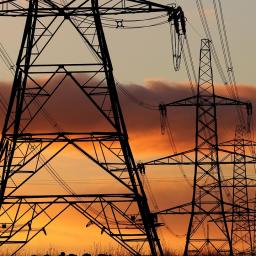
A brewery, a bowling club and a library join forces with a new type of energy supplier to save money and become more sustainableWhat do Sydney’s Young Henrys brewery, Shoalhaven Heads’ Bowling and Recreation Club, and Bendigo library have in common? They’re all hosts to some of Australia’s first solar power projects funded and run by local people in community energy groups.Projects like these are becoming increasingly popular in Australia. The Coalition for Community Energy (C4CE) 2015 national community energy strategy states that there were 19 community energy groups operating in early 2015, with a further 59 projects in development. Continue reading...
 |
by Rob Davies on (#WZJM)
Thinktank criticises subsidy cuts for clean renewable energy while state aids profits for ‘dirtiest form of energy generation available’Owners of heavily polluting diesel generators stand to make “sky-high†profits under a government energy regime that has slashed subsidies for wind and solar, a report warns.The annual capacity market auction – under which power suppliers bid for contracts to feed electricity into the grid – is due to begin on Tuesday. Calculations by the Institute for Public Policy Research (IPPR) suggest “diesel farm†owners can expect to make millions if they succeed with bids to supply 1.5 gigawatts. Continue reading...
|
 |
by Guardian Staff on (#WZJ5)
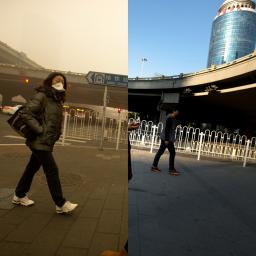
With pollution reaching 40 times the safe level, China’s capital has issued its first red warning, closing down schools and factories until Thursday. These images show Beijing under a layer of smog – and what it looked like on a clear day Continue reading...
|
 |
by Fiona Harvey in Paris on (#WZ40)
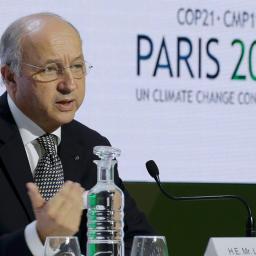
Ministers from countries including the UK appointed to head special working groups to produce a revised draft text of a possible agreement on WednesdayThe French hosts of the Paris climate change conference are moving “at breakneck speed†to reach a deal by the end of this week, incorporating targets on global emissions and financial help for developing countries.Ministers from countries including the UK have been appointed to head special working groups with the aim of producing a revised draft text of a possible agreement on Wednesday. Continue reading...
|
 |
by John Crace on (#WZ0W)
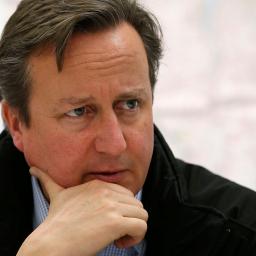
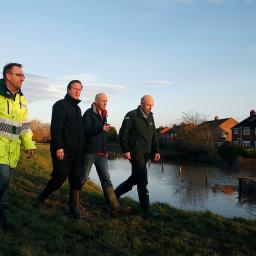
The prime minister floats off to Cumbria, observing the fruits of his ‘money no object’ flood defence promises from nearly two years agoAlways check the small print. When the Environment Agency described the 2005 floods as “the worst in a lifetimeâ€, the government would have done well to make sure just whose lifetime it was referring to: a human or a ferret. These things, like ferrets when they are alive, come back to bite you.It was sod’s law that on the very day the prime minister had summoned the media to a school in Burton upon Trent to boast about how well his government was delivering on its responsibilities, he was forced into a reverse-ferret over flood defences. “We set out in the autumn statement a historic six-year funding deal with record sums going into flood defences,†he said gamely, as if the mere fact that he had planned to spend all this money should have been enough to stop the flood waters rising. Continue reading...
|
 |
by Andrew Sparrow Matthew Weaver and Ben Quinn on (#WWSW)
|
by Editorial on (#WYXW)
If the government is serious about infrastructure, then flood defences should be a greater priority than HS2 or another airport runwayWinter freeze-ups and phew-what-a-scorcher summers may traditionally have made more dramatic headlines for newspapers, but in Britain the real threat from climate change today comes from flooding. The rains that hit north-west England and southern Scotland over the weekend were certainly exceptional. A record 341.4mm of rain fell at Honister in the Lake District. And the storms had devastating consequences. One man has died, 3,500 homes have been flooded, more than 2,000 of them in Carlisle, while road, rail and power links have all been cut. Yet this year’s floods were hardly unusual.Related: Storm Desmond: Cameron promises to review flood defence plans – live Continue reading...
by Helen Pidd North of England editor, Josh HallidayR on (#WYXX)
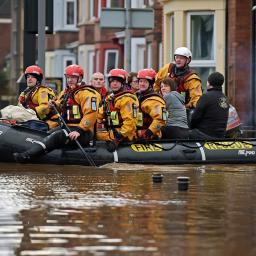
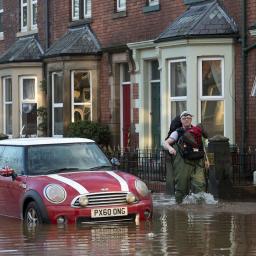
A man in his 70s reportedly died in Cumbrian village of Staveley as thousands of homes are flooded following record levels of rainfallOne person has been found dead and 45,000 properties are without electricity following the flooding that has hit north-west England.Police said that a body had been found in the water in the river Kent near Kendal after Storm Desmond hit Cumbria. The environment minister, Liz Truss, told MPs that there had been a number of fatalities. Continue reading...
 |
by Letters on (#WYVA)
David Cameron claims “The government is doing everything it can to help those who have seen their homes flooded – and to try and prevent further damage†(my italics). To quote a Guardian report of 28 October: “Projects at risk from the cuts include community solar and hydro projects in Cumbria, which will lead to the county losing at least £750,000 in investment.†Will the government now reverse the cuts it so foolishly made to subsidies and incentives for alternative energy?
|
 |
by Josh Halliday on (#WYTT)
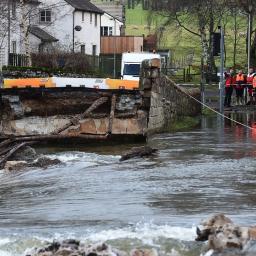
Defences are built to withstand ‘certain magnitude’ of water, but experts want new measures put in placeFlood defences such as those used in Cumbria were built to withstand flooding “of a certain magnitudeâ€, according to the Environment Agency – but they can be overcome in extreme storms or if they have been poorly maintained.
|
 |
by Patrick Wintour Political editor on (#WYSG)
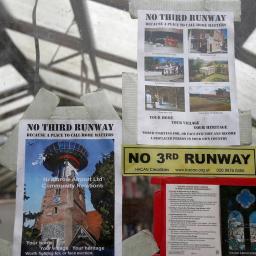
Labour accuses Tories of dithering to spare mayoral candidate Zac Goldsmith embarrassment, while business leaders say holdup thereatens exportsDavid Cameron has been accused of letting down British exporters and ducking and diving for political convenience by planning to delay a final decision on whether to press ahead with the expansion of Heathrow airport.
|
by Guardian Staff on (#WYQX)
In the wake of Storm Desmond, Labour’s Kerry McCarthy, who says she has spoken to MPs in flood-stricken areas of northern England, highlights a £115m fall in spending on risk management and flood defences this year. She also accused the government of climate change scepticism. Liz Truss, the environment secretary, defended the government’s current level of spendingPhotograph: Paul Ellis/AFP/Getty Continue reading...
 |
by George Monbiot on (#WYNB)
Storm Desmond’s floods expose the utter madness of government policies, both in the hills and at the Paris talksIt’s as if it had come to remind us of what’s at stake. While the climate negotiations in Paris trudge their dreary road, Storm Desmond takes a great boot to our backsides. Yet still we fail to make the connection. The news records the spectacle and ignores the implications.Flooding on this scale used to be described as a “once in 100 yearsâ€, or 200 years event. But in Cumbria, where some 30cm of rain fell in 24 hours, this is the third such catastrophe since 2005. Exceptional events are, perhaps, no longer exceptional. Continue reading...
|
 |
by Adil Najam on (#WYJ9)
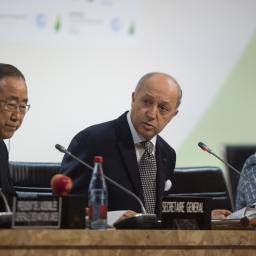
The summit looks set to clinch a most welcome global accord, but here’s a guide to whether it will be meaningfulMinisters are back in Paris for the final stretch of COP 21 negotiations. A draft is in hand, peppered with the brackets that indicate areas of disagreement. France’s foreign minister, Laurent Fabius, is busy constructing coalitions. The process of paring down the brackets has begun in earnest.Related: I’ve seen 21 years of COP failures. Paris needs to deliver action, not talk | Adil Najam Continue reading...
|
by Helen Pidd North of England editor and Josh Hallid on (#WYEV)
Some residents have lost everything as flood defences bolstered after previous disasters fail to stop latest inundationTwo days after the river Derwent breached flood defences the residents of Derwentside Gardens in Cockermouth were finally allowed back into their homes on Monday.The floodwaters had receded, leaving a dirty layer of mud and silt across lovingly laid oak floors, carpets and rugs. With no electricity or running water, few planned to stay long. The fire service would not let them drive their cars on to the estate so they salvaged what they could carry on foot: sentimental paintings, favourite vases, medication, Christmas presents they had managed to move from under the tree up on to kitchen work surfaces when the evacuation warning came on Saturday teatime. Continue reading...
 |
by Rowena Mason Political correspondent on (#WYGG)
Environment secretary promises to review investment in flood defences in light of deluge in Cumbria and LancashireMinisters have been accused of failing flood-stricken communities in the north-west of England, after Labour highlighted a £115m fall in spending on risk management and defences this year.Liz Truss, the environment secretary, defended the current level of spending as she was repeatedly pressed by MPs in the Commons about the impact of budget cuts. But she promised to review the “way we invest in flood defences†in light of the latest floods to hit Cumbria and Lancashire. Continue reading...
|
 |
by Suzanne Goldenberg and John Vidal on (#WYFT)
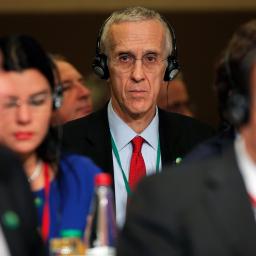
US, China, Canada and EU among big carbon emitters at UN summit supporting 1.5C target to protect most vulnerable countries such as small island statesThe world’s biggest climate polluters rallied around a stronger target for limiting warming on Monday, saying they were open to the 1.5C goal endorsed by the most vulnerable countries.In the final push to a climate agreement, the US, Canada, China and the European Union declared they were now on board with demands from African countries to adopt an even more ambitious goal to limit warming.
|
 |
by Patrick Barkham on (#WYD0)
The i-Tree study could transform our cities by confirming the vital status of trees as green infrastructureI strolled through a wood last week and didn’t even realise it. According to a UN definition, London can be classified as a forest, its 8.4 million trees – almost one for every person – adorning and detoxifying this great city. I was on my way to a wood-panelled room in the House of Lords for the launch of a study calculating the value of London’s trees using open-source software developed in America.The i-Tree study, undertaken by volunteers, charities and government agencies including the Forestry Commission and Natural England, shines vivid light into the urban jungle. London may be renowned for the handsome plane trees that dominate its centre, but the capital’s most common tree is actually the sycamore, followed by English oak and silver birch. Continue reading...
|
 |
by John Vidal in Paris on (#WY5M)
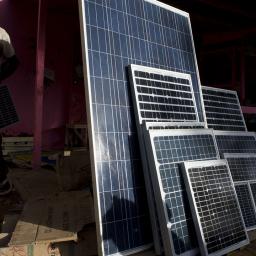
Regional leaders get behind initiative to accelerate solar, hydro, wind and geothermal energy production, to reduce reliance on coal and cut emissionsAn Africa-wide mega-scale initiative backed by all African heads of state should see the continent greatly increase its renewable energy over the next 15 years.The African Renewable Energy Initiative (Arei) plans to develop at least 10 GW of new renewable energy generation capacity by 2020, and at least 300 GW by 2030, potentially making the continent the cleanest in the world. Continue reading...
|
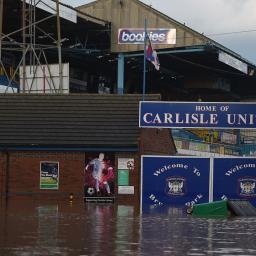 |
by Guardian sport on (#WXXT)
• League Two side are due to face Notts County on 19 December
|