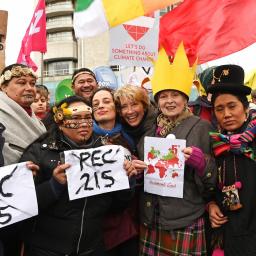
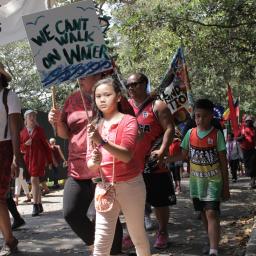
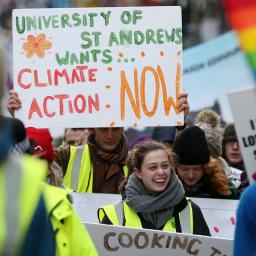
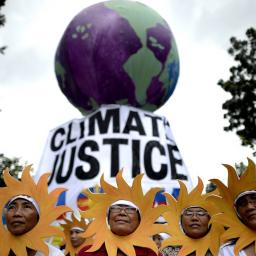
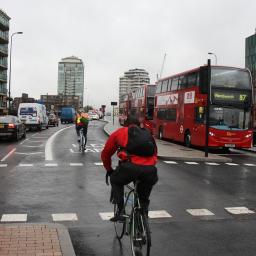
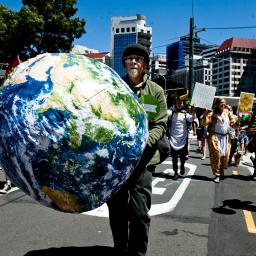
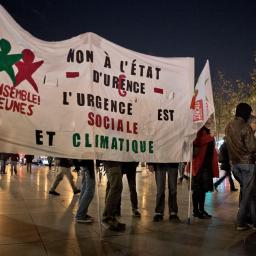
Tens of thousands of environmental campaigners march through central London on Sunday on the eve of the Paris climate change talks. Jeremy Corbyn, Labour leader, praises those who braved the cold to turn out at the march. Organisers said the London event attracted even more people once it had been announced that the Paris demonstration would be cancelled
On the eve of the opening of the UN climate change conference in Paris, campaigners around the world from Melbourne to London are marching to demand action
Actor Emma Thompson discusses why protecting the Arctic is so important for the planet and the human race. Thompson speaks to ITV news reporter Richard Pallot as she takes part in a demonstration outside Shell’s London headquarters on Sunday, ahead of the Paris global climate change talks on Monday
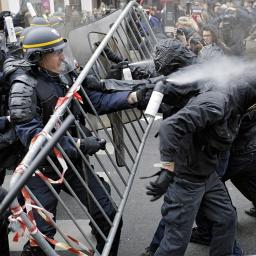
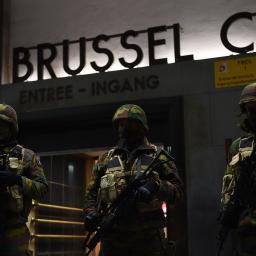
Hundreds of protesters demonstrate near the Place de la Republique in Paris on Sunday despite a ban imposed by the French authorities. Activists clash with riot police who use teargas to try and disperse the crowds. The march, planned for Sunday to coincide with the global climate change talks in the city on Monday, had been cancelled for security reasons in the wake of recent terror attacks in the French capital Continue reading...
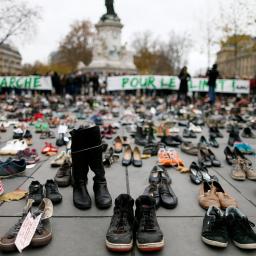
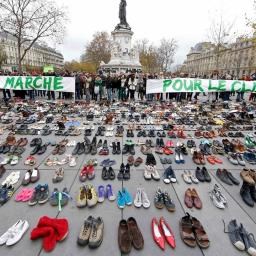
Over 10,000 pairs of shoes on the Place de la Republique replace marchers who were set to take part in a climate cancelled protest as activists take to the streets around the globe. The Paris march was expected to bring 200,000 people onto the city’s streets but was forbidden by French authorities in light of security concerns. Elsewhere, thousands marched in Hong Kong, Seoul and Sydney ahead of the Paris climate summit on Monday Continue reading...
Perhaps privately developed technologies could do their bit insteadSeven years after his landmark 2006 report on the costs of ignoring climate change, Lord Stern confessed that he’d been wrong , and had underestimated the size of the task.“The planet and the atmosphere seem to be absorbing less carbon than we expected,†he said in 2013, “and emissions are rising pretty strongly. Some of the effects are coming through more quickly than we thought.†Continue reading...
Climate scientist says the world has come a long way since the failed Copenhagen climate conference and now accepts the urgency of tackling rising temperaturesThe world has “come late†to realising the potential devastation of climate change, Prof Tim Flannery says, but the former Australian of the Year believes there is now a global understanding of the need to cut emissions “hard and fast†to avoid calamitous global warming.Flannery, also formerly the chairman of the Copenhagen Climate Council, said world leaders were more committed now to thrashing out a binding global climate agreement than they were at the Copenhagen climate summit five years ago. Continue reading...
Tens of thousands of Sydney protesters call for a focus on the cost of climate change to Pacific Islands, while an unusually high turnout marches in CanberraClimate change rallies rolled on across Australia on Sunday, following well attended protests in Melbourne on Friday and Darwin and Brisbane on Saturday.Related: Global climate march 2015: tens of thousands march in Australia and Asia – live #climatemarch Continue reading...
Conservationists fear Hong Kong’s unique dolphins are at risk of disappearing due to loss of habitat and pollution from two major construction projectsConservationists have warned that projects to expand Hong Kong’s airport and build a new bridge to Macau could result in the loss of the city’s beloved “pink†dolphins.Dolphin numbers have declined sharply in Hong Kong harbour over the past few decades, and campaigners fear that the large-scale construction work will drive the mammals away for good. Continue reading...
Prime minister derides Labor’s pledge to cut 2005 carbon emissions by 45% by 2030 as unrealistic and ‘a political rather than an environmental statement’Related: Bill Shorten lays out bold climate aims as Malcolm Turnbull heads to ParisLabor’s target on climate change is “heroic†and aimed at making a political point rather than helping the environment, the prime minister, Malcolm Turnbull, said. Continue reading...
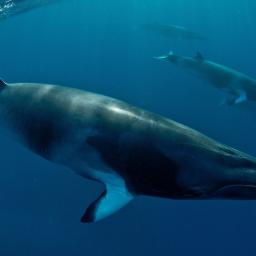
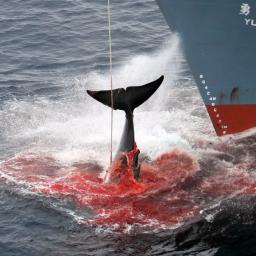
Officials maintain a third of previous numbers will be caught and insist plan is scientifically soundJapan is set to resume whaling early next year, after a break of more than 12 months, in defiance of an international court of justice ruling that it cease the practice.The Japanese government says it has taken into account the court ruling and its “scientific†whaling programme will catch only a third of the minke whales it caught under its previous programme – 333 instead of 1,000 – which it halted in March last year. Continue reading...
Governments must commit themselves to greater R&D or their vows on climate change will just be hot airThe most obvious response to climate change should be to transform the way the world generates energy. Living standards have risen 40 times over the last 250 years in the west, driven neither by the small state beloved of conservatives nor the large state favoured by socialists.Rather, the growth has resulted from a complicated interaction between capitalism and science and technology, of necessity publicly funded, creating wave after wave of transformations in the character of our economic base and the quality and quantity of what it produces. Continue reading...
Mark Butler says Coalition government wasting money on windfarm ‘conspiracy theories’ after Andrew Dyer’s salary revelationThe government is wasting more than $600,000 on windfarm “conspiracy theoriesâ€, Labor said, after a report revealed the salary of the newly appointed wind commissioner, Andrew Dyer.Related: Windfarm commissioner appointed with strong credentials in renewables Continue reading...
Environment minister says Tokyo cannot ‘unilaterally decide’ to ignore scientific advice and international court of justice ruling to hunt and kill 333 minke whalesJapan cannot unilaterally decide to start whaling in Antarctica again against the advice of scientists, says the environment minister, Greg Hunt.
Ending support for carbon-capture technology is ‘betrayal’ says expert Stuart HaszeldineBritain will enter the Paris climate change talks this week with its credentials as a responsible, low-emission power generator in tatters. That is the stark conclusion of one of the country’s leading energy experts, Professor Stuart Haszeldine of Edinburgh University.Haszeldine believes George Osborne’s last-minute decision to axe the government’s £1bn support for a scheme to capture and bury carbon dioxide emissions from power stations was a final act that utterly undermined British negotiators’ status in Paris. Continue reading...
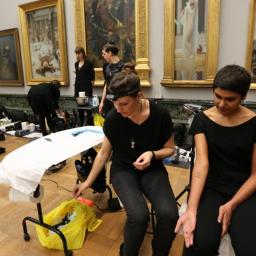
Thirty-five protesters occupy 1840s room at London gallery two days before UN climate change talks open in ParisClimate change activists have occupied part of Tate Britain, where they have started to tattoo each other in protest at BP’s sponsorship of the gallery.Tate has closed the 1840s gallery where 35 activists have set themselves up and started to tattoo each other with the numbers of the CO concentrations in the atmosphere in the year they were born. They estimate it will take all day to complete the tattoos. Continue reading...
The shooting down of a Russian fighter jet by Turkey, Europe’s refugee crisis, the reaction to a video of the fatal shooting of Laquan McDonald in Chicago – the best photography in news, culture and sport from around the world this week Continue reading...
by Suzanne Goldenberg in Firebaugh, California on (#W0KC)
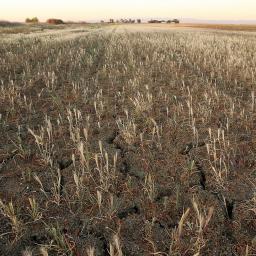
As people dig ever deeper to find water, nearly 1,200 square miles of California is sinking 2 inches a month – destroying roads, bridges and farmland in the processOn a day when the skies were ashen from the smoke of distant wildfires, Chase Hurley kept his eyes trained on the slower-moving disaster at ground level: collapsing levees, buckling irrigation canals, water rising up over bridges and sloshing over roads.
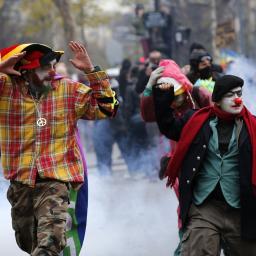
Face paint, stunts and gas masks: a visual guide to climate marches as thousands prepare to take to the streets in cities around the world this weekend
The UK and US are reviewing their dietary guidelines – this is an opportunity to tackle climate change via people’s platesThe food writer Michael Pollan summed up how to eat healthily: “Eat food. Not too much. Mostly plants.â€It is unlikely that when the British and American governments issue new dietary guidelines the advice will be quite so succinct, or sensible. Continue reading...
by Fiona Harvey and Kim Willsher in Paris on (#W02B)
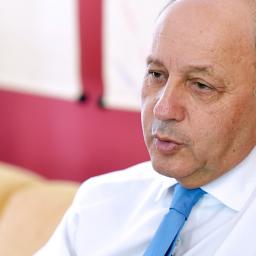
France steps up diplomatic efforts to get consensus on a global deal six days before official talks concludeNegotiators at key UN climate talks in Paris that open next week are being told by the French government they must iron out their main differences six days before the end of the talks, according to the foreign minister, Laurent Fabius.Related: The Central Valley is sinking: drought forces farmers to ponder the abyss Continue reading...
Heat proves no obstacle to the reported 15,000 demonstrators in Auckland, or the 5,000 in Brisbane, following a 40,0000-strong Melbourne event on FridayAn estimated 5,000 people have marched in Brisbane and more were planning to march in Darwin on Saturday, following Friday’s 40,000-strong rally in Melbourne.The People’s Climate March – a worldwide event – took place on Saturday, and organisers said thousands took part in 35 New Zealand centres – the smallest being on Raoul Island, where the island’s entire population of seven turned out. Continue reading...
Discover the story of the British elm, check your gutters and plant a medlarCould you spot an English elm at 40 paces? Me neither. But here’s a chance to learn about this iconic tree: an installation at Somerset House in London marks National Tree Week. The free exhibition tells the story of the elm, from its role as the raw material that helped bring piped water to the capital, to its sad decline in the 1970s in the wake of Dutch elm disease. Continue reading...
Tarbat Ness, Highlands I thought of their long journey from the north. Their bugle calls, reputed to be among the most far-carrying of any birds, would have kept families together by day and night, whatever the weatherThe bevy of whooper swans were resting on a stubble field at the end of this peninsula. The red and white banded lighthouse at the point seemed to brood over the scene. Beyond lay the vastness of the open sea and as I scanned the swans I knew that for me these whooper swans epitomise all that is the wildness of the Highlands.Almost certainly the swans I could see in the field had come south from their breeding grounds in Iceland, where I have in the past been fortunate to see their huge nests, conspicuous on raised ground in the vast glacial outwash plains. In Japan the whooper swan is known as the “Angel of Winterâ€, and they can overwinter on the remotest of large lochs in the open landscape. They have played an important part in mythology, legends and symbolism and have inspired many writers, poets and composers. The legend that they sing only once, just before they die, goes back to the Roman times. Continue reading...
Australian PM urges his fellow leaders to sign up to a climate change statement and agrees to contribute $1m to help poorer nations respond to its effectsAustralia’s prime minister, Malcolm Turnbull, has encouraged other Commonwealth leaders to send a powerful signal to other nations that strong climate change action is needed.Related: Australia must help Pacific islands at Paris climate summit, says PNG leader Continue reading...
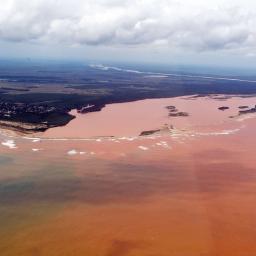
The collapse of a wastewater dam at an iron-ore mine left more than 13 dead and has triggered am environmental crisis in the River Doce basinBrazil’s government has announced it will sue mining giants BHP Billiton and Vale for $US5.2bn after the deadly collapse of a dam at an iron ore mine sent 60 million cubic meters of mud and mine waste cascading into the Atlantic ocean and left more than 13 people dead.Environment minister Izabella Teixeira said a lawsuit would be filed demanding that the companies and the mine operator Samarco, which they co-own, create a fund of 20 billion reais to pay for environmental recovery and compensation for victims. Continue reading...
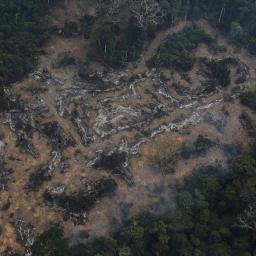
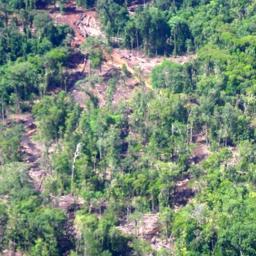
Report showing 16% increase in tree destruction underscores climate threat and is a disappointing result for government efforts to combat deforestationTrees covering an area more than seven times the territory of New York City have been cleared in the Brazilian Amazon over the past year, in a major setback for government efforts to combat deforestation.Related: Half of tree species in the Amazon at risk of extinction, say scientists Continue reading...
Statoil doesn’t debate climate science, it acts on it. The Paris talks must find radical solutions – and our optimism can be the fuel for changeHumankind’s ability to manage climate change is being tested. The Paris climate talks will conclude two weeks from today. Can we get it right this time?There is no shortage of pessimists. Mark Carney recently spoke of climate change as the “tragedy of the horizonâ€. Humans have an enormous capacity for failing to do what we know in our hearts we need to. As Ibsen’s Peer Gynt said: “To think it, wish it, even want it – but do it! No, that I cannot understand.†Continue reading...
French police arrest activists for flouting ban on organising protests during climate talks next weekAt least 24 climate activists have been put under house arrest by French police, accused of flouting a ban on organising protests during next week’s Paris climate summit, the Guardian has learned.One legal adviser to the activists said many officers raided his Paris apartment and occupied three floors and a staircase in his block.
Los escapes de metano y de otros gases tóxicos están contaminando el aire, lo que supone graves riesgos para la salud de las comunidades locales cuyo sustento depende del petróleo y del gas en el Estado del auge del gas de esquisto
Vi siktar mot att bli ett av världens första fossilfria välfärdsländer som visar att det inte bara är nödvändigt att leva utan fossila bränslen, utan att det också är efterfrågat
A playful scuffle of polar bears, crows feasting on fruit trees and mountain gorillas in the wild are among this week’s pick of images from the natural world Continue reading...
Vivienne Westwood, Emma Thompson and Charlotte Church, alongside activists, politicians, teachers and businessmen, tell us why they will be joining thousands in cities around the world calling for action on climate change
Tackling climate change means drastically transforming our economies. Our political leaders, not business, are best placed to do thatAs the UN’s climate talks in Paris begin, the lobbying and public relations push from some of the biggest corporations responsible for climate change has gone into overdrive. What are the messages they’re so keen to spread, and what will they mean for the COP21 conference – and for the climate?A recent report from the NGO Corporate Europe Observatory reveals that what’s on offer at COP21 is nothing short of a climate catastrophe, a guaranteed recipe to cook the planet. But rather than sending the dish back, political leaders have asked for seconds, bringing the very companies responsible for the problem ever closer into the UN fold.
Commonwealth Climate and Law Initiative will lay out risks to financial returns amid increasing government curbs on emissionsPrince Charles is taking part in a project to expose major polluting corporations based in Commonwealth nations to big-money legal action if they fail to accurately disclose their impact on climate change or reform their ways.Along with lawyers and academics, the heir to the throne is lending his help to an initiative designed to publicise and develop nascent laws in Britain, Australia, South Africa and Canada which investors in polluting firms could use to drag directors through the courts. Continue reading...
In area C of the Israeli-occupied West Bank, Palestinian families must brave a military firing zone in order to obtain water for their land and livestockPhotographs: Arturas Morozovas/artmor.lt Continue reading...
by Written and read by Sam Knight, produced by Simon on (#VXE3)
One of the most cutting-edge projects to tackle climate change is being pioneered in one of the most remote, undeveloped countries on earth. Does it have any hope of succeeding?
What hot holiday deals will the future offer if the effects of climate change ravage the Earth? UCB Comedy have some ideas and they don’t look very merry or bright. However, if you’re into making ‘mudmen’, decorating tree stumps and avoiding malaria, then Stuff Mart has the holiday sale for you! Continue reading...
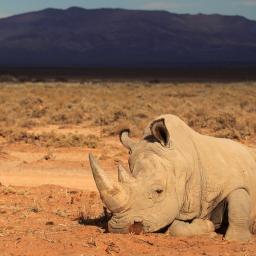
A South African court decision to lift a ban on trading rhino horn has divided conservationists. In the race against poachers a solution must be found quickly – but the wrong decision could be catastrophicTime is fast running out for the rhinoceros. In their final stronghold of South Africa, rampant poaching for horn threatens to wipe out the last 20,000 southern white rhinos in less than two decades.Among conservation scientists, there is deep uncertainty over how best to respond to the poaching crisis. Many express reserved support for the controversial idea of a legalised international trade in rhino horn. Continue reading...
Government accused of trying to impose fracking on communities after decision taken out of planning inspector’s handsEnvironmental campaigners have accused ministers of bypassing local democracy after the government said it would have the final say on controversial plans for fracking in Lancashire whatever the recommendation of a local planning inspector.Related: Locals can now veto windfarms: so what about fracking? | Damian Carrington Continue reading...
Timed to coincide with the COP21 UN conference in Paris, this video installation is a stark reality check for Earth’s inhabitants as sea levels rise, natural disasters proliferate and forced migration multipliesThere are more than 19.5 million refugees worldwide, cities are emitting 70% of all greenhouses gases and around 3,500 languages are currently in danger of extinction.The statistics around the climate change debate may make for increasingly stark reading, but they suffer from one major drawback: that we, as humans, find it difficult to relate to data – no matter how shocking the numbers. Continue reading...
Despite rhetoric about protecting our planet for future generations, children and human rights have been largely absent from COP21 negotiationsMillions of lives are being turned upside down by life-threatening extreme weather. Communities are no stranger to the disastrous impacts of climate change, but this year’s El Niño is wreaking havoc. Although the warming of the Pacific Ocean is a natural phenomenon, climate change is increasing in the intensity and destructiveness it unleashes in the form of floods, droughts and typhoons. Unicef has warned that an estimated 11 million children are at risk from hunger, disease and lack of water (pdf) in eastern and southern Africa alone, and many more face record-smashing droughts and floods across swathes of Latin America, Asia and the Pacific.Children, particularly the most destitute, are disproportionately vulnerable to climate change. Climate-related disasters and changing weather patterns increase the risk of malnutrition, vector-borne diseases such as malaria, and water and food-borne diarrhoea – all major killers of children who, according to the World Health Organisation, suffer a much greater burden of these climate-related diseases than adults. Continue reading...
Increasing numbers of people are predicted to migrate as a result of rising sea levels and extreme weather events. We must treat them as victims not threatsWe are all entering uncharted waters as the effects of climate change begin to create categories of migrants that have no precedent: migrants rendered stateless after their island nations disappear; migrants constituting a vast, roaming “environmental refugee†population; migrants fleeing climate-intensified wars and violence like that in Syria and Central America.
In order to avoid climate calamity, global temperatures must not rise by more than 2C. Here’s how you can do your bitOn Monday, one of the biggest meetings in the world will begin in Paris. COP21, or the 21st conference of the parties, is the UN’s most significant summit on climate change since the 2009 meeting in Copenhagen, bringing together political leaders and delegates from just about every country in the world. Their mission is to negotiate a new deal on cutting greenhouse gas emissions after 2020 – a deal on which the earth’s future may depend.Related: World set to use more energy for cooling than heating Continue reading...
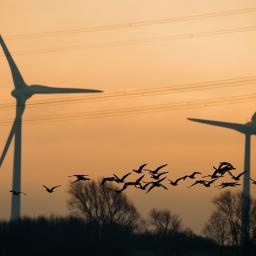
One quarter of 570 bird species studied globally have been affected negatively by climate change, says Birdlife InternationalThe world’s birds have begun flocking towards the earth’s north and south poles and upwards to higher ground as climate change begins to transform their habitats, a new report has found.One quarter of 570 bird species studied globally have been affected negatively by climate change, while 13% have responded positively, says the study by Birdlife International. Continue reading...