 |
by Maxine Perella on (#G8CN)
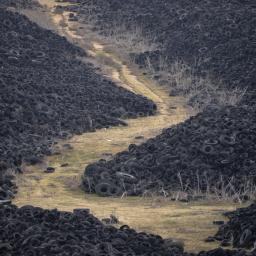
With unemployment at a 10 year high, hope is coming in the form of new jobs offered by the country’s burgeoning circular economySouth Africa’s economy is having a tough time. The country is struggling to escape the effects of the global financial crisis and mining companies – one of South Africa’s key economic sectors – are laying off workers in response to falling commodity prices. Continue reading...
|
| Link | http://feeds.theguardian.com/ |
| Feed | http://feeds.theguardian.com/theguardian/environment/rss |
| Updated | 2026-05-13 16:00 |
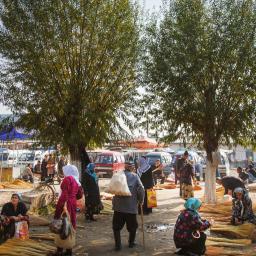 |
by David Trilling in Mailuu-Suu for EurasiaNet, part on (#G8BE)
Residents of Mailuu-Suu, one of the most polluted places on the planet, complain that officials are doing little to protect them from health hazards. EurasiaNet reports
|
by Peter Walker on (#G88E)
Did a borrowed aero bike make me faster? Did the event feel more packed than previously? And can we have the same weather every year?So, if you were among the 26,000 or so people who rode yesterday’s RideLondon-Surrey 100, how was it for you? Now in its third year, the event, beginning at the Olympic stadium in Stratford, east London, and building to a thrilling finish on the Mall, via big stretches of London and some climbs in the Surrey countryside, is famously held on roads closed to other traffic.This does cause some annual grief among locals unable to travel anywhere by car for a day, though the RideLondon organisers say such anger is abating as people get used to the event. But for a cyclist taking part, it’s a revelation. It’s London (or any big city) as it could be in your dreams: taken over by cyclists – even if they are generally of the fast-moving Lycra-clad type, rather than everyday pootlers. Continue reading...
 |
by Carey Davies on (#G86R)
Upper Eskdale, Lake District This is England’s answer to a Himalayan sanctuary, a stark citadel of rock and earth that collects the holy waters of the Scafells, Esk Pike, Bowfell and Crinkle CragsBuilt from rough-cut, closely packed igneus rock, the disintegrating dry stone wall looks like a pile of crude cannonballs glistening darkly in the rain. It has lost a lot of height, but its half-life is long; perhaps a hundred years old or more, it still looks robust enough to outlive me.For an area of about 10 square miles in the heart of the Lake District, these unattended, mostly abandoned walls are virtually the only human structures. We opt to camp on a snug bank between one of these and the river Esk, stern solidity on one side and the boundless energy of a wild river on the other. Usually I fall asleep to the susurration of traffic beyond the window; this time it is the symphonic, hypnotic sound of cold water cascading over rocks. Strange how we have reframed simple things as rare luxuries. Continue reading...
|
 |
by Mary Catherine O’Connor on (#G861)
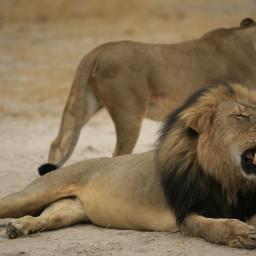
You’ve heard of Cecil’s dentist killer, but for many other lions, elephants, rhinos and tens of thousands of other exotic animals, internet marketplaces like eBay and Craigslist are the biggest threatIf you live in the continental US, have $4,850 and an internet connection, this large, full-body, mounted African lion, with a shaggy red mane, can be yours.
|
by Oliver Milman on (#G83H)
Cameron Clyne says he doesn’t think anyone has ‘grasped quite how revolutionary’ the emergence of renewable energy will beAustralia’s political leaders are “wilfully blind†to the challenge of climate change, with the country at risk from an “economically reckless†reliance upon fossil fuels, the former head of the National Australia Bank has warned.
 |
by Associated Press on (#G7YJ)
International Olympic Committee advised by WHO to expand its testing after high counts of viruses linked to human sewage discovered in Olympic watersThe International Olympic Committee said Sunday it will order testing for disease-causing viruses in the sewage-polluted waters where athletes will compete in next year’s Rio de Janeiro Games.Before, the IOC and local Olympic organisers in Rio said they would only test for bacteria in the water, as Brazil and virtually all nations only mandate such testing to determine the safety of recreational waters. Continue reading...
|
 |
by Ben Jacobs in Washington DC on (#G7TW)
Republican presidential candidate said the debate was a device used by liberals to appease ‘environmentalist billionaires and their campaign donations’Republican presidential candidate Ted Cruz has stated that he doesn’t believe in the science behind global warming. In a forum hosted by Freedom Partners on Sunday evening, a key cog in the political network of the Koch Brothers, the Texas senator stated that “the data and facts don’t support†that global warming is occurring.
|
 |
by Basil de Sélincourt on (#G7J2)
Originally published in the Manchester Guardian on 5 August 1915Oxfordshire
|
 |
by Press Association on (#G6ZP)
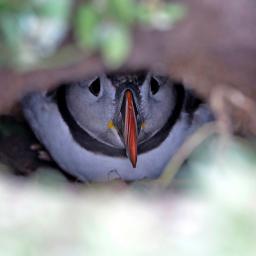
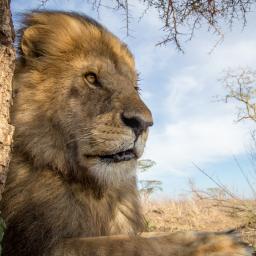
Experts blame freak storms for flooding burrows and causing 50% drop in number of fledged chicks in one of UK’s key seabird coloniesPuffin numbers on one of Britain’s most important seabird colonies may be hit by the terrible summer weather, wildlife experts have warned. Flooded burrows on the Farne Islands off the Northumberland coast have been blamed for a serious drop in the number of fledged puffin chicks this year.Each year National Trust rangers monitor 100 burrows with eggs on the islands and last year found 92 birds had fledged, seen as a remarkable success. But this year only about 50 successfully fledged chicks, known as pufflings, were found in the 100 burrows checked. Continue reading...
|
 |
by Associated Press on (#G6N8)
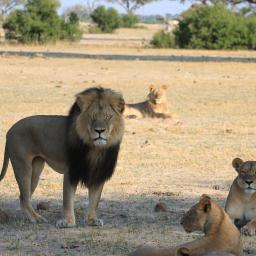
Though Cecil the lion’s brother Jericho remains alive – despite reports to the contrary – parks officials say American illegally bow-hunted another animalAmid an international outcry over a US hunter accused of illegally killing a well-known lion named Cecil in early July, authorities in Zimbabwe alleged that a second American killed a lion in an illegal hunt with a bow and arrow several months ago.Related: Cecil the lion’s brother Jericho alive and well despite rumors, say researchers Continue reading...
|
 |
by Amanda Holpuch in New York on (#G51K)
|
by Lenore Taylor Political editor on (#G6PK)
‘Safeguard mechanism’ in Coalition policy is lenient and ineffective, says RepuTex analysis firm, making Direct Action ‘untenable’ in its current formAustralia’s 20 biggest polluters will be able to significantly increase their greenhouse gas output despite being covered by the Abbott government’s so-called “safeguard mechanism†and will wipe out most of the emission reductions the government intends to buy from other sectors, according to new analysis which brands the Coalition policy “untenableâ€.The environment minister, Greg Hunt, says the “safeguard mechanism†– to be imposed on 150 big emitters and announced in detail later this month – will ensure that emissions reductions purchased through the $2.55bn emissions reduction fund (ERF) from things like avoided land clearing or energy efficiency are not displaced by a significant rise in emissions elsewhere in the economy. Continue reading...
 |
by Agencies in New York on (#G6JP)
On Saturday, documentary film-makers projected a loop of images of endangered animals on to the side of one of New York City’s most famous landmarks
|
 |
by Associated Press in New York on (#G5S0)
The president will announce a 32% cut in greenhouse gas emissions by 2030 in what he calls America’s biggest ever step against climate changePresident Barack Obama will impose even steeper cuts on greenhouse gas emissions from US power plants than previously expected, senior administration officials said on Sunday, in what the president called the most significant step the US has ever taken to fight global warming.Related: Barack Obama sets sizzling climate action pace in push to leave legacy Continue reading...
|
 |
by Lucy Siegle on (#G5SW)
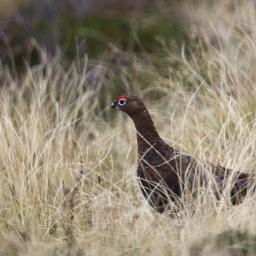
Red grouse can never be raised in captivity, but that doesn’t make the wild variety an eco winner, says Lucy SiegleWhy did the red grouse cross the road? I’m still working on the punch line. Battery-reared red grouse will never be on the menu as they can’t be raised in captivity, just home-grown birds from British uplands. It sounds gloriously ethical. They are even on offer at frozen food giant Iceland, which doesn’t provide a great deal of information as to how and why, nor which UK uplands the birds are from. This season 200,000 birds will be shot, netting the rural economy £100m. At a glance it’s a lot more ethical than, say, importing battery-farmed poultry from Brazil.But not so fast. The first downside is the tax breaks under the CAP (Common Agricultural Policy) system for moorland farmers. According to tax justice campaigners, these end up in the pockets of super-rich landowners. Also, grouse rearing involves the burning of our precious uplands. A recent report led by the RSPB Centre for Conservation Science takes issue with this form of ancient land-management technique where heather is burned to create new shoots that feed grouse. Over 10 years from 2001, researchers mapped 45,000km² of British uplands. Burning was detected in one-fifth of all areas, increasing by 11% every year, and was most egregious in so-called protected areas. Continue reading...
|
by Australian Associated Press on (#G5FR)
More shark sightings keep other beaches in Ballina shire closed after Craig Ison, 52, was airlifted to Gold Coast hospital after being mauled by great white on FridayEvans Head beach on the NSW north coast has been opened days after a man was mauled by a great white shark.The beach was reopened on Sunday morning after it was deemed safe, a spokeswoman for NSW Surf Life Saving said. Continue reading...
 |
by Robin McKie, Observer science editor on (#G5A7)
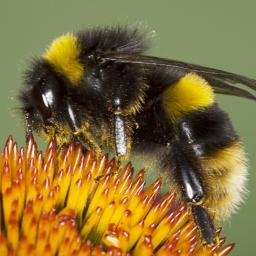
Royal Society of Biology asks Britons to choose their favourite bug to focus attention on over-use of pesticides, loss of habitat and climate change
|
 |
by John Vidal Chingola, Zambia on (#G557)
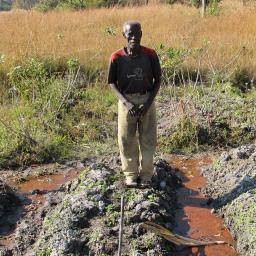
Fears of environmental catastrophe as report finds ‘constant contamination’ of streams around copper mine while locals report health problems and failed cropsA London-listed mining giant has been polluting the drinking water of villages in Zambia and threatening a wider health disaster, the Observer has found.Leaked documents and a confidential internal report commissioned from Canadian pollution control experts show that Vedanta Resources’ giant mine in Zambia’s Copperbelt region has been spilling sulphuric acid and other toxic chemicals into rivers, streams and underground aquifers used for drinking water near the mining town of Chingola. Continue reading...
|
 |
by John Vidal on (#G54X)
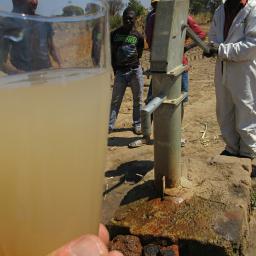
In the villages near Africa’s biggest copper mine, you can smell and taste the pollution. As a legal battle against metals giant Vedanta/KCM reaches London, villagers in Chingola, Zambia, tell of blighted lives and a looming catastropheYou can’t see the old Chingola copper mine, with its smelter and refinery, from the village of Shimulala. It’s miles away, beyond 300ft-high hills of waste tailings, the leach plant, the main pollution control dam and the 1,600ft-deep open pit that is one of Africa’s largest holes.But you can smell and taste the pollution from the biggest copper mine in Africa. If you pump a glass of water from the borehole outside the little church in Shimulala, you will see it is bright yellow, smells of sulphur and tastes vile. Continue reading...
|
 |
by Mark Townsend on (#G42P)
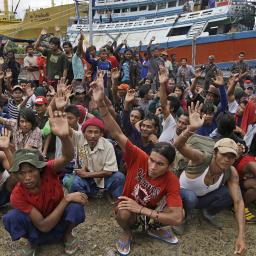
Immigration officials seek trawler fleet crewed by 1,000 trafficked Burmese men that is thought likely to be supplying the UK with seafoodA fleet of at least 30 fishing trawlers crewed by slaves is being hunted off the coast of Papua New Guinea as the true extent becomes apparent of the trafficking of Burmese men by a massive Thai-run criminal syndicate operating throughout the East Indies.Immigration officials have so far intercepted one of the fishing vessels, called the Blissful Reefer, and rescued its trafficked crew. Another 33 Thai trawlers thought to be crewed by slaves are being tracked in fishing grounds off the south coast of Papua New Guinea, known locally as the Dog Leg. Continue reading...
|
 |
by Amanda Holpuch in New York on (#G4YE)
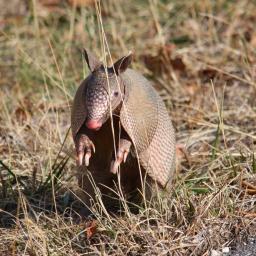
Incident in Cass County marks the second time this year someone in the American south has been hurt by a ricochet off one of the creaturesA Texas man was hospitalized this week, after being hit in the head by a ricocheting bullet he had aimed at an armadillo.Related: Georgia man wounds mother-in-law after bullet ricochets off armadillo Continue reading...
|
 |
by Chris Steller in Minneapolis on (#G44X)
While some speak of a ‘kind and gracious’ person, others remember the big-game-hunting Minnesota dentist as ‘always money-hungry’The dentist vilified around the world for killing a beloved lion in Zimbabwe is thought of fondly by at least one of his neighbors in Eden Prairie, Minnesota.Related: Cecil the lion’s brother Jericho is not dead despite rumors, say researchers Continue reading...
|
 |
by Robin McKie on (#G43T)
Poll to find the nation’s best-loved insect is designed to focus attention on the dangers posed by over-use of pesticides, loss of habitat and climate change.
|
 |
by Jim Perrin on (#G3A4)
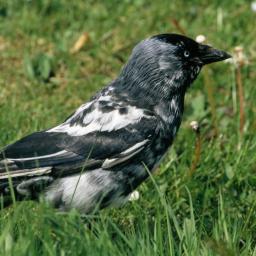
Harlech The ragged corvid mass is impressive against the light, but lacks the choreographed sky-balletics with which starlings weave at duskA cacophonous, crepuscular circling of jackdaws around the towers and ramparts of the castle caught my attention. From every cranny in the ancient walls and nearby chimneys more crowded in to augment the sooty horde as it swirled and shouted away, streaming to its roost in conifer plantations behind the dunes. The gathering’s a first subtle sign of the year’s turning towards autumn. The dark and ragged corvid mass is impressive and dynamic against western light; yet it lacks the fluidity, the illusion of choreographed sky-balletics, with which starlings at dusk weave patterned elastic complexities across the wind.I sat in a garden to spectate. In his delightful autobiography, Wildlife, My Life (Gomer, 1995), the late Country Diarist Bill Condry tells how he “watched this multitude with total astonishment†as a five-year-old on holiday from Birmingham. That was in 1923. Seeing it myself nearly a century on, I wondered how many generations had witnessed it. This cohabitation of jackdaws and humans was already strong in Shakespeare’s time. Their squalling cries surely impinged on Owain Glyndŵr’s consciousness when he took the castle in 1404. As the 13th-century masons of Master James of St George laid the last lofty stones, these curious bright birds searched out nesting sites, fetched twigs from the oakwood bluffs. Pair after bonded pair billed and preened along parapet and rocky eminence throughout history and even mythology. Continue reading...
|
 |
by Mahita Gajanan in New York on (#G2N4)
New Jersey senator proposes legislation to extend import and export protections for endangered species amid global outrage over Minnesota dentist killing lionAmerican lawmakers say they are crafting legislation to curb trophy hunting in the wake of the killing of one of Zimbabwe’s most famous lions by a Minnesota dentist this month.Related: Zimbabwe calls for extradition of dentist who killed Cecil the lion Continue reading...
|
 |
by Jessica Elgot in London, Mahita Gajanan in New Yor on (#G0FM)
Environment minister wants Walter Palmer to face trial for financing illegal hunt, as White House pressured to respond to petition seeking extraditionThe Zimbabwean environment minister has called for the dentist who killed Cecil the lion to be extradited from the US to face trial for financing an illegal hunt.
|
 |
by Reuters in Nairobi on (#G1ZE)
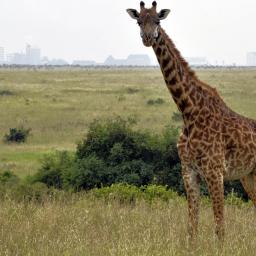
Rail project costing $13.8bn, part of deals signed with China in 2013, will link Mombasa and Nairobi with Uganda and pass through park on special bridge
|
 |
by Ucilia Wang on (#G1Q7)
Businesses that want low-carbon, reliable distributed power are turning to fuel cells which, if costs come down, could compete with solar and wind energy for these deep-pocketed customersUnlike solar panels or wind turbines, fuel cells are usually hidden from sight. But a growing number of big companies are relying on these mini power plants for a steady supply of electricity with a lower carbon footprint.Fuel cells, which date back to the 1800s, generate electricity by putting natural gas through a chemical reaction. They release about half the emissions of a conventional power plant, according to the US Environmental Protection Agency. Continue reading...
|
by Environment editor on (#G1ET)
The week’s top environment news stories and green events. If you are not already receiving this roundup, sign up here to get the briefing delivered to your inbox Continue reading...
 |
by Anna Isaac on (#G1DK)
In 2003 one charity set out to raise awareness of sharks in British waters, 75,000 egg cases later it’s going strong
|
 |
by Gwyn Topham Transport correspondent on (#G133)
IAG chief executive Willie Walsh said Heathrow had glossed over its ability to finance the new infrastructure, which he called inefficient and unfit for purposeHeathrow’s biggest customer, the group that owns British Airways, has dealt a stinging blow to the airport’s expansion hopes by saying the £17.6bn price for a third runway is excessive and “cannot be justified on any basisâ€.
|
 |
by Guardian Staff on (#G135)
The Zimbabwean environment minister, Oppah Muchinguri, calls for the dentist who killed Cecil the lion to be extradited from the US to face trial for financing an illegal hunt. Muchinguri says that Walter Palmer, 55, from Minnesota, was a 'foreign poacher' and said she understood Zimbabwe's prosecutor general had started the process to have him extradited Continue reading...
|
 |
by Travis Irvine and Daniel Ahrens on (#G12D)
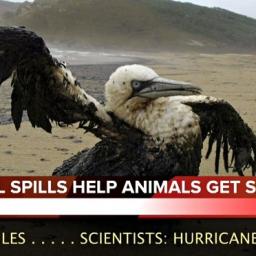
Are oil spills actually good for the environment? And is coal delicious? In this hard-hitting satirical newscast, Dr Bill Nye's "twin brother" Andy Nye finally reveals the truths about climate change and fossil fuels Continue reading...
|
 |
by Guardian Staff on (#G122)
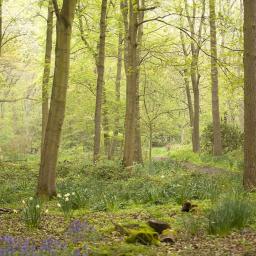
Hippos ganging up on an impala, wolverines of Finland and a Bengal tiger out on a walk feature in this week’s pick of images from the natural world Continue reading...
|
 |
by Presented by Richard Lea and produced by Eva Krysi on (#G0XP)
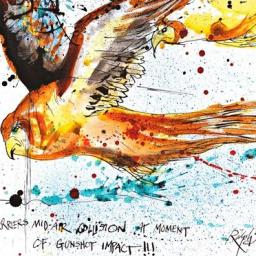
We join Ralph Steadman in his studio as he teams up with Ceri Levy to put birds threatened with extinction in the frame, and hear how poets are responding to climate chaosThis week's books podcast heads to rural Kent on the trail of the artist Ralph Steadman and the film-maker Ceri Levy, who are putting endangered birds under the lens with a collection of explosive portraits, Nextinction.We hear what happened when Levy teamed up with Steadman to chart the forces pushing birds to the brink of extinction all over the world, how the artist finds birds both real and imaginary in splats of ink, and why doom is not enough. Continue reading...
|
by Emma Howard on (#G0S5)
Bananas, mobile phones, heart bypass operations: do you know what you need to change to go green? Test yourself in our quiz Continue reading...
by Daphne Wysham on (#G0PQ)
Shell’s plan to commence drilling in this untouched region would impact climate change efforts, indigenous populations and the marine environment
by Dana Nuccitelli on (#G0JN)
The difference between modeled and observed global surface temperature changes is 38% smaller than previously thoughtGlobal climate models aren’t given nearly enough credit for their accurate global temperature change projections. As the 2014 IPCC report showed, observed global surface temperature changes have been within the range of climate model simulations.Now a new study shows that the models were even more accurate than previously thought. In previous evaluations like the one done by the IPCC, climate model simulations of global surface air temperature were compared to global surface temperature observational records like HadCRUT4. However, over the oceans, HadCRUT4 uses sea surface temperatures rather than air temperatures. Continue reading...
by Oliver Milman on (#G04N)
The Australasian Centre for Corporate Responsibility, a Commonwealth Bank shareholder, tried to put a resolution on greenhouse gasses to the bank’s AGMA push to get Commonwealth Bank to reveal details of its fossil fuel interests has failed after the federal court ruled shareholders do not have the right to ask other shareholders to vote on such issues.
by Adam Vaughan on (#FZY3)
Heads of 10 groups, including National Trust, Greenpeace and RSPB, call the cutting or watering-down of 10 key environmental policies woeful and shockingEnvironment and conservation groups representing millions of people have written to David Cameron to register their “major concern†at the cancellation or weakening of 10 green polices since he was re-elected.This list of recent policy reversals is shocking, and shows disregard ... for the environment we all depend on. Continue reading...
 |
by Christine Smith on (#FZWC)
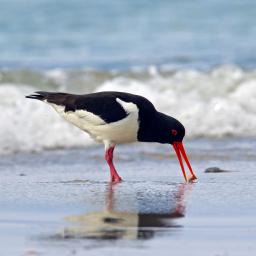
North Uist An oystercatcher is feeding, unhurriedly probing the wet sand and withdrawing its prey with a wriggle of its long orange-red billMy planned lunch stop looking out over the sea to distant St Kilda had proved just a little too chilly for comfort, but on the other side of the headland, out of the breeze, it’s positively balmy.In one of the small coves a line of sun-warmed rocks makes an inviting place to sit, and the view across the summer-bright waters of the bay to the scatter of white houses opposite is tranquil. It’s pure pleasure just to lean back and soak up the sunshine while enjoying a drink and a sandwich and at the same time keeping half an eye on the wildlife. Continue reading...
|
 |
by Press Association on (#FZDD)
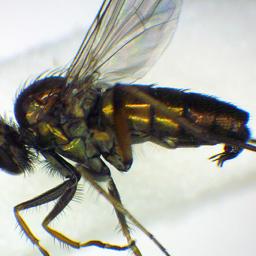
Expert naturalist finds metallic-green coloured Rhaphium pectinatum in Devon Wildlife Trust nature reserveA fly that is thought to have been extinct for almost 150 years has been found alive in Devon.The last known recording of the Rhaphium pectinatum fly was on 19 July 1868 when the renowned Victorian entomologist George Verrall caught a male and female in Richmond, Surrey. Continue reading...
|
by Caroline Davies on (#FZAF)
Among other practices, 50m game birds released annually for shooting negatively impact existing wildlife and ecology, Dr Mike Clarke tells landownersMore than 50 million game birds a year are being released for shooting, putting increasing strain on native wild birds and the ecology of the UK’s countryside, landowners will be warned on Friday.As management of driven grouse moors intensifies, the shooting industry must take responsibility for the impact their industry has on biodiversity and the natural environment, RSPB chief executive Dr Mike Clarke will say. Continue reading...
 |
by Australian Associated Press on (#FZ6N)
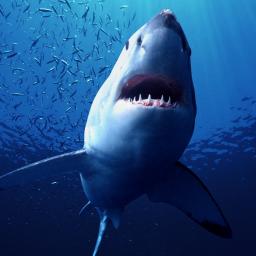
The 52-year-old surfer undergoes surgery on arm and leg injuries after punching the great white when it attacked him from behindA surfer has suffered serious injuries after fighting off a great white shark which attacked him off a beach in northern NSW.The 52-year-old man from Evans Head, named in media reports as Craig Ison, punched the shark when it attacked from behind during his regular early morning surf on Friday. Continue reading...
|
 |
by Peter Kimpton on (#FYQ3)
Ranches of cows, horses or sheep? Fields of rice, tea or wheat? Organise your orchard and pick an agricultural crop of songs to make a mass musical harvest
|
 |
by Editorial on (#FYN2)
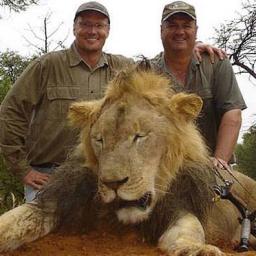
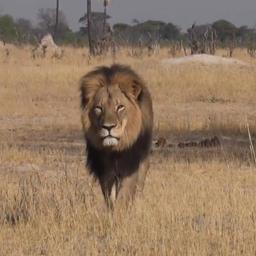
This 13-year-old lion had a good life, but the manner of his death was abhorrentThe death of so handsome a creature as Cecil the lion has rightly ignited global outrage. But why do we seem to care so much more about how an animal dies than how it lives? After all, Cecil had 13 free and happy years roaming Zimbabwe’s Hwange national park. In terms of suffering, the last few hours of his life, while undoubtedly painful, can hardly be compared to the miserable factory-farmed existence of so many of the creatures that end up on our plates. Cecil’s free-range existence was circumscribed by the limitations of the park – about 14,650 sq km. The average factory chicken is afforded the living space roughly equivalent to a piece of A4 paper. And they live for about six weeks, in vast filthy sheds full of their own excrement, and without any experience of sun or fresh air. From this perspective, it may seem peculiar that we focus so much of our outrage on a small-town dentist from Bloomington, Minnesota, and hand out a CBE to Bernard Matthews.Furthermore, what is the difference between exploiting cattle for money and exploiting lions? In theory, at least, the income from licensed hunting – redistributing cash from Bloomington to Bulawayo – is redirecting money towards the greater need. So is the Cecil furore just a bit of western sentimentality from those who can hum The Circle of Life, but who have no real appreciation of what it means? Indeed, those who left fluffy toy animals outside Dr Palmer’s dentist surgery as a protest certainly contribute towards this reading of events. After all, if Cecil had died after a fight with a fellow lion, his death may well have been no less painful. Continue reading...
|
 |
by Letters on (#FYMM)
Can all those who are justifiably outraged at the killing of Cecil the lion (Report, 29 July) now join the protests against the “canned hunting†of lions in South Africa. These are lions bred in captivity for the sole purpose of being shot, inside fenced-off enclosures, by wealthy trophy hunters. It seems the so-called Rainbow State cannot recognise the beauty of a lion’s skin, or see the rivers of blood that run from the ranches where these magnificent creatures are killed.
|
 |
by Jessica Elgot in London, Mahita Gajanan in New Yor on (#FXEE)
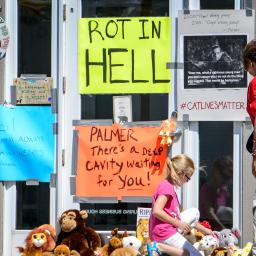
Walter Palmer repeats his claim that he had no idea that the lion was ‘a known local favourite’ and says he would assist the Zimbabwean authoritiesThe US Fish and Wildlife Service is investigating the illegal killing of a beloved Zimbabwean lion by a Minnesota dentist, who has since found himself at the centre of an international storm.Walter Palmer, a keen big game hunter who posts pictures of his kills on social media, is said to have paid around $50,000 (£32,000) for the chance to kill Cecil, a protected 13-year-old lion famous for his majestic black-fringed mane, in Zimbabwe’s Hwange national park earlier this month.
|
 |
by Emma Brockes on (#FYDT)
They may be a favourite of serial killers and runaways, but a night in a rest stop where no one knows your name is better than therapyI was in California last week, in Los Angeles for a night, where I stayed in a chain hotel in Beverly Hills, and then in San Jose, where I checked into an airport motel. The latter was situated on a traffic island between interstates, one running towards Oakland, the other in the direction of San Francisco to the north and LA to the south.It was a transitional place, the kind where no one stays for longer than a night or ever returns to, and where, for dinner, you have the choice of walking along the freeway to a branch of Chipotle, or using the vending machine in the lobby. More pertinently, it was the kind of place that features in American pop culture as a rest stop for serial killers, runaways and those with no final destination in mind. Continue reading...
|