 |
by Manuel Rueda on (#692XZ)
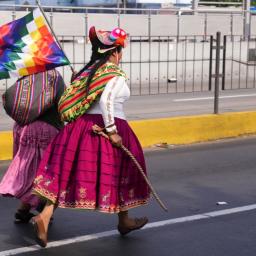
The political party Nuevo Peru has been heavily involved in anti-government protests that have recently swept across the South American country.
|
The World: Latest Stories
| Link | https://www.pri.org/programs/the-world |
| Feed | http://www.pri.org/feed/index.1.rss |
| Updated | 2026-10-28 01:18 |
 |
by Daniel Ofman on (#6935R)
In the weeks leading up to Russia's full-scale invasion on Feb. 24, 2022, veteran Leonid Ostalsev anticipated a call to report for duty. Tens of thousands of Russian troops were already accumulating near Ukraine’s borders. He reflects on a year of wins and losses.
|
 |
by Daniel Ofman on (#68ZSK)
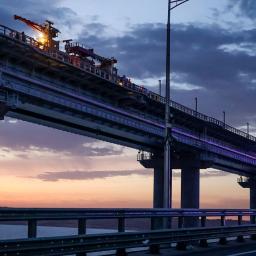
After nearly a full year of war with Russia, Ukrainian leaders say victory will come when the Russians make a full retreat out of Ukraine — including the Crimean Peninsula.
|
 |
by Daniel Ofman on (#68ZXZ)
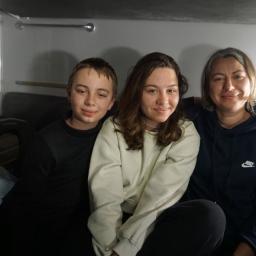
The Talyzenkov family heads back to Ukraine by train for a weeklong visit. The two children are eager to reunite with their father, who is currently serving in the army.
|
 |
by Joyce Hackel on (#68YQW)
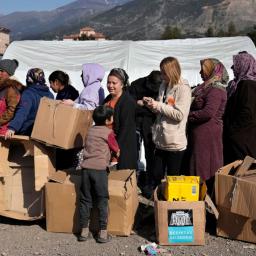
After a catastrophic earthquake destroyed northwest Syria, assistance is slowly trickling in. It took a full week for the UN to strike a deal with the Syrian regime to open two additional crossings into the region. US Ambassador to the UN Linda Thomas-Greenfield talks with host Marco Werman about the situation.
|
 |
by Joyce Hackel on (#68YP2)
Malala Yousafzai's new Oscar-nominated documentary, "Stranger at the Gate," features a former US marine suffering from PTSD who sets out to bomb a mosque in Indiana, but changes his life around after the community embraces him. Yousafzai joins The World's Marco Werman to discuss the film and her own experiences.
|
 |
by Michael Fox on (#68XE3)
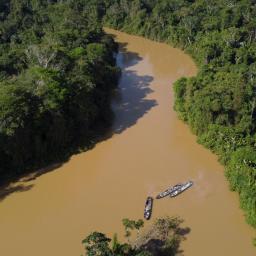
A humanitarian crisis looms in Brazil's Yanomami territory, where communities have been ravaged by malnutrition, malaria, COVID-19 and widespread illegal mining. Now, the central government is trying to crack down on illegal mining and support these communities after years of neglect.
|
 |
by Shirin Jaafari on (#68W64)
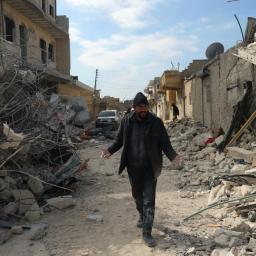
More than a week after a 7.4-magnitude earthquake hit Syria, outside help has been slow to arrive. Parts of the country that have been impacted fall into two main categories: ones that are under government control and those that are not. In opposition-held areas relief has been almost nonexistent.
|
 |
by Gerry Hadden on (#68TZC)
Big, fast-fashion brands have traditionally ignored the second-hand market, but it’s grown too large not to get into the game. H&M and Spanish clothing giant Zara are leading a new trend, opening portals where customers can sell and buy their used, brand-specific shirts and skirts. The companies say they’re joining the circular economy but critics call it greenwashing.
|
 |
by Halima Gikandi on (#68V0W)
Insecurities such as kidnapping, armed criminal gangs and banditry have become normal under the presidency of Muhammadu Buhari, who will be concluding his second and last term this year.
|
 |
by Joshua Coe on (#68R8Y)
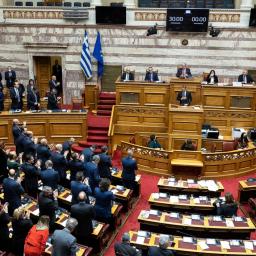
Spyros Tsoutsoumpis, a lecturer in modern European history at the University of Manchester, discusses with The World's host Carol Hills the implications of Greece banning the far-right Greek National Party from running in elections.
|
 |
by Ashley Westerman on (#68R8Z)
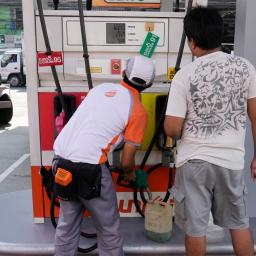
The Philippines' inflation rate hit a new 14-year high in January, putting a damper on what economists had previously hoped would be a leveling-off in 2023. And it's forced many people to look for extra work to support their incomes.
|
 |
by Daniel Ofman on (#68R90)
Grassroots organizations have popped up all around Kyiv to send support — both humanitarian and military assistance — to the frontlines.
|
 |
by Anita Elash on (#68Q3X)
Many kids' products on the market are not always inclusive or accommodate unique needs — including religious ones. Ontario mother Tina Singh decided to design sports helmets for her three boys that wouldn't compromise their Sikh faith — or their safety.
|
 |
by Ari Daniel on (#68NW0)
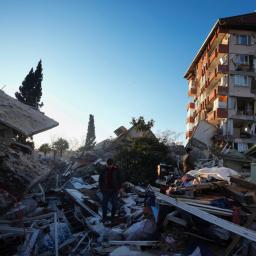
This corner of the globe sits at the intersection of three tectonic plates, including the Arabian Plate that’s moving northward into Europe. Pressure along the fault has been building, and when it finally released, it appears that an area nearly 120 miles long and 15 miles wide got displaced, unleashing the earthquake.
|
 |
by Chris Harland-Dunaway on (#68PV0)
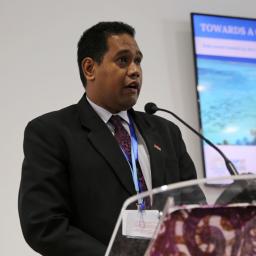
NASA is working with Senegalese astronomers to measure the dimensions of asteroids in outer space. Astronomer Maram Kaire speaks with The World's host Marco Werman about the work of "chasing after the shadow cast by the asteroids."
|
 |
by Ashley Westerman on (#68MJY)
The island nation of Kiribati says it will return to the Pacific Islands Forum, ending over six months of turmoil for the strategic bloc that represents nearly 20 nations and territories across the Pacific Ocean.
|
 |
by Alan Ruiz Terol on (#68MJZ)
The Sagrada Familía church, designed 140 years ago by architect Antoni Gaudí, is still under construction. Now, plans to finally construct its front entrance have sparked controversy due to its potential impact on nearby residential neighborhoods.
|
 |
by Shirin Jaafari on (#68MHJ)
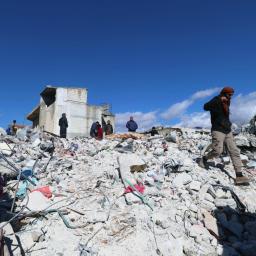
Entire neighborhoods have been leveled in northwestern Syria, where an earthquake struck in the early hours of Monday morning. This region of Syria is home to millions of people displaced by years of civil war. Even before the quake, they had been living in already dire conditions.
|
 |
by April Peavey on (#68KBJ)
Dani Larkin was too young to have lived through the troubles in Northern Ireland. But growing up along the Armagh-Monaghan border in Ireland, close to Northern Ireland, she knew all about the sectarian tension and conflict in the area. She also knew about kindness and a history that brings people together.
|
 |
by Durrie Bouscaren on (#68KBK)
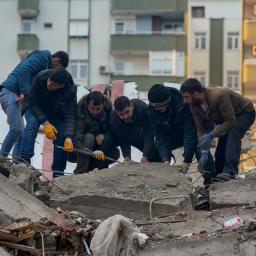
The death toll has surpassed 5,000, with thousands of others injured after a 7.8-magnitude earthquake struck large parts of southeastern Turkey and northern Syria on Monday. Rescue teams are trying to find people buried under the rubble of collapsed buildings.
|
 |
by Vera Haller, Gisele Regatão on (#68GQG)
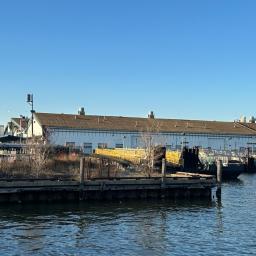
A controversial housing dispute this week reveals a deep strain on the intake system for migrants.
|
 |
by Manuel Rueda on (#68GQH)
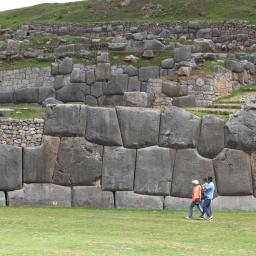
The Peruvian city of Cuzco is usually teeming with visitors, but because of ongoing protests, only 4% of its hotel rooms were occupied last month. Many residents say the situation has become critical.
|
 |
by Gerry Hadden on (#68GQJ)
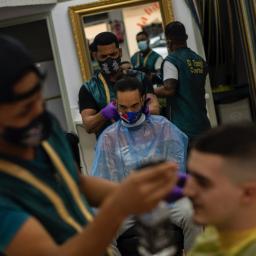
A ringworm outbreak among Spanish teens has been traced back to barbershops and a fashionable haircut: the fade. Spanish dermatologists blame dirty electric razors.
|
 |
by Joyce Hackel on (#68FKJ)
What are Washington's current strategic goals and limitations in Ukraine? And how do they align with Kyiv? Derek Chollet, a counselor at the US State Department who advises Secretary of State Antony Blinken, joined The World's host Marco Werman to shed some light.
|
 |
by Carol Hills on (#68FJB)
Belgium has to decide how to proceed amid calls for sanctions against Russia's diamond industry. The Belgian city of Antwerp plays a big role in the global diamond trade, and would have much to lose. Hans Merket, of the International Peace Information Service (IPIS), joined the World's host Marco Werman from Antwerp to discuss the situation.
|
 |
by Halima Gikandi on (#68E4R)
After civil war broke out in his country, singer-songwriter Bahjat and his family had to flee Libya. But that didn't stop him from pursuing his dreams. Bahjat now sings a blend of Arabic and English songs in a genre he calls "A-pop," or Arabic pop.
|
 |
by Ashley Westerman on (#68EAF)
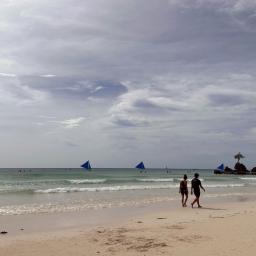
When the Chinese government made the decision to relax its pandemic restrictions and allow for travel abroad again, tourism professionals in the Philippines welcomed the news, but concerns linger about the expected increase in mass tourism.
|
 |
by Sushmita Pathak on (#68D2D)
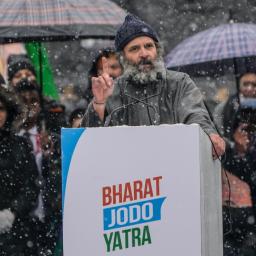
Rahul Gandhi, head of India's opposition Congress party, started a unity march last September from the southern tip of the country, which ended on Monday. Gandhi is trying to drum up support for his party, opposition to the ruling BJP and, many observers say, trying to uphold democracy in the face of what's becoming an increasingly religious state.
|
 |
by Shirin Jaafari on (#68BW7)
In recent months, reports have emerged that at least two men, one from Zambia and another from Tanzania, were killed while fighting for the Wagner group in Ukraine. Wagner reportedly recruited the men from Russian prisons, promising them amnesty.
|
 |
by Dina Temple-Raston on (#68CHJ)
Jon DiMaggio, chief security analyst at Analyst1, spent more than a year inside LockBit private channels interacting with LockBitSupp and other members. He recently released a report called "Ransomware Diaries: Volume 1," that revealed how he infiltrated the group and what he learned while he was on the inside.
|
 |
by Joshua Coe on (#689B2)
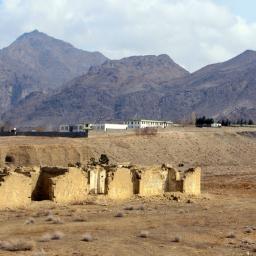
Beijing signs onto a deal with the Taliban to extract oil from the north of Afghanistan. Graeme Smith, a senior consultant for the International Crisis Group, discusses the implications of the agreement with The World's host Carol Hills.
|
 |
by Gisele Regatão on (#689VE)
In Brazil, eating pork used to have negative connotations. But A Casa do Porco, or The Pork’s House, in downtown São Paulo, has transformed pork into a gourmet food, kicking off a culinary trend throughout the country.
|
 |
by Levi Bridges on (#6894E)
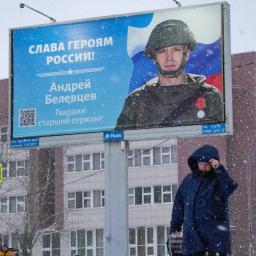
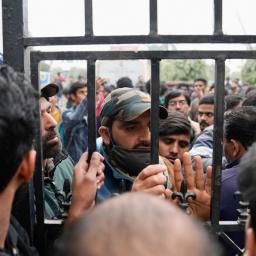
When Russia started drafting men to fight in Ukraine last fall, thousands fled to neighboring countries in Central Asia. The draft has been paused and some are returning home. But less so for members of the LGBTQ community, who say the government's increasing hostility has made Russia unsafe.
|
 |
by Lex Weaver on (#6880M)
A new BBC documentary looking at Prime Minister Narendra Modi's role in the 2002 Gujarat riots has sparked controversy in India. The government is trying to ban it while students and activists are finding ways to watch it in defiance. Rana Ayyub, author of the book "Gujarat Files: Anatomy of a Cover Up," discussed the situation with The World's host Marco Werman.
|
 |
by Gerry Hadden on (#687MD)
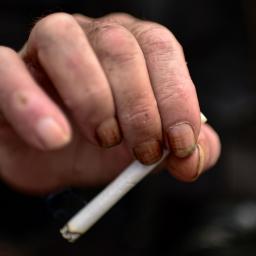
They’re tiny, they’re toxic, they’re everywhere. Cigarette butts are a huge source of pollution in Spain and lawmakers have said, enough. They're ordering cigarette makers to pay for the cleanup, but smokers worry they’ll end up footing the bill.
|
 |
by Manuel Rueda on (#686T6)
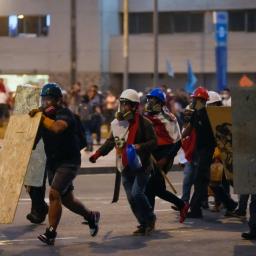
More than 50 people have been killed in southern Peru in protests that broke out in December, and have resulted in street battles between police forces and largely Indigenous groups of protesters who have fought back with rocks, slingshots and homemade rockets.
|
 |
by Shirin Jaafari on (#686RS)
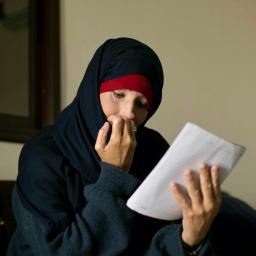
A court in Canada has ordered the government to repatriate 23 of its citizens who have been detained in camps for suspected ISIS members and their families in northeastern Syria. If not challenged, this would be the largest repatriation of Canadians from Syria so far.
|
 |
by Durrie Bouscaren on (#686RT)
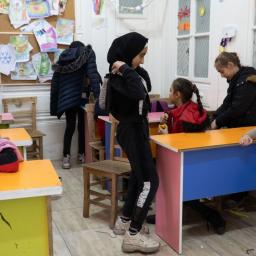
Many Syrian families in Turkey face school enrollment challenges due to a Turkish law that says no more than 30% of schoolchildren in a single class can be foreigners. Families in border cities like Gaziantep say their children are being turned away with few alternatives.
|
 |
by Ashish Valentine on (#6866A)
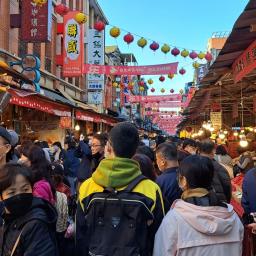
Taiwan has reopened to international travel, and has lifted some other restrictions, as people celebrate Lunar New Year with family and friends.
|
|
by Ashish Valentine on (#685G7)
In Taiwan, cases of the coronavirus have been relatively low for a while, with many people feeling safe celebrating the holiday there this year.
|
 |
by Kedi Zhu on (#685G8)
Yuxin Wu, a second-generation gehu player at the Berklee College of Music, is on a mission to revive the Chinese string instrument with its unique vibrational sound.
|
 |
by Orla Barry on (#6845E)
“Tár,” about a virtuoso female conductor, has shone a spotlight on the continuing dearth of women leading major orchestras worldwide.
|
 |
by Namrata Kolachalam on (#6845F)
The 1995 Bollywood film “Dilwale Dulhania Le Jayenge,” or "DDLJ," is the longest-running film in India’s history, screening daily for 27 years. Now, the irresistible love story is heading to Broadway.
|
 |
by Alan Ruiz Terol on (#681RE)
Shakira's release this week shot up to the top of the charts. It's a scathing breakup song with her ex: Spanish soccer star Gerard Piqué.
|
 |
by Ridwan Karim Dini-Osman on (#681PC)
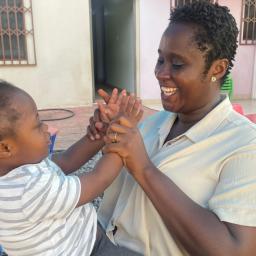
Developmental brain disorders are rarely discussed in Ghana. A lack of adequate awareness and facilities for early diagnosis makes it tough to manage. And children with special needs often face discrimination in terms of inadequate health care, education and social engagement.
|
by Omar Duwaji on (#680FH)
As Germany faces mounting pressure to supply tanks to Kyiv for the ongoing war in Ukraine, retired Navy Adm. James Stavridis talks with The World's host Marco Werman about what the delivery of heavy weapons could mean for the war.
 |
by Gisele Regatão on (#6845G)
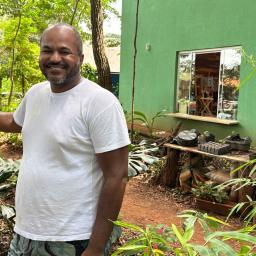
Growing up in Brazil as a Black man, Dalton Paula said he missed seeing people who looked like him on movies and TV. At 40, he now creates paintings, photos and installations about Black communities. In 2021, he and his partner also turned their home into an art school called Sertão Negro, or Black Hinterland.
|
 |
by Sara Hassan on (#680DP)
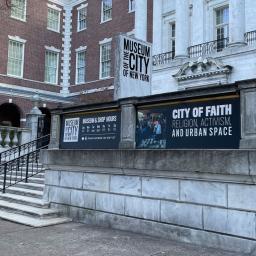
The “City of Faith” museum exhibit looks at the New York City's religious roots and immigrant experience, with a special focus on the South Asian community after 9/11. Curator Azra Dawood tells The World what inspired her and why such a discussion is important.
|
 |
by Michael Fox on (#680FJ)
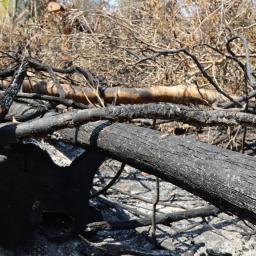
Brazilian President Luiz Inácio Lula da Silva has made good on a series of campaign promises to defend the Amazon and empower Indigenous peoples. He already signed an executive order to relaunch a billion-dollar Amazon fund, where foreign governments can contribute to forest protection, among six other orders.
|