 |
by Joshua Coe on (#5YDZA)
Bill Browder, CEO and co-founder of Hermitage Capital Management and author of "Freezing Order: A True Story of Money Laundering, Murder, and Surviving Vladimir Putin's Wrath," was once a big investor in Russia. He spoke to The World's host Marco Werman about whether sanctions against Russia are working as intended.
|
The World: Latest Stories
| Link | https://www.pri.org/programs/the-world |
| Feed | http://www.pri.org/feed/index.1.rss |
| Updated | 2026-10-27 23:43 |
 |
by Shirin Jaafari on (#5YDXE)
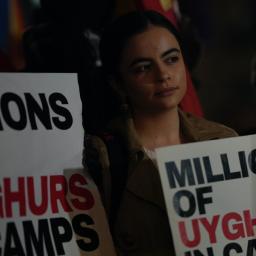
Saudi Arabia could deport a group of Uyghurs, including a mom and her 13-year-old daughter, to China. The news has alarmed human rights advocates who say they could face inhumane treatment upon return.
|
 |
by Ridwan Karim Dini-Osman on (#5YDSK)
Surging oil prices are hurting everyday consumers in Africa, but some oil-producing countries have seen a windfall with higher revenues — boosting investment spending in other areas.
|
 |
by Levi Bridges on (#5YCF8)
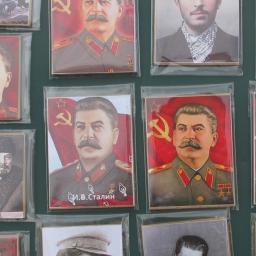
For some Georgians, Stalin represents a rags-to-riches tale — they see him as the country’s most-famous native son who put Georgia on the map. Others are pushing for a more comprehensive view of the man responsible for millions of deaths.
|
 |
by Joshua Coe on (#5YBAC)
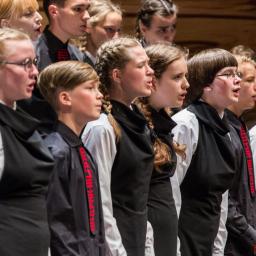
Shchedryk Children’s Choir from Kyiv was poised to celebrate its 50th anniversary this year with a world tour. Then, Russia invaded Ukraine, canceling all plans. Conductor Saul Zaks is now on a mission to make sure the world hears the choir’s "magical" sounds.
|
 |
by Tyche Hendricks on (#5YA0W)
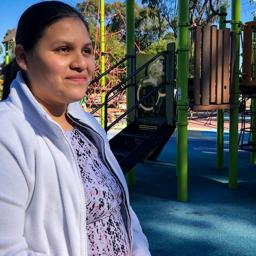
Thousands of people are pursuing protection from gender-based violence in a US asylum system that was gutted during the presidency of Donald Trump and has been only partially restored by President Joe Biden. Deisy Ramírez was one of them, trying to escape an abusive, forced marriage in Guatemala.
|
 |
by Shirin Jaafari on (#5Y7P6)
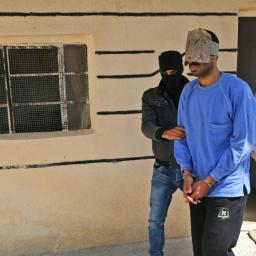
El Shafee Elsheikh, a former British citizen accused of taking part in a brutal ISIS hostage-taking scheme, has been convicted in a federal court in Virginia of assisting in the kidnapping and deaths of four Americans between 2012 and 2015.
|
 |
by Madelaine Pitt on (#5Y7P7)
Whether the state should be involved in telling individuals what they should and shouldn’t do on their days off has been hotly disputed in parts of the country.
|
by Esteban Bustillos on (#5Y7QT)
The Boston Marathon has long been a haven for runners from across the globe. This year marks the first race on Patriots’ Day since 2019, as the world’s most famous marathon returns to full strength — or, at least, something like it. While the celebration of running has been years in the making, April 18 will be another loss in a flood of sacrifice for Ukrainians.
 |
by Jessica Batemen on (#5Y6N8)
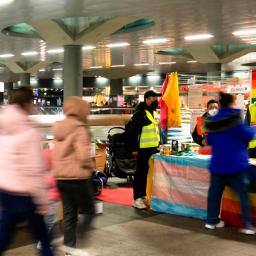
At least 10 Berlin organizations are working together to provide new arrivals with information on where to access LGBTQ-friendly accommodation, legal advice and health care.
|
 |
by Daniel Ofman on (#5Y6P8)
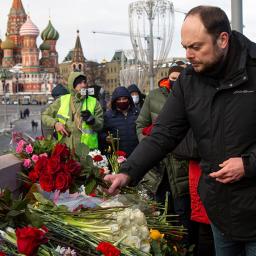
Russian opposition politician Vladimir Kara Murza was arrested earlier this week in Moscow. He was sentenced to 15 days in jail in Moscow Tuesday for "disobeying a police order." Kara-Murza is a Kremlin critic and has publicly spoken out against Russia's invasion of Ukraine. Host Marco Werman with Vladimir Kara-Murza's wife, Evgenia Kara-Murza.
|
 |
by Rebecca Kanthor on (#5Y6FP)
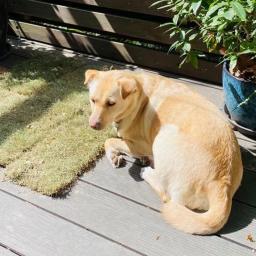
When Shanghai residents test positive for COVID-19 and are required to stay at quarantine facilities, there's no government plan for who will take care of their pets while they're away. Now, communities are banding together to deal with the problem.
|
 |
by The World staff on (#5Y5BX)
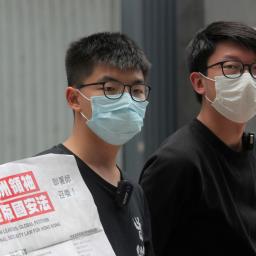
When activist and politician Sunny Cheung fled from Hong Kong to the US two years ago, he thought he would be free. But his troubles followed him there, where he says he's received threats on social media through what appear to be "fake accounts."
|
 |
by Carolyn Beeler on (#5Y5A5)
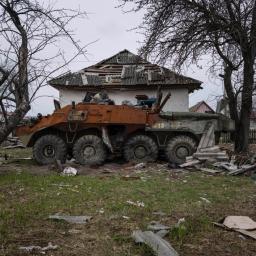
Pressure is heating up inside Germany, with vocal politicians and the public calling for a complete embargo on Russian fossil fuels.
|
 |
by Teresa Krug on (#5Y5A6)
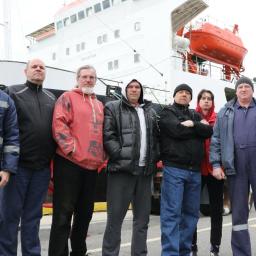
Many of the tens of thousands of Ukrainian seafarers who boarded ships before the war started are now struggling to get off: either in the hopes of staying in the countries they land in — or flying back to Europe. In the US, the shipping industry is asking Customs and Border Protection to revisit decisions in these cases.
|
 |
by Patrick Winn on (#5Y5A7)
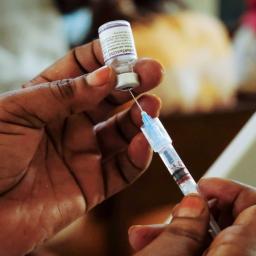
The World’s Patrick Winn spoke with Nigel Ng, "Uncle Roger," about foodies, cultural appropriation and the universality of the grumpy uncle.
|
 |
by Elana Gordon on (#5Y42W)
In late 2021, UNICEF projected a shortfall of up to 2 billion auto-disable syringes needed for COVID-19 vaccines this year. Companies like Revital Health Care, in Kenya, are working around the clock to fill the gaps.
|
|
by Elana Gordon on (#5Y41M)
In late 2021, UNICEF projected a shortfall of up to 2 billion auto-disable syringes needed for COVID-19 vaccines this year. Companies like Revital Health Care, in Kenya, are working around the clock to fill the gaps.
|
 |
by Yasmine Mosimann on (#5Y3ZR)
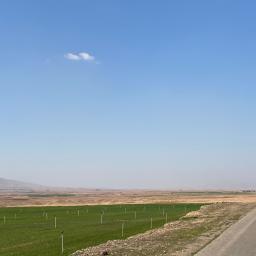
Gone are the powerful days of ISIS in Iraq. Now, motley gangs of ISIS militants continue to launch hit-and-run attacks — sporadically targeting infrastructure and killing and intimidating security forces and vulnerable citizens.
|
 |
by Michael Fox on (#5Y41N)
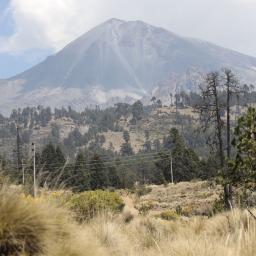
Today, there’s only one glacier left on Mexico’s tallest mountain. It’s called Jamapa. And scientists say that as much as 60% of it has melted. Until recently, experts estimated that it had maybe just 40 years left. But now, they say it will disappear within the decade.
|
 |
by Brendan Rivers on (#5Y019)
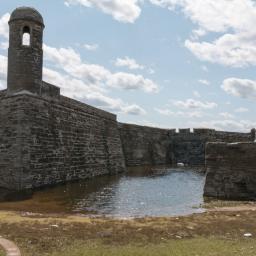
Flooding caused by climate change is threatening to destroy historic resources along the Florida coast, leaving archeologists scrambling to learn as much as possible before they’re lost.
|
 |
by Chhavi Sachdev on (#5Y2RA)
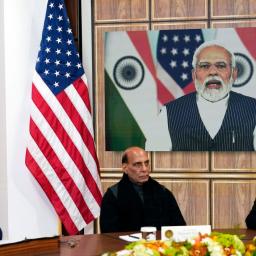
When it comes to speaking out against Russian aggression in Ukraine, India has largely remained silent. Defense and energy needs are key factors, but a "heavy dose of nostalgia" is also playing a role.
|
 |
by Joshua Coe on (#5Y2RB)
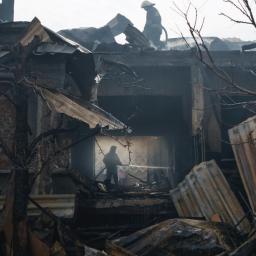
As Russia's military shifts focus on the ground to Ukraine's east, an information war is being fought on social media and on the airwaves — including in American heartland cities like Liberty, Missouri.
|
 |
by Jeremy D. Goodwin on (#5Y2PK)
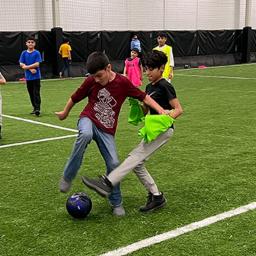
Dozens of young refugees from Afghanistan gather on Saturday afternoons in St. Louis for something that’s crucial to their successful resettlement in a new land: getting to just be kids.
|
 |
by Adam Wernick on (#5XYB5)
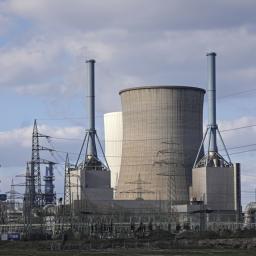
The horrors of Russia’s war in Ukraine are funded in large part by the fossil fuels it sells to the world. Climate activist and writer Bill McKibben says the US should rapidly manufacture electric heat pumps and send them to European homes as a way to permanently weaken Vladimir Putin’s oil-and gas-fueled war machine — and fight climate change, too.
|
 |
by Sushmita Pathak on (#5XYHH)
The government is the sole owner of the Life Insurance Corporation of India, but that might change soon. The company is about to be listed on India’s stock exchange.
|
 |
by Levi Bridges on (#5XYQE)
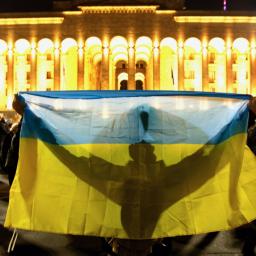
Hundreds of Russian dissidents and members of civil society who have challenged Vladimir Putin’s government have settled in nearby Tbilisi, the capital of Georgia. The country’s relaxed visa rules and low cost of living have attracted artists, activists and journalists. Some who’ve settled there are now working to support their fellow Russians and protest the war from afar.
|
 |
by Joyce Hackel on (#5XXE1)
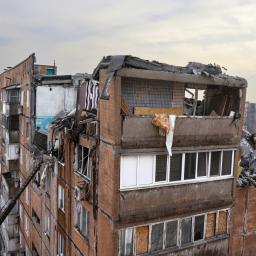
Alex Zaytsev has been driving dozens of his parishioners out of Avdiivka, a city that's been on the front line with Russian-backed separatists in Ukraine.
|
 |
by Manuel Rueda on (#5XX94)
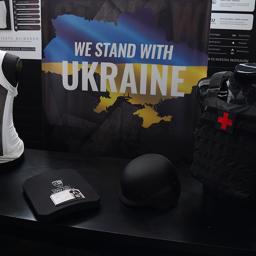
Over the past three decades, MC Armor has made various types of protective equipment, including bulletproof shirts and pants, for dozens of heads of state in the Americas. It has also supplied body armor to the military forces of many countries, including Peru, Guatemala, Chile, Qatar and Nigeria. Now, it's sending gear to protect people in Ukraine.
|
 |
by Gerry Hadden on (#5XXE2)
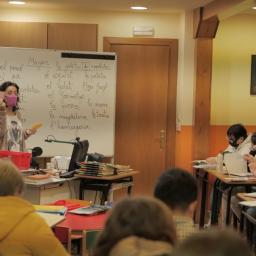
Locals call Guissona “Little Ukraine,” because 1 out of 7 residents in the Catalan farm town hails from there. And that was before Vladimir Putin launched his most recent invasion. The Ukrainians came to Guissona years ago to work in the local meat plant. Now hundreds more are arriving, drawn by family and the town’s fame.
|
 |
by Michael Fox on (#5XX95)
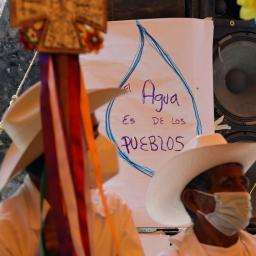
In recent months, top federal courts in Mexico have canceled controversial mining concessions near Indigenous communities in two regions of Puebla state. About 100 Indigenous activists are now on a monthlong caravan to defend land and water rights across southern Mexico.
|
 |
by Joyce Hackel on (#5XVZT)
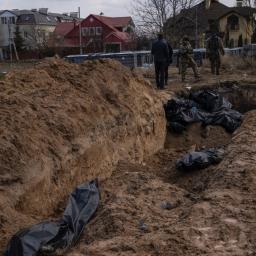
Oleksii Vostretsov was trapped in his hometown of Bucha for 22 days at the start of the war. Vostretsov tells his story to The World’s Marco Werman, through an interpreter.
|
 |
by Halima Gikandi on (#5XVZV)
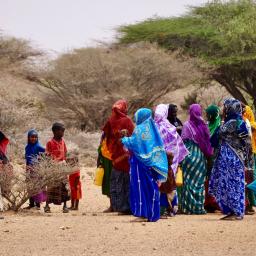
Somalia is facing a devastating drought after two years without rain. It's the worst drought to hit the Horn of Africa in 40 years. And it's pushing many people to leave their hometowns in search of better sustenance.
|
 |
by Tibisay Zea on (#5XVZW)
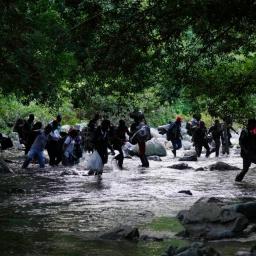
A growing number of people from Venezuela have been making the risky crossing through the Darién Gap in recent weeks. Jose Loya decided to make the difficult trek, citing xenophobia and discrimination as some of the main reasons why he chose to leave Peru, where he was living with his wife and child.
|
 |
by Orla Barry on (#5XRTJ)
An abortion-rights activist charged with breaking Poland’s strict abortion laws goes on trial in Warsaw next week. The case is the first of its kind in Europe.
|
by Halima Gikandi on (#5XRSE)
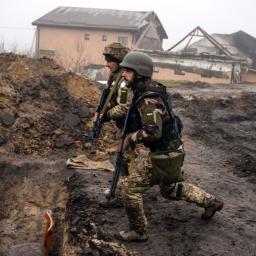
The United Nations is warning that a famine looms in Somalia’s future. The country has not seen rain for the past three consecutive rainy seasons, over a two-year period.
 |
by Matthew Bell on (#5XRQH)
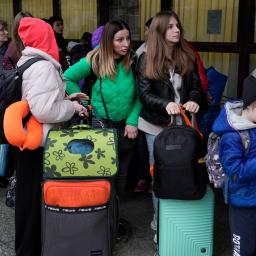
Russian President Vladimir Putin has given various reasons to justify his decision to order an attack on Ukraine. But one thing he talked about early on was religion.
|
 |
by Elana Gordon on (#5XQFX)
As part of our regular series of conversations with Harvard University’s T.H. Chan’s School of Public Health, The World’s reporter Elana Gordon moderated a discussion with Michael VanRooyen, director of the Harvard Humanitarian Initiative, about the dire situation and the multiple health risks that refugees from Ukraine, and from around the world, face. VanRooyen is also the chairman of Emergency Medicine at Brigham and Women’s Hospital (@HHI).
|
 |
by Theo Ruprecht on (#5XQFZ)
E-cigarettes have been prohibited in Brazil since 2009, when ANVISA, the federal health sanitary agency, issued a ruling against them. But that could soon change.
|
 |
by Manuel Rueda on (#5XQFY)
Interest in the Colombian indie-pop band Monsieur Periné skyrocketed after one of its songs from 2015 went viral on TikTok. A video on the platform inspired thousands of TikTok users to record themselves at home dancing to the chorus of “Nuestra Canción.”
|
 |
by Durrie Bouscaren on (#5XQB7)
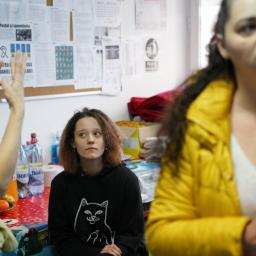
Romania's local deaf community in Botoșani has welcomed at least 200 deaf people from Ukraine since the war began. They are focused on getting people to safety and ensuring that up-to-date information is available for sign language speakers.
|
 |
by Joyce Hackel on (#5XP70)
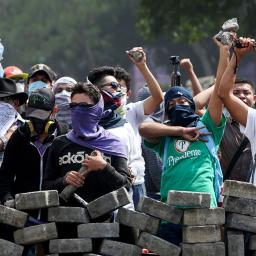
The ambassador of Nicaragua to the OAS, Arturo McFields, said that he's afraid for his family's safety, but that he had to stand up to corruption and the inhumane treatment of dissidents. McFields spoke with The World's host Marco Werman from Washington.
|
 |
by Kirk Carapezza on (#5XN3T)
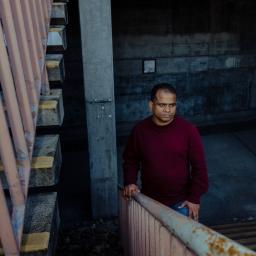
Caste was outlawed decades ago across South Asia. But it still exists and has found its way to American campuses.
|
 |
by Elana Gordon on (#5XMY8)
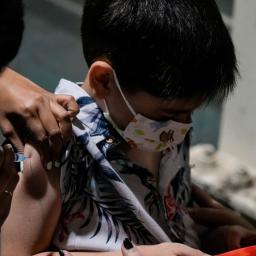
In contrast with the US, Chile has opted to provide COVID-19 vaccines for children ages 3 and up, expanding possibilities for vaccines available for very young children.
|
 |
by Chris Harland-Dunaway on (#5XKKB)
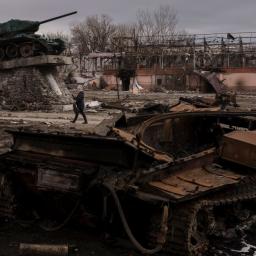
"The West, in order to help diplomacy, needs to help President [Volodomyr] Zelenskiy produce stalemate on the battlefield," former Ambassador to Russia Michael McFaul said. He joined The World's host Marco Werman to discuss the West's diplomatic push to the end the war in Ukraine.
|
 |
by Adam Wernick on (#5XKFN)
If climate change continues on its current trajectory, over 200 million climate refugees could be displaced worldwide by the year 2050.
|
 |
by Manuel Rueda on (#5XKKC)
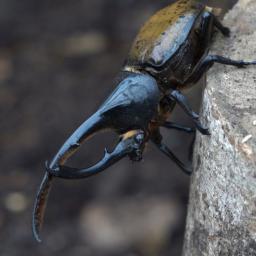
Human-made fertilizers boost crop production, making it easier to feed more people with the same land. But chemical fertilizers made from ammonia and other chemicals can cause pollution. Beetle poop is cleaner and helps farmers reduce their carbon footprint.
|
 |
by Emma Jacobs on (#5XKHJ)
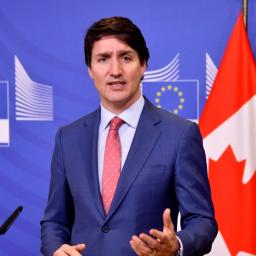
Canada plans to accept unlimited numbers of Ukrainians fleeing the ongoing Russian invasion. Meanwhile, progress remains slow in the resettlement of 40,000 Afghans.
|
|
by Emma Jacobs on (#5XH27)
Canada plans to accept unlimited numbers of Ukrainians fleeing the ongoing Russian invasion. Meanwhile, progress remains slow in the resettlement of 40,000 Afghans.
|
 |
by Rebecca Rosman on (#5XH28)
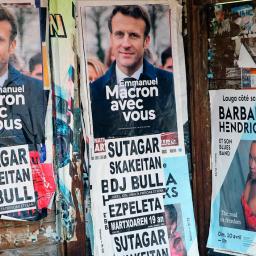
As French presidential elections approach, many voters are backing incumbent Emmanuel Macron for his handling of the war in Ukraine and the COVID-19 pandemic.
|