Thumbnail 1739549
thumbnail
Large (256x256)

Articles

The Morning After: NASA’s Artemis II is on a voyage around the Moon
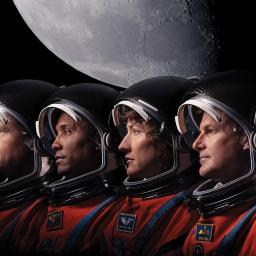
NASA's Artemis II successfully launched on April 1, with its crew on a 10-day mission to circle the Moon. It's the first crewed Artemis flight and a major step toward humanity returning to our little neighbor in the future. Since launch, the vehicle has separated from its launch system and been manually piloted, testing how the Orion capsule will dock with future lunar landers. There have been some snags, however: The onboard toilet went awry, and Microsoft Outlook has been acting screwy.Jokes aside, there is something magnificent about seeing humanity taking to the stars once again. That, for all of our worst instincts, we can still come together to solve problems and explore beyond our own horizons.- Dan CooperThe other big stories (and deals) this morning
How to watch the historic Artemis II lunar flyby
NASA's Artemis II mission is about to make history. After a successful April 1 launch, and a trip of 39,000 miles through space, astronauts Reid Wiseman, Christina Koch, Victor Glover and Jeremy Hansen are about to travel farther from Earth than any human beings have before, and you can watch the entire thing unfold online. NASA will stream the entire flyby on YouTube and its own NASA+ website, with coverage beginning at 1PM ET. You can also watch NASA+ through Netflix.It's going to take some time for things to get underway, so if you're working or have plans this evening but don't want to miss seeing history being made, your best bet is to try and catch a handful of key moments. At approximately 1:56PM ET, Artemis II will fly farther than any crewed mission has before, breaking the previous record set by Apollo 13 in 1970. Then, the Orion spacecraft will begin its flyby of the Moon at 2:45PM ET, with the craft expected to make its closest approach to the lunar surface at approximately 7:02PM ET. A few short minutes later, the spacecraft will reach its maximum distance from Earth at about 7:07PM ET.A little more than an hour later at 8:35PM, the Artemis II crew will get a chance to see a total solar eclipse from the far side of the Moon. This is something that won't be visible from Earth. So if you can only catch one part of the broadcast, this is the one to watch.This article originally appeared on Engadget at https://www.engadget.com/science/space/how-to-watch-the-historic-artemis-ii-lunar-flyby-155114417.html?src=rss
1