 |
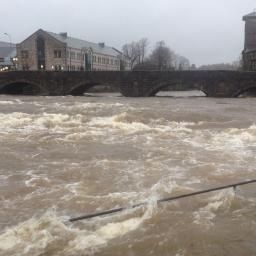
by Mark Tran on (#TMXS)
Motorists told to drive ‘only if absolutely necessary’ after torrential rain and Environment Agency issues flood warnings
|
| Link | http://feeds.theguardian.com/ |
| Feed | http://feeds.theguardian.com/theguardian/environment/rss |
| Updated | 2026-08-20 15:15 |
 |
by Gary Fuller on (#TP6S)
The sparkles from fireworks last a few seconds but the air pollution can linger in our cities for hours.Firework smoke is rich in tiny metal particles making it very different to normal urban air pollution. These metals are used to make firework colours in much the same way as Victorian scientists identified chemicals by burning them in a Bunsen flame; red from strontium or lithium, blue from copper and bright green or white from barium compounds. Continue reading...
|
 |
by Nicolas Holliman on (#TNAT)
My twin brother, Jonathan, who has died aged 69, helped ignite the modern environmental movement. In the early 70s he was a founding member of Friends of the Earth UK, set up the National Union of Students’ environment committee, and was an organiser of the first United Nations youth conference on the human environment.A lover of hitchhiking and hostelling, in 1973 Jonathan received a Winston Churchill Memorial Trust fellowship and campaigned as an environmental activist in London, Japan and New Zealand. He was the author of three books on the environment, including Consumers’ Guide to the Protection of the Environment (1974). Continue reading...
|
 |
by Ed Cumming on (#TMQD)
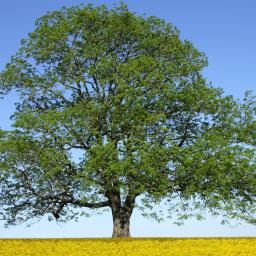
Cycling writer Rob Penn takes an enjoyable change of direction – into the woods“I grew up under an ash tree,†Robert Penn writes at the start of his new book. Really, his point is that we all did. The oak might have inspired more poetry, and the willow has a more evocative name. Ash was never used to make “stately furniture†or “Her Majesty’s shipsâ€. But Penn argues that for all its apparent lack of glory, ash has been, at least in Europe, our most intimate sylvan companion.Fraxinus excelsior has certainly been put to an exhausting variety of quotidian but essential uses: primitive bicycles, barrows, tool handles, cartwheels, fishing rods, looms, ladders, joists, beams, butcher’s blocks, charcoal, toboggans – even Achilles’s spear. To Penn’s eyes, the freshly sawn wood is “pinkish white and disturbingly like human fleshâ€. When the situation calls for an unfussy, dependable wood, it is to ash that we have turned, but the literature about it is surprisingly thin on the ground. Continue reading...
|
 |
by Nicola Davis on (#TKYH)
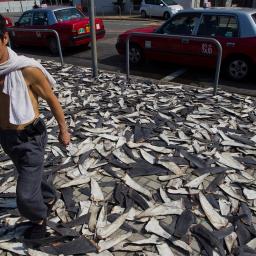
Food tech firm makes alternative to Asian delicacy that kills 73 million fish a yearA new San Francisco startup is hoping to combat the trade in shark fins with biotechnology.New Wave Foods is planning to use genetically modified yeast to produce collagen, which can be crafted into the desired fan-like structure typical of shark fins. “You start with a gel and then stretch it into the right conformation,†says Jenny Kaehms, a bioengineer and co-founder of the company. Continue reading...
|
 |
by Johan Rockström on (#TKZ0)
World leaders must come up with a plan at this month’s climate change conference in ParisWe Homo sapiens got lucky. Very lucky. Back in the 1920s, when looking for a “safe†gas to use in refrigerators, chlorine was the element of choice in a new family of manmade chemical compounds – chlorofluorocarbons. In the 1970s, Paul Crutzen, Mario Molina and Sherwood Rowland discovered that while it was safe in our fridges, it was destroying the ozone layer, which is essential to protect all life on land.Luck struck twice. Nasa scientists measuring ozone above Antarctica in the 1980s never saw the ozone hole in their data. Their computers were programmed to ignore any figures deemed “impossibleâ€. Luckily, the British Antarctic Survey had no such technology and sounded the alarm. In 1997, nations signed the Montreal Protocol outlawing CFCs. Continue reading...
|
 |
by Robin McKie on (#TKWG)
Paris summit must recognise spreading health danger posed by global warming, says Wellcome Trust directorEpidemics of dengue fever and other tropical diseases could soon affect people in Britain because of global warming, one of the world’s leading medical experts has warned. Jeremy Farrar, director of the Wellcome Trust, said he also believed the planet is already being affected by many other serious health threats triggered by climate change – including malnutrition and deaths from air pollution.However, these dangers were not being given proper attention by world leaders, added Farrar, an expert on infectious diseases. Climate negotiators heading to Paris this month did not appear to have understood the widespread impact that global warming has already had on Earth. “I don’t think the health community has had a big enough input into climate talks,†Farrar told the Observer. “Bodies like the World Health Organisation have not made their voices heard.†Continue reading...
|
 |
by Johan Rockström on (#TKQT)
As the world prepares for the UN Paris climate summit, the world is at a tipping point. But a political and scientific revolution could yet save itWe Homo sapiens got lucky. Very lucky. Back in the 1920s, when looking for a “safe†gas to use in refrigerators, chlorine was the element of choice in a new family of manmade chemical compounds – chlorofluorocarbons. In the 1970s, Paul Crutzen, Mario Molina and Sherwood Rowland discovered that while it was safe in our fridges, it was destroying the ozone layer, which is essential to protect all life on land.Luck struck twice. Nasa scientists measuring ozone above Antarctica in the 1980s never saw the ozone hole in their data. Their computers were programmed to ignore any figures deemed “impossibleâ€. Luckily, the British Antarctic Survey had no such technology and sounded the alarm. In 1987, nations signed the Montreal Protocol outlawing CFCs. Continue reading...
|
 |
by Jim Powell on (#TK1K)
The Paris attacks, Europe’s refugee crisis, the election in Myanmar – the best photography in news, culture and sport from around the world this week Continue reading...
|
 |
by Press Association on (#TJNF)
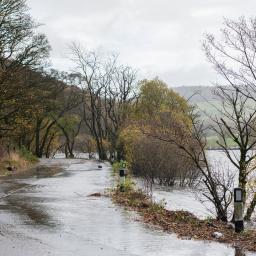
Month’s rainfall forecast to fall in 24 hours in some areas, with special pumps dispatched to Cumbria where flood risk is greatestPeople in northern England and Wales have been warned to brace themselves for possible flooding as another band of heavy rain sweeps across the UK.The Met Office has issued amber warnings of severe weather for north-west Wales and parts of north-west England, with the Environment Agency saying Cumbria, Lancashire, Greater Manchester, and North and West Yorkshire are at risk from significant river and localised flooding on Saturday evening and into Sunday. Continue reading...
|
 |
by Presented by Jane Perrone and Alys Fowler Produced on (#TGE5)
Green roofs are sprouting up all over the place, but what's the point of putting plants on top of buildings?Green roofs are sprouting up all over the place but what's the point of putting plants on top of buildings?On the show, Jane Perrone talks to green roof guru Dusty Gedge about high-rise wildlife habitats and how to build a green roof on a budget, and visits David Matzdorf's exotic green roof in London. Plus she gives us a tour of her very own green roof and plants some new additions Continue reading...
|
 |
by Guardian Staff on (#TJ76)
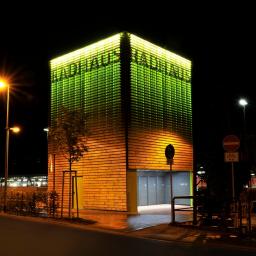
Businesses and cities are installing state of the art parking facilities for the swelling ranks of cyclists, but will they pay to park?For all those cyclists who leave their bike at the station only to spend the rest of the day worrying it will be stolen or vandalised, there may be hope in the form of a German-designed tower.“When you get to a train station these days, you see 150 metres of bikes. We need much more compact solutions,†says Nick Child, managing director of Cardok, which will distribute the Radhaus tower in Britain. (Radhaus is a pun on the German word Rad, which means bicycle, and Rathaus, which means city hall.) “We need much more compact solutions.†Continue reading...
|
 |
by Miles Brignall on (#TJ2S)
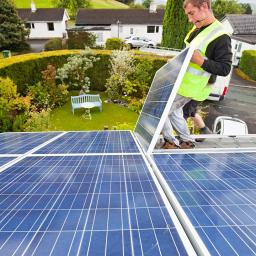
Householders are rushing to take advantage of generous Fits before they are cut in January – and you can tooAround 655,000 homes – less than 3% of the UK’s housing stock – have solar panels, but if government plans to slash the industry subsidy go ahead, further installations could be halted, campaigners are warning.The solar industry, backed by at least 35 MPs, is proposing an alternative plan to encourage further installations while adding just £1 to the average electricity bill. But amid fears their plea will fall on deaf ears, householders are rushing to take advantage of feed-in tariffs (Fits) while they last. Continue reading...
|
 |
by Alys Fowler on (#THZK)
‘Cover it with something to keep the rain off. Some people use upturned dustbins’In the spring I bought two small banana plants. They have grown well on my south-west-facing patio, but I’m not sure how to care for them now winter is approaching. Should I bring them inside, fleece them or maybe even cut foliage off?You need to keep the worst of the winter rain off; this is the main enemy, rotting the crown of the plant. The foliage will blacken after the first hard frost and start to rot, so you will need to remove this. You can, if you like, cut the banana back before it is frosted: leave a stump a foot or so high. Mulch around the base of the plant with very well-rotted garden compost or bark mulch, wrap the crown up with fleece, then cover it with something to keep the rain off. Some people use upturned dustbins (depending on the size of the plant); perhaps you could use a cloche, which would look more attractive. Continue reading...
|
by Emma Howard on (#THZN)
Economist says Paris summit offers a decisive moment in history for investors to move out of the dirty fuels that put the ‘public’s wellbeing at risk’Thomas Piketty has called for investors to move their money out of fossil fuels ahead of landmark UN climate change talks.The French economist, along with ‘ecological economist’ Tim Jackson, authors of the respective bestselling books Capital in the Twenty-First Century and Prosperity Without Growth: economics for a finite planet, said that investors should divest from a sector with a business model “at odds with physical realitiesâ€. Continue reading...
 |
by Ed Douglas on (#THY8)
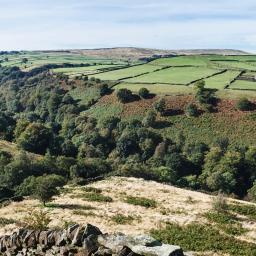
Bretton Clough, Derbyshire Tibetan lamas speak of sacred hidden valleys that offer spiritual refuge. If such a place exists in north Derbyshire then this is it – a narrow, steeply sided valley, thick with trees, that seemed full of secrets and surprisesAt Abney Manor, a dozen goldfinches burst into the air, light catching their red faces and the broad yellow bar on their wings. I stopped to watch, and then looked down into Bretton Clough.Tibetan lamas speak of beyul, sacred hidden valleys that offer spiritual refuge. If such a place exists in north Derbyshire then this is it. Its watershed divides Eyam and Shatton moors, a narrow, steeply sided valley, thick with trees, that feels remote and convoluted in clear weather, but today seemed full of secrets and surprises. Continue reading...
|
 |
by Kevin Rawlinson on (#TGZW)
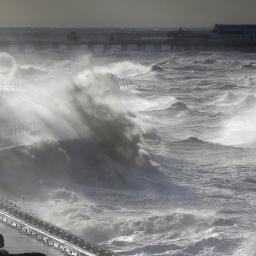
Met Office issues amber warnings, the second highest, and Environment Agency says parts of northern England face significant river floodingAreas of north-west England, Yorkshire and north Wales, as well as all of Northern Ireland, have been warned to be prepare for heavy rain on Saturday after storm Abigail left thousands without power and closed schools.The Met Office put in place a series of amber warnings, the second highest, while the Environment Agency warned that communities in northern England faced the risk of significant river flooding over the weekend. Continue reading...
|
by Greg Harman and Nice and Serious on (#TGVC)
Companies like to tout their corporate values, which often include terms such as ‘authentic’ and ‘green’. But what do these words actually mean? Explore our interactive dictionary of some of the most commonly used terms in corporate values. Click on the contents to read more Continue reading...
by Graham Ruddick on (#TGVD)
The Samarco disaster in Brazil could be as big a corporate disaster as Deepwater Horizon – is corporate governance failing employees and the planet?The bursting of two dams at the Samarco iron ore mine in Brazil means there is another corporate scandal facing big business. The Anglo-Australian mining company BHP Billiton and its Brazilian partner Vale have been fined almost £50m by the Brazilian government after a deadly mudslide at their jointly-owned mine.The two companies could have to fork out $1bn (£657m) in clean-up costs – and probably more in lawsuits and compensation – and the disaster has the potential to be as damaging, at least in terms of reputation, as BP’s Deepwater Horizon disaster of 2010 and the Volkswagen emissions crisis. Continue reading...
 |
by Francesca Perry, Marta Bausells and Guardian reade on (#TGS7)
From transport and gentrification to community initiatives, readers from Mexico City shared their stories and photos of life in the capital – and how it’s changingThroughout our special Mexico City week, we’ve welcomed residents’ stories of the Mexican capital today and how it is changing, in order to understand a fuller and broader view of life in the city. Through GuardianWitness, Whatsapp, Twitter and emails, you shared your pictures, videos and experiences with us – and we’ve published a selection below. Thank you to everyone who contributed. Continue reading...
|
 |
by Bruce Douglas in Rio de Janeiro on (#TGNX)
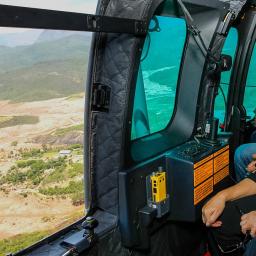
Toxic mudslide from collapse of dams spreads as BHP Billiton fined $66mNine people are now confirmed dead, and a further 19 remain unaccounted for as a slow-motion environmental catastrophe continues to unfold following the collapse of two mining dams in Brazil’s mineral-rich state of Minas Gerais.Eight days after the town of Bento Rodrigues was swept away by 50m cubic metres of toxic mud, a slow-moving tide of toxic iron-ore residue is oozing downriver, polluting the water supply of hundreds of thousands of residents as it makes its way to the ocean. Continue reading...
|
 |
by Julia Kollewe on (#TG95)
VW sales drop by 1.5% in Europe but rise in North America in October, a month after it admitted rigging nitrogen oxide testsVolkswagen car sales fell worldwide last month as the German carmaker counted the cost of the emissions rigging scandal.VW sold 490,000 cars of its namesake brand last month, 5.3% fewer than a year earlier, while its Czech brand Å koda was down 2.7% and Spanish marque Seat dropped 3.1%. Commercial vehicles registered a sharper decline of 9.8%. Audi sales held up with 2% growth, while Porsche raced ahead with an 18% increase. Continue reading...
|
 |
by Gideon Mendel on (#TFXZ)
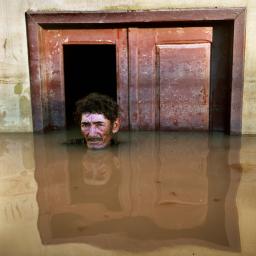
For eight years, Gideon Mendel has travelled the globe, photographing people whose lives have been devastated by floods. Here are his images of a drowning world
|
 |
by John Vidal on (#TGBY)
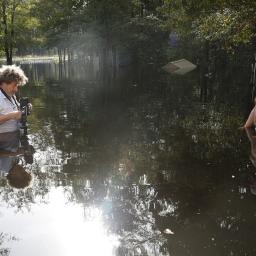
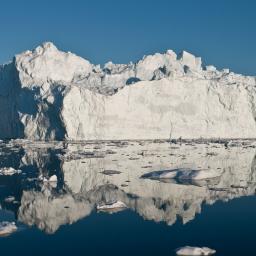
Since 2007, Gideon Mendel has photographed lives turned upside down by floods. What do his latest images reveal?• See more images from Gideon Mendel’s flood project
|
 |
by Environment editor on (#TGC8)
The week’s top environment news stories and green events. If you are not already receiving this roundup, sign up here to get the briefing delivered to your inbox Continue reading...
|
by Dave Bry on (#TG6D)
It’s mid-autumn in New York. The fact that my wife and I are being woken up every night by mosquitoes in our bedroom is legitimately a sign of apocalypseIn the midst of dire headlines and global horror, sometimes the greatest, most devastating terror strikes you right in your home, right in your bedroom, in the middle of the night.
 |
by Rebecca Smithers on (#TG36)
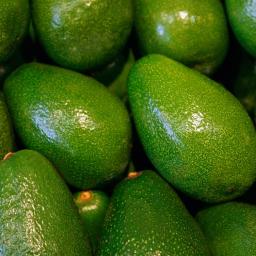
Tesco’s ‘fast-frozen’ de-stoned and peeled avocado packs could help to cut down on the 54,000 tonnes of stone fruit wasted in Britain each year, say expertsToo slow to ripen or too squidgy and brown inside, avocados often end up contributing to the UK’s food waste mountain. But Tesco believes it has the answer to our avocado woes: frozen ones, de-stoned, peeled and ripe when they thaw out.On sale from this weekend, in what is believed to be a first for a UK supermarket, the frozen avocados will also be cheaper than the fresh fruit at £2.50 for nine halves. Continue reading...
|
 |
by Arthur Neslen on (#TFYB)
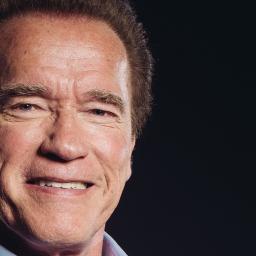
California senator and actor explodes tusk in video to draw attention to illegal wildlife trade that kills tens of thousands of elephants each yearThe all-action movie star and former California senator Arnold Schwarzenegger has lent his weight to a campaign against ivory poaching by blowing up an elephant tusk on camera.The Wildlife Conservation Society’s ‘96 elephants campaign’ aims to draw attention to the daily death toll of the majestic animals. Continue reading...
|
 |
by Press Association on (#TFVG)
Hundreds of pupils in Tower Hamlets given next week off as pest control teams attempt to tackle outbreakTwo primary schools have been forced to close after they became infested with false widow spiders.Hundreds of pupils who attend the Osmani and Thomas Buxton primary schools in Tower Hamlets, east London, have been told they won’t have to go in for the next week as pest controllers try to tackle the outbreak. Continue reading...
|
 |
by UCB Comedy on (#TFRX)
It’s been a tough year for coal industry PR. Whether it’s coal, oil or fracking, some PR execs will stop at nothing to improve the reputation of fossil fuels. To demonstrate, the Guardian teamed up with UCB Comedy to uncover what’s really going on inside fossil fuel industry boardrooms. Continue reading...
|
 |
by Eric Hilaire on (#TFR1)
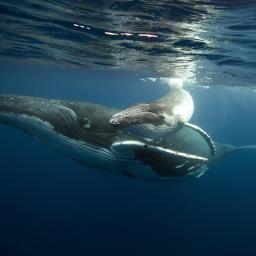
Thirsty bees, sleeping lions and a tiny elephant shrew are among this week’s pick of images from the natural world Continue reading...
|
 |
by Emma Howard on (#TFR3)
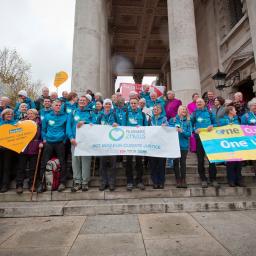
Members of different denominations embark on a two week long march to the Paris climate change talks to raise awareness of environmental issues“Not getting lost in London will probably be the first hurdle,†laughed Jade Till, a teacher from Stroud, before adding that walking 19 miles on a cold November day will also be a challenge.Sat in the crypt of St Martin’s-in-the-Fields on the edge of Trafalgar Square on Friday, Till was about to walk 200 miles to Paris on a two week “pilgrimage†to crunch UN climate change talks where world leaders aim to negotiate a new deal on limiting greenhouse gas emissions. Continue reading...
|
by Katherine Purvis on (#TFZ6)
From sewage and toxic waste to mining deposits and oil spills, the world’s rivers, lakes and oceans have never been dirtier or more dangerous Continue reading...
by Damian Carrington on (#TFJW)
Foreign secretary Philip Hammond tells US free-marketeers that climate action boosts economies, while at home George Osborne undermines the green economyPerhaps it’s being forced to think about global matters and the dangers they pose, but the UK’s foreign secretary Philip Hammond, like his Conservative predecessor, both understands the risks of climate change and the urgent need to act.In a powerful speechthis week, he said: “Taking action to combat climate change is the right thing to do - the conservative thing to do.†Hammond had deliberately picked a tough crowd: the American Enterprise Institute, the free-marketeers who have for years have turned ExxonMobil and Koch dollars into climate change denial. Continue reading...
 |
by Mark Tran on (#TFFP)
Environment Agency says Cumbria, Lancashire, Greater Manchester, and North and West Yorkshire most at riskThe Environment Agency has sent water pumps to Cumbria and issued flood warnings for areas in northern England this weekend as heavy rain is expected to fall on already saturated ground.
|
 |
by Owen Jones on (#TFEK)
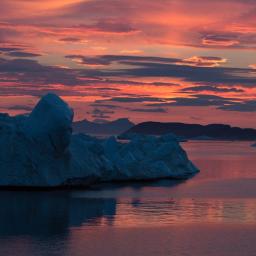
It’s easy to switch off when you hear another report of rising sea levels. But unless individuals act, we’re heading for a global catastropheIt’s the existential threat to our species, and it bores us to tears. Admit it. You think the consequences of human-driven climate change are terrifying, but it seems too abstract, too technical and too long term. A recent poll in the US found that, while most Americans accepted that the climate was indeed changing, less than a quarter admitted to be either extremely or very worried about it.Related: Collapsing Greenland glacier could raise sea levels by half a metre, say scientists Continue reading...
|
 |
by Arthur Neslen Wageningen, the Netherlands on (#TFBA)
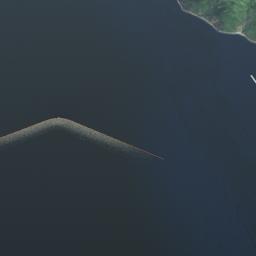
Real life trials of a groundbreaking array designed to clean up the vast plastic island in the Pacific are due to begin next year after successful tests of a prototype in the NetherlandsA crowdfunded 100km-long boom to clean up a vast expanse of plastic rubbish in the Pacific is one step closer to reality after successful tests of a scaled-down prototype in the Netherlands last week.Further trials off the Dutch and Japanese coasts are now slated to begin in the new year. If they are successful, the world’s largest ever ocean cleanup operation will go live in 2020, using a gigantic V-shaped array, the like of which has never been seen before. Continue reading...
|
 |
by Reuters on (#TF8X)
French energy firm should halt expensive UK project in which it has has nothing to gain and everything to lose, says association of employee-shareholdersEDF’s £18bn project to build two nuclear reactors in Hinkley Point, Britain, is so expensive and so risky that it puts the survival of the French utility at risk, an association of employee-shareholders said on Thursday.EDF Actionnariat salarié (EAS) said in a statement that the interests of EDF are gravely threatened by the Hinkley Point project, which it calls “a financial catastrophy foretold†in which EDF has nothing to gain and everything to lose. Continue reading...
|
 |
by Lenore Taylor on (#TF2Z)
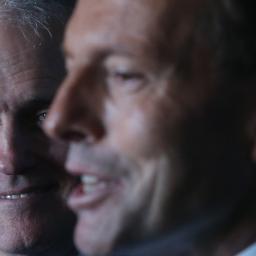
The new prime minister’s only encumbrances are those he was lumped with, like Abbott’s ‘make the poorest worse-off’ mindset and a dud climate policyBaggage. Tony Abbott remarked this week – somewhat pointedly – that Malcolm Turnbull wasn’t weighed down by much of his own.
|
 |
by Katharine Murphy Deputy political editor, Berlin on (#TEV2)
Australian prime minister touches down in Berlin for a day focused on climate, business links and the influx of asylum seekers from Syria into EuropeMalcolm Turnbull has touched down in Berlin for a day of meetings with the German chancellor Angela Merkel ahead of the G20 summit in Turkey.Related: Market forces help Turnbull to build warmer relations with Indonesia Continue reading...
|
 |
by Shumi Bose in Mexico City on (#TESY)
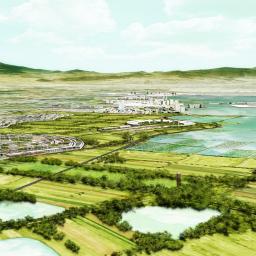
Alberto Kalach explains why the solution to the capital’s future growth may lie with the pre-Hispanic civilisations who built with respect for the environment“For the largest commissions, our government only trusts architects who speak English,†says Alberto Kalach, sitting in the verdant roof garden above his office, Taller de Arquitectura X. “And as you can see, mine is very bad.â€
|
|
by Shumi Bose in Mexico City on (#TET4)
La ambiciosa visión de restaurar los antiguos lagos para la regeneración urbana puede que nunca suceda, pero el arquitecto sigue creyendo que los planes enfocados a las necesidades ecológicas también generan beneficios sociales“Para los proyectos más grandes, nuestro gobierno sólo confÃa en arquitectos que hablen inglés,†dice Alberto Kalach, sentado en el frondoso jardÃn de techo de su oficina, el Taller de Arquitectura X. “Y como podrás notar, el mÃo es muy malo.â€
|
 |
by Sarah LaBrecque on (#TEP0)
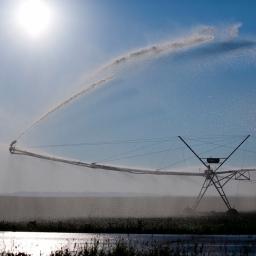
In an online discussion experts debated the farmer’s changing role and how ‘ag-tech’ might make farming sexier and better-paying
|
 |
by Nick Grono on (#TEP4)
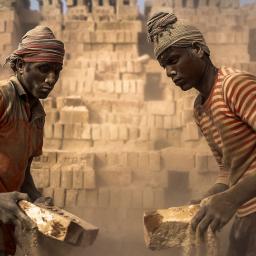
Criminal gangs who employ slave labour are often involved in deforestation or pollution. Fighting slavery will also protect our natural resourcesIn many poor countries, environmental destruction is the tipping point that pushes vulnerable families into slavery. Unseasonal droughts, encroaching deserts, extreme flooding, the death of livestock, or illegal deforestation have a devastating impact on families already living on the brink. As their fragile livelihoods become unsustainable, such families may start to gamble with their liberty.Desperate parents accept offers from unscrupulous “recruiters†to employ their daughters in hotels, often suspecting that the offers are too good to be true, but hoping against hope that their daughters won’t end up in the sex trade, or that sons who are offered “light work†and access to schooling won’t be forced to work double shifts in embroidery factories or road building. Sadly, and all too often, however, that is the outcome. Continue reading...
|
 |
by Claire Stares on (#TEGT)
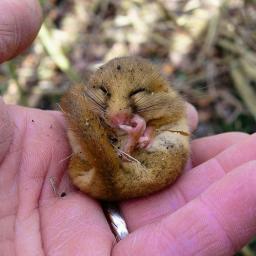
Briddlesford Woods, Isle of Wight Like a magician drawing a rabbit from a hat, Ian’s hand emerges gently grasping a ball of furA confetti of leaves swirl down from the canopy, crunching underfoot as Ian White, dormouse officer of People’s Trust for Endangered Species, leads us along the woodland rides. As creatures of woodland edge and understorey, dormice are among our most threatened mammals, thanks to the decline of traditional woodland management.They are also tiny, nocturnal and predominantly arboreal, only going to ground to hibernate, so the best chance of encountering one is by joining an organised box check led by a licensed handler. Continue reading...
|
by Daniel Hurst Political correspondent on (#TE81)
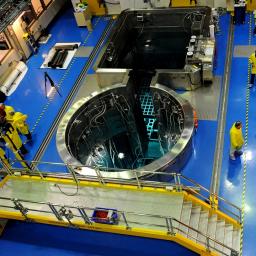
Shortlist includes three sites in South Australia and one each in Queensland, NSW and Northern Territory, but plan will only proceed with public supportThe Turnbull government has set itself a one-year deadline to lock in a single site to store Australia’s nuclear waste, after revealing a shortlist of six locations and promising it will proceed only with community support.Conservationists vowed to “closely track every step of this long and contested roadâ€. The deadline of December 2016 sets the scene for the government to make decisions before, or shortly after, the next federal election. Continue reading...
 |
by Reuters in Mariana, Brazil on (#TDG8)
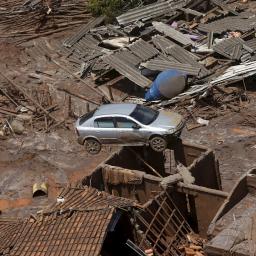
President Dilma Rousseff announced the penalties for co-owners BHP and Vale, after last week’s dam burst coated two states in mud and wasteShares in mining giant BHP Billiton have fallen to new 10-year lows after Brazil imposed an initial fines of 250m reais ($66.2m) on its co-owned operation where two dams burst, killing at least seven people and coating a two-state area with mud and mine waste.
|
 |
by Australian Associated Press on (#TDB1)
Federal government nominates three sites in South Australia and one each in NSW, Queensland and the Northern TerritoryThe federal government has released a shortlist of six sites in the running to become Australia’s first permanent nuclear waste dump for low-level and intermediate waste.The sites were chosen from 28 voluntarily nominated sites around Australia. Continue reading...
|
 |
by Letters on (#TD9D)
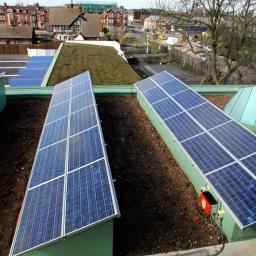
Amber Rudd admits the UK doesn’t have the right policies to meet the UK’s renewable energy targets (Rudd criticised after leak reveals renewables failure, 10 November), but she is clutching at straws to try to transfer the burden on to transport and renewable heat, while sacrificing a popular grassroots movement that could bring about a real transition to a low-carbon economy, under the guise of protecting taxpayers. Hundreds of small volunteer groups that engage communities in combating the causes of climate change by creating their own sustainable energy social enterprises are threatened. If heat is to replicate the success story of solar power, this sector needs more support rather than less.In defending the support given to EDF and its Chinese backers, Ms Rudd may be saving a few pounds of taxpayers’ money now, but she is leaving a legacy of huge increases in electricity bills over the next 45 years. Soaring electricity bills will add urgency to developments in battery technology, already incentivised by the electrifying of road transport, which are key to making the variable output of renewable energy systems viable as an alternative to expensive nuclear power. As storage-based renewable technologies become more competitive we will see communities developing their own micro-grid solutions and going off-grid, rather than paying the high cost of nuclear power. Ms Rudd needs a strategy, not political rhetoric.
|
 |
by Letter on (#TD95)
The death penalty was abolished 50 years ago this week on 9 November 1965. The murder of Becky Watts was a distressing and disturbing event (Report, 12 November), but it is not a reason to bring back hanging. As Roy Jenkins, central to the campaign for abolition, would no doubt have noted, not taking a life for a life is one marker of a civilised society and that remains the case five decades on.
|