|
by John Vidal on (#RWSK)
Nine countries warn European commission not to weaken birds and habitats directives in favour of cutting red tape for business - but UK is not among themAn alliance of nine European governments, led by Germany and including France, Spain, Italy and Poland, have written to the European commission to warn it not to dismantle nature protection laws.But conservationists have questioned why Britain is not part of the effort to publicly defend the habitats and birds directives ahead of a review by the commission aimed at cutting red tape for business. Continue reading...
|
| Link | http://feeds.theguardian.com/ |
| Feed | http://feeds.theguardian.com/theguardian/environment/rss |
| Updated | 2026-04-29 08:31 |
by Guardian Staff on (#RWG5)
Art installation accuses Britain’s largest tuna importer of broken sustainability promises and human rights abuses by parent companyGreenpeace and the TV presenter and environmental campaigner Hugh Fearnley-Whittingstall have launched a protest targeting Britain’s largest tuna importer John West and its parent company Thai Union Frozen Products over the firm’s alleged backtracking on promises to source its fish more sustainably.A group of around 30 people erected a sculpture of a talking can of tuna fish outside John West’s headquarters in Liverpool early on Wednesday. Continue reading...

|
by Simon King on (#RWDB)
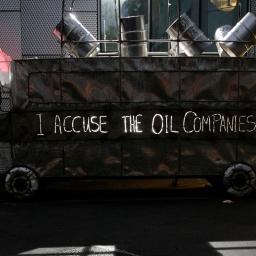
Breaking open a locked cabinet belonging to Maxwell Knight, naturalist and spy, yields not Top Secret documents but a passionate scientific plea ...As excitement over Spectre reaches fever-pitch, the last written works of the real-life M have been discovered in a filing cabinet. They too contain a haunting, terrible truth, not about a sinister organisation but the depredations of industry on the world of nature.The observations contained in a newly-discovered and unpublished manuscript, The Frightened Face of Nature, are the work of one of MI5’s most intriguing and talented employees, Major Charles Henry Maxwell Knight, generally considered to be the original for Ian Fleming’s M. Knight’s life as a second world war spycatcher saw him inter alia penetrate British fascist movements, foil a plot to stop the Americans from entering the war and debilitate Britain’s burgeoning “fifth column†Nazi sympathisers. Continue reading...
|
|
by Anthony Tucker on (#RWB4)
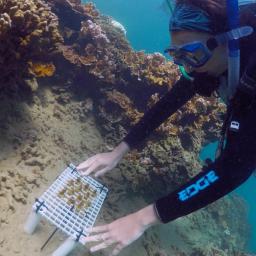
Conservationist whose work led to a ban on pesticides such as DDT, and so helped populations of birds of prey to recoverNorman Moore, who has died aged 92, was a gentle giant in the field of wildlife and conservation policies. He emerged into the public arena during the 1960s as leader of a team that highlighted the devastating effects that organochlorine pesticides were having on British wildlife. The revelation eventually led to a ban on pesticides such as DDT, followed by a slow but dramatic recovery in the populations of many animals at the top of the food chain, in particular birds such as peregrines, eagles, red kites and sparrowhawks.Moore’s team made its findings at the Nature Conservancy’s Monks Wood research laboratory near Huntingdon, Cambridgeshire, where, from 1960, he was head of the toxic chemicals and wildlife division. The team found that dramatic declines in numbers among birds of prey were primarily a result of egg-shell thinning caused by pesticides, and that species were under threat of extermination because their eggs were structurally too weak to survive in the nest. Continue reading...
|
|
by Jana Kasperkevic in New York on (#RW9P)
Pies, coffee, beer and ice cream – pretty much anything can be pumpkin-flavored at this time of year making the seasonal squash a multimillion-dollar businessWith Halloween just days away, pumpkins are out in full force – sitting on your neighbor’s stoop, decorating your co-worker’s desk or giving your local coffee shop that autumn-y feel.Orange really is the new black – and not just when it comes to decorations. Continue reading...

|
|
by Bill McKibben on (#RW58)
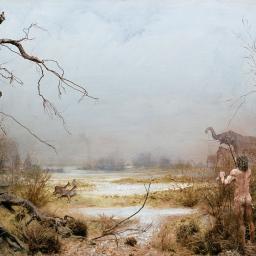
With the oil giant vouching for the science of climate change 25 years ago, there is no way we would have wasted decades in fruitless argumentLike all proper scandals, the #Exxonknew revelations have begun to spin off new dramas and lines of inquiry. Presidential candidates have begun to call for Department of Justice investigations, and company spokesmen have begun to dig themselves deeper into the inevitable holes as they try to excuse the inexcusable.(Worst idea: attack Pulitzer prize-winning reporters as “anti-oil and gas activistsâ€) Continue reading...
|
|
by Rhik Samadder on (#RW1E)
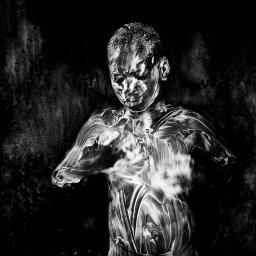
You could just boil less water in an ordinary kettle. But most of us don’t, because we’re awfulThe Wahl EcoLogyk kettle (£59.99, ethicalsuperstore.com) is a bicameral water heater with a plunger-controlled partition. Regulating fluid transfer between reservoirs ensures only the necessary volume is boiled. Continue reading...
|
|
by Philip Hoare on (#RVZ3)
Dung is vital to life on Earth. The mass extinction of large mammals – and our squeamishness at our own bodily functions – is an environmental tragedyIt’s a logical result of extinction, so one wonders why no one bothered to do the sum before: what happened to the world when it lost the cumulative billions of tonnes of faeces produced by mammoths, sloths and whales? A new study from the University of Vermont has shown that the planet has suffered twofold from the removal of this biomass. Not only from the lack of diversity created by the extinctions of ancient megafauna and modern, human-induced depletions of many species – from seabirds to elephants, and whales – but from what they once did for our planet by spreading their poo around, redistributing nutrients and fertilising new growth.“The past was a world of giants,†the new paper rhapsodises, evoking an Edenic world – albeit one full of poo. Dr Joe Roman, co-author of the study, says: “This once was a world that had 10 times more whales, 20 times more anadromous fish like salmon, double the number of seabirds, and 10 times more large herbivores like giant sloths and mastodons and mammoths … this broken global cycle may weaken ecosystem health, fisheries and agriculture.†Continue reading...
|
|
by Arthur Neslen on (#RVZ5)
Campaigners condemn UK moves to vote down legally binding EU curbs on agricultural emissions, warning they could cause 3,000 more deaths a yearThe UK government’s opposition to binding cuts in pollution from farms could lead to 3,000 more deaths in the UK, according to research cited by the environmental NGO ClientEarth.An advisory paper sent to MEPs by the UK’s environment department and seen by the Guardian, recommends voting down proposals in Strasbourg today for legally binding curbs on emissions of ammonia, methane and particulates from the agricultural sector. Cumulatively, they are thought to be responsible for an annual 400,000 deaths in Europe. Continue reading...
|
|
by AFP on (#RVRF)
At least 80 world leaders, including Barack Obama, Xi Jinping, David Cameron and Narendra Modi, will join talks aiming to forge a new global climate dealAt least 80 world leaders, including Barack Obama, Xi Jinping, David Cameron and Narendra Modi, will attend a summit tasked with agreeing a global climate pact in Paris in December.Diplomats endorsed the outlines of the proposed deal in Bonn on Friday after five days of fraught negotiation that highlighted just how much work remains to be done in Paris. Continue reading...
|
|
by Carmen Fishwick on (#RVK3)
Are you more or less concerned about climate change than you were? And what are you doing to cut your emissions? Share your thoughts with us before the Paris climate talks next monthWorld leaders will meet in Paris next month for the latest climate summit, where they will discuss a possible new global agreement to tackle global warming. But what, if anything, are ordinary people doing about their own carbon emissions?Current commitments on greenhouse gas emissions run out in 2020, so in Paris governments from more than 190 nations will need to decide what happens for the decade after that at least, and potentially beyond. Continue reading...
|
|
by Oliver Milman on (#RVE6)
Frank Bainimarama says: ‘The Australian government, in particular, seems intent on putting its own immediate economic interests first’The prime minister of Fiji has delivered a blistering broadside at his Australian counterpart, Malcolm Turnbull, over the “climate change deniers†in his government who are helping doom Australia’s “unlucky island neighboursâ€.
|
|
by Agence France-Presse in Jakarta on (#RV2W)
Nineteen people have died and half a million have fallen ill in two months as haze from thousands of fires chokes south-east AsiaThe death toll from acrid haze blanketing parts of Indonesia has climbed to 19, a minister said Wednesday, almost double the previous figure as the crisis from widespread forest fires worsens.
|
|
by Paul Evans on (#RV06)
River Severn, Shrewsbury A missile of glistening skin and fin, the salmon is propelled by instinct upstreamThe clocks have gone back for the winter and the salmon are leaping forward. It’s a fine October day: high cloud in a blue sky, a brassy glow in the trees. A couple of days of rain in the Welsh hills is now pouring over the weir. I join a small group of people holding phones and cameras, gathered at the railings of the weir, watching the water with rapt attention.The river crosses the weir in two steps. It licks smoothly over the lip, down a slope with a rough surface that makes dancing spiders of foam, then riffles taut and quick across a shelf to plunge into roiling white-water before resuming composure downstream. Continue reading...
|
|
by Justin McCurry in Tokyo on (#RTX9)
Australian campaigners to bring court case in a bid to prevent whaling season from going aheadEnvironmental campaigners in Australia have mounted a fresh attempt to prevent Japan from killing hundreds of whales in the Antarctic this winter, as officials in Tokyo indicated they would ignore an international ban on the country’s “scientific†expeditions imposed last year.
|
|
by Daniel Hurst Political correspondent on (#RTN0)
PM tells Adelaide radio that he was sceptical Australia would ever build nuclear power stations, but a larger role in nuclear fuel industry was worth exploringAustralia should “look closely†at expanding its role in the global nuclear energy industry, including leasing fuel rods to other countries and then storing the waste afterwards, Malcolm Turnbull has said.But the prime minister said he was “sceptical†about whether Australia would ever build its own nuclear power stations to provide electricity to domestic customers, given the country had plentiful access to coal, gas, wind and solar sources. Continue reading...
|
|
by Thomson Reuters Foundation on (#RTMM)
Report says rising heat stress could threaten labour capacity across region, with Singapore, Malaysia and Indonesia worst hitRising temperatures and humidity due to climate change are likely to increase the number of days with unsafe “heat stressâ€, putting south-east Asia at great risk of significant drops in productivity, a research firm said on Wednesday.Related: Extreme heatwaves could push Gulf climate beyond human endurance, study shows Continue reading...

|
|
by Agence France-Presse in London on (#RTJK)
Tar sands site had been slated to produce 80,000 barrels a day but lower global prices, cost-cutting and lack of infrastructure contribute to shelvingRoyal Dutch Shell will halt construction of its Carmon Creek thermal oil sands venture in Canada due to “uncertainties†facing the project, including a lack of infrastructure.
|
|
by Gabrielle Chan on (#RSPH)
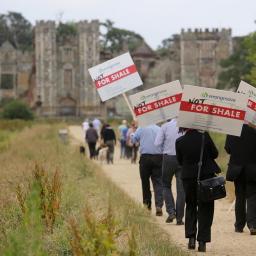
Nationals leader’s comments come after the the suicide of Queensland anti-CSG farmer George Bender and follow Fiona Nash’s call for a change to state lawsNationals leader Warren Truss believes farmers should have the right to veto coal seam gas exploration and extraction on their properties, following a call by assistant health minister Fiona Nash for a change to state laws.Related: Q&A: George Bender's daughter accuses politicians of neglecting farmers Continue reading...
|
|
by John Vidal on (#RS0B)
MPs told it will be several months before levels of nitrogen oxide will become known as there is only one machine available to test real-world emissionsThe government has little idea of how much deadly nitrogen oxide (NOx) is being emitted by individual passenger cars because it has only one £100,000 machine able to test real-world emissions, it has emerged.Until now, government vehicle inspectors have used laboratory tests that can be manipulated by car manufacturers with “cheat devices†to give false results, MPs on the environmental audit committee were told. Continue reading...

|
|
by Reuters on (#RRVF)
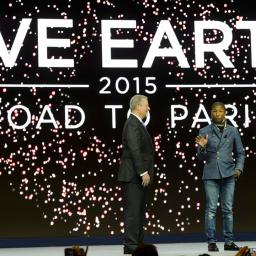
Christiana Figueres tells investor event that a climate deal to be agreed in Paris in December will not be able to come up with a global carbon priceA climate change deal to be agreed in Paris in December will not be able to come up with a global carbon price, the United Nations’ climate chief, Christiana Figueres, said on Tuesday.Big multinational companies and investors, and most recently oil majors, have called for a global carbon price to help spur investments in low-carbon energy. Continue reading...
|
|
by Madeleine Somerville on (#RRPE)
After years of people smelling my hair or teasing me on Twitter, I finally decided to ask those closest to me what they really think of my commitment to live green“Do I smell?†I asked this question to the man I’m dating, and he was appropriately perplexed.“What?†he asked. Continue reading...

|
by Ucilia Wang on (#RRHZ)
From Tesla’s Powerwall to flow batteries, we look at existing and emerging technology that could be a critical part of the sustainable energy puzzleBatteries – the workhorse technology that injects life into gadgets we can’t live without – are taking on a bigger role as they replace petrol tanks in cars and make their way into homes and businesses to store electricity from rooftop solar panels or the grid.
|
by Arthur Neslen Brussels on (#RRFR)
MEPs outraged as biggest three European countries push for watered down nitrogen oxide targets ahead of crucial EU vote
|
|
by David Smith à Mubuga on (#RRE1)
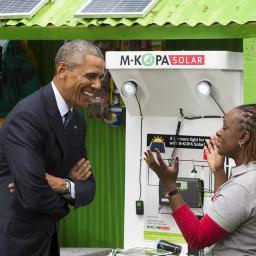
« Ce serait fantastique d’obtenir de l’électricité du soleil » : le coup d’Etat et le contrecoup ne diminuent pas l’engouement pour un projet d’énergie solaire dans un village du Burundi
|
|
by Damian Carrington on (#RREM)
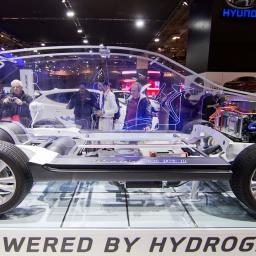
Prince of Wales speaks out on the benefits of divesting from oil, coal and gas and investing in renewables on financial and ethical groundsThe fortunes of fossil fuel companies will be “severely impacted†by a global climate change agreement, Prince Charles warned a financial sector summit in London on Tuesday. He also warned charities holding coal, oil or gas investments that these assets could “represent a significant conflict to their overall missionâ€.The heir to the throne’s intervention comes just weeks before a crunch UN summit in Paris at which the world’s nations are expected to produce an agreement to tackle global warming. It also follows a series of warnings that fossil fuels pose a risk to not only the climate, but also investors’ capital, with Bank of England governor Mark Carney warning in September of “potentially huge†losses. Continue reading...
|
|
by Tom Arup for Sydney Morning Herald, part of the Cl on (#RRCD)
Australia’s leading science institution has put its money where its mouth is on climate change, reports the Sydney Morning Herald
|
|
by Mark Tran on (#RR7E)
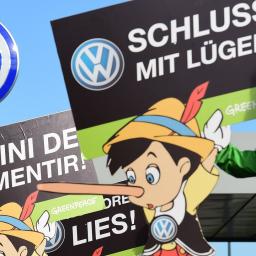
Public Health England imposes movement restrictions at farm in Westbury area after first case of anthrax in livestock since 2006A cow at a farm in Wiltshire has died from anthrax, the first such case in livestock since 2006.Movement restrictions were imposed at the farm and an animal’s carcass was burned at the end of last week. No other animals had been affected and the risk of infection in humans in close contact with the cow was very low, it added. Continue reading...
|
|
by Guardian Staff on (#RQXZ)
A shadowy image of an urban fox taken by British photographer, Richard Peters, is the overall winner of the 2015 GDT European wildlife photographer of the year competition, run annually by the Society of German Nature Photographers. Winners and runners-up explain how they captured their prizewinning shots Continue reading...
|
by Dana Nuccitelli on (#RQWW)
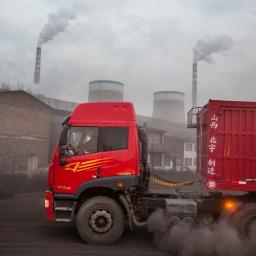
A new study finds that global warming will curb economic growth even in most wealthy countriesA new study published in Nature by scientists at Stanford and UC Berkeley has made waves for its finding that thus far we have dramatically underestimated the damage human-caused climate change will do to the global economy.By looking at data from 160 countries across the 50-year period from 1960 to 2010, the authors found that an average local temperature of 13°C (55°F) is economically optimal, particularly for agricultural productivity. That temperature roughly reflects the current climate in many wealthy countries like the USA, Japan, France, and China. Continue reading...
|
by Julian Borger in London and Tom Phillips in Beijin on (#RQW7)
Beijing is attempting to build artificial islands, while other states in the region are looking to the US to flex its military muscle on their behalfOver the last two years China has dramatically stepped up land reclamation work on reefs and atolls it claims in the Spratly Island chain in the South China Sea, also claimed by the Philippines, Taiwan, Malaysia, Vietnam and Brunei. Chinese ships have been dredging new harbours, while cranes have been erected in an attempt to build artificial islands atop submerged reefs. There is evidence of airstrips being built. The US has protested that the work is illegal and destabilising and for months the Pentagon has been pushing the White House to take a firmer stance. Continue reading...
|
|
by Calla Wahlquist on (#RQR5)
Independent assessors grant conditional approval for the $45m project on the remote north-west coast near BroomeA group of independent assessors has granted conditional environmental approval for a huge $45m onshore gas processing hub on Australia’s remote north-west coast.The three delegates hired by the Environmental Protection Authority were asked in January 2014 to assess a proposal to construct a common-user liquid natural gas precinct at James Price Point near Broome, 2,240km north of Perth, Western Australia. Continue reading...
|
by Alejandro Gonzalez Davidson on (#RQMS)
An environmental activist explains how a grassroots campaign has stalled the building of a dam in CambodiaIt was 2013 and I was swimming down a peaceful river in the Areng Valley in Cambodia, where many siamese crocodiles live. Further down the river young activists, who had earlier that year been shot at by the police during political protests, filmed me as I talked in Khmer about the natural beauty of the area – and all that stood to be lost by building a hydropower dam there.Days later this video went viral in the country and kickstarted our campaign to save the Areng Valley from destruction. At this point there was little environmental activism in Cambodia. Prominent anti-logging activist Chut Wutty had been murdered one year earlier and the big international environmental NGOs were really inactive. Brave, effective civil society in Cambodia was either dead, in jail or didn’t dare move.
|
by Nick Mead on (#RQJB)
Cyclists in Paris are now allowed to ride through red lights, and San Francisco is mulling a similar move. With the four main candidates for mayor considering just such a radical rewriting of the rulebook, could London be next?The lights turn red but the cyclist behind me shoots straight through. Two police officers radio to a colleague up the road who pulls him over and writes out a £50 on-the-spot fine. The Metropolitan Police hand out around 3,000 of these fixed penalty notices a year to cyclists for running red lights: many motorists would like to see them issue more – but could the offence instead be scrapped altogether?When Paris changed the rules this summer to allow cyclists to ride through 1,800 red lights, the French capital joined Brussels and cities in Germany and the Netherlands which have been doing just that for years. There’s a row over proposals to introduce similar changes in San Francisco – cyclists protested against a police crackdown by rigidly obeying traffic laws and brought traffic to a halt. Now, the four main candidates to replace Boris Johnson as mayor have said they will consider such a move in London.
|
by Australian Associated Press on (#RQDZ)
Michael Roche attacks ‘professional anti-gas activists’ for exploiting suicide of coal seam gas opponent George BenderAn outspoken farmer’s recent suicide has been hijacked by some politicians, activists and journalists, Queensland’s peak mining body says.The Queensland Resources Council chief executive, Michael Roche, released a statement on Tuesday afternoon remembering late Chinchilla farmer George Bender, who vocally opposed coal seam gas before his death earlier this month. Continue reading...
|
by Calla Wahlquist on (#RQBH)
Ecologists and Pintupi hunters in Australia’s Gibson Desert are employing ancient techniques in a bid to control the feral cats that threaten native wildlifeWhen Pintupi hunters from the ÂKiwirrkurra community in the Gibson Desert in central Australia catch a feral cat, they have two tasks. The first is to lop off a bit of the tail to give to Central Desert Native Title Services (CDNTS) in exchange for a $100 bounty.
|
|
by Susie White on (#RQAS)
Rumbling Kern, Northumberland: Below the ancient graffiti, an eider works around the bay looking for crabs and musselsGoldfinches clustered on dock seedheads as we made our way down the thin silver path to the sea. Most coastal flowers were over now, though yarrow, flat-topped and bone-white, still bloomed. Rose hips gleamed through tangles of briars. Agrimony seeds bristled, eager to snatch at clothes and be transported somewhere new.A warm autumn day, we sat on sloping boulders below the Bathing House, its sandstone walls and tall chimneys stretching up out of the rock. Built in the early 19th century by Earl Grey of nearby Howick Hall, it was designed for his large family to bathe, with an upstairs sitting room so Lady Grey could check on their 15 children in the pools below. Chisel marks show where a tide-fed swimming place was enlarged. There are remnants of metal fixings for awnings and stepped ledges angled towards the sun. Continue reading...
|
by Shalailah Medhora and Daniel Hurst on (#RQ99)
Opposition leader says ‘I don’t understand what happened to the Malcolm Turnbull of 2009’ and says country missing out on renewables opportunitiesThe right wing of the Coalition is forcing Australians to “pledge loyalty†to coal and in the process missing out on investment opportunities in renewable energy, the opposition leader, Bill Shorten, said.Shorten addressed reporters on Tuesday, explaining the constraints that the prime minister, Malcolm Turnbull, was facing from the right of his own party. Continue reading...
|
by Lenore Taylor on (#RPXX)
The prime minister is impatient for Australia to be right in the thick of the clean energy race, but the policy he has inherited and the mentality of some of his party force him to trot out tired ‘energy poverty’ linesRelated: Malcolm Turnbull: coal export ban ‘would make no difference to emissions’Malcolm Turnbull needs all his rhetorical skill to bridge the gap between what he knows is true and what he has to say to appease his party. Continue reading...
|
|
by Rowena Mason Political correspondent on (#RPTX)
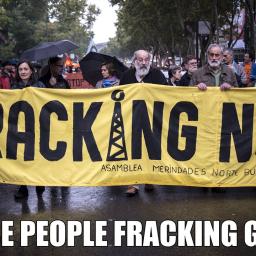
Labour and Greenpeace condemn ‘deeply disturbing’ move to avoid full parliamentary debate on allowing drilling beneath protected areasMinisters have been accused of trying to sneak through new rules allowing shale drilling under national parks without a proper parliamentary debate, in a move condemned by Labour and anti-fracking campaigners.The rules, first proposed in July, would permit drilling underneath protected areas, despite a commitment before the election from Amber Rudd, the energy secretary, to have an outright ban on fracking in national parks, sites of special scientific interest (SSSIs) and areas of outstanding natural beauty. Continue reading...
|
|
by Daniel Hurst Political correspondent on (#RPRG)
The prime minister dismissed the idea of a moratorium after prominent Australians wrote an open letter calling for discussion on a new coal mine banMalcolm Turnbull has declared a moratorium on Australian coal exports “would make not the blindest bit of difference to global emissions†because importers would buy it from elsewhere.Related: Prominent Australians ask world leaders to consider ban on new coalmines Continue reading...
|
|
by Guardian Staff on (#RPHY)
Helen Bender addresses the Q&A panel in Toowoomba on Monday night. Her father, George Bender, killed himself this month after long battle against coal seam gas exploration on his Queensland farm. Days after her father’s funeral, she appeared on the program to ask when farmers would be granted refusal rights and to condemn politicians for ignoring their concernsRead a full report on last night’s Q&A episode Continue reading...
|
|
by Paul Brown on (#RPGJ)
As Patricia, the biggest storm ever recorded in the western hemisphere, made landfall on the Mexican west coast on Friday Bill Patzert, climatologist at Nasa’s jet propulsion laboratory explained its origins. The current El Niño was “high-octane fuel for hurricanes†because it had “piled up a tremendous volume of warm water in the eastern Pacificâ€.Related: Hurricane Patricia hits the Mexican coast – in pictures Continue reading...
|
|
by Joshua Robertson on (#RP8Y)
Helen Bender, whose father killed himself after long battle against coal seam gas, tells program’s panel: ‘I don’t believe any one of you politicians have listened’The Nationals senator Fiona Nash has called for state laws enabling landholders to refuse access to gas companies, saying they are the “simple answer†to an issue brought into focus by the suicide of a Queensland farmer.Nash told the ABC’s Q&A program states should make the necessary changes to empower farmers, and gas projects affecting residents nearby should be put on hold pending further study of their health impacts. Continue reading...
|
by Graham Ruddick on (#RP6K)
History suggests food shoppers only change eating habits in short-term, hence muted reaction from food firms at processed meat and cancer linksSupermarkets and food suppliers, already under fierce pressure over the amount of sugar in the nation’s food, could have done without more revelations about the health consequences of the food we eat. Continue reading...
|
by Ellen Brait in New York on (#RP6M)
American Academy of Pediatrics urges doctors and politicians to protect children from environmental threats, such as natural disasters and heat stressChildren are particularly vulnerable to the effects of climate change, according to a new policy statement from the American Academy of Pediatrics (AAP).
|
|
by David Hellier on (#RP62)
Advisory board insists that avoiding red and processed meat is not a protective strategy against cancerBritain’s meat industry has hit back at the World Health Organisation report that raised alarm over its products by claiming that bacon, sausages and ham cause cancer.An advisory body funded by British meat producers said the key to preventing cancer was avoiding heavy drinking, not smoking and maintaining a healthy weight. “Red and processed meats do not give you cancer,†said Robert Pickard, a member of the Meat Advisory Panel and emeritus professor of neurobiology at the University of Cardiff. Continue reading...
|
|
by Patrick Barkham on (#RP1X)
Starting British summer time a month earlier will make us happier, healthier and more sociable – and possibly better at golf“Eggy go! Eggy go!†My two-year-old’s special rendition of that Frozen song rang out in the pitch-black at 5am on Sunday. I didn’t grumble because we are parents of toddlers for but a few seasons. When I realised it was actually 4am, I confess to a silent groan. The clocks’ autumnal falling-back meant a luxurious extra hour in bed. Now they entail a week of cajoling young body-clocks into rising an hour later each morning. But it’s not this mild inconvenience that makes me wonder why we cling to such an archaic system of time.Related: Iain Hollingshead: Whatever happened to Double Summer Time? Continue reading...
|
|
by Associated Press in Harare, Zimbabwe on (#RNTV)
Latest killings in Hwange national park make 62 elephants that have been poisoned by poachers for their ivory tusks in the African country in OctoberZimbabwean rangers have found the bodies of 22 more elephants that were poisoned with cyanide in the country’s Hwange national park. The grim discovery brings to 62 the number of elephants poisoned by poachers in this southern Africa country in October.
|
|
by Patrick Barkham on (#RNV4)
The wet summer has slashed this year’s yields and increased prices by 30%. The best advice for next year’s Halloween? Grow your ownIt has been hailed as the Great British Pumpkin Shortage. Heavy rain in August cut pumpkin yields in half for Barfoots, one of Britain’s biggest pumpkin suppliers. Another grower in Kent reports a 10% fall.October is the cruellest month for pumpkin growers. “If only Halloween was six weeks earlier … they are ticking timebombs,†grower Jon Barfoot told a produce industry website. I’m not being smug but this alleged crisis won’t be felt in our household, thanks to my dad growing us an “atlantic giant†pumpkin, which feels as heavy as the combined weight of our three-year-old twins. Continue reading...
|