 |
by Agence France-Presse on (#SH5C)
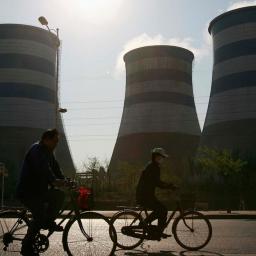
Li Keqiang says Chinese economic model is ‘unsustainable’ and it must cut energy use, but does not outline specific measuresChina has used up too much energy and too many resources in its quest for growth, premier Li Keqiang has told visiting French president François Hollande, adding that the country has a “duty to humanity†to clean itself up.
|
| Link | http://feeds.theguardian.com/ |
| Feed | http://feeds.theguardian.com/theguardian/environment/rss |
| Updated | 2026-08-20 15:15 |
 |
by Tom Levitt on (#SH5A)
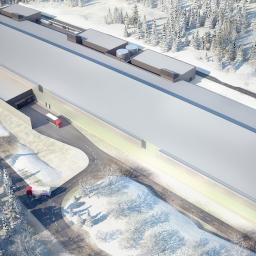
Almost quarter of world’s largest listed companies have set targets for reducing their climate emissionsBusinesses’ commitment to reducing greenhouse gas emissions has reached a tipping point, claims a new report, despite a rise in emissions over the past five years and a lack of transparency by some high-profile brands.Just weeks ahead of a critical UN summit on tackling climate change in Paris, an analysis of data from 2,000 of the world’s largest listed companies has found a rise in action on climate change. Continue reading...
|
 |
by Shalailah Medhora on (#SGNR)
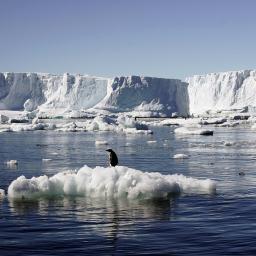
Five years of surveys show 52% of Liberal voters believe in climate change but don’t think human activity is causing it, and 13% do not believe it is happeningFour out of five Australians believe that climate change is happening, but those who do not are much more likely to vote for the Coalition, new analysis of existing CSIRO data has found.Related: Lack of planning for climate change puts Australia behind its allies, report finds Continue reading...
|
 |
by Associated Press on (#SGH9)
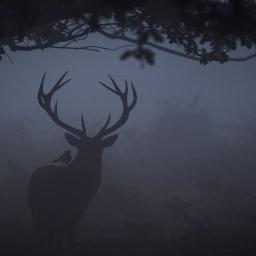
State recommends 90-day jail sentence, fine and lifetime hunting license suspension for Jacob Pool: ‘I hate myself for it because I respect animals’A hunter accused of poaching a well-known and well-liked buck in Twin Falls last winter has reached a plea deal with prosecutors.Jacob Pool, 34, pleaded guilty last week to a felony count of killing or wasting a trophy mule deer during a closed season and a reduced misdemeanor count of destructing or concealing evidence, the Times-News reported. Continue reading...
|
 |
 |
by Associated Press in Harare on (#SFYF)
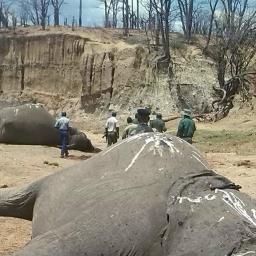
Amnesty condemns ‘shocking attempt to threaten freedom of the press’ as trio from state-run Sunday Mail face slander chargeThree journalists from a state-run weekly newspaper in Zimbabwe will be charged with slander for a front-page story that implicated an unnamed top police officer and other officials in fatal cyanide poisonings of more than 60 elephants for tusks.Sunday Mail editor Mabasa Sasa, investigations editor Brian Chitemba and reporter Tinashe Farawo were arrested on Monday, police spokeswoman Charity Charamba said. Continue reading...
|
 |
by Aisha Gani on (#SFP0)
Owner of local power station pays undisclosed sum for barren headland in south Kent, once home to the late artist and film director Derek JarmanDungeness Estate, the windswept stretch of shingle coastline where the film-maker Derek Jarman spent his final years, has been bought by EDF Energy, the French company that owns a nearby nuclear power station.The sparsely populated, barren headland on the south Kent coast, home to disused railway coaches and sometimes inaccurately described as “Britain’s only desertâ€, has been snapped up by EDF for an undisclosed amount after being put up for sale in the summer for £1.5m. Continue reading...
|
 |
by Suzanne Goldenberg US environment correspondent on (#SFKM)
Christiana Figueres takes swipe at Barack Obama, saying China ‘has taken an undisputed leadership’ in transforming economy to avoid further climate changeChina is now leading the world when it comes to fighting climate change – handily beating the US’s efforts under Barack Obama to move to a clean energy economy, the United Nations climate chief said on Tuesday.
|
 |
by Jonathan Watts Latin America correspondent on (#SFJB)
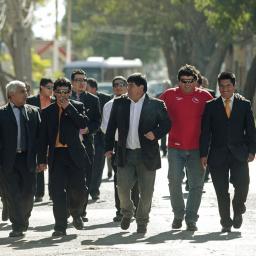
Miners are suing lawyers for bad contracts ahead of release of The 33, which stars Antonio Banderas and Juliette Binoche and depicts their 69-day ordealNine of the Chilean miners who were trapped underground for more than two months in 2010 have sued their lawyers for failing to secure an adequate share of the revenue from a new Hollywood film about their 69-day ordeal.The plaintiffs – many of whom are still suffering from physical and psychological after-affects – say their lawyers offered bad advice and cheated them out of income from books, TV serials and the movie.
|
 |
by Kim Willsher on (#SFB3)
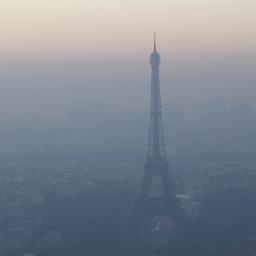
Mayor wins long-running battle to introduce emergency traffic bans when pollution from vehicles reaches dangerous levelsThe mayor of Paris, Anne Hidalgo, has won a long-running battle with the French government to introduce emergency traffic bans in the city when air pollution spikes.The move to speed up the introduction of alternate driving days for cars with odd and even number registration plates was announced after pollution spiked in the French capital on Monday, just weeks before the city is due to host a crucial UN climate change summit. Continue reading...
|
by Guardian readers and Tom Stevens on (#SEMZ)
We asked you to share your October pictures of the wildlife around the world. Here’s a selection of our favourites Continue reading...
by Peter Walker on (#SEN0)
The scheme’s creators are seeking money to fund a floating bike lane in London. But like all such ideas, it misses the point of cyclingWhen last year I first read about a mooted scheme to build a floating pontoon cycleway along the Thames in London, I assumed it was yet another of those design flights of fancy that would generate some speculative media coverage, boost the CVs of those involved, and then vanish.But it seems they’re serious. Continue reading...
 |
by Reuters on (#SEJE)
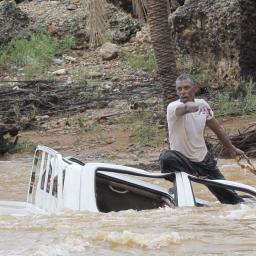
Most intense storm in decades sends thousands fleeing for shelter. UN says of 1.8 million people in cyclone-hit area, 1.4m already need humanitarian support
|
by John Abraham on (#SEC5)
Claims of a ‘hurricane drought’ are based on an arbitrary focus on wind speed while ignoring storm pressure, power, and damage
 |
by Lucy Siegle on (#SE9F)
They have their problems, but hoverboards are much more efficient and eco-friendly than your average petrol scooterEver since blacksmith Kirkpatrick Macmillan was fined 5s in 1842 for injuring a girl on the bike he is said to have invented, history and bylaws have been unkind to new forms of personal transport.Are self-balancing scooters or unicycles (the “hoverboards†seen on our most hipsterish streets) our equivalent? These have been touted as the great crossover technology hit of our times. Continue reading...
|
 |
by Tamsin Rutter on (#SE6Z)
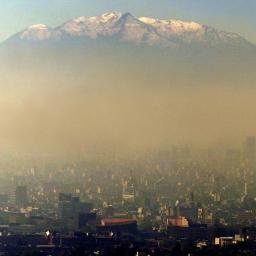
We asked a panel of experts how communities from Mexico City to Belfast are becoming healthier and more sustainable
|
 |
by Mischa Wilmers on (#SDSV)
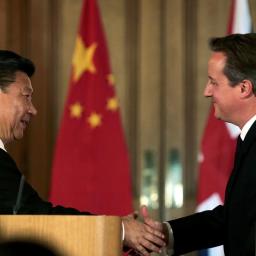
George Osborne has backed a deal with China to build a new £24bn nuclear power plant at Hinkley Point in Somerset. At a Guardian Live event in Manchester we asked, should the UK back nuclear power?Last month George Osborne backed a deal with China to build a £24bn nuclear power plant at Hinkley Point in Somerset. The government claims the new plant will be relied on to deliver 7% of the UK’s electricity while providing a low-cost, low-carbon alternative to fossil fuels. But not everyone agrees, with critics arguing that the plants will be expensive to build and questioning whether nuclear energy represents a safe, clean and cost-effective energy future.The Museum of Science and Industry in Manchester played host to a public debate as part of the Manchester Science Festival in which four expert panellists debated the motion: Nuclear power, yes please. These were some of their thoughts: Continue reading...
|
 |
by Helen Davidson in Milingimbi and Ramingining on (#SDN0)
In Arnhem Land, the Northern Territory government is pinning its hopes on some unusual, but potentially lucrative, projects to increase employmentThree-dimensional printing using recycled water bottles is an unlikely enterprise to be found in a remote corner of Arnhem Land, but it’s among a suite of potential ventures being explored to boost development in Indigenous Northern Territory communities.Also on the table is an expansion of a crocodile egg harvest and hatchery program, and a high-end bespoke furniture company targeting the overseas market. Continue reading...
|
 |
by Mark Cocker on (#SDKG)
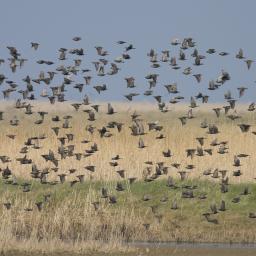
Claxton, Norfolk It’s odd to think of them as chimney-pot solitaries in Warsaw or KrakowOne of the striking aspects of starling flocks is the lack of rhythm in their flight. It looks all metropolitan bustle and hurry, but as I emerge on the track by the marsh I can hear the air rush through all those wings. Then there comes that eternal rash of brittle notes that is the essence of starling palaver.There are about 400, probably fresh in on yesterday’s north-easterlies and originally from Russia or Poland. It’s odd to think of them as chimney-pot solitaries in Warsaw or Krakow – where they call them szpak – each producing that quirky wing-flicking spring bluster, or stabbing worm mush into the yellow-lined flowerheads of their begging youngsters. Continue reading...
|
by Jason Wilson on (#SDH3)
With the environment minister’s concession to farmers who have been fighting coal seam gas, we have a tacit admission that property rights aren’t everythingOn Sunday, environment minister Greg Hunt urged mining companies to recognise the “moral right†of farmers to the land they owned or leased. Hunt was responding to a question from Barrie Cassidy about coal seam gas extraction: should he not simply “give the farmers a right of veto†over new developments?Related: Coalition asks miners and coal seam gas firms to respect farmers' 'moral rights' Continue reading...
 |
by Nancy Groves on (#SDCX)
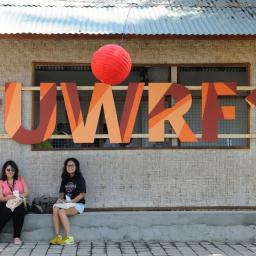
The 50th anniversary of Indonesia’s 1965 anti-communist purges which killed 500,000 gets public airing despite authorities’ moves to enforce silenceIf the Indonesian authorities hoped to silence conversation about the 50th anniversary of the country’s anti-communist purges that killed an estimated 500,000 people in 1965, their 11th-hour curbs on the Ubud writers and readers festival failed spectacularly.Amid the bright floral garlands, free yoga sessions and Bintang beer bottles that dotted 38 venues across Bali’s self-styled “cultural capitalâ€, politics hung heavy in the humid air. The year of 1965 wasn’t so much the elephant in the room as the monkey, popping up wherever it could to add punch and bite to the debate. Continue reading...
|
 |
by Suzanne Goldenberg, US environment correspondent on (#SD9Z)
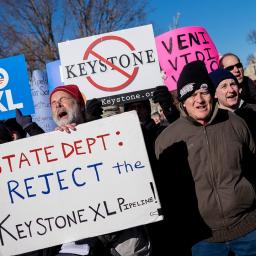
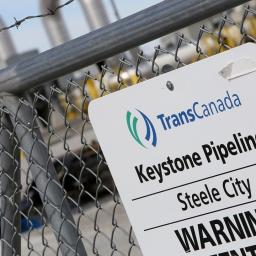
Company asks to suspend permit application with US authorities due to dispute in Nebraska – pushing pipeline issue into next president’s termThe company behind the Keystone XL pipeline has asked for its US permit application to be put on hold – a move that would leave the final decision on the controversial tar sands oil project to Barack Obama’s successor.
|
 |
by Press Association on (#SD65)
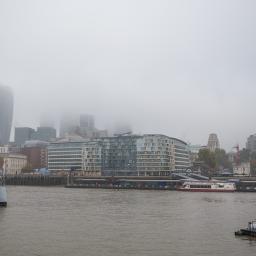
The extreme weather conditions – which caused 10% of flights from Heathrow to be cancelled on Monday – are expected to clear by Tuesday afternoonForecasters have warned that the thick fog which has been causing disruption at UK airports is likely to return for a third day on Tuesday.A total of 129 flights – equivalent to 10% of departures – were cancelled at Heathrow airport on Monday due to air traffic restrictions caused by low visibility. Continue reading...
|
 |
by John Vidal on (#SD2K)
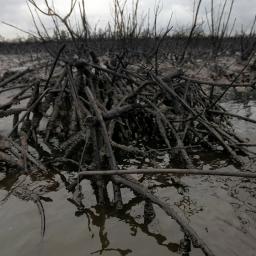
After examining four oil polluted sites in the Niger delta, the human rights group says they remain ‘visibly contaminated’, though Shell says it has cleaned themFour oil spill sites in Nigeria identified by the UN, which Shell has claimed to have had cleaned up by contractors since 2011, are still polluted, says a report by Amnesty. Continue reading...
|
 |
by Guardian Staff on (#SD0B)
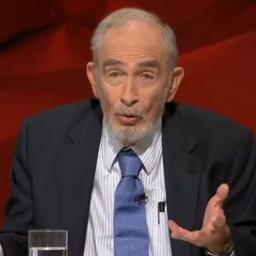
Speaking on ABC’s Q&A program on Monday, the doomsday ecologist Paul Ehrlich says Australia is waging a ‘very successful war on the environment’ and is destroying its life support systems. The academic tells the audience that the country is working towards becoming a third world nation due to its reliance on coal exports
|
 |
by Joshua Robertson on (#SCMY)
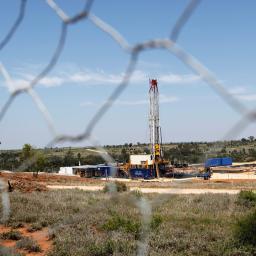
Gasfields Commission Queensland, which works to improve relations between gas companies and farmers, also declared plane flights and private dinnersGas companies and lobbyists treated senior figures from the Queensland industry regulator to tickets to the Australian ballet, corporate boxes at football games and cocktail parties as part of thousands of dollars in hospitality.
|
 |
by AP in Paris on (#SCH6)
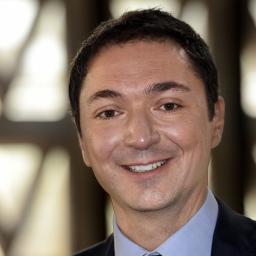
Philippe Verdier of state-owned channel France 2 was taken off air in October for his book attacking ‘complete hype on the climate’A weather forecaster for French state television has been fired after releasing and promoting a book criticising politicians, scientists and others for what he calls an exaggerated view of climate change.Philippe Verdier’s dismissal from France 2 comes a month before Paris hosts a UN conference aiming for the most ambitious worldwide agreement yet to limit global warming. He announced his dismissal in an online video over the weekend in which he described it as an attack on media freedom. Continue reading...
|
 |
by Calla Wahlquist on (#SCED)
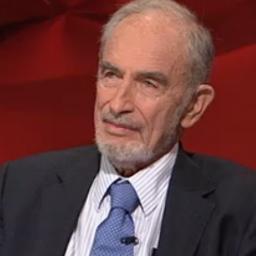
Ehrlich warns ‘you are destroying your life support systems here’ and says his prediction of a 90% chance civilisation will collapse in 50 years is based on ‘gut feeling’Australia is “working to become a third-world country†through its economic dependence on mining natural resources for export and reliance on coalmining, according to doomsday ecologist Paul Ehrlich.Ehrlich made the prediction on the ABC’s Q&A program on Monday night, after dismissing the views of other panellists on the question of whether Australia was overpopulated as “mostly nonsense, unfortunately,†and before praising the economic theories of electronics retailer Dick Smith. Continue reading...
|
 |
by Press Association on (#SC68)
The Fortingall Yew in Perthshire has always been recorded as male but has started sprouting berries – something only female yew trees doThe UK’s oldest tree, thought to be up to 5,000 years old, is undergoing a “sex changeâ€.Records have always noted the Fortingall Yew in Perthshire as a male tree but it has recently started sprouting berries – something only female yew trees do. Continue reading...
|
 |
by Patrick Barkham on (#SBZC)
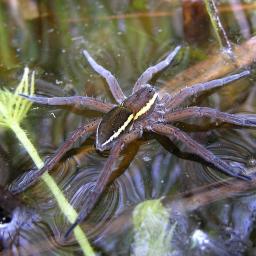
One of Britain’s largest arachnids has been brought back from the brink of extinction. Which is bad news for pond skaters and water beetlesThe possibility of lynx or wolves being brought back to our land thrills and terrifies in equal measure. But one creature has already been successfully returned to the wild that many people may find scarier: one of Britain’s largest arachnids, the palm-sized, fish-devouring fen raft spider.Related: Driver tries to scare off spider using lighter, sets gas station on fire Continue reading...
|
by Gina McCarthy on (#SBN5)
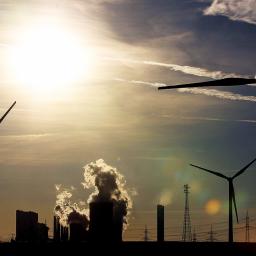
Chemicals in cooling and refrigeration systems can be far more destructive to the environment than carbon dioxide. It’s time to phase them out
 |
by Jennifer Rankin in Berlin on (#SBFN)
While Britain visualises a nuclear future, Angela Merkel’s aim of replacing it with renewables by 2022 is well under wayHinkley Point will be the first nuclear power plant to be built in Europe since the meltdown of Japan’s Fukushima reactor in 2011. But while the British government sees nuclear energy as a safe and reliable source of power, Germany is going in a different direction.As a result of the Fukushima, Chancellor Angela Merkel pledged to switch off all nuclear power by 2022 and fill the gap with renewables – a process known as the energiewende (energy transition). Continue reading...
|
 |
by Tom Phillips in Beijing on (#SBCA)
François Hollande and Xi Jinping say that any climate change deal agreed in Paris must include future checks on whether countries are cutting emissionsFrench president François Hollande claimed China and France had taken an “historic†step towards tackling climate change on Monday after the two countries agreed any deal reached in Paris next month should include checks on whether signatories are keeping their commitments to reduce emissions.
|
 |
by Felicity Lawrence, Ella McSweeney, Annie Kelly, Ma on (#SBBE)
Exclusive: Sleep deprivation, inhuman hours and low pay revealed in Guardian investigation of undocumented migrants working on prawn and whitefish trawlers operating from IrelandAfrican and Asian migrant workers are being routinely but illegally used as cheap labour on Irish fishing trawlers working out of some of the country’s most popular tourist ports, the Guardian can reveal.A year-long investigation into the Irish prawn and whitefish sector has uncovered undocumented Ghanaian, Filipino, Egyptian and Indian fishermen manning boats in ports from Cork to Galway. They have described a catalogue of abuses, including being confined to vessels unless given permission by their skippers to go on land, and being paid less than half the Irish minimum wage that would apply if they were legally employed. They have also spoken of extreme sleep deprivation, having to work for days or nights on end with only a few hours’ sleep, and with no proper rest days. Continue reading...
|
 |
by Tom Stevens on (#SB5S)
November is upon us and the northern hemisphere is slipping further towards the winter months, while the southern hemisphere is enjoying the last few weeks of spring. We’d like to see your photos of the November wildlife near youAll of a sudden it’s November, and the northern hemisphere is bracing itself for sparser sunshine and early darkness as winter is just a few more weeks away. The southern hemisphere on the other hand is soaking up the last moments of spring ahead of the summer. So what sort of wildlife will we all discover on our doorsteps? We’d like to see your photos of the November wildlife near you.Share your photos and videos with us and we’ll feature our favourites on the Guardian site. Continue reading...
|
 |
by Guardian Staff on (#SB49)
As rains finally clear the skies over south-east Asia, dramatic Greenpeace photos show people and wildlife coping with the haze in one of the worst hit areas of Central Kalimantan on Borneo island
|
 |
by Arthur Neslen, Ouarzazate on (#SAZK)
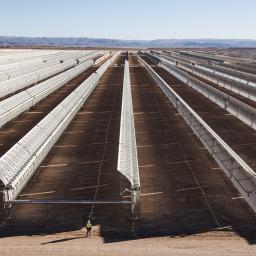
La plus grande centrale solaire du monde, alimentée par le soleil du Sahara, doit permettre de fournir des énergies renouvelables pour couvrir près de la moitié de l’énergie du pays d’ici 2020
|
 |
by Matt Mace for edie.net, part of the Guardian Envir on (#SAXJ)
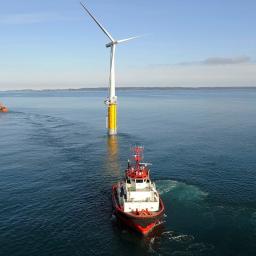
Hywind Scotland project will see deployment of five floating turbines off coast of Peterhead, capable of powering 20,000 homes, reports edie.netThe Scottish government has granted consent for the world’s largest floating offshore windfarm to be developed off the coast of Peterhead.Oil and gas giant Statoil will build a 30MW pilot park consisting of five floating 6MW turbines, which could power nearly 20,000 homes. The project will be the UK’s first ever floating windfarm development, with construction set to start next year. Continue reading...
|
 |
by Laura Rocha for La Nación, part of the Climate Pu on (#SAVT)
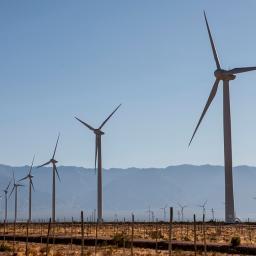
Congress launches initiative to boost renewable energy from current 1% of energy mix, with a 20% target agreed for 2020, reports La NaciónRenewable energy is making inroads in Argentina. Last week, after much negotiation, the chamber of deputies approved a new law decreeing that, by 2017, the country must generate 8% of its electricity from wind, solar or small-scale hydro power, among other energy sources. The bill also calls for this percentage to increase to 20% by 2020. Developing these kinds of energy sources is one of the most efficient mitigation methods in the fight against climate change.
|
 |
by Guardian Staff on (#SAWA)
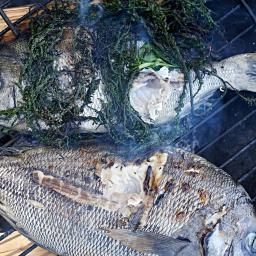
Jade Scott is the co-founder of Fore Adventure, a food-focused outdoor adventure company based in Dorset, England. Here we go on a tour of her “kitchenâ€. Continue reading...
|
 |
by Craig Bennett on (#SARM)
Tackling inequality is essential for a sustainable economy. As Living Wage Week begins, it is a reminder that decent pay for all is a first step towards narrowing the gap between rich and poorWhen we are in the midst of economic strife, as we saw in 2008, the health of our environment often gets shunted down the priority list by tough-talking governments. Environmental problems are often characterised as oppositional to raising living standards.
|
 |
by Associated Press on (#SAPC)
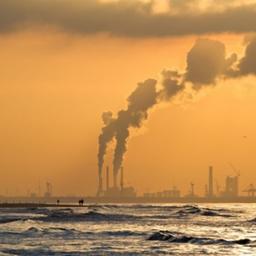
François Hollande meeting Chinese president as France tries to get China’s approval of mechanism to make countries ratchet up their emissions cutsFrench president François Hollande hopes to use a state visit to China to boost difficult climate negotiations, a month before a UN conference in Paris aimed at slowing global warming.China, the most populous country and the biggest emitter of climate-warming greenhouse gases in the world, has promised it will try to cap its rising emissions before 2030 as part of its national pledge ahead of the Paris conference. Continue reading...
|
 |
by Robin McKie on (#SAKX)
In the run-up to the Paris climate talks, two books argue for drastic action to be taken to avoid a global calamityIn a few weeks, world leaders will gather in Paris in an attempt to reach a deal that will have critical implications for our species. At the COP21 climate talks, they will try to find a formula for reducing the world’s carbon emissions and give humanity an evens chance of holding global warming to a 2C rise above pre-industrial levels.Past efforts to negotiate such deals have been riddled with frustration and failures, in particular the 2009 climate talks in Copenhagen, which ended in disarray. However, there is a sense of guarded optimism in the air these days. Australian and Canadian premiers Tony Abbott and Stephen Harper – who led two of the planet’s worst fossil-fuel burning administrations – have recently been replaced by leaders who seem to understand our current plight. President Obama has begun to show some enthusiasm for the cause of climate-change action, while China and India, scheduled to become vast carbon emitters in coming decades, have made some promising pledges. Continue reading...
|
by Katharine Murphy Deputy political editor on (#SAHS)
Despite a record US$320bn going into the sector worldwide, the former PM’s hostility towards the renewable energy target paralysed growth in AustraliaUncertainty over the future of Australia’s renewable energy target under the Abbott government precipitated a 31% drop in clean energy investment in Australia, according to the annual report of the Clean Energy Finance Corporation.
 |
by Ben Doherty and agencies on (#SAD3)
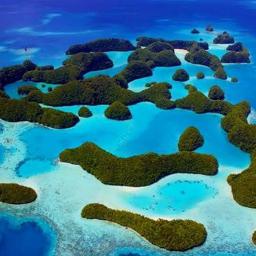
The region’s largest economic power should push hard for a deal to help the Pacific islands at the summit beginning on 30 November, says Peter O’NeillPapua New Guinea’s prime minister Peter O’Neill has urged Australia to be an advocate for the Pacific in pushing for a strong agreement at this month’s worldwide climate change talks in Paris.
|
 |
by Paula Kahumbu with Andrew Halliday on (#SAC0)
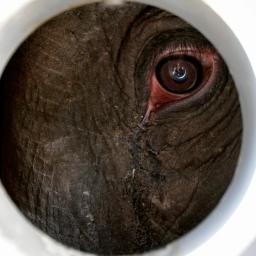
The plan to ship 18 elephants from Africa to zoos in the USA makes me wild. Zoos are no place for elephantsUS wildlife officials are considering an application for a permit to import 18 elephants from the southern African nation of Swaziland to three American zoos.
|
 |
by Graeme Green on (#SA99)
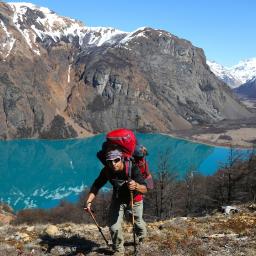
The creation of the Parque Patagonia conservation area – the brainchild of a billionaire US couple – is a step to creating one of the world’s largest national parks. But what’s the hiking like?“Pain?†asks Jorge Molina, my hiking guide. Yes, there is a little pain, but it’s too late for cold feet. Or, more accurately, it’s too late not to get cold feet, because we’re already shin-deep in a swift icy river.Related: Guide to Patagonia: what to do, how to do it, and where to stay Continue reading...
|
 |
by Carey Davies on (#SA6J)
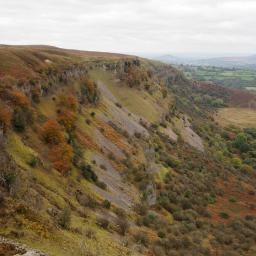
Llangattock Escarpment, Powys It seems remarkable how quickly nature equalises archaeology; it wouldn’t take a huge leap of imagination to see these industrial spoilheaps as neolithic cairnsDelicate light touches the tops of the Black Mountains, and papery ash leaves littering the narrow road outside Llangattock form swirling eddies in the vortex dragged by a passing car. It is good to be back in border country. I feel my body unclench, the autumn atmosphere a potent tonic.The Llangattock Escarpment is a three-mile-long outcropping of the limestone which buffers the red sandstone of the agricultural Black Mountains from the coal measures of the (post-) industrial South Wales Valleys. The cultures corresponding to each are close physically but worlds apart politically. It is a striking study in geopolitics, in how culture grows from the ground, as affected as crops by the bedrock beneath; as if socialism and strikes thrive in certain soils. Continue reading...
|
 |
by Basil de Sélincourt on (#S9J5)
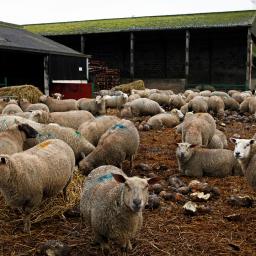
Originally published in the Manchester Guardian on 8 November 1915Oxfordshire
|
 |
by Oliver Milman on (#S9G1)
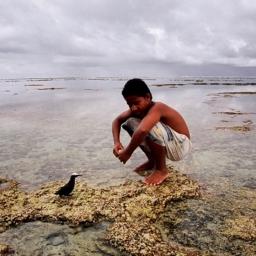
‘Unless the world acts decisively in coming weeks, the Pacific as we know it is doomed,’ says Fijian prime minister Frank BainimaramaAmid the rustling palm trees, blissed newlyweds and colourful attire of a tropical island resort, Pacific leaders have been getting blunt with wealthy nations about the unfolding calamity of climate change that is gradually gnawing away their remote idylls.
|