 |
by Associated Press in Harare on (#PN4X)
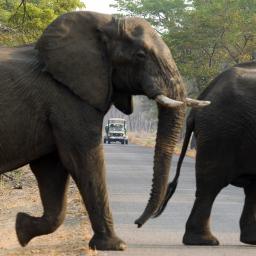
Parks and wildlife authority says cyanide used to kill three animals in Matusadona, and 11 in Hwange, with tusks cut off in some casesFourteen elephants have been poisoned by cyanide in Zimbabwe, two years after poachers killed more than 200 elephants by poisoning, the National Parks and Wildlife Management Authority said.Three elephants were killed in Matusadona national park in northern Zimbabwe and 11 more were found dead in two different spots in Hwange national park in western Zimbabwe over the past two weeks, the authority announced on Tuesday. Continue reading...
|
| Link | http://feeds.theguardian.com/ |
| Feed | http://feeds.theguardian.com/theguardian/environment/rss |
| Updated | 2026-08-20 17:01 |
 |
by Graham Ruddick on (#PKS7)
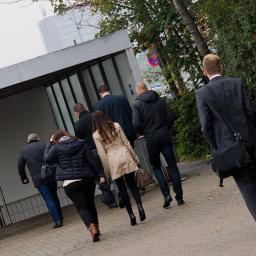
Board member says Volkswagen faces multibillion-euro bill in emissions-rigging scandal and anything not economical will be questionedThe new chief executive of Volkswagen has warned the carmaker’s staff that the fallout from the diesel emissions scandal “won’t be painless†and that the company needs to make “massive savings†as it faces the prospect of a multibillion-euro bill.Matthias Müller told a gathering of 20,000 workers at VW’s headquarters in Wolfsburg that “every euro that stays in the company helps usâ€. Continue reading...
|
 |
by Damien Gayle on (#PMTM)
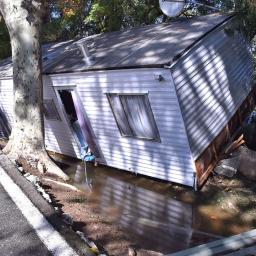
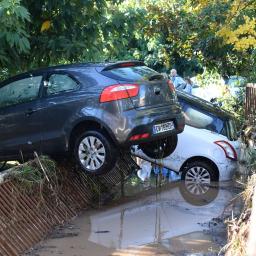
Linda Martinez, 62, believed to have drowned in caravan when river flooded campsite near Antibes where she was staying with husbandA British woman killed in the flooding in southern France at the weekend has been named as Linda Martinez.The 62-year-old from Lancashire is believed to have drowned when a river flowing past the campsite where she was staying with her husband burst its banks. Continue reading...
|
by Sean Farrell on (#PMPK)
Ben van Beurden points to first mixed signals of a recovery though raises concern that prolonged low prices could lead to a sudden increaseShell’s chief executive has said there are signs the price of oil could start to recover and warned that prices may spike if they stay low for a long period.Ben van Beurden told a conference there are four “signposts†for short-term oil prices: demand for oil in the global economy, the behaviour of the Organisation of the Petroleum Exporting Countries (Opec), the US shale industry, and the cost of production. Continue reading...
by Matthew Jenkin on (#PMPM)
‘It’s learning-by-living rather than chalk-and-talk’ – Matthew Jenkin explores the schools at the cutting edge of sustainabilityNestled among the swaying palms and lush jungle of Bali is an international school where children learn in bamboo pavilions and read from whiteboards made out of recycled car windows. The classrooms, which have no walls, are designed to help pupils feel more connected to their natural surroundings while studying a curriculum with an environmental twist. It has been hailed as the greenest school on Earth, but it is actually one of many adapting to the changing climate.Green school Bali is the brainchild of John and Cynthia Hardy, who moved from North America to the Indonesian paradise in the 1970s. They sold their successful jewellery business in 2007 and used the profits to start a school that would pioneer sustainability in education. The couple had the idea after searching for a school for their children but being put off by the unimaginatively designed spaces and curriculums on offer.
 |
by Guardian Staff on (#PMFK)
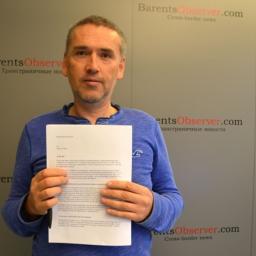
Anonymous source says Thomas Nilsen, who had extensively covered oil drilling in the Arctic, was sacked at the behest of the Russian intelligenceA Norwegian Arctic newspaper editor who has extensively covered oil drilling in the region was sacked at the behest of the Russian intelligence service, according to Norway’s public service broadcaster.Thomas Nilsen told the Guardian he had no reason to disbelieve the report from the Norwegian Broadcasting Corporation (NRK), and that it would be awful if it were true that the FSB, Russia’s security agency, was involved. Continue reading...
|
by Maxine Perella on (#PMCR)
OrthoMetals is working with more than half of the UK’s crematoriums to melt down and sell on replacement hips and knee joints
by Jeremy Leggett on (#PMCS)
George Osborne needs to stop pushing 20th-century fuels as the solution for 21st-century energy problemsThe Conservative leadership once advocated powering 21st-century Britain with a green industrial revolution based on the smart, internet-linked, decentralised technologies being invested in by Silicon Valley, China, and others.Now, unified in majority government, they seem intent on the reverse: exploiting shale gas, building new nuclear facilities, and actively undermining clean-energy competition. It is the new Labour leader who offers the vision of a renewable-powered UK economy today, one maximally efficient and optimally wired, allowing avoidance of both shale and new nuclear. Continue reading...
by Lenore Taylor Political editor on (#PM9J)
Labor leader says Australia can have a ‘battle of ideas’ over which party has the best climate change policies, but is yet to detail the ALP’s alternative plansBill Shorten says his goal to source 50% of Australia’s power from renewables by 2030 is a “declaration of intentâ€, to be achieved by Labor’s yet-to-be-detailed policies including an emissions trading scheme, as well as increased consumer demand for clean energy.Related: ETS would be more cost-effective than higher renewables target, analyst says Continue reading...
by Madeleine Somerville on (#PM2T)
Detergents contain dozens of potentially harmful ingredients but with just three simple ingredients you can make a cheap, environmentally friendly alternativeMy daughter just turned three. She loves being naked and disrobes at every opportunity, including in the middle of her recent dinosaur-themed birthday party.I get it – who doesn’t love to be in the buff? But bar those of us lucky enough to live alone in the woods, pesky social norms dictate that we wear clothing. So we wear fabric. And even if you enjoy the thrill of sleeping nude, you’re still nestled into pillowcases and snuggled up to soft sheets.
 |
by Guardian Staff on (#PKYQ)
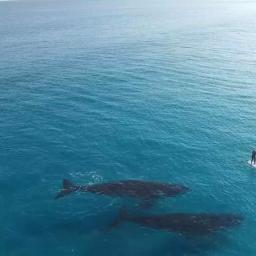
Amateur drone operator Jamien Hudson captured this footage of two whales swimming next to a paddleboarder off the coast of Esperance in Western Australia last month. When Hudson heard there were whales off the beach, he rushed down with his drone equipment. At the same time, local Dave Price was paddleboarding out to take a look at the marine mammals, believed to be southern right whales Continue reading...
|
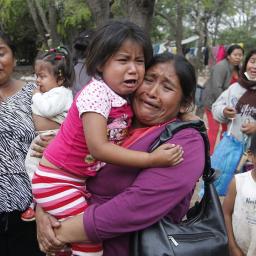 |
Guaraní people turn to the law to fight latest battle with Bolivian authorities | Toby Stirling Hill
by Toby Stirling Hill in La Paz on (#PKY6)
In a bid to protect their land, the indigenous people are challenging the Morales government over decrees opening up protected areas for oil and gas explorationThe history of Bolivia’s GuaranÃ, an indigenous people living in the country’s southern lowlands, is one of struggle in defence of their territory. In 1892, an uprising against local landowners ended with the massacre of more than 2,000 GuaranÃ. A century later, Guaranà activists confronted oil companies seeking to exploit the riches buried under their homeland of the Bolivian Chaco.Now they are preparing to fight on a new front. On 24 September, three Guaranà leaders travelled from the dry heat of lowland Chaco to the chill mountain air of La Paz to deliver a legal petition to the country’s constitutional court, challenging a series of energy decrees passed by the government of President Evo Morales. Continue reading...
|
 |
by Adam Alexander, Valletta on (#PKX4)
Ornithologists say three pairs of the peregrine falcon are known to be breeding in the archipelago for the first time since the 1980sThe return of the peregrine falcon to Malta, known to some as the “Maltese falconâ€, has excited hopes that the iconic bird is making a comeback.At least one breeding pair was caught on film last week by a German-based NGO, Campaign Against Bird Slaughter (CABS), and according to local experts there may now be as many as three pairs of breeding peregrine falcons on the Maltese archipelago for the first time since the 1980s. Continue reading...
|
 |
by Frances Seymour on (#PKTM)
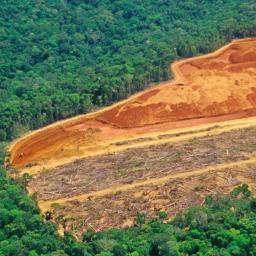
In addition to mitigating the emissions that cause climate change, conserving tropical forests contributes to development in myriad waysForests are undervalued assets in meeting the twin global challenges of our time: achieving prosperity and safeguarding climate stability. It’s time we gave them the attention – and finance – that they deserve.Last week, dozens of countries announced a late-breaking wave of commitments to reduce greenhouse gas emissions ahead of the climate change summit in Paris this November. While such pledges are welcome, they are not yet sufficient to avert catastrophic global warming. Tropical forests provide an opportunity to close the gap. Continue reading...
|
 |
by Oliver Milman on (#PKRH)
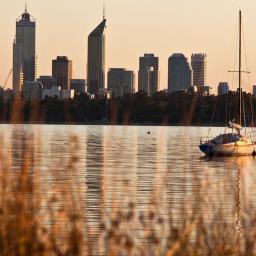
From locating leaky pipes with acoustic listening to reusing wastewater, Western Australia’s capital is using technology to bridge the water gapPerth, the capital of Western Australia, is not only one of the most isolated cities in the world, it is also becoming one of the driest in Australia.
|
 |
by Jocelyn Timperley for BusinessGreen, part of the G on (#PKNY)
International Renewable Energy Agency report says the continent has the potential to quadruple the proportion of its energy supplied by renewables, reports BusinessGreenAlmost a quarter of Africa’s energy needs could feasibly be supplied by renewables within the next 15 years, according to a new report released by the International Renewable Energy Agency (IRENA) yesterday.The report, which provides a roadmap for renewable energy deployment on the continent, found that a variety of modern renewable technology options could more than quadruple the contribution of renewables to Africa’s energy mix compared to the five per cent used in 2013, taking renewables share to 22 per cent of the mix. Continue reading...
|
 |
by Press Association on (#PKMQ)
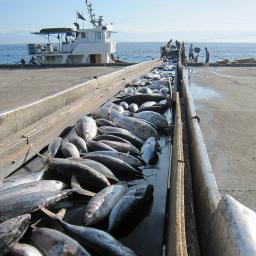
Company is still using fish aggregation devices in its fishing fleet despite a promise in 2011 that 100% of its tuna would be sustainable by 2016John West has been accused of breaking a promise to consumers by continuing to use “destructive†fishing methods to catch tuna.
|
 |
by David Smith, Mubuga, Burundi on (#PKJ0)
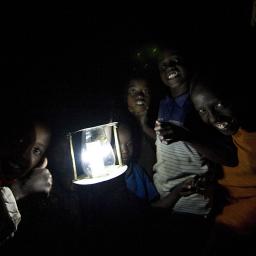
As violence erupts in the capital, plans for the country’s first major solar plant bring hope to thousands whose lives will be transformed by electricityWhen entrepreneurs and government ministers signed a deal for the first major solar power plant in Burundi, the future of this energy-crippled nation seemed full of promise. A day later, gunfire filled the streets and buildings were set ablaze as a renegade army general attempted a coup.Such are the peculiar challenges of harnessing renewable energy in one of the more unstable corners of Africa. “We were so excited,†recalled Lazare Sebitereko, programme manager in Burundi for the solar and social development company Gigawatt Global. “It was upsetting because we wanted to get on with our programme. We didn’t stop completely but it’s slow compared to what we expected.†Continue reading...
|
 |
by Gilbert Woolley/Barcroft Media on (#PKFM)
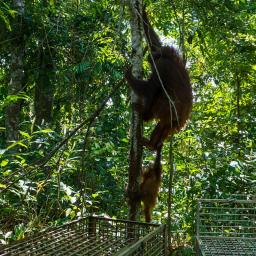
18-month-old Kebaco and mother Ah Foo are re-released into the wild after their rescue from an oil palm plantation prior to the harvest that destroyed their home Continue reading...
|
 |
by Nick Mead on (#PK8H)
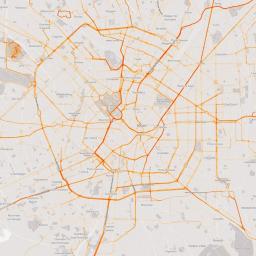
For the first time, Strava – an app best known for letting athletes track and compare their activities – has released data that filters ‘commute’ cycle rides, creating maps that offer an insight into how city-dwellers ride to work. See below for exclusive images of the more than 30m activities uploaded in the last year across 12 key global cities, or explore Strava Insights here Continue reading...
|
 |
Seven practical steps to protect our cities from the effects of climate change | Dr Aditya V Bahadur
by Dr Aditya V Bahadur on (#PK4Y)
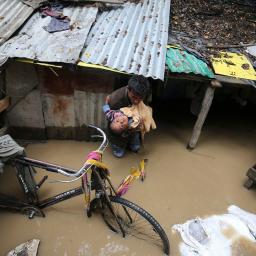
We must prepare for climate change now if we want to achieve the global goal of making cities and human settlements inclusive, safe, resilient and sustainableMaking cities and human settlements inclusive, safe, resilient and sustainable is now a global goal following the adoption of the post-2015 development agenda in New York in September. Achieving this target – sustainable development goal 11 – is vital because, for the first time in our history, more people live in cities than live in the countryside. And it is urgent because a third of the urban population lives in slums, mostly located on hazardous land, with poor access to basic services, and few opportunities to earn a decent living.Another huge challenge is that urban areas mostly develop along coasts and rivers, making many city dwellers vulnerable to the effects of climate change. This has led to a growing discussion on how to make cities resilient to flooding, rising sea levels, heatwaves and other harmful results of our changing climate. However these discussions are not yet taking place on a practical level, and there is no blueprint for immediate action. Continue reading...
|
 |
by Oliver Milman on (#PK3G)
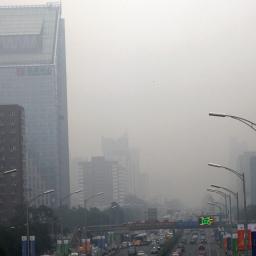
Qi Ye, director of public policy centre in Beijing, says China is showing ‘global leadership’ on climate change and it will look to clean energy technologiesChina may aim for an earlier greenhouse gas emissions peak before its 2030 deadline, putting a greater onus on Australia to work with its key trading partner on renewable energy rather than fossil fuels, says a leading Chinese analyst.
|
 |
by Guardian Staff on (#PK36)
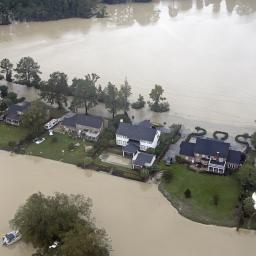
A drone films extensive flooding in the US state of South Carolina on Monday. The unprecedented rainfall has resulted in nine deaths, more than 500 road and bridge closures and hundreds of rescues of people trapped in homes and cars by the rising water. Scientists claim climate change has exacerbated the bad weather Continue reading...
|
 |
by Colin Williams on (#PJZN)
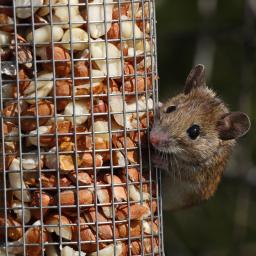
Watership Down, Hampshire Brave, then, the creature that tries to pluck the nut from between the wires. But brave this wood mouse isHead dipped in shining black oil and marinated in nervousness, a marsh tit has started coming to the feeder for the first time since last winter. Until now it would have been in the wet beech and ash woods that cover the steep north face of the chalk down; an example of the anciently named “hangers†so beloved of Gilbert White.But in this corner of the downs a cold snap has brought the marsh tit to the closely wired nuts hanging from the wall of the stone smokehouse. Continue reading...
|
by Oliver Milman on (#PJQM)
Bank rules out funding ‘conventional coal-fired power plants’ that do not use proven technologies to significantly reduce emissionsANZ bank has pledged not to finance traditional coalmining projects and to provide at least $10bn in funding for renewable energy, reforestation and energy efficiency.
 |
by Guardian staff on (#PJP2)
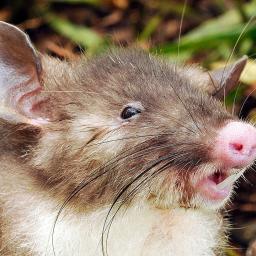
Bandicoot-like rodent with long hind limbs, huge ears, a pointed face and a flat nose found in a remote mountainous area of Sulawesi IslandRelated: Sneezing monkey and walking fish among new species discovered in HimalayasVictorian scientists have discovered a new mammal, the hog-nosed rat, with features not been seen by science before. Continue reading...
|
by Guardian Staff on (#PJN9)
Off the coast of Tasmania, Australia, lies a small island on which 10,000 rare shy albatross live. Their declining population is a concern for conservationists including Dr Rachael Alderman, who has spent the past week on the island monitoring the birds. Photographer Matthew Newton has visted the island on three occasions over the past 12 months, recording the spectacular sight of the colony and the conservationists at work Continue reading...
 |
by AFP in Delft on (#PJHA)
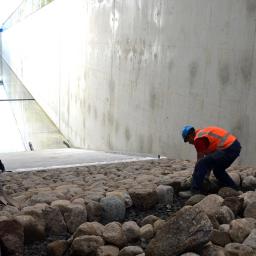
Concrete channel, three years in the making and 300 metres long, will help engineers develop better protection from floodingStudying the oceans is a matter of survival for the below-sea-level-dwelling Dutch, and scientists in the Netherlands have now unveiled the world’s biggest manmade wave to prepare for the worst.“Here we can test what happens if enormous waves hit our dykes,†said infrastructure minister Melanie Schultz van Haegen as she inaugurated the giant wave machine in the city of Delft on Monday. Continue reading...
|
 |
by Letters on (#PHPX)
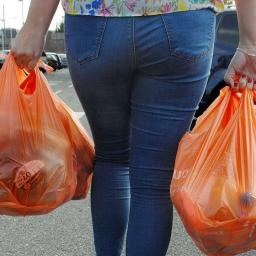
The plastic bag levy will damage the environment unless the alternatives have impeccable environmental attributes – and most of them don’t (New plastic bag tax does not go far enough, say campaigners, 5 October).The exemptions alone will undermine most of the putative savings. Not only that, but, if we had a better waste-disposal system using efficient combined heat and power incinerators, we could capture the energy from the “borrowed oil†which plastic bags represent. Only 5% of crude oil is used to make all of the plastics we use, and plastic bags are only about 5% of that. A single car trip to the supermarket each week wastes more energy and creates more pollution than a dozen plastic bags. Continue reading...
|
 |
by Letters on (#PHPN)
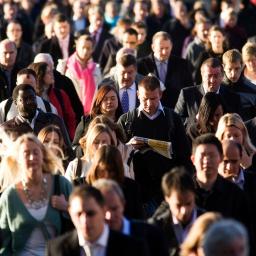
Mark Carney warns that climate change will lead to financial crises and falling living standards unless companies (have to) come clean about their current and future carbon emissions (Report, 30 September). In the same issue George Monbiot notes that there is water flowing on Mars and asks if there is intelligent life on Earth. Monbiot also reminds us the world has lost half of its vertebrate wildlife in the last 40 years. It’s surely no coincidence that the human population has doubled in our lifetime (we were born in the 1940s). Sadly, population control seems to have become an issue that we are reluctant to discuss.As biologists, we know that great population growth of a species is frequently ended by a cataclysmic population crash. Is that what we want? Climate change is being driven not just by what we do but by the sheer numbers of us doing it. We are already seeing crop failures, desertification, soil impoverishment and water shortages. Continue reading...
|
 |
by Jane Rosenberg on (#PHH9)
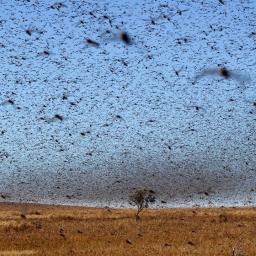
Expert in the forecast and control of locust plaguesLocust plagues are at least as old as recorded history. The desert locust is the locust of the Qur’an and the Bible’s eighth plague of Egypt; they have probably been insect pests since man first began to grow crops. When, in the late 1980s, swarms of desert locusts extended from Mauritania and Senegal to the Persian Gulf, Joyce Magor, who has died aged 82, was sent to Dakar as a locust forecaster to help international efforts to control the swarms that were threatening farming livelihoods in the Sahel region.This was the first plague in nearly 40 years – and African countries were unprepared and highly vulnerable. Donors were faced with providing nearly $300m in emergency aid to cope with the crisis. The plague, which declined in early 1989, triggered an extensive international effort to develop improved methods to predict the size of locust populations locusts and more environmentally sensitive ways to control them. Continue reading...
|
by Dominic Rushe in New York on (#PHE3)
 |
by Patrick Barkham on (#PH8Y)
It’s boom time in the fields thanks to Halloween. Might this be a good time to think about the agricultural revolution taking place?Giant globes of orange scattered on the East Anglian soil resemble extraterrestrial eggs, glowing in the autumn sunshine.Related: From pumpkins to policies: engaging in sustainable food behaviour Continue reading...
|
 |
by Sarah Shemkus on (#PH90)
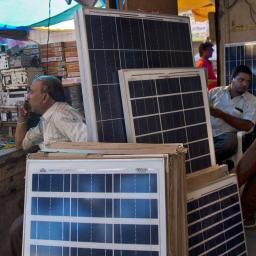
A Colorado nonprofit funds and supports new businesses looking to improve energy access in developing countriesA few years ago, engineers Morgan DeFoort and Jason Prapas were creating clean cookstoves for use in the developing world. Today, they lead a far broader multimillion-dollar effort to bring better energy services to some of the world’s poorest communities.Colorado-based Factor(E) is what DeFoort and Prapas call a “venture development firmâ€: part seed investor, part accelerator and part business advisor. It aims to nurture young businesses with the potential to improve energy access in developing countries. Continue reading...
|
 |
by Adam Vaughan on (#PH80)
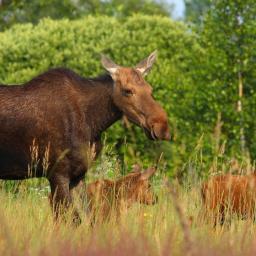
High numbers of elk, deer, boar and wolves show long-term effect of world’s worst nuclear accident is less damaging than everyday human activity, say scientistsWildlife is abundant around the site of the Chernobyl nuclear plant, despite the presence of radiation released by the world’s most catastrophic nuclear explosion nearly three decades ago, researchers have found.The number of elk, deer and wild boar within the Belarusian half of the Chernobyl exclusion zone today are around the same as those in four nearby uncontaminated nature reserves. Continue reading...
|
by Fiona Harvey on (#PH92)
Lack of clarity is damaging investment in renewable energy, as well as gas and nuclear, says director of Imperial College London’s centre for energy policyThe biggest threat to renewable energy in the UK, and the country’s energy systems, comes from a lack of clarity on the part of government, a leading academic has said.Rob Gross, director of the centre for energy policy at Imperial College London, said on Monday: “[There is a] lack of clarity over what they want people to do. This lack of clarity is erasing investment in everything. With more clarity, you would get more investment.†Continue reading...
 |
by Guardian Staff on (#PH53)
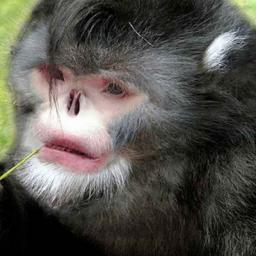
Hundreds of new(ish) species have been discovered in the eastern Himalayas in recent years, including the ‘walking’ fish and a tissue-wielding, snub-nosed primateName: The sneezing monkey.Age: Depends what you mean. Continue reading...
|
 |
by Fiona Harvey on (#PGW1)
Draft text of climate deal is cut down from more than 90 pages to just 20 pages in boost for international talks on cutting carbon emissions after 2020A new draft of the potential global agreement on climate change, to be negotiated this December in Paris, has been published by the United Nations.
|
 |
by Guardian Staff on (#PGMW)
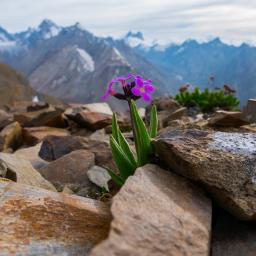
A mid-flight bird fight and flowers on a Himalayan pass are among images capturing this year’s theme of conflict and survival. The winners will be announced at the Royal Society of Biology Awards Ceremony in London on 15 October, as part of Biology Week Continue reading...
|
 |
by Adam Vaughan on (#PGK7)
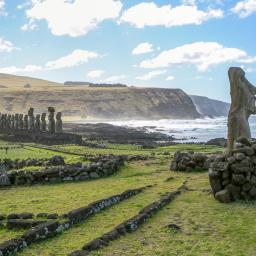
Plans put forward by the local people will ban fishing in over 600,000 sq km of the Pacific oceanChile will create one of the world’s biggest marine parks around the Pacific waters of Easter Island, president Michelle Bachelet said on Monday.If the island’s indigenous Rapa Nui people approve the plan after a consultation by the mainland government, fishing will be banned from a 631,368 sq km (243,630 sq miles) area – though still allowed up to 50m out for local fishermen – in an effort to stem illegal fishing. Continue reading...
|
 |
by Jessica Elgot on (#PGK8)
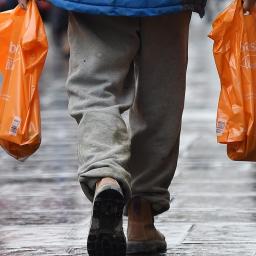
Despite dire warnings, our reporter fails to uncover chaotic scenes on our high streets, and even manages to acquire a few free bagsEdinburgh, Cardiff and Belfast seemed to manage perfectly well with a 5p bag charge, but Monday’s Daily Mail predicts “chaos†because retail staff could struggle with the complex rules.As Monday marks the start of the charge for plastic bags in England, is there panic on the streets? We got our 5p pieces ready and ventured out to the shops. Continue reading...
|
 |
by Hilary Osborne on (#PGGS)
A dementia research centre at UCL will receive millions as Asda, Morrisons, Iceland and Waitrose pledge carrier bag moneyFour of the UK’s biggest supermarkets have announced they will put proceeds from the 5p carrier bag charge into a single fund to fight dementia.Asda, Iceland, Morrisons and Waitrose have pledged funds from the levy on single-use carrier bags to support the construction of a world-class dementia research centre at UCL in London. Continue reading...
|
 |
by Natasha Rees-Bloor on (#PGER)
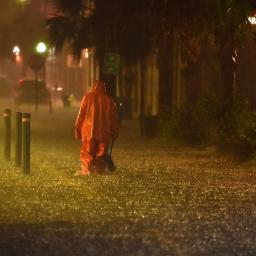
A deadly ‘once in a millennium’ deluge triggered by hurricane Joaquin has battered large swaths of the east coast Continue reading...
|
 |
by Bhavya Reddy on (#PGBB)
The issue is too pressing to wait for action at federal and international levels. Small communities can – and must – actAs state and federal governments continue to fail at halting climate change at the global and national levels, smaller communities have a great opportunity to take change-making initiative. Without assistance from national governments, municipal environmental groups have set up their own local peer-to-peer networks, and indigenous communities like the Lubicon Cree First Nation have reclaimed tar sands for solar. Supporting the expansion of such projects from one community to another could be the key for rapid and inclusive action, and this grassroots domino effect could make it less likely that climate action is an elitist and expensive imposition.In my small village of Sleepy Hollow, New York, I’m trying to put us on the map for something other than fictional horror stories, looking at these existing initiatives where other small communities are already taking the lead on climate action in the face of higher-level indifference and even pushback. Continue reading...
|
 |
by Rhiannon Lucy Cosslett on (#PG9W)
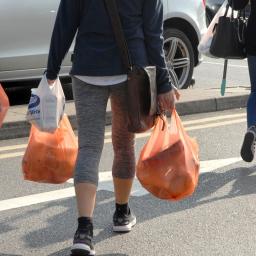
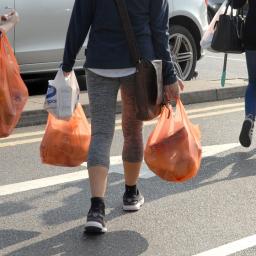
Shoppers must now pay 5p for plastic carrier bags in England. There is more to gain from this inconvenience than just using up your collection under the sinkWales managed, Scotland managed, but it remains to be seen whether or not the English are able to cope with having to pay 5p for plastic bags when out shopping, as charges are introduced today.Plastic Bag Chaos Looms predicts the Daily Mail – which has, ironically, been lobbying for charges since 2008 – as some of the exemptions to the rules are deemed “too confusing†for shoppers. (If by confusing you mean relatively straightforward with a few notable exemptions.) Companies with under 250 employees need not charge and some items, such as uncooked chicken, flowers, live goldfish, axeheads and prescription medication (all of which could combine to make quite the Saturday night) are exempt from the charging, except whenever these goods are purchased with non-exempt items. Granted, the regulations require a smidge more mental exertion that their Welsh and Scottish counterparts, but surely this nation of shopkeepers can manage to forebear these stressful changes with the same meek acceptance they deploy for all other regulations imposed from above? Continue reading...
|
by Emma Howard on (#PG9Y)
Two months ahead of crucial climate talks in Paris, the Guardian is stepping up its Keep it in the ground campaign. Sign up here for updatesWith eight weeks until the UN’s crunch climate change conference open its doors in Paris, the Guardian is launching the next phase of Keep it in the ground.The campaign’s supporters told us that more than anything, they want hope. So from now until Paris Keep it in the ground will tell the story of the people taking action around the world, the rapid development of renewables, and the potential of solar power in particular. Find out more about the new focus for the campaign here Continue reading...
by Dana Nuccitelli on (#PG51)
Amid internal calls for climate action, a study finds that Republicans are the only climate-denying conservative party in the world
 |
by Boris Horvat/AFP/Getty Images on (#PG36)
Photographs from the Eyewitness series Continue reading...
|
 |
by Joshua Surtees in Paris on (#PFZ9)
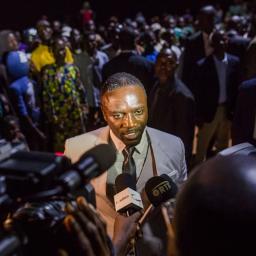
US-Senegalese rapper Akon has launched an ambitious energy project in Africa. But will it be as successful as his music?As night falls across Africa bustling cities light up and neighbourhoods begin to buzz, fed by traffic from well-lit roads. In the countryside, meanwhile, villages are plunged into darkness, shutting down the night-time economies of rural communities as restaurants and shops close and children light candles to do their homework.Related: Eight ways to reach 100% renewable in developing countries Continue reading...
|
 |
by Jessica Elgot on (#PFTH)
Shoppers in Scotland, Wales and Northern Ireland have survived the introduction of the charge. Here’s how to navigate the rules in England
|