 |
by John Vallins on (#NP58)
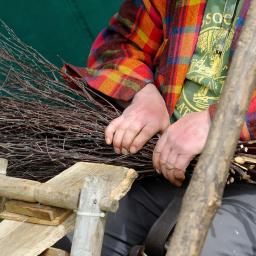
Stock Gaylard, Dorset The oak fair is for those interested in timber, woodcraft, the countryside and conservationIn the great gathering of craftsmen, artificers and artisans at the Stock Gaylard oak fair, the one who first caught our eye was Terry Heard, bent over his ingeniously fashioned wooden bench specially adapted to the broomsquire’s traditional craft of making besoms from bundles of twigs bound to a pole.His twigs, he said, were of birch, though heather was often used, and his poles were of hazel, though any straight pole would do. A blacksmith friend had made his tools. He tightly bound and wired a bundle of twigs, trimmed them with a sharp hand-axe, inserted the sharpened end of the pole and hammered in pins to fix it all with the deft handiness of the expert. Continue reading...
|
| Link | http://feeds.theguardian.com/ |
| Feed | http://feeds.theguardian.com/theguardian/environment/rss |
| Updated | 2026-08-20 17:01 |
 |
by Australian Associated Press on (#NP3G)
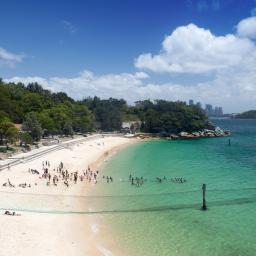
New South Wales swimmers could soon use technology to monitor sharks in a bid to halt a wave of recent attacks at the state’s beaches this summerRelated: 'Sharks don't like to eat people': attack statistics contradict untested theoriesNew South Wales swimmers could soon be able to monitor sharks with real-time tracking apps.
|
 |
by Graham Russell on (#NNYR)
Video footage shows driver’s panic as flames spread from his gas tank to the pump after ill-judged attempt to get rid of the arachnidA motorist scared of spiders gave himself a double shock when he accidentally set a gas station on fire trying to get rid of one using a cigarette lighter.The man told authorities he saw a spider on his gas tank as he went to fill up and unwisely decided to use a lighter to remove it. Continue reading...
|
 |
by Daniel Boffey and Frances Perraudin on (#NMYF)
Department of the Environment department advised MEPs to vote against tighter control of ‘real-world’ car emissionsThe British government sought to block new EU legislation that would force member states to carry out surprise checks on the emissions of cars, raising fresh questions over ministers’ attitude to air pollution and their conduct in the Volkswagen scandal.A document obtained by the Observer reveals that the Department for Environment, Food and Rural Affairs has been advising British MEPs to vote against legislation that would oblige countries to carry out “routine and non-routine†inspections on vehicles’ “real-world†emissions. Continue reading...
|
 |
by Robin McKie science editor on (#NN7Q)
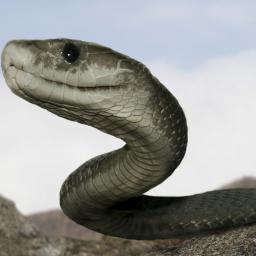
With a quarter of a million fatalities every year, health organisations are struggling to cope. Now antivenom supplies are also under threatIn the late 1970s, a 50-year-old farmer was working in his fields in the Hausa region of west Africa when was he was bitten on the ankle by a snake, probably a carpet viper. Within two hours his leg was badly swollen. The unnamed man, whose case is included in a report by a group of doctors led by Oxford University tropical medicine specialist David Warrell took herbal medicine but continued to sicken. Six days later he was taken to hospital, where doctors found that his urine was bloodstained and he had suffered intense internal haemorrhages. A day later, he died.The farmer’s fate was grim, if not uncommon at the time, but now, decades later, deaths from snakebites are still on the rise. Recent evidence shows that hundreds of thousands of individuals are dying every year as a result of encounters with cobras, vipers or kraits. Continue reading...
|
 |
by Nigel Bunyan, Julia Kollewe and Graham Ruddick on (#NNNF)
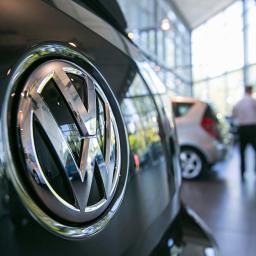
Bargain hunters expect VW to do the right thing on emissions and cut prices at the dealershipsWarren Marvelley was in a hopeful mood on Saturday. He and his wife, Jane, have set their hearts on buying a new VW Golf and believe the time is ripe to buy one. The decision may seem odd, given the turmoil that now surrounds Volkswagen. Last week its share price plummeted after senior executives admitted that Volkswagen had disguised illegal levels of emissions produced by some diesel-engined cars.Nevertheless, the Marvelleys, from Rochdale, Greater Manchester, were buoyant during their visit to the Lookers showroom in Blackburn. “I’ve read all about the scandal, but it really doesn’t bother me that much,†said 51-year-old Warren. “Yes, a few of their people have cooked the figures, but I don’t think we’re talking drastic amounts, so I won’t be holding it against them.†Continue reading...
|
 |
by Tim Dee on (#NNKR)
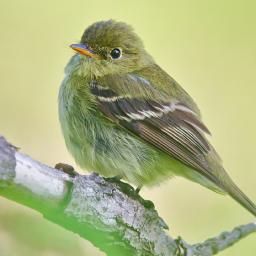
A birdwatcher and writer explains why the rare sighting of an American flycatcher species in Kent caused such excitementBirds on passage beautifully stitch the world together. The swallows that bred yards from my front door in the Fens this summer may now be gracing a pond on a friend’s farm in southern Zambia – and not one of them carrying bags or passports.It has been a busy few days for birds and birders. September is mega month and this year has delivered. More than half the birds in the northern hemisphere are migratory and are now on the move. Most of the birds leaving their summer homes head south, but some (often youngsters who haven’t made the journey before) go wrong and, through a fault in their own navigation or blasted by adverse weather, stray badly off course. Continue reading...
|
 |
by Alan Andrews on (#NND4)
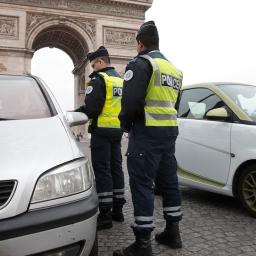
Car industry and the government need to prove that cars can deliver clean emissions for the sake of public healthAs the emissions cheating scandal runs into its second week, we could be witnessing the death throes of diesel in Europe.The VW revelations will draw much-needed attention to the dreadful health impacts resulting from diesel traffic. Government figures published this month estimate that more than 50,000 people die early every year from air pollution. That doesn’t include the tens of thousands more who are made seriously ill through asthma, bronchitis, heart attacks, strokes and other debilitating illnesses. Continue reading...
|
 |
by David Hellier on (#NMVB)
Lord Browne’s career has seen good times and bad: and coincidentally, his new book discusses how firms should tackle disastrous turns of eventsLord Browne is no stranger to crises, both professional and personal. His reign as chief executive of oil giant BP was marred by the Texas City refinery explosion in 2005, in which 15 people died. And his BP career ended prematurely two years later after he lied to a court about the manner in which he had met his boyfriend.Nevertheless, Lord Browne, 67, is recognised as a wise veteran of the business world. His comeback was helped by a stint as a senior government adviser on business until last year. He has written a book, The Glass Closet, about being homosexual in the workplace. He has even re-entered the oil business, becoming executive chairman of Russian oligarch Mikhail Fridman’s LetterOne group, with $10bn of Russian cash. Continue reading...
|
 |
by David Hellier on (#NMVW)
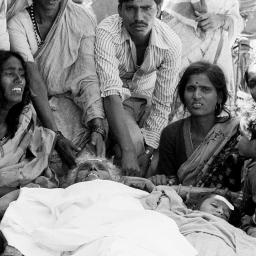
After a disastrous week for VW, we look back at 30 years of business disasters and their cost in lives, money and reputationsEstimates suggest up to 25,000 people died and more than 550,000 people were injured, some seriously and permanently, after a gas leak incident at the Union Carbide pesticide plant in Bhopal, India, in 1984. Continue reading...
|
 |
by Graham Ruddick on (#NM2X)
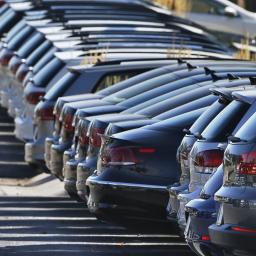
Country halts sale of VWs in the Euro5 class, which contains bulk of vehicles said to have defeat devices, which mask true emissionsSwitzerland has banned sales of Volkswagen diesel cars in the most severe step taken so far by a government in reaction to the emissions crisis.The country has stopped the sale of any VW cars in the Euro5 category, which contains the majority of the cars that the company has admitted have defeat devices. Continue reading...
|
 |
by Fergus Ryan in Beijing on (#NKW0)
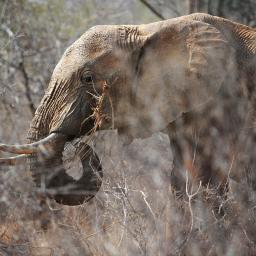
The two largest markets for illegal ivory agree to enact a nearly complete ban on the import and export of ivory to help reduce the loss of elephants to poachingRelated: China calls on US to follow its lead in eradicating ivory tradeWhile differences on cyber security and talk of sanctions dominated the headlines for Chinese president Xi Jinping’s visit to the US, the two countries also signed up to a major agreement to end the global trade in ivory. Continue reading...
|
 |
by Ray Collier on (#NKS6)
Tarbat Ness, Highlands Before I left, I could not resist dropping down to the shoreline to look for cowrie shellsThe number of house martins nesting under the eaves of our house has been the lowest we have recorded in the 28 years we have lived here. The peak of 24 occupied nests was in 1988, and there has been a steady decline since. Last year there were seven pairs but this year just one, despite the fact that there are 12 artificial nestboxes to save the birds the trouble of building their own.So on the trip to Tarbat Ness I wondered if some might still be nesting under the cliffs near the lighthouse. Cliff nests of house martins, whether inland or on the coast, are now rare, but were commonplace before the eaves of houses became so widespread. I walked to a vantage point above the enticing shoreline to look at the cliffs, and there was that thrill of seeing house martins swooping up from the sea to their nests. Why do they seem so dramatic compared with the ones at home? Continue reading...
|
 |
by Associated Press in San Diego on (#NJX9)
|
 |
by Sam Jones and Carla Kweifio-Okai on (#NHK8)
|
 |
by Guardian Staff on (#NJRK)
Matthias Müller, the new Volkswagen CEO, vows to win back customers’ trust and to make the company stronger than ever. Müller says it accepted responsibility for using a defeat device to mask illegal levels of nitrogen oxide pollution from diesel engines, and says it is crucial it never happens again Continue reading...
|
 |
by Stephanie Kirchgaessner on (#NJR8)
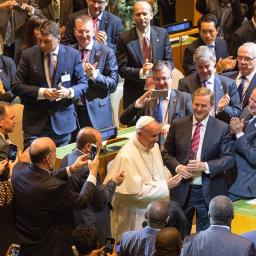
Francis laid out the idea of the ‘rights of the environment’ in a speech that also spoke of the need to end the persecution of Christians around the world. Our Rome correspondent decodes what the pope said to the general assembly Continue reading...
|
 |
by Terry Macalister energy editor on (#NJQ2)
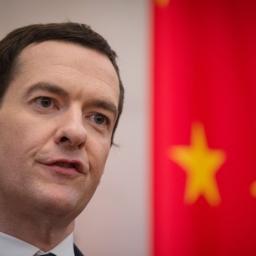
The chancellor used his visit to China to secure support from Chinese investors despite reservations on the cost-effectiveness of the power plantNuclear power returned to the top of the political agenda this week when George Osborne used his visit to China to underline the government’s determination to push through the Hinkley Point C power station project.There are expectations that the energy company behind the proposed plant, EDF of France, will announce a final investment decision on the £24.5bn scheme during the visit of Chinese premier Xi Jinping to London next month. Continue reading...
|
 |
by Suzanne Goldenberg at the United Nations and Steph on (#NHX2)
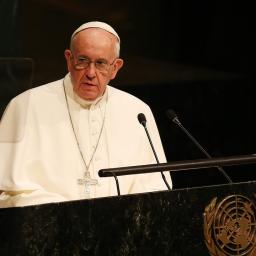
Pontiff tells general assembly the environment should enjoy the same rights and protections as humanity and expresses concern for persecution of ChristiansThe Pope demanded justice for the weak and affirmed the rights of the environment on Friday in a forceful speech to the United Nations that admonished against “a selfish and boundless thirst for power and material prosperityâ€.
|
 |
by Letters on (#NJGJ)
A prediction: it’s some time in 2016. Your phone rings. Silence, followed by a robotic recorded voice. “Have you or any member of your family ever owned a VW vehicle? If so you could be in line for a large payment†(Letters, 25 September). Press 1 to hear, etc, etc.†Repeat ad nauseam.
|
by Alison Moodie on (#NJEC)
The Closed Loop Fund has has revealed its first projects in Ohio, Iowa and Baltimore as it seeks to boost dismal US recycling ratesA consortium of 10 of the US’s largest corporations – including Walmart, Coca-Cola and Johnson & Johnson – has announced three new projects designed to boost dismal recycling rates in the US.Just 34% of waste in the US is recycled, placing it well behind other developed countries such as Switzerland, which recycles more than 50% of its waste. Outdated facilities and technologies are partly to blame, as is a lack of access to something as simple as a recycling bin in many parts of the country. Continue reading...
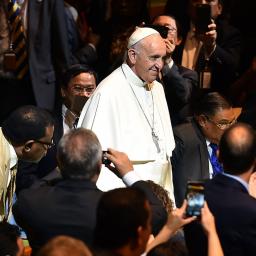 |
by Pope Francis on (#NJB0)
The Pope uses his speech to the UN to call for a ban on nuclear weapons and to highlight climate change and the ‘ecological crisis’Mr President, Ladies and Gentlemen,Thank you for your kind words. Once again, following a tradition by which I feel honored, the secretary general of the United Nations has invited the Pope to address this distinguished assembly of nations. In my own name, and that of the entire Catholic community, I wish to express to you, Mr Ban Ki-moon, my heartfelt gratitude. I greet the heads of state and heads of government present, as well as the ambassadors, diplomats and political and technical officials accompanying them, the personnel of the United Nations engaged in this 70th session of the General Assembly, the personnel of the various programs and agencies of the United Nations family, and all those who, in one way or another, take part in this meeting. Through you, I also greet the citizens of all the nations represented in this hall. I thank you, each and all, for your efforts in the service of mankind. Continue reading...
|
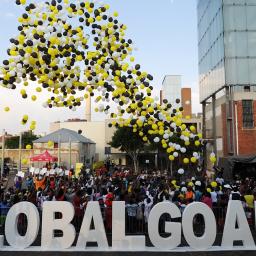 |
by Carla Kweifio-Okai on (#NJ6H)
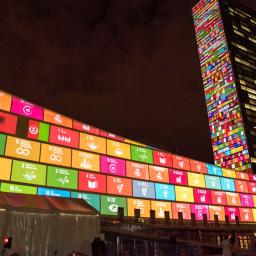
Join the debate on the 17 sustainable development goals – the roadmap for a fairer world – by telling us what you consider to be the most pressing issuesAfter more than two years of consultation and planning, the sustainable development goals have come to fruition. The 17 goals are designed to be the roadmap leading to a fairer world, tackling issues of poverty, inequality and climate change. Unlike their predecessors, the millennium development goals the new global goals are universal in nature, meaning they will be applied to all countries, rich and poor.Related: Sustainable development quiz: what do you know about the global goals? Continue reading...
|
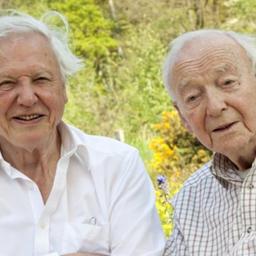 |
by Patrick Barkham on (#NJ0R)
Conservationist who inspired the creation of wildlife trusts and nature reservesIn the school summer holiday of 1937, the conservationist Ted Smith, who has died aged 95, cycled 14 miles from his home in rural Lincolnshire to Gibraltar Point. The sixth-former took his cheap binoculars to look for terns on this lonely stretch of sand and salt marsh beyond Skegness and, surrounded by sky and sea, he fell in love with the place. He noted three “gaudy new houses†on a road cut into the sand dunes, typical of the unrestrained development then enveloping the British coastline.A passion for wildlife and its habitats fired Smith for the rest of his life. This unassuming teacher battled against the tides of his time, industrial agriculture, toxic pesticides, the supplanting of ancient woods with conifers, the ploughing of heaths, and urban development, to cajole into existence a national network of 47 conservation charities now known as the Wildlife Trusts. Smith combined practical action – saving the last fragments of heath, meadow and coast (including Gibraltar Point) from destruction in Lincolnshire – with farsighted thinking, stressing the importance of landscape-scale conservation and the need to open the trusts’ 2,300 nature reserves to the public. Continue reading...
|
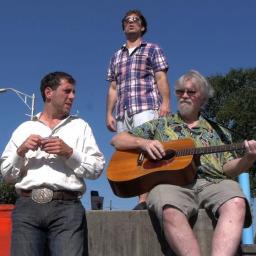 |
by Travis Irvine on (#NHYV)
New Orleans musicians Tom Henehan and David S Lewis talk – and sing – about hurricane Katrina and the way it changed their city. Look out for special guest Barack Obama and his motorcade.
|
 |
by Fiona Harvey on (#NHST)
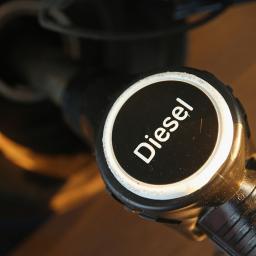
Rigged tests mean diesel pollution levels are higher than thought. But is diesel that bad? And how will it affect you?The carmaker Volkswagen has been forced to admit that it falsified emissions tests run on its vehicle engines. It did so by employing special technology that only turned on during test conditions, and which artificially lowered the amount of pollutants produced from its diesel cars. This led to vehicle licensing authorities, which conduct the tests in order to protect public safety and cut pollution, believing that the engines were much cleaner than they really were. Continue reading...
|
 |
by Arthur Neslen in Brussels on (#NHSH)
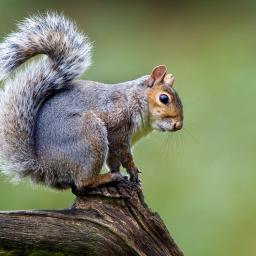
EU embargo on trade, possession and transport of 37 invasive species filed at the WTO, but conservationists say species omitted for commercial reasons pose a major threat to biodiversityAnyone caught exporting or possessing invasive species such as grey squirrels, ruddy ducks and water hyacinth in the EU will soon face heavy fines and confiscations, under a new blacklist filed at the WTO, which the Guardian has seen.Raccoons, Javan mongooses, and South American coypus are among the 37 types of flora and fauna that will soon face eradication or strict controls in a bid to halt threats to native wildlife and economic losses, estimated at €12bn (£8.8bn) per year by the EU. Continue reading...
|
 |
by Eric Hilaire on (#NHRB)
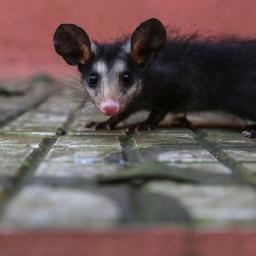
Sick sea stars, a baby opossum and a bright pink river are among this week’s pick of images from the natural world Continue reading...
|
 |
by Terry Macalister on (#NHPR)
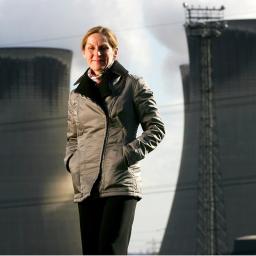
Key shareholder blames cuts in renewable energy subsidies for decision to abandon White Rose CCSAn ambitious plan to build a £1bn prototype plant to capture carbon from a coal-fired power station in North Yorkshire is under threat after a key shareholder pulled out.
|
 |
by John Vidal on (#NH9D)
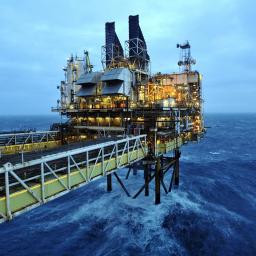
Nicolas Kent’s series of seven new dramas follow the politics, power and corruption behind the oil that has shaped the modern world
|
 |
by Lenore Taylor on (#NH4A)
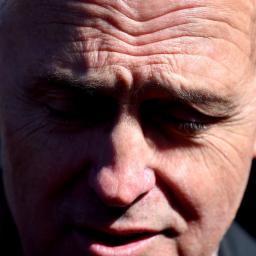
Malcolm Turnbull is now defending the policy he criticised, but his truths about climate change won’t go away and this stop-gap scheme will come badly unstuckYou asked for this Malcolm, standing in the wind outside the war memorial this week. You said journalists had “to hold up the truth to powerâ€. But in the case of your climate policy you’ve made our job easy. You’ve said so much on the subject that for the most part we can hold up your own truth to yourself.Related: Coalition’s climate policy 'best and most efficient' in the world, says Greg Hunt Continue reading...
|
 |
by Sarah Kaplan for the Washington Post on (#NH32)
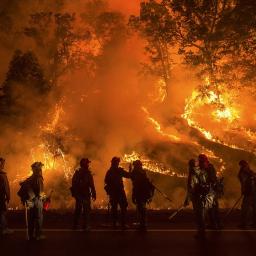
The Golden State has suffered four parched years, but the land could be too dry to absorb heavy rains anticipated this winterVast swathes of forest are so brittle and bone-dry that they burn up in an instant. A vicious wildfire, whipped up by hot, arid winds and moving faster than anything in recent memory, consumed tens of thousands of hectares in a matter of hours. Hundreds of homes and at least one person were lost in an inferno that took days to get under control. That’s in California’s north.If you drove south on the same day last month, and you would have found darkened skies and heavy sheets of rain pounding the parched earth around Los Angeles. By noon on 15 September, the city had received 63.5mm of rain, that’s 10 times the precipitation the area usually gets in the entire month. The city has only seen two other storms like it in the past 150 years. Continue reading...
|
by Lenore Taylor Political editor on (#NGT7)
Despite criticism from business groups and leading analysts, environment minister insists Direct Action policy will reduce emissions and electricity pricesGreg Hunt has insisted the Coalition’s Direct Action plan is the “best and most efficient†climate policy in the world, as China, the world’s biggest carbon polluter, confirms it will begin a national emissions trading scheme in 2017.
by Guardian Staff on (#NGPQ)
Zachary, a Western lowland baby gorilla, spends time with his mother, 11-year-old Kamba, at Brookfield Zoo in the US state of Illinois. He was born on Wednesday and keepers say he is growing well. Having grown up in a strong and stable family group herself, Kamba has gained the social experience and confidence she needs to be a good mother Continue reading...
 |
by Press Association on (#NGKZ)
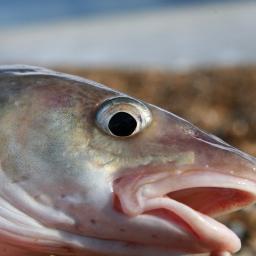
After years of reduced fishing and attempts to boost its population, cod numbers have risen above dangerously low levels, conservationists sayConservationists have taken North Sea cod off a red list of “fish to avoid†eating, as the ailing fishery begins to show signs of recovery.
|
 |
by Interview by Rachel Dixon on (#NGH9)
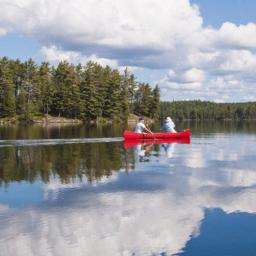
Though born in Guyana, the writer says her experiences in the Ontario wilderness made her feel like a real CanadianMy family moved to Toronto when I was three and I feel very Canadian in many ways. All my formative experiences took place there, but as an immigrant; I was born in Guyana, South America. I’ve lived in the UK for 18 years now, but I still feel displaced. Continue reading...
|
 |
by Matt Shardlow on (#NGDZ)
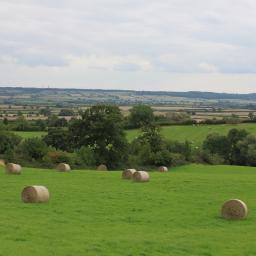
Lyddington, Rutland Poking around in the greenish sludge of a fresh pat reveals a wealth of beetle lifeSummer is damply fading into Autumn, in the hedgerows the crimson hawthorn berries and flecked bodies of garden cross orbweavers are waxing to their utmost rotundity, while arable fields are in various stages of undress and reclothing.Rutland is a small county – so small it has only half a member of parliament – with a rural, even quaint reputation; one to which the countryside around Lyddington conforms. Hills big enough to have names, including Prestley Hill, Bee Hill and the Barrows, frame the broad vale of the river Welland. Continue reading...
|
by Johnny Langenheim on (#NG96)
Scientists are predicting the demise of most of the world’s coral reefs by as early as 2050. The Coral Triangle is the richest of them all and could be the first to go.
 |
by Oliver Milman on (#NG7F)
Australia’s two largest urban areas are among 10 new cities added to the UN initiative launched by Michael Bloomberg, former mayor of New York, in 2014Melbourne and Sydney have joined an international coalition of cities that have committed to reduce their greenhouse gas emissions and advocate for action on climate change.
|
 |
by Guardian Staff on (#NG6T)
To celebrate the international launch of McDonald’s organic burger, the fast-food company transforms Munich football stadium into a giant burger. The illumination, which may not be immediately recognisable as a burger, is the biggest lighting project in the world, made possible by 300,000 LED lights on the surface of the Allianz arena Continue reading...
|
 |
by Suzanne Goldenberg US environment correspondent on (#NFYQ)
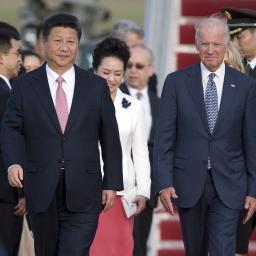
White House officials announce deal, which will make China the world’s biggest carbon market, on eve of summit between Barack Obama and Xi JinpingChina, the world’s biggest carbon polluter, will launch a national cap-and-trade scheme in 2017, the White House said on Thursday.
|
 |
by Guardian Staff on (#NFEK)
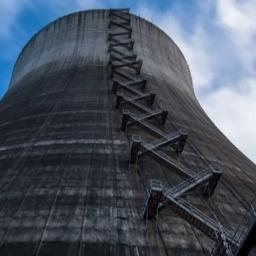
Watch videographer Andrew Walker’s timelapse video of an abandoned power plant in Washington. Walker used two cameras to make the video, taking around 10,000 pictures, most of which were captured in one day over a period of eight hours. Walker said he decided to make the video two years ago after seeing pictures of the power plant, and was particularly impressed by the reactor and cooling tower Continue reading...
|
 |
by John Vidal on (#NFC0)
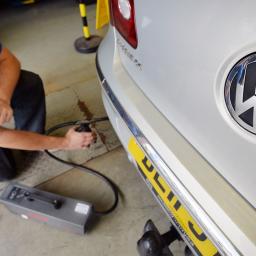
VW’s large-scale deception fits a pattern of carmakers cynically exploiting lax emissions testsThe biggest carmaker is imploding. Its chief executive has gone. The lawyers are gathering, the share price has plunged and today ministers announced their own inquiry into car emissions and testing. The scale of Volkswagen’s deception of the public is huge. They rigged 11m cars which together may have emitted up to an extra 1m tonnes of a toxic gas that kills more than 23,000 people in Britain alone each year.Related: The Volkswagen emissions scandal explained Continue reading...
|
 |
by Letters on (#NF5G)
It is unsurprising but disappointing that the initial reaction to Volkswagen’s deceit (Volkswagen scandal: US chief says carmaker ‘totally screwed up’, 22 September) focuses on falling share prices. The impact of this scandal, however, runs far deeper. Research has shown that many car brands tested in factory settings do not perform as expected by European emission standards on the road. With tens of thousands of deaths hastened by exposure to pollution every year, the real lesson to learn is that we absolutely cannot continue to rely on manufacturers for accurate information about vehicles’ emissions. We need independent, real-world testing. This will not only prevent manufacturers from self-certifying results but, by providing accurate data with which to inform both consumer choice and government pollution-reduction strategies, will go a long way in protecting the health and lives of thousands.Signed by members of the Healthy Air Campaign: Continue reading...
|
 |
by Gwyn Topham Transport correspondent on (#NEPH)
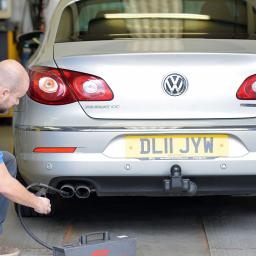
Department of Transport vows to rerun laboratory tests on engines and compare results with on-the-road emissionsThe British government is to start its own inquiry into car emissions and testing, running new lab tests on engines from across the industry and comparing the results with on-the-road emissions.The Vehicle Certification Agency, a division of the Department for Transport, will work with manufacturers across the industry as it reruns tests in the wake of the VW test-rigging scandal. The government also called on the European commission to launch a Europe-wide investigation into the car industry. Continue reading...
|
 |
by Guardian Staff on (#NF3K)
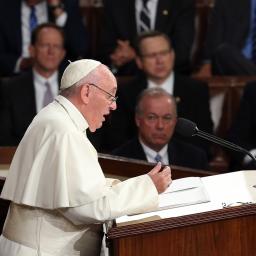
Pope Francis calls on the US – and Congress – to lead the charge in efforts to combat climate change. Addressing the nation’s leaders on Capitol Hill, Francis said now was the time for courageous action and strategies to protect the environment, saying that the US in particular had an important role to play• Follow our live coverage of the pope’s visit Continue reading...
|
 |
by Suzanne Goldenberg in Washington DC on (#NES6)
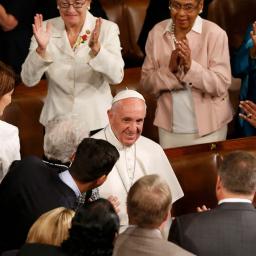
Climate campaigners applaud pope’s bridging of environmental issues with moral obligation as way to force Republican party leaders to reconsider positionIt just took one utterance from Pope Francis – “earth†– to rouse cheers from the climate campaigners who had gathered on the Mall to watch the pope’s historic speech to Congress.The pope’s visit to what remains a fortress of climate denial among the Republican party leadership greatly boosted hopes among campaigners of elevating climate change from a narrow, partisan issue to a matter of broad public concern. Continue reading...
|
 |
by Agence France-Presse on (#NENA)
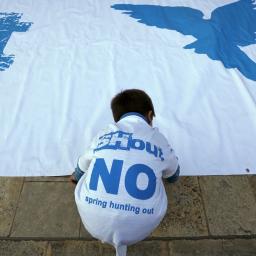
Critics say island custom of hunting birds migrating across Mediterranean is cruel because they are killed before they can breedThe European commission has referred Malta to the EU’s top court over the controversial tradition of hunting birds migrating across the Mediterranean every spring, officials have said.Malta has been at odds with Brussels for years over the issue. Critics of the practice say it is cruel as birds are killed before they can breed, but supporters defend it as a longstanding custom. Continue reading...
|
 |
by Emma Howard on (#NEPK)
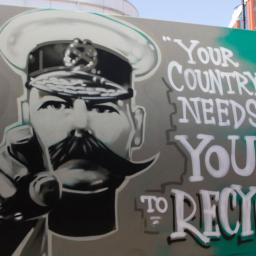
Fife council begins monthly collection for landfill bins, with recycling bins emptied more often, in first UK trialTrials of monthly bin collections in the UK are “an obvious next step†to tackle the UK’s stalling recycling rates, waste management experts have told the Guardian.Fife council have begun trialling once-a-month collections for landfill bins, with recycling bins and food waste taken more often. Continue reading...
|
 |
by Guardian Staff on (#NEMC)
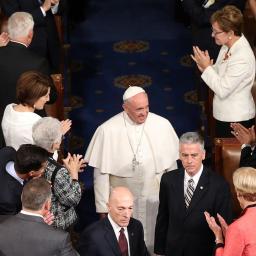
Pope Francis urged the US Congress to reject a ‘mindset of hostility’ on immigration and to recognize those who wish to move to the United States as people who are trying to improve their lives and those of their families. Francis gave his historic address to a joint session of Congress on Thursday morning in which he also discussed the death penalty and climate change•Follow our live coverage of the Pope’s visit Continue reading...
|