 |
by Mike McGinn, Alec Connon and Sarra Tekola on (#NXQ9)
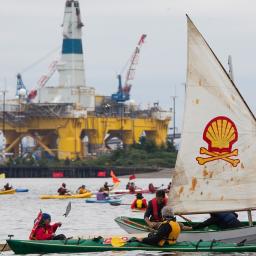
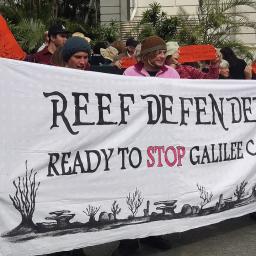
Bill and Melinda Gates could send a message to politicians and the public that it’s possible to imagine a future free of fossil fuels and signal to others to followSeattle has found itself at a crossroads of the fight against fossil fuel extraction. Heading right through our waterfront are coal trains from Wyoming, oil trains from North Dakota, and Shell’s Arctic drilling fleet. It is quite the juxtaposition. Progressive Seattle, with its climate hugging politicians, tied to the fossil fuel extraction it claims to oppose.It’s the same challenge faced worldwide. At the same time as we make extraordinary advances in conservation and alternative energy sources, we lack the political will to stop fossil fuel extraction at the source. Bring on the solar panels, wind turbines, electric transit, bike lanes and LED lights, but if we keep pumping, digging and burning fossil fuel reserves we will still lose the fight. Scientists tell us that approximately 80% of our known reserves must stay in the ground to prevent the worst effects of climate change. Continue reading...
|
| Link | http://feeds.theguardian.com/ |
| Feed | http://feeds.theguardian.com/theguardian/environment/rss |
| Updated | 2026-08-20 17:01 |
 |
by George Monbiot on (#NXR8)
While we marvel at Nasa’s discoveries, we destroy our irreplaceable natural resources – so we can buy pre-peeled bananas and smartphones for dogsEvidence for flowing water on Mars: this opens up the possibility of life, of wonders we cannot begin to imagine. Its discovery is an astonishing achievement. Meanwhile, Martian scientists continue their search for intelligent life on Earth.Related: Nasa scientists find evidence of flowing water on Mars Continue reading...
|
 |
by Jessica Shankleman for BusinessGreen, part of the on (#NXCZ)
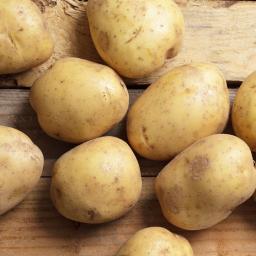
2 Sisters Food Group unveils wide-ranging sustainability plan with targets to cut carbon emissions by 20% by 2018, reports BusinessGreenThe parent company of some of the UK’s biggest food brands including Fox’s Biscuits and Goodfella’s pizzas is this week set to flick the switch on a new electricity generator that will be powered by waste mashed potato.The new bio-refinery at 2 Sisters Food Group’s Carlisle factory is expected to produce 3,500 megawatt hours (MWh) each year in electricity and the equivalent of 5,000MWh in steam to help power the factory. The anaerobic digestion plants will use potato waste from the factory’s mashed potato and pie manufacturing lines as a feed stock. Continue reading...
|
 |
by Tom Levitt on (#NXB4)
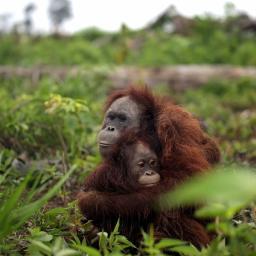
A new palm oil plantation in Borneo, Malaysia, is being used by researchers to study ways of retaining endangered wildlife, including the orangutanHave you ever thought about what it’s like for the animals and birds living in a forest when it’s cleared to make way for a palm oil plantation? It’s similar to finding your home being demolished brick by brick.First the loggers come in and take away trees of commercial value. Species such as the orangutan, which rely on tree cover, will retreat to the forest boundaries, perhaps venturing out into the logged forest while there are still remnants of habitat left. Continue reading...
|
 |
by Murithi Mutiga in Nairobi on (#NX9R)
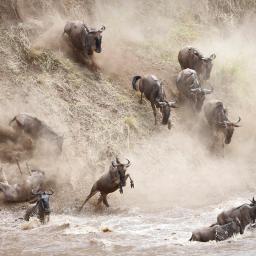
Epic journey of nearly 2 million wildebeest, gazelle and zebras to Kenya’s Maasai Mara reserve is being tracked onlineEvery year a million wildebeest, half a million gazelle and 200,000 zebra make the perilous trek from the Serengeti park in Tanzania to the Maasai Mara reserve in Kenya in their search for water and grazing land. It is one of nature’s most spectacular sights – and one that few people are able to see first hand.But this year the dramatic display is being broadcast live on the web – complete with expert commentary. Continue reading...
|
 |
by Carla Kweifio-Okai on (#NX9S)
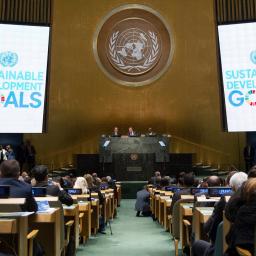
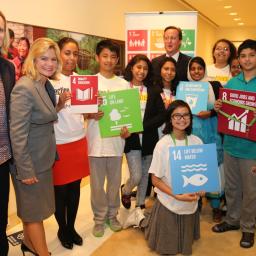
Sustainable development goals formally adopted at UN, a project documenting women and children’s lives around the world, and a report card on nutritionIf you are viewing this on the web and would prefer to get it in your inbox every two weeks, register for the email editionAfter years of consultations and campaigning, the world has a new plan for tackling poverty, inequality and climate change. The sustainable development goals were formally adopted by 193 member states at the UN general assembly, green lighting them to replace the millennium development goals, which expire this year. You can follow the action as it happened, read how the new pledge affects women and children, and see how campaigners turned out to mark the new agreement. And if you think you know a few things about the new goals, test your knowledge with our SDGs quiz.Related: World leaders agree sustainable development goals – as it happened Continue reading...
|
 |
by Associated Press in Johannesburg on (#NWWN)
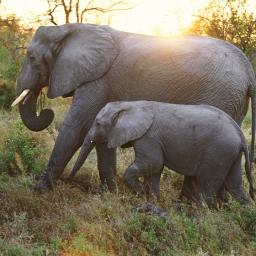
New managers of Liwonde national park say elephants and crocodiles have killed three poachers inside, and four people outside, the unfenced parkElephants and crocodiles have killed seven people in separate incidents over a seven-week period in and around a wildlife park in Malawi, the park’s managers said.African Parks, a Johannesburg-based group, attributed the deaths in Liwonde national park primarily to the fact the reserve is unfenced and also because poachers are illegally entering the park. The park’s 80-mile (129km) perimeter will be fenced, which will take 18 months, according to the non-profit group. Continue reading...
|
by Dana Nuccitelli on (#NWVX)
Journalists investigated Exxon’s rejection of its own science to deceive the public. Scientists call for the Justice Department to investigate
 |
by Tom Levitt on (#NWT9)
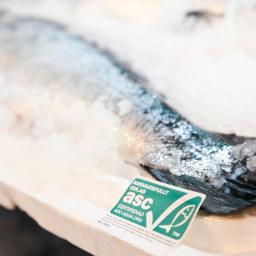
After years of bad press, salmon farms are signing up to new certification standards in a bid to prove their environmental and social credentialsStanding on the edge of a circular cage anchored to the seabed a few hundred metres offshore, salmon farmer Jan Børre is feeling proud. His industry has been criticised over the past two decades with reports emerging of seal deaths, pollution and escaping fish.But his farm, close to the Norwegian island of Skjervøy, has become one of the first to achieve an ethical accreditation designed to limit such problems.With 14 cages and more than 2 million salmon, Børre’s farm is one of the most modern sites in Norway, with submerged cameras in each cage monitored by staff on a support boat checking that the feed – dispensed via long pipes – is being evenly distributed to the fish. Continue reading...
|
 |
by Guardian Staff on (#NWHD)
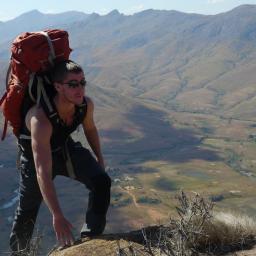
What do you after completing the world’s first unsupported trek across Mongolia? Well, if you’re Welsh adventurer, Ash Dykes, you walk the length of Madagascar to help publicize the plight of vanishing lemurs.
|
by Oliver Milman on (#NW99)
Australian Nuclear Association plans to lobby Turnbull government to embrace the technology ‘to create jobs and economic opportunity’The nuclear industry will lobby for nuclear energy in Australia, saying the prime minister, Malcolm Turnbull, should embrace the technology as a way to slash greenhouse gas emissions.
 |
by Mark Cocker on (#NW4P)
Claxton, Norfolk Her long aristocratic jaws and black oval eyes were immobilised beneath a pall of silkIn this slow-draining delta of colour that we name “autumn†I think the most beautiful thing I have seen this year is a holly hedge at Walcot Hall, Shropshire, entirely meshed with spider’s webs. Spiders claim September like no other month, and in that morning light they were scattered over with dew.But spare a thought for male spiders, since these days are also treacherous. In the nettle bed by the dyke I came across one hopeful male on the edge of an orb-web spun by a particularly grand garden cross spider. The latter had just trussed up her latest catch, a wasp, and was laying her forelegs over that still-living insect in readiness to dissolve it with her digestive juices. Continue reading...
|
 |
by Oliver Milman on (#NVZZ)
The Kermadec ocean sanctuary, in the South Pacific and spanning 620,000 sq km, expands an existing reserve surrounding the Kermadec IslandsNew Zealand will create one of the largest marine protected areas in the world, spanning an area of 620,000 sq km.The Kermadec ocean sanctuary will be one of the world’s most significant fully protected ecosystems, the prime minister of New Zealand, John Key, told the UN general assembly in New York. Continue reading...
|
by Bridie Jabour on (#NVV5)
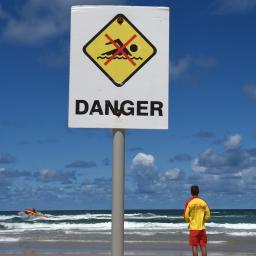
State premier Mike Baird convenes top scientists in bid to understand animals’ behaviour after recent surge of attacks on state’s north coastShark deterrents will not be put in the ocean off northern New South Wales just to “placate†people’s fears, a leading shark biologist has declared as another expert said no shark deterrent is going to be 100% effective.A shark summit has been convened by the NSW premier, Mike Baird, to discuss potential new technologies to ward off shark attacks and shark bites after an increased number of attacks off the north coast of NSW this year. However, there was some disagreement about whether any new technology will be on northern NSW beaches this summer. Continue reading...
 |
by Australian Associated Press on (#NVP0)
More than 80% of people in the Ballina region oppose lethal measures in response to attacks, University of Sydney study reportsMost people in northern New South Wales oppose a shark cull, a survey by the University of Sydney has found.The research, released on the eve of an international shark summit in Sydney, found more than 80% of people in the Ballina region opposed lethal methods in response to shark attacks. Continue reading...
|
 |
by Oliver Milman on (#NV7G)
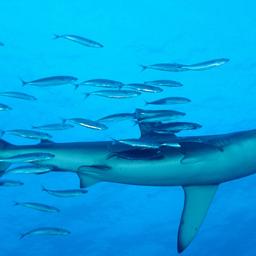
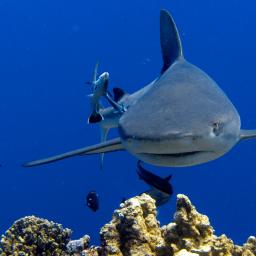
The findings come as shark experts meet at a summit at Taronga zoo in Sydney to discuss emerging technologies that can deter the marine predatorsShark experts will gather in Sydney on Tuesday to discuss new safety measures, as new research warns the culling of sharks could indirectly accelerate climate change.
|
 |
by Tim Radford on (#NV7J)
On 21 September 1741, the young clergyman-to-be rose before daybreak and went into the fields for a bit of sport.“I found the stubbles and clover-grounds matted all over with a thick coat of cobweb, in the meshes of which a copious and heavy dew hung so plentifully that the whole face of the country seemed, as it were, covered with two or three setting-nets drawn one over another,†Gilbert White remembered, many years later, in A Natural History of Selborne (1789). Continue reading...
|
 |
by Peter Erickson and Michael Lazarus on (#NTZM)
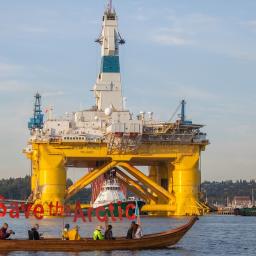
As Obama opens the Arctic for oil drilling, is he also making it harder for America to wean itself from its dependence on fossil fuels?
|
 |
by Terry Macalister on (#NRV2)
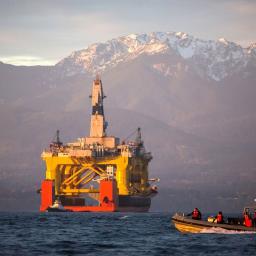
Oil giant’s US president says hugely controversial drilling operations off Alaska will stop for ‘foreseeable future’ as drilling finds little oil and gasShell has abandoned its controversial drilling operations in the Alaskan Arctic in the face of mounting opposition in what jubilant environmentalists described as “an unmitigated defeat†for big oil.The Anglo-Dutch company had repeatedly stressed the enormous hydrocarbon potential of the far north region in public, but in private began to admit it had been surprised by the popular opposition it faced. Continue reading...
|
 |
by Tracy Watkins in New York for Stuff.co.nz, part of on (#NTMK)
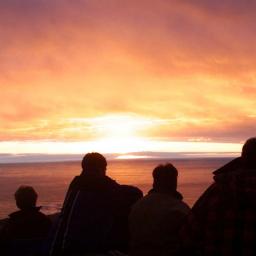
Fully-protected marine area will cover 620,000 km2 in the seas north-east of New Zealand in the Kermadec region, reports Stuff.co.nzA vast stretch of New Zealand’s exclusive economic zone is being turned into an ocean sanctuary in a landmark deal to preserve one of the most pristine and unique environments on Earth.Prime minister John Key announced the deal in New York, and said it would encompass 620,000 km2 in the seas north-east of New Zealand in the Kermadec region. Continue reading...
|
 |
by Emma Howard on (#NTDJ)
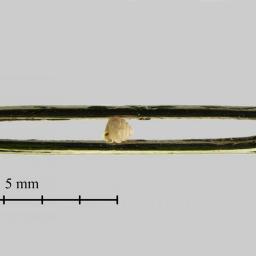
Tiny land snail that can fit 10 times in the eye of a needle found in Guangxi province
|
 |
by Karl Mathiesen on (#NT7B)
Analysis suggests France and Germany will be giving about twice as much in 2020 – and other aid budgets may lose out so the UK can pay its climate debtThe UK’s £5.8bn ($8.8bn) pledge to help poor nations cope with climate change falls short of the country’s fair share of the burden and the efforts of other European leaders, campaigners have said.The announcement increases the UK’s climate aid by 50% over the five years between 2016 and 2021. Significantly, it will also be scaled up, so that by 2020 the annual finance is £1.76bn ($2.68bn), or close to double the current annual funding. Continue reading...
|
 |
by Stephen Walton on (#NT4H)
Get up close and personal with one of nature’s most beautiful wildest creatures as artist Stephen Walton shares a fascinating timelapse video of himself drawing a lion in charcoalCounting Lions, with words by Katie Cotton, drawings by Stephen Walton and an introduction by Virginia McKenna from the Born Free foundation is available at the Guardian bookshop. Continue reading...
|
 |
by Debbie Lawson on (#NT4K)
My grandmother, Margaret Lawson, who has died aged 96, was in many ways a woman ahead of her time. She was a passionate environmentalist who worked as a civil servant as well as raising seven children, and at the age of 67 went to university.Margaret was born in Brixton, south London, to Joseph Shaw, an accountant, and his wife, Eleanor (nee Wells), a year after the end of the first world war, the eldest of seven children. Her parents were spiritualists. Continue reading...
|
 |
by Guardian Staff on (#NT3X)
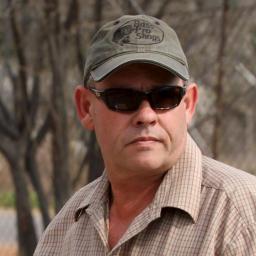
The trial in Hwange, Zimbabwe, of the Zimbabwean hunter who lead the trip to shoot Cecil the Lion is adjourned on Monday to allow the defence to prepare its case. Theo Bronkhorst lead the expedition that allowed an American dentist to shoot Cecil in July 2015 and he is charged with leading an unlawful hunt Continue reading...
|
 |
by Owen Bowcott Legal affairs correspondent on (#NT4N)
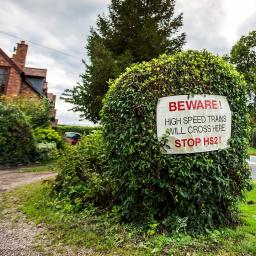
Ministry of Justice denies proposals for higher cost caps are timed to coincide with HS2 and Heathrow expansionGreen organisations could face steep rises in the cost of legal challenges to Heathrow’s expansion, or air quality policies, under reforms the government is contemplating.Proposals to expose claimants in environmental cases to higher financial liabilities if they lose their cases could deter people from bringing actions, according to the Campaign to Protect Rural England (CPRE). Continue reading...
|
 |
by Suzanne Dhaliwal on (#NT17)
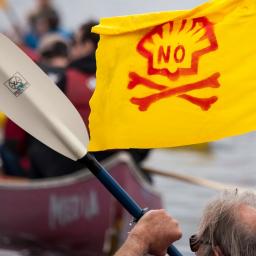
British climate campaigns need a dose of diversity – the absence of people of colour on panels is impossible to ignoreIf you were to trust what you see in the UK media you would think that climate change is a white issue that speaks to and is populated by one demographic alone.The reality is that from Seattle to Beijing the international climate movement is a dynamic, multicultural, multi-class and intergenerational force using a diversity of tactics to challenge the root causes of climate change. It’s just the British movement that is a bit, shall we say, stuck in its ways.
|
 |
by Arthur Neslen on (#NSTM)
Environmentalists claim victory as Shell abandons Arctic oil drilling, but the energy company is still pursuing oil and gas elsewhere in the short-termShell’s decision to put its Arctic oil exploration plans in deep freeze will have several knock-on effects for global oil exploration, environmental protests and the future of the company itself.The broader Arctic retreat by energy firms once bullish about polar prospects has now left just two working operations in the region: BP’s Prudhoe Bay field, which feeds the Trans-Alaskan pipeline, and Gazprom’s largely symbolic Prirazlomnoye platform in the Pechora Sea. Continue reading...
|
 |
by David Smith Africa correspondent on (#NSQA)
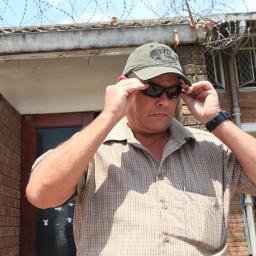
Lawyers for Theo Bronkhorst argue circumstances surrounding death of famous 13-year-old big cat do not constitute a chargeable offenceThe case against a professional hunter who helped an American dentist kill a popular lion in Zimbabwe should be thrown out of court, his lawyers have argued.Theo Bronkhorst, 52, is charged with “failing to prevent an illegal hunt†when Walter Palmer paid $55,000 (£35,000) to shoot the lion, known as Cecil, with a bow and arrow in early July. He faces up to 15 years in prison if convicted. Continue reading...
|
 |
by Associated Press on (#NSPA)
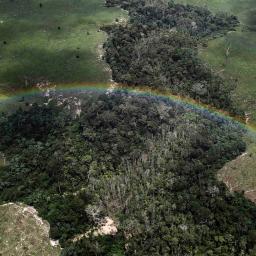
Brazil becomes first major developing country to pledge an absolute reduction in greenhouse gas emissions ahead of Paris climate talksBrazil on Sunday became the first major developing country to pledge an absolute reduction in greenhouse gas emissions for an envisioned global pact against climate change.The world’s seventh biggest greenhouse gas polluter said it would cut its emissions by 37% by 2025 from 2005 levels by reducing deforestation and boosting the share of renewable sources in its energy mix. It also indicated an “intended reduction†of 43% by 2030. Continue reading...
|
by Arnaldo Vieira de Carvalho and Christopher Barton on (#NSKX)
Energy efficiency is the overlooked ‘invisible’ solution to reducing carbon emissions. Latin America is starting to catch on to the potentialEnergy efficiency provides the cleanest, cheapest, and quickest solution to meet worldwide energy demand. Long-term energy scenarios developed by the International Energy Agency assign energy efficiency the largest role in reducing carbon emissions to mitigate climate change. This role is much greater than all other means combined, including renewable energy, biofuels, nuclear, or carbon capture and storage.Energy efficiency is often overlooked globally, and marginalised by more expensive options because it is not easy to sell politically; nor is it popular in the media. This is because energy savings are invisible, whereas big energy infrastructure projects create opportunities for opening ceremonies, evident jobs, media coverage, and all kind of actions that build political capital. Continue reading...
 |
by Harriet Sherwood Religion correspondent on (#NSHY)
Religion correspondent Harriet Sherwood recaps pope’s stance on climate change, immigration, poverty and other key themes of his six-day tripExpectations among American Catholics were high for the pope’s first visit to the US. Those on the liberal wing of the church hoped that Francis would focus on his signature themes of poverty and climate change; conservative Catholics were looking for papal reinforcement of their opposition to abortion and same-sex marriage.On the plane to Washington DC from Cuba, Francis sought to play down the notion that he was a leftwing pope. He told reporters he “may have given the impression of being a little more to the left, but it would not be a correct interpretation.†His doctrine was the doctrine of the church, he said: “Nothing more, nothing less.â€
|
 |
by Bahare Khodabande on (#NSDM)
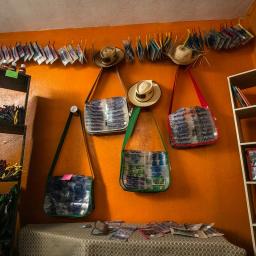
Small plastic water bags are one of Haiti’s safest and most affordable ways to hydrate. But without a robust waste management system in place, the used bags find their way on to streets and into rivers. Now one organisation is cleaning up the city and turning this trash into accessories Continue reading...
|
 |
by Guardian Staff on (#NSBD)
Cars are banned from large parts of Paris on Sunday as the city goes car-free for the first time. The eight lanes of vehicles on the Champs Elysées are replaced with bikes, scooters, skateboards and people on foot between 11am and 6pm. Exceptions are made for taxis, buses and residents’ vehicles. The initiative was launched by Paris mayor Anne Hidalgo as the city prepares to host this year’s climate change conference
|
 |
by Agence France-Presse on (#NS5T)
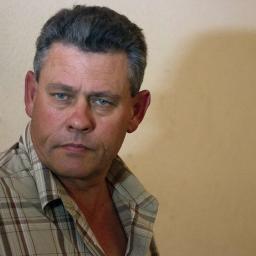
Zimbabwean Theo Bronkhorst trial to begin, but lawyers say they will apply to throw case outThe trial of Theo Bronkhorst, the professional Zimbabwean hunter who led the expedition that killed Cecil the lion, is due to start but his lawyers say they will attempt to have the case thrown out of court.Bronkhorst, 52, is charged with “failing to prevent an illegal hunt†in early July when Walter Palmer, an American dentist, paid $55,000 (£36,200) to shoot the lion with a bow and arrow. Continue reading...
|
 |
by David Crouch in Orust on (#NQFB)
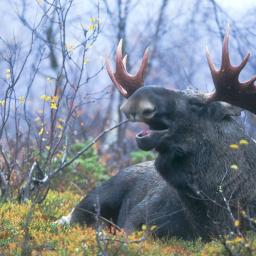
Sweden abounds in moose, cheering the country’s passionate hunters but not its agriculture and forestry sectors which say profits are being munched awayA mild-mannered monster of the Scandinavian forests is setting Swede against Swede as farmers and hunters bicker over how to coexist with the world’s largest population of moose.Hunting season will open in the south of Sweden on 12 October, when more than a quarter of a million Swedes will fell about 90,000 moose in a matter of weeks. Continue reading...
|
 |
by Rohan Anderson on (#NRJ3)
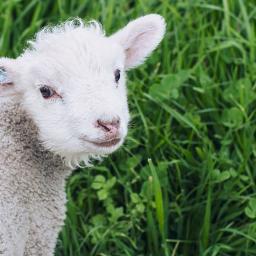
This transitional season when the sun comes out, then disappears as fast as it arrived, can make growing food tricky, as spring can be as lean as winter
|
 |
by Lenore Taylor Political editor on (#NRD7)
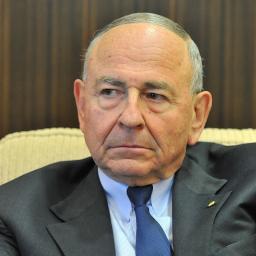
Newman, whose term as chairman of PM’s business advisory council has expired, repeatedly questioned climate science in columns for the AustralianOutspoken climate sceptic Maurice Newman’s term as chairman of the prime minister’s business advisory council expired last week and he has not been reappointed, a spokesman for prime minister Malcolm Turnbull has confirmed.
|
by Oliver Milman on (#NRCZ)
Koalas around Cape Otway, south-west of Melbourne, are facing a struggle for survival that will persist unless a long-term solution can be agreed onIf you’re keen on spotting a wild koala, you can improve your chances by gazing at the eucalypts that host the largest of the marsupial species, in the Otways of Victoria.
by Oliver Milman on (#NRAA)
The koalas around Cape Otway, south-west of Melbourne, are facing starvation. The population has ballooned and their favourite food is in short supply. The state government has intervened with a fortnight of health checks, during which koalas are caught, examined and fitted with tracking collars. More controversially, captured females are sterilised and the weakest euthanised Continue reading...
 |
by Thomas Coward on (#NR0Y)
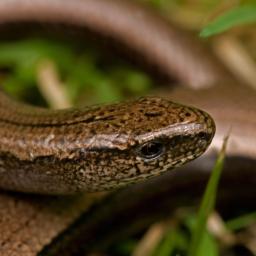
Originally published in the Manchester Guardian on 28 September 1915The specific name of that legless lizard that looks, so like a snake, the blindworm or slowworm, is fragilis; it is a good name, too; far better than many scientific titles. But the blindworm, though fragile or brittle, is not delicate, for it can part with a portion of its anatomy without any inconvenience; indeed, it does so willingly in order to save its life. I saw one on a bank of heather and thyme, caught it, and allowed it to glide over my hand, but as it slipped away I gripped the extreme tip of its tail. There was no perceptible check to the progress of the blindworm; the major portion - the part that mattered - proceeded swiftly down the stony path to safety, and two inches of writhing tail remained in my fingers. The insensible bit it left behind struggled violently, and twenty-three minutes later still moved slightly and rhythmically; the happy owner had retired and in course of time would grow another end to replace the lost bit, an end it could again part with if danger threatened. The advantage to the lizard is obvious. A bird, snake, or other enemy is attracted by the struggles of the reflex tail, whilst the lizard itself escapes, moving, like my blindworm did, swiftly but without squirms and curves; all the enemy secures is a bit of rather dry latter end.Only a few days before I had this object-lesson I had been reading of an incident witnessed by that delightful Indian writer “Ehaâ€; he saw a scorpion vigorously stinging to death the really dead tail of a gecko, whilst its late owner quietly walked away “grinning.†Continue reading...
|
 |
by Jeremy Plester on (#NQXJ)
Imagine if waste carbon dioxide in the air could be turned into useful products such as fuels, building materials or even baking powder. At a stroke it would help get rid of a greenhouse gas, slow down climate change and make money from a major pollutant.If that sounds like cloud cuckooland, the technology is already being used and companies are turning waste CO2 into commercially viable products. Continue reading...
|
by Lanre Bakare in New York on (#NQHB)
Concertgoers committed to ending extreme world poverty by 2030 were entertained by of A-list celebrities and politicians in all-day eventGlobal Citizen’s goals aren’t exactly small-scale. The NGO, backed by the United Nations, big business and the likes of Bono, aims to end extreme world poverty by 2030.Organisers of its festival say the event, which was timed to coincide with the UN’s Global Goals, which replace the Millennium Development Goals, differs because it is not looking for people’s money, but their time instead. To enter a draw for a ticket to the free event, concertgoers had to complete “an action journey†– write to politicians, post on Twitter, etc. Some 60,000 people were chosen and the day-long event was their reward. Continue reading...
 |
by Julia Kollewe on (#NQ1D)
Lawyers acting for Volkswagen drivers in UK attack ‘lack of clarity’ as UK prime minister calls company’s actions unacceptable
|
 |
by Rowena Mason Political correspondent on (#NQBZ)
David Cameron says cash spread over five years will come out of foreign aid budget as he meets Ban Ki-moon and François Hollande at UNAlmost £6bn of the UK’s foreign aid budget will be spent on tackling climate change in poor countries over the next five years, David Cameron has said, as Britain steps up its contributions by 50% to help meet international targets.The prime minister will unveil the UK’s offer at the United Nations general assembly, before crucial international climate change talks in Paris in December where nations are expected to collectively pledge $100bn (£66bn) a year by 2020. Continue reading...
|
 |
by Debbie Carlson on (#NPXM)
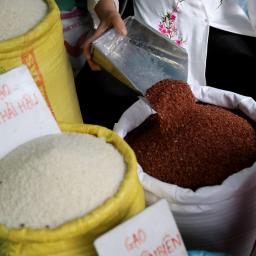
Weather has caused planting delays in the southern states and while the price hike is limited to the US, experts wonder if parts of Asia will be nextBlame El Niño. The weather phenomenon is causing havoc for US rice farmers and a sharp price spike in the world’s most important staple food may foreshadow possibly higher prices in Asia in the coming months.While other commodities have hit recent lows, US rice futures prices are up nearly 40%, to about $12.90 per hundredweight, their highest level since August 2014. In sharp contrast, soybean and cotton prices are at their lowest level since early 2009, while sugar prices are just off their lowest levels since 2008. And matters are likely to get worse. Continue reading...
|
 |
by Staff on (#NPMT)
Every sensible investor has avoided this nuclear power plant project. Not George Osborne
|
by Guardian Staff on (#NPEV)
Other carmakers deny they have cheated tests. But the consequences will be seismic if the guilt spreads to Volkswagen’s rivals, or to petrol enginesEveryone does it. These are the words that have often sparked history’s great corporate scandals. Companies or industries become detached from reality, and illegal or improper practices become seen as normal. It eventually ends in disaster.This was the case for traders and Libor, and now it could be the case for the automotive industry. Continue reading...
 |
by Shalailah Medhora on (#NP95)
George Brandis won’t rule out a review of the policy, saying he cannot ‘pre-empt what discussions may occur in the future’Senior members of the federal government have indicated that a review of proposed laws that would restrict environmental groups’ ability to challenge development projects could be on the cards, in the leadup to a Senate inquiry issuing its findings on the controversial bill.Related: Coalition MPs on 'green lawfare': mung bean soup to treasonous sabotage Continue reading...
|
 |
by Lucy Siegle on (#NP6H)
Here’s how to change your shopping habits when one-use disposable bags are taxed in England from 5 OctoberThe disposable shopping bag’s moment has come – 5 October marks the introduction of a long-awaited bag tax in England, which should put a massive dent in the 8bn plastic bags a year dispensed by supermarkets. In Wales and Scotland, people have been living (in most cases very happily) without free plastic bags for some time.To carry on polluting, it’ll cost you 5p per new bag, while online grocery delivery services will continue to infuriate by using loads of plastic bags and charging a flat fee. Continue reading...
|