 |
by Tom McCarthy andMona Chalabi on (#16Q9J)
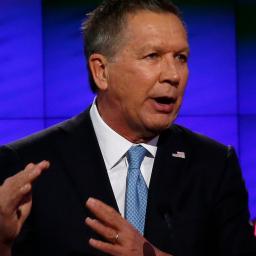
Despite the pressing concerns of low-lying debate host city Miami, polling shows climate change is a concern of less than 1% of Republican votersThe subject of climate change was raised on Thursday at the Republican debate in Miami – a city with pressing concerns about its effects.Marco Rubio, the Florida senator fighting strongly on home ground as he sought to revive his presidential campaign, was asked: “Will you acknowledge the reality of the scientific consensus of climate change?†Continue reading...
|
| Link | http://feeds.theguardian.com/ |
| Feed | http://feeds.theguardian.com/theguardian/environment/rss |
| Updated | 2026-08-18 09:30 |
 |
by Justin McCurry in Fukushima on (#16PTG)
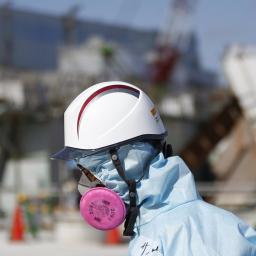
Removal of nuclear fuel from power plant that suffered triple meltdown following 2011 tsunami could take 40 years or moreIn the chaotic two years after its name became forever associated with nuclear disaster, the Fukushima Daiichi power plant “resembled a field hospitalâ€, according to the man who is now in charge of the most daunting task the nuclear industry has ever faced: removing hundreds of tons of melted fuel from the plant’s stricken reactors.“Now it really does feel like the situation is settling down and we can look ahead,†said Naohiro Masuda, head of decommissioning at the plant’s operator, Tokyo Electric Power Company (Tepco). Continue reading...
|
 |
by Dave Sweeney on (#16PRT)
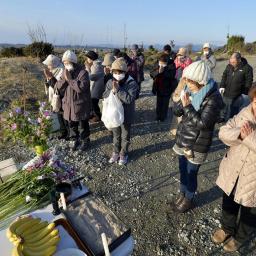
After directly fuelling the disaster at Fukushima, Australia should have taken steps to review and reconsider its role in the global nuclear tradeFive years ago this week the world held its breath, crossed its fingers and learnt a new word.
|
by Stephen Bygrave on (#16PRW)
A high-speed rail network would radically reduce emissions, connect regional and urban areas, create jobs and enhance investment. So why the hold-up?With the government conducting a hearing into the benefits of high-speed rail last week, Labor’s Anthony Albanese submitting a private member’s bill to parliament, and former Liberal minister Andrew Robb supporting such a project, the time is right to approve and start building a much needed high-speed rail system in Australia that would link 60% of the population and slash our greenhouse gas emissions.With the Turnbull government supposedly committed to tackling climate change head on, and with the prime minister embracing technology, innovation and disruption, high-speed rail is a zero-emissions form of transport that would radically reduce our emissions, connect our regional and urban areas, create jobs and enhance investment. Continue reading...
 |
by Suzanne Goldenberg in Washington on (#16PHA)
As Obama nears the end of his term and Trudeau is just beginning his, it seems as if the US president has found a like-minded champion of liberal causesWould that the battle for the White House were as congenial, sunny, optimistic and unabashedly inclusive and outward-looking as the symbolic handover for the job of liberal leader of the English-speaking world that took place on Thursday between Barack Obama and Justin Trudeau.The two leaders – Obama gray and nearing the end of his term, Trudeau in the first months of his prime ministership – affirmed that when it came to what they called the “big ideas†of climate change and economic inclusion the two shared a common global vision.
|
 |
by Oliver Milman on (#16PCX)
The dead eagles were found on 20 February and were thought to have fallen victim to a disease – but now officials say ‘these were human-caused deaths’Wildlife officials have said 13 bald eagles found dead in Maryland last month did not die from natural causes. A hunt for whomever killed the birds is under way.
|
by Karl Mathiesen on (#16NZR)
Scientists have discovered a species of bacteria capable of breaking down commonly used PET plastic but remain unsure of its potential applicationsNature has begun to fight back against the vast piles of filth dumped into its soils, rivers and oceans by evolving a plastic-eating bacteria – the first known to science.In a report published in the journal Science, a team of Japanese researchers described a species of bacteria that can break the molecular bonds of one of the world’s most-used plastics - polyethylene terephthalate, also known as PET or polyester. Continue reading...
 |
by Peter Walker on (#16NYB)
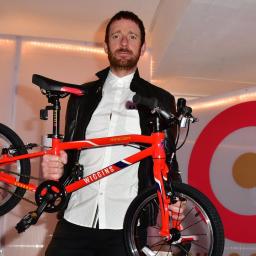
No jumping lights, whacking cars or effing and jeffing: the Olympic champion tackles the issues of everyday cyclingLondon’s fleet of Boris bikes are sturdy, convenient even, but hardly famed for their speed and handling. However, if you see one ridden by a tall, bearded man unexpectedly vanish into the horizon when the lights change, don’t be alarmed. It is probably just Sir Bradley Wiggins getting about town.The 35-year-old will retire from top-level competition after the Rio Olympics, so his mind is turning to such everyday riding, and Wiggins predicts London will become as packed with bikes as the Netherlands. Continue reading...
|
 |
by Rowena Mason Political correspondent on (#16NTP)
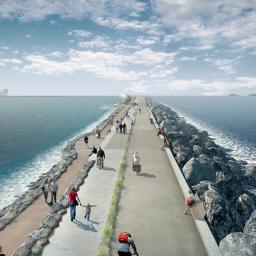
Ministers urged to give go ahead to tidal energy scheme as doubts grow over Hinkley Point nuclear power stationMinisters have been urged to commit to plans for a huge tidal energy lagoon to keep the lights on in the UK, amid mounting concerns about whether the Hinkley Point nuclear power station will ever get built.MPs and peers are applying pressure for the government to get behind the tidal power project, saying it is an essential “plan B†to ensure energy security. Continue reading...
|
 |
by Guardian Staff on (#16NRY)
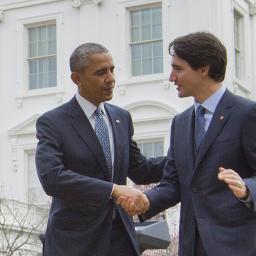
US president Barack Obama has appeared alongside Canadian prime minister Justin Trudeau to vow to work together in the fight against climate change, saying that both countries are threatened by ‘rising seas, melting permafrosts and disappearing glaciers and sea ice’. Trudeau, who is on an official state visit to the US along with his wife and children, said he and Obama ‘share the same goal’ when it comes to climate policy Continue reading...
|
 |
by Oliver Milman on (#16NPT)
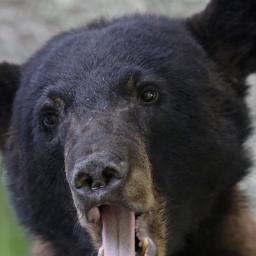
The US Department of the Interior said the ‘conservation success’ meant the subspecies no longer required protection but will continue to be monitoredThe Louisiana black bear, the animal credited with spawning the phrase “teddy bearâ€, is to be removed from the federal list of endangered wildlife following a two-decade conservation effort.
|
 |
by Laura Stewart on (#16NNF)
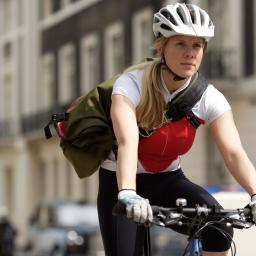
Keen cyclist but yet to brave the daily journey to work? Laura Stewart offers 10 top tips to put your bike on the roadCommuting by bike is a great way to breathe in some fresh air, move your legs and get your heart pumping. Unfortunately, on busy roads it can also be very daunting – trying to dodge drivers, potholes, and pedestrians can seem terrifying. No one likes to show up for work frazzled and exhausted from the effort of just getting there, so here are 10 tips on how to make your commute bike-friendly. Continue reading...
|
 |
by Guardian Staff on (#16NGV)
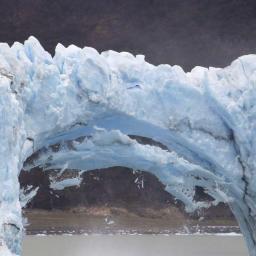
Chunks of Argentina’s Perito Moreno glacier collapse on Thursday as large chunks of ice break off and crash into the water. The Patagonian glacier known as the “White Giant†is one of Argentina’s biggest attractions. The river of ice 18 miles (30 km) long ends in a sheer wall blocking Lago Argentino where large pieces tumble into the water from time to time Continue reading...
|
 |
by Alex Pashley for Climate Home, part of the Guardia on (#16NFT)
The last time the Earth saw such a sustained increase was over 11 millennia ago, says US science agency. Climate Home reportsAtmospheric concentrations of carbon dioxide last year rose by the biggest margin since records began, according to a US federal science agency.Fossil fuel burning and a strong El Niño weather pattern pushed CO2 levels 3.05 parts per million (ppm) on a year earlier to 402.6 ppm, as measured at the Mauna Loa Observatory in Hawaii, the National Oceanic and Atmospheric Administration (Noaa) said on Wednesday. Continue reading...
|
 |
by Suzanne Goldenberg on (#16MXF)
Countries previously seen as climate change villains present shared vision on cutting emissions as Justin Trudeau meets Barack Obama at White HouseThe US and Canada declared they would help lead the transition to a low-carbon global economy on Thursday, in a dramatic role reversal for two countries once derided as climate change villains.
|
 |
by Jane Marren on (#16MXS)
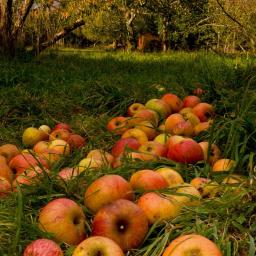
Beer made from old bread; chutney from windfalls; shops that sell excess stock at cut prices – there are many ways to tackle the scourge of squandered foodIf they think about it at all, most people think of food waste, or surplus, as the “reduced to clear†section in the supermarket. But that is just a tiny fraction of what exists. The truth is that most food surpluses in the supply chain never even reach our supermarket shelves.Let me take you back to the Queen’s diamond jubilee in 2012. What a glorious weekend we were planning – barbecues, street parties and garden games, while we watched the 1,000-strong flotilla cruise down the Thames. Retailers had been planning for months, ensuring that their manufacturers and suppliers had a bumper supply of burgers, sausages, Pimms, cucumber and fruit ready to meet demand. Continue reading...
|
 |
by Reuters on (#16MPK)
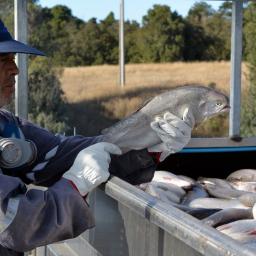
High ocean temperatures helped cause toxic bloom that has wiped out up to 20% of Chile’s total production for the yearA deadly algal bloom has hit the world’s second biggest salmon exporter, Chile, where nearly 23 million fish have already died and the economic impact from lost production has soared to $800m (£565m), industry and government sources told Reuters.The dead fish could easily fill 14 Olympic-sized swimming pools, said Jose Miguel Burgos, the head of the government’s Sernapesca fisheries body. Continue reading...
|
 |
by Oliver Milman on (#16MMW)
More than 20,000 people are expected to turn out for four days of wrangling, milking and even eating. But opposition from animal welfare groups is mountingIf you are thrilled by the idea of gawping at a giant vat of writhing rattlesnakes, taking part in a rattlesnake-eating competition or witnessing a beauty queen decapitate a rattlesnake, then west Texas is the place to be this weekend.The world’s largest rattlesnake “roundup†kicks off in the remote town of Sweetwater on Thursday. The four-day event attracted 20,000 paying spectators – double the town’s population – last year, with a bumper haul of snakes set to draw large numbers again this time around. Continue reading...
|
 |
by Joanna Chiu in Ulziit for Irin, part of the Guardi on (#16MK4)
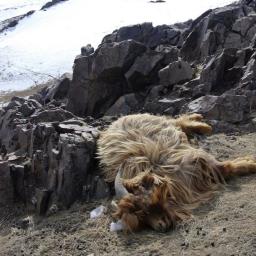
Overgrazing and a cycle of summer drought and winter snow has degraded vital pastureland in Mongolia, killing livestock and jeopardising livelihoodsDaashka and his brother tear across the Mongolian steppe on a motorbike in a desperate search for somewhere to graze their herds. Pastureland is dwindling rapidly as the country is beset by a cycle of drought and harsh winter that is killing off livestock in droves.“The summer ends early now and the fall is short and dry. Then there’s the long winter,†said Daashka, a 19-year-old herder who uses just one name and lives in the central Ulziit region. Continue reading...
|
 |
by Arthur Neslen on (#16MJ5)
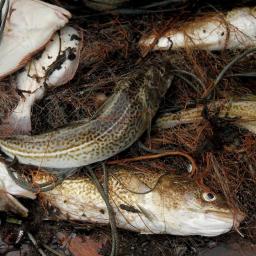
Baltic Sea proposal would allow catches well above current sustainable levels needed to restore healthy fish stocks, putting some species at risk, conservationists warnFishermen could soon be given carte blanche to overfish without needing to worry about restoring fish populations to a healthy state under a leaked European commission proposal seen by the Guardian.If it is approved, the blueprint for the Baltic Sea could soon be applied to the North Sea too, potentially threatening the future of some cod species, MEPs say. Continue reading...
|
by Patrick Barkham on (#16MGE)
Compensation of £10,730 ordered under a law normally deployed against drug dealers and hailed as ‘most significant conviction for bat crime ever recorded’A property developer who destroyed a bat roost has been ordered to pay record compensation under a law usually deployed against drug dealers.
 |
by Damian Carrington on (#16MB0)
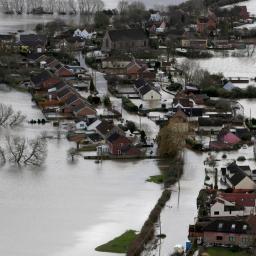
Figures show 62% cut to R&D budget to improve forecasting and defences over seven years, despite calls for such evidence in the wake of winter floodingFunding for “vital†research to improve flood forecasts, warnings and defences has been slashed by almost two-thirds since 2009, figures obtained by the Guardian show.
|
 |
by Associated Press in Delhi on (#16M2Z)
Sri Sri Ravi Shankar, who pledges to clean Yamuna riverbank after World Culture event, vows to challenge penaltyIndia’s environmental watchdog has fined a group led by a Hindu guru 50m rupees (£520,000) for constructing features that altered the topography and flow of a Delhi river before a cultural festival this weekend.The National Green Tribunal ruled it would allow the Art of Living Foundation to hold the World Culture festival on payment of the fine, which the group’s leader refused. Continue reading...
|
by Lauren Smith on (#16KVG)
Hong Kong’s shark fin trade is still robust, even given recent scares over unsafe mercury levels. But public attitudes towards consumption are slowly changingIt’s early February two days before the Chinese New Year. I am in Hong Kong and there are shark fins everywhere, to suit all types of consumer. You can buy them in general food stores, pharmacies and fishing villages. You can buy small ones in plastic bags, multipacks or single large ones with festive red bows tied around them.The cartilage in the fins is usually shredded and used primarily to provide texture and thickening to shark fin soup, a traditional Chinese soup or broth dating back to the Song Dynasty (960-1279). The dish is considered a luxury item embodying notions of hospitality, status and good fortune. Continue reading...
by Calla Wahlquist on (#16KRE)
Health warning issued for 350km of the river to not swim or drink the water, but fishing is not affectedBusinesses along the Murray river that rely on the tourist dollar brought in by the Easter long weekend hope for cool weather to ease a blue-green algae outbreak that has prompted a health warning for 350km of the waterway.The microscopic Cyanobacteria have bloomed in the warm, stagnant river, helped by a heatwave that brought above-average March temperatures to south-eastern Australia. Continue reading...
 |
by Interviews by Justin McCurry on (#16KPP)
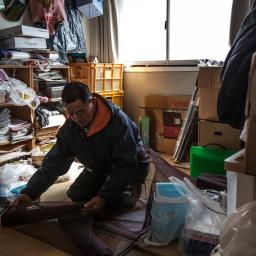
On the anniversary of the 2011 disaster that killed 19,000 people and displaced hundreds of thousands more, life and hope continue a steady resurgence, writes Justin McCurryOn 11 March 2011 a powerful earthquake and tsunami struck the north-east coast of Japan and triggered a triple meltdown at the Fukushima Daiichi nuclear power plant.Related: Five years after Japan's tsunami, orphan victims lament their lost parents Continue reading...
|
by Australian Associated Press on (#16KND)
Shark Spotters representatives, brought in through crowdfunding campaign, say their ‘site-specific’ technique could be trialled on WA beaches immediatelyA South African shark-spotting program’s representatives say their technique could be effectively trialled on Western Australian beaches immediately, despite the state government dismissing the initiative.Related: Shark attacks hit record high in 2015, global tally shows Continue reading...
 |
by Casper van Vark on (#16KMB)
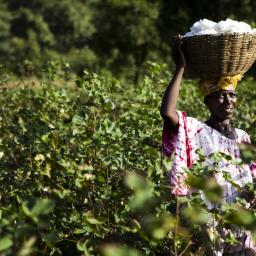
It began with Fairtrade. Almost 30 years later, with hundreds of different certifications is it time to question what they all do and who benefits?In 1988, the first Fairtrade label, Max Havelaar, was applied to packs of Mexican coffee sold in Dutch supermarkets. At the time, using a product label to say something about standards in a supply chain was revolutionary, but today it is routine. The Ecolabel Index currently lists 463 certifications in 199 countries.On the face of it, certifications on everything from fish to timber can be seen as progress, promising higher standards and transparency in the pursuit of sustainability. But what purpose are the certification labels actually serving? Can we assume that they are beneficial to producers? Do consumers understand what’s behind a certification label, and does it even matter if they do? These were some of the questions asked at a recent roundtable discussion hosted by the Guardian and supported by Mondelēz International. Continue reading...
|
 |
by Derek Niemann on (#16KHT)
Sandy, Bedfordshire My focus was on the stylised gestures that would have been clearly read by the bird on the next branchA fevered burst of birdsong drew more than one pair of eyes to the branch of a hedgerow tree. Fraught with seasonal urgency, the robin’s song was a liquid stream; not a gentle brook, but a gushing beck, some notes thrown high and uncontrollably as if dashed against a rock, others pitched down a waterfall, and all poured out in a tumbling, erratic, attention-seeking rush.There was a pause. Another robin worked its way down the hedge towards it, then alighted on a near parallel perch about a metre away. The first bird threw out its chest, arched its back so that its head all but touched its shoulders and began to rear up and down in poised sweeps, a series of movements that – in human terms – would not look out of place on a yoga mat. Continue reading...
|
by Gay Alcorn on (#16K9F)
It’s puzzling why we Australians are not more passionate, proud, curious, even evangelical about our native plants, all 24,000 species of themThis is a story about Australian native plants, but I will not preach. I promise not to take on an air of moral superiority like a vegetarian who looks askance at your meat-eating ways. Let’s just say it is puzzling why we Australians are not more passionate, proud, curious, even evangelical about our native plants, all 24,000 species of them, most found no-where else on earth.We are gardeners – well, a lot of us are. We understand the hope over experience necessary to plant something in the earth and to tend it, to will it to live and flourish. In our meditative moments, we wonder if are a little closer to nature, to the rhythm of life, as we follow the seasons, the sun, the preciousness of rain, of birth, life and death. In a rushed and anxious world, gardening relaxes and nourishes us. Continue reading...
by Joshua Robertson on (#16K9G)
State’s environment minister says ‘dramatic escalation’ in carbon pollution in Queensland should force federal government to set a price on emissionsQueensland faces a “dramatic escalation†in carbon pollution that guarantees Australia will fail to meet even its “weak†greenhouse targets unless the commonwealth sets a price on emissions, the state’s environment minister, Steven Miles, has warned.A state government report shows that Queensland, Australia’s single largest polluter, is on track for a 35% rise in carbon emissions by 2030. Continue reading...
by Annie Kane on (#16K4P)
While new homes are increasingly designed to be more energy efficient, retrofitting existing properties can save money – and the environmentDid you know more people die from the cold in Australia than they do in Sweden? According to a study published in The Lancet medical journal in 2015, around 6% of Australians die each year from exposure to moderate cold (under 18C in Australia) compared to 4% in Sweden.Many Australian homes are just glorified tents. Continue reading...
 |
by Matthew O Berger in Eugene, Oregon on (#16K2A)
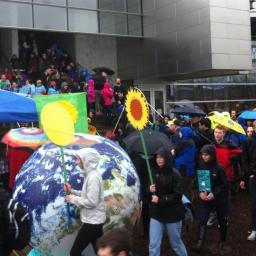
If allowed to go forward, plaintiffs in Oregon will ask court to hold government responsible for violating their rights to life, liberty, property and equal protectionTwenty-one teenagers appeared in an Oregon courtroom to challenge the federal government over what they claim is a failure to protect them from the impacts of climate change, while several hundred schoolchildren protested outside.While the mass of children, their parents, chaperones and local activists lined up in the rain on Wednesday, trying to get in to watch the proceedings, Judge Thomas Coffin of the US district court in Eugene, Oregon, questioned the lawyers on the government’s claim that the case should be thrown out. Continue reading...
|
 |
by Rupert Neate in New York on (#16JS4)
Volkswagen did not explain why Horn was leaving the company now, six months after company was caught using software to cheat on regulators’ testsThe head of Volkswagen in the US resigned “effective immediately†on Wednesday night as the company struggles to agree on a settlement with the US government over its emissions cheating scandal.Michael Horn, who had served as VW’s US president and chief executive since 2014, was not quoted in the company’s three-paragraph statement announcing his immediate exit from the firm after more than 25 years of service. Continue reading...
|
 |
by Adam Vaughan on (#16JK1)
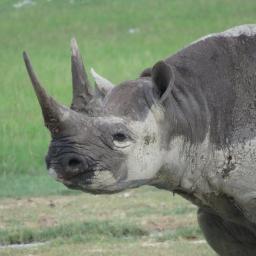
Increase in numbers poached in Namibia and Zimbabwe offset reduction in South Africa, with 1,338 killed continent-wide, IUCN figures showA record number of rhinos were killed by poachers across Africa last year, driven by demand in the far east for their horn.The number slaughtered in their heartland in South Africa, which has four-fifths of the continent’s rhino, dipped for the first time since the crisis exploded nearly a decade ago. Continue reading...
|
 |
by Oliver Milman on (#16JJ1)
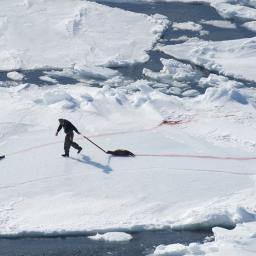
The government claims the seal-fur industry is lucrative, but protesters argue it costs more to monitor the practice than the hunts generate in revenueJustin Trudeau’s government has come under renewed pressure to ban seal hunting after it emerged that Canada is spending far more on monitoring seal hunts than it receives in the export value of seal products.
|
 |
by Nicky Woolf in Los Angeles on (#16F1X)
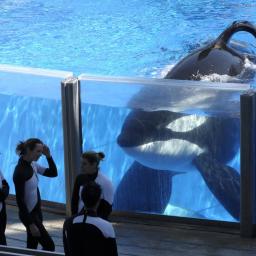
The famous killer whale that drowned a trainer, and later became the subject of a film that sparked a backlash against SeaWorld, has a fatal infectionThe popular orca at SeaWorld Orlando and star of the documentary Blackfish, Tilikum, is dying, the entertainment park company announced.“We are saddened to report that over the past few weeks, Tilikum’s behavior has become increasingly lethargic, and the SeaWorld veterinary and animal care teams are concerned that his health is beginning to deteriorate,†the company said on Tuesday in a post on their website. Continue reading...
|
 |
by Joshua Robertson on (#16J9X)
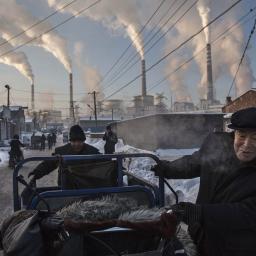
Australian researchers say a global tracker monitoring energy use per person points to 2C warming by 2030The world is on track to reach dangerous levels of global warming much sooner than expected, according to new Australian research that highlights the alarming implications of rising energy demand.Related: The carbon counters: tracking emissions in a post-Paris world Continue reading...
|
 |
by Martin Lukacs on (#16HNC)
The post office is far from dead. With Trudeau’s support, it can become the catalyst of a more caring, equal economy
|
 |
by Alison Moodie on (#16HJS)
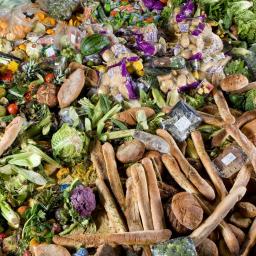
An $18bn proposal aims to reduce the more than 52m tons of food waste that goes to landfill every yearBusinesses could save nearly $2bn a year by cutting the amount of half-eaten entrees, unsold milk and other foods that get tossed into trash bins across the US by 20% over the next decade, according to a new report.The report, Roadmap to Reduce US Food Waste, released Wednesday, lays out strategies that companies, along with governments, consumers and foundations, can implement to reduce the amount of discarded food in the country by 13m tons a year. Continue reading...
|
 |
by AFP on (#16HHR)
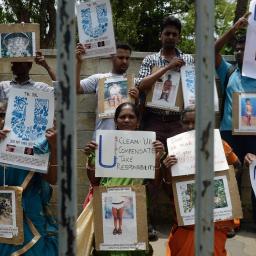
Company has agreed to provide an undisclosed ex-gratia payment as part of deal to end dispute over poisoning allegations at factory in Tamil NaduThe Indian arm of global consumer giant Unilever on Wednesday said it had reached a deal with hundreds of former employees to end a long-running dispute over allegations of mercury poisoning at one of its manufacturing plants.
|
 |
by Sue Tibballs on (#16HGJ)
Charity Commission advice to steer clear is misguided and will lead to an EU debate conducted only by business leaders and politiciansEarlier this week the Charity Commission warned, in new guidance, that charities should only enter the EU referendum debate in exceptional circumstances, and those that do will be closely watched by the regulator. It is clearly intending to deter charities from getting involved – which, in my opinion, will be detrimental to the debate.This European referendum is arguably the single most important decision of a generation and the ramifications are too great to be allowed to be dominated by private sector and party political voices alone. The new guidance is also at odds with what the prime minister said in Davos on 21 January: “that business, NGOs and other organisations won’t hold back†in campaigning to stay in the EU. Continue reading...
|
 |
by Stephen Burgen, Barcelona on (#16GTY)
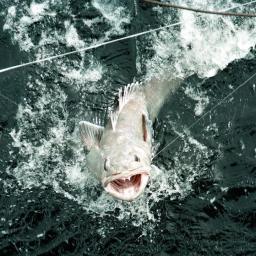
Five members of Spain’s Vidal family of fishing barons are among those arrested for illegally catching Patagonian toothfish, in joint raids by Spanish police and InterpolSix people have been arrested on charges of illegal fishing of protected species in raids carried out jointly by Interpol and Spanish police in Galicia in northwest Spain.
|
 |
by Emma Howard on (#16GJK)
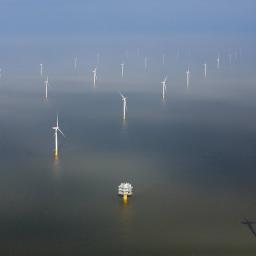
For investors who seek long-term low-risk investments, the 20 year lifespan of an onshore wind farm is an attractive prospectFour years ago, Danish wind turbine manufacturer Vestas was on the brink of bankruptcy. The company famous for sending in the bailiffs to evict employees occupying their Isle of Wight site, axed more than 3,700 jobs. Relations were in turmoil as the chair, deputy chair, chief financial officer and deputy chief executive left in quick succession. The CEO himself followed one year later as net losses escalated sevenfold to £53m.Fast forward to 2016 and the world’s biggest turbine manufacturer is reporting historic successes, including a record €685m (£530m) net profit last year and a 22% increase on revenue to €8.4bn (£6.5bn). It also recently announced it had been awarded a contract to supply turbines for Europe’s largest ever onshore wind project in Norway. Continue reading...
|
 |
by Nicola Jones, for Environment 360, part of the Gua on (#16GAM)
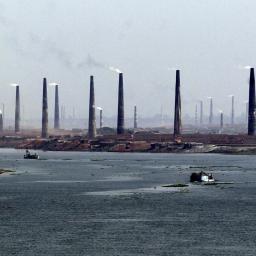
As the Paris climate deal requires developing countries to monitor their emissions, organisations are using online courses to train a new breed of green accountants capable of the complex task, reports Environment 360Michael Gillenwater is so tired he is mixing up his words, worn out from weeks of conference calls with the United Nations, the German government, and more. “I’m exhausted,†he says. In the wake of the Paris climate agreement last December, everyone wants advice from the Greenhouse Gas Management Institute (GHGMI) – Gillenwater’s non-profit organization based in Washington, DC – on how to step up the developing world’s capacity for counting carbon.The institute offers online courses in greenhouse gas monitoring to practitioners around the globe, and since the Paris agreement was reached, business has been brisk. “We’re excited,†he says. “There’s a window here to make something permanent happen.†Continue reading...
|
 |
by Tom Phillips on (#16G2X)
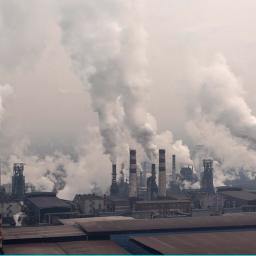
Iron ore price soars as Tangshan’s steel mills go on buying spree ahead of enforced closures for the horticultural expoA dramatic spike in the price of iron ore this week has been blamed on an upcoming flower show that is designed to showcase green-living in one of China’s most smog-choked industrial cities.Steel mills in Tangshan – a city of about 7 million inhabitants in China’s steel-producing heartlands – reportedly sent prices rocketing by nearly 20% on Monday, after going on an unexpected shopping spree for the commodity ahead of an enforced shutdown later this year. Continue reading...
|
 |
by Matthew Weaver on (#16G33)
Coalition energy secretary Ed Davey says Tories would have accepted a much higher price as they were ‘gagging for nuclear’The deal to provide a new nuclear power station at Hinkley Point would have cost even more if George Osborne had had his way, the former energy secretary Ed Davey has said.The Lib Dem former member of the coalition cabinet said the £18bn plan to build Hinkley Point C represented a good deal, and claimed the cost would have been higher without his involvement. Continue reading...
|
 |
by Agence France-Presse on (#16G0J)
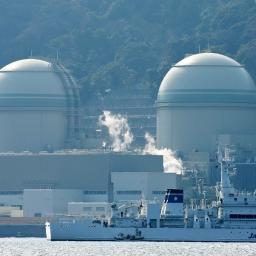
Order to close two reactors previously declared safe comes days before fifth anniversary of Fukishima atomic disasterA Japanese court has ordered the closure of two nuclear reactors previously declared safe under strict post-Fukushima safety rules.The order, made just days before the fifth anniversary of the atomic disaster, would bring the number of operating reactors in Japan down to two. Dozens were shut in the wake of Fukushima, the worst nuclear accident in a generation. Continue reading...
|
 |
by Patrick Barkham in Kolkata on (#16FSG)
The wetlands are this Indian city’s free sewage works, a fertile aquatic garden and, most importantly, a flood defence – but they’re under threat from developers. One environmentalist is leading the resistanceThe trees on the streets of Kolkata in January are dusty, like neglected pot plants. At traffic lights, salesmen offer feather dusters for drivers to wipe their grimy cars. Shrubs are planted on the central reservation of the city’s new flyovers, surrounded by the implausible boasts on signs proclaiming a “clean and green†city. But the most frequently recurring poster, above almost every street corner, appeals for investors to “Come to Bengal – Ride the Growthâ€.Kolkata, a famously cultured city of 14.5 million people – once the second city of the British empire after London – is keen to catch up with Delhi, Mumbai, Chennai and Bangalore, the dynamic and rapidly modernising megacities of the fastest growing major economy in the world. Continue reading...
|
 |
by Paul Evans on (#16FHD)
Wenlock Edge An ancient oak shows signs of awakening after another winterThe oak loomed above other trees in a scrubby corner of the field. Despite claims that it was officially spring, and with no respect for meteorology, calendars or tradition, the great oak seemed to feel as though it was holding on to winter and would not turn until it was good and ready.It must have been an important landmark for centuries, visible from all cardinal points, growing on flat pasture close to a spring that issues from the hillside and pours into a wooded ravine to join the brook, which then enters the river Severn. A boundary marker, a meeting place, a preaching tree, a tree for wakes and waits, fairs and festivals, a gallows? Continue reading...
|