 |
by Oliver Milman on (#15X5X)
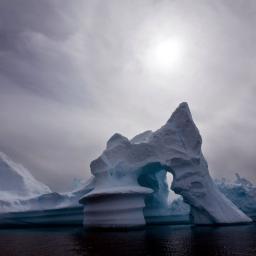
Winnowing away of the ice, exacerbated by soot blown on to the ice from wildfires, means Greenland’s ice sheet is stuck in a ‘feedback loop’Greenland’s vast ice sheet is in the grip of a dramatic “feedback loop†where the surface has been getting darker and less reflective of the sun, helping accelerate the melting of ice and fuelling sea level rises, new research has found.
|
| Link | http://feeds.theguardian.com/ |
| Feed | http://feeds.theguardian.com/theguardian/environment/rss |
| Updated | 2026-08-18 09:30 |
 |
by Arthur Neslen on (#15WW0)
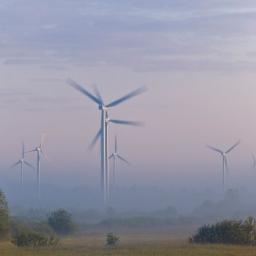
Coal-reliant country may be trying to slow the rise of renewable energy with a clampdown on turbine construction and maintenance, say analystsA draft Polish law that would impose a raft of exacting demands on windfarm developers is nothing less than a bid to sabotage the country’s renewable energy prospects, according to Europe’s wind industry.Developers would need to apply for a license to operate a wind turbine every two years under the proposal, which the Guardian has seen.
|
 |
by Alec Luhn in Moscow on (#15WQS)
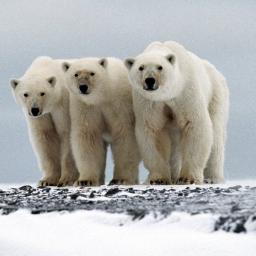
Inquiry into defence ministry chef filmed giving bear an explosive has been taken out of police hands due to ‘lack of progress’Regional investigators have taken over a criminal case against a Russian defence ministry contractor accused of tormenting a polar bear with an explosive, citing lack of progress by police.“In connection with the bureaucratic delays … this criminal case has been … passed to the investigative organs for further investigation,†the prosecutor general in the Chukotka region in Russia’s far north-east said. Continue reading...
|
 |
by Steven Morris on (#15WKM)
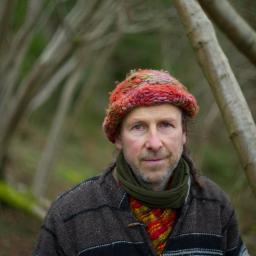
Authorities tell families in green-minded co-operative they must leave, claiming they have harmful impact on Devon parkA community of green-minded co-operative workers are facing eviction from their hillside home after planners on the Dartmoor national park authority decided they were not welcome. Continue reading...
|
 |
by Richard Luscombe in Miami on (#15P6V)
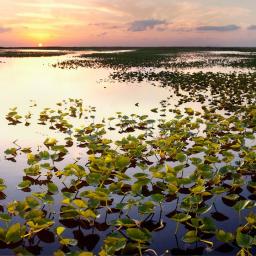
Opponents of the oil industry-backed fracking bill say it would have threatened the environment and south Florida’s drinking waterEnvironmentalists in Florida are celebrating the failure of an oil industry-backed bill they say would have opened a pathway to fracking in the ecologically sensitive Everglades wetlands.
|
 |
by John Vidal on (#15W5H)
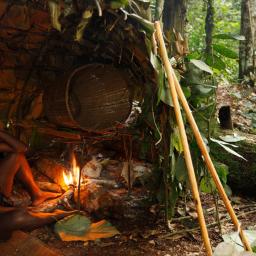
Conservation organisation funds and logistically aids anti-poaching eco-guards who are victimising pygmy groups, claims tribal defence groupWWF, the world’s largest conservation organisation, has been accused by leading tribal defence group Survival International of inadvertently facilitating serious human rights abuses against pygmy groups living in Cameroonian rainforests.
|
 |
by Anthony Langat in Lamu on (#15W2P)
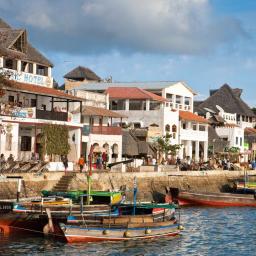
As Kenya plans to construct its first coal-fired power plant, a group of 30 community-based organisations is fighting to halt the multibillion dollar projectAzure sky, clear sea and a busy seafront create the picturesque views of Lamu Old Town, the oldest and Swahili settlement in east Africa and an Unesco world heritage site. Continue reading...
|
 |
by Terry Macalister on (#15W07)
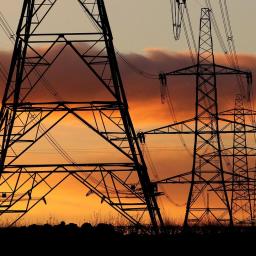
Utility firm raises concerns as government considers options for increasing competition and preventing blackoutsNational Grid has warned the government that attempts to take over its role in preventing blackouts would bring further uncertainty and be of little benefit to consumers.The company was responding after the Department of Energy and Climate Change (Decc) said it was considering a range of options, which are believed to include handing over the role to the regulator, Ofgem, or setting up a not-for-profit company. The new body would oversee large energy consumers limiting their consumption and would order power stations to increase their output to try to prevent energy shortages. Continue reading...
|
 |
by Jeremy Hance on (#15VWK)
Jonathan Slaght has dedicated his professional life to safeguarding the rare Blakiston’s fish owl, the world’s biggest owl. But he wouldn’t have it any other way
|
 |
by Suzanne Goldenberg and Helena Bengtsson on (#15VRG)
Fossil fuel barons have invested more than $100m in Republican presidential Super Pacs – raising concerns over special interests if GOP takes White HouseFossil fuel millionaires collectively pumped more than $100m into Republican presidential contenders’ efforts last year – in an unprecedented investment by the oil and gas industry in the party’s future.About one in three dollars donated to Republican hopefuls from mega-rich individuals came from people who owe their fortunes to fossil fuels – and who stand to lose the most in the fight against climate change. Continue reading...
|
 |
by Lauren Razavi on (#15VSC)
Sources say £10.5m plant intended to burn woodchip to power much of the university has never workedOne of the UK’s largest and most ambitious biomass schemes, built with a £1m government grant, has been quietly abandoned.The £10.5m plant was intended burn woodchip to power much of the University of East Anglia (UEA), which has been hailed for its environmental credentials. Continue reading...
|
by Dana Nuccitelli on (#15VM2)
A new paper makes Ted Cruz’s favorite chart obsolete, as atmospheric temperatures set a new record
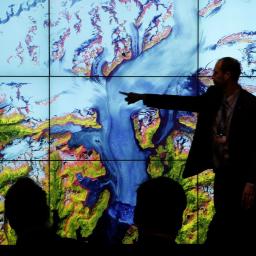 |
by Helen Clark and Robert Glasser on (#15VKD)
By tackling the environment we can also mitigate the impact of disasters, as heatwaves, droughts and floods threaten the lives of millionsThe Hyogo framework for action (HFA), adopted in January 2005 by UN member states, was an unprecedented move to promote saving lives and livelihoods from disasters over a decade. Has there been progress?The Centre for Research on the Epidemiology of Disasters and major insurance companies agree that, in 2015, figures for deaths, numbers of people affected and economic losses from disasters were below the 10-year average. Continue reading...
|
 |
by Rebecca Smithers on (#15VGM)
Greenpeace finds suppliers of cod to Birds Eye, Findus and Young’s are using controversial bottom trawlers in the northern Barents SeaMajor British food brands and supermarkets buying cod from Arctic waters risk having their supply chain “tainted†because of links with fishing further north in the Arctic, Greenpeace has warned.
|
 |
by Tom Levitt on (#15VCW)
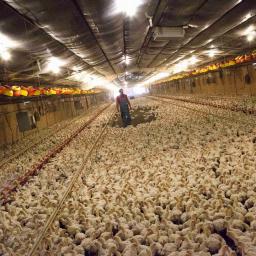
After the success of campaigns to get investors to divest from fossil fuel companies, factory farming is the next targetThe fast food chain Subway is latest to join the backlash against antibiotic use in the farm sector. It has launched a new chicken sandwich in the US made with meat from animals raised without antibiotics.The move is a sign of the growing consumer and business interest in the welfare and environmental impact of animals reared for meat, dairy and eggs, with most of the blame directed at intensive, factory-style farms. Continue reading...
|
 |
by Damian Carrington on (#15V79)
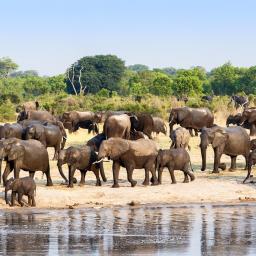
Data released on UN world wildlife day shows overall population is still falling despite a recent reduction in levels of poaching for ivoryMore African elephants are being killed for ivory than are being born, despite poaching levels falling for the fourth year in a row in 2015.The new data, released on UN world wildlife day on Thursday, shows about 60% of elephant deaths are at the hands of poachers, meaning the overall population is most likely to be falling. Continue reading...
|
 |
by Michael Slezak on (#15V6W)
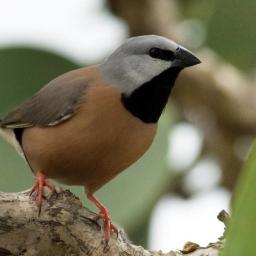
Proposed mines in Queensland, including Adani’s huge Carmichael project, will destroy so much habitat the damage cannot be ‘offset’, researchers sayProposed coalmines in Queensland, including the huge Adani Carmichael project, would destroy the majority of the remaining habitat of the threatened black-throated finch, according to research.Related: Australia on the spot over Adani mine and funding of Attenborough reef series Continue reading...
|
 |
by Damian Carrington on (#15V2W)
New research shows global warming’s effect on the quality of food available could kill more than 500,000 people a year around the world by 2050
|
 |
by Sean Gallagher on (#15V2Y)
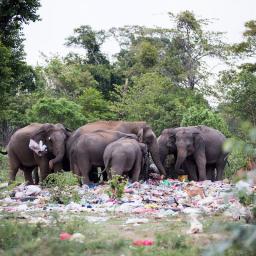
Habitat loss is forcing Sri Lanka’s endangered elephants into increased opposition with humans. New work from photographer Sean Gallagher shows how the animals, long revered in the country’s culture and religion, are now becoming a symbol of conflict Continue reading...
|
by Phil Gates on (#15TXE)
Wolsingham, Weardale The sexual success of thalloid liverworts has ensured their survival for millions of yearsPeering down at the emerald lobes of Pellia epiphylla liverwort covering the sides of the ditch, I could see this had recently been the site of intense sexual activity.On mild, wet days, tiny pockets embedded in the plant’s surface release swarms of swimming male sex cells, each only a few thousandths of a millimetre long. Powered by two lashing flagellae, they gyrate in the surface film of water and swim towards chemical attractants released by egg cells, hidden under a flap of tissue near the tip of the flat green thallus. Most fall by the wayside, exhausted, but a few, perhaps aided by rain splash, reach their destination. The evidence of success – small, round spore capsules resulting from fertilisation – was plain to see. Continue reading...
by Mark Harris on (#15TVT)
From Nasa’s experimental X-planes to Google’s airship, there’s plenty of innovation but the emissions-intensive industry has a long way to goInsects may not seem the most obvious problem to tackle when trying to make aviation more sustainable. But avoiding them on takeoff could help cut airlines’ fuel bills and emissions by up to 10%.It’s already an idea that NASA has explored. Last year it tested hi-tech coatings to make dead insects slide off wings, with one design delivering a 40% reduction in insect residue. Continue reading...
by Graham Readfearn on (#15TPY)
Authors of analysis say the rise in global temperatures slowed between 2001 and 2014. Cue misinterpretation from climate science denialistsDid global warming really slow down for a decade or so in the 2000s and does it really matter if it did?New analysis written by a group of well regarded climate scientists appeared in a journal a couple of weeks ago, arguing that global warming did slowdown. Continue reading...
by Calla Wahlquist on (#15TJN)
Colonies found by Victorian government but conservationists say sightings ‘don’t change anything on the ground’Reports that more than 200 new colonies of Leadbeater’s possum have been recorded in Victoria have been played down by conservationists, who say the sightings “don’t change anything on the ground†for the critically endangered species.The wild population of the tiny possum has contracted to an estimated 1,500 individuals, driven by the loss of its habitat of old growth mountain ash forests in Victoria’s central highlands by bushfire and logging. Continue reading...
 |
by Terry Macalister Energy editor on (#15TBJ)
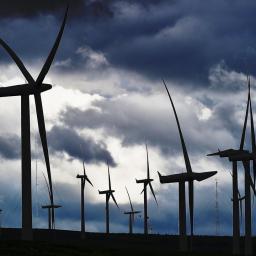
Power bills may be higher due to changes to wind farm funding and energy efficiency schemes, MPs warnChanges in government energy policy since the last election have chased off investors and may have added £120 a year to household bills, according to a parliamentary report.Thursday’s report, from the energy and climate change committee, argues future domestic and business power bills may be higher than necessary as a result of changes including U-turns on funding onshore windfarms and energy efficiency schemes. Continue reading...
|
by Yury Fedotov on (#15TBM)
We need to act now to stop the poaching and trafficking driving many species towards extinction. This means increased penalties for criminals as well as reducing demandAnimals, according to many traditions, were once protected from a global flood by entering the shelter of an ark.
by Guardian Staff on (#15T8M)
A juvenile bull shark was seen by morning walkers while it swam in the shallows of Perth’s Swan river. The video, shot from the foreshore, shows the shark near the Royal Perth Yacht Club marina. The foreshore is a popular picnic area and members of the yacht club were alerted to the shark’s presence. Mature bull sharks are known for their aggressive nature and have used sections of the Swan river as nursing grounds Continue reading...
 |
by Rupert Neate on (#15T7K)
|
by Max Opray on (#15T7N)
With Tasmania’s hydropower plants idle due to low rainfall, and a faulty cable connecting the state to the mainland grid, it’s clear a better long-term solution is neededThe timing couldn’t have been any worse. On 20 December 2015, the undersea cable connecting Tasmania with mainland Australia malfunctioned, leaving the island state’s energy infrastructure stranded without help – just when it was needed most.
 |
by Terry Macalister Energy editor on (#15SYQ)
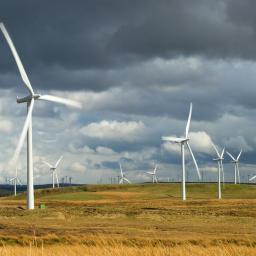
Institution set up to power UK’s green energy revolution could switch to funding more lucrative schemes abroad, say criticsA financial institution set up by government to accelerate Britain’s green power revolution could end up being sold to private equity firms and fund wind farms in Germany.The Green Investment Bank, hailed as a world first for the UK when it was set up, is expected to bring in more than £4bn for the Treasury when it is privatised, probably by the end of this year. But it may be snapped up by foreign buyers and already has plans to expand significantly overseas. Continue reading...
|
by Leah Messinger on (#15SSK)
Utah, Colorado and Texas are being aggressively pumped for oil and natural gas, producing methane leaks in quantities much higher than previously thought – and little is being done to contain the problemWhen Stephen Conley, an atmospheric scientist and pilot, saw an emissions indicator skyrocket in his Mooney TLS prop plane, he knew he had found a significant methane leak. His gas-detecting Picarro analyzer indicated he was flying through a plume of gas escaping at 900kg per hour. The colorless, odorless gas was enough to cover a football field to a height of 20 feet in a single day. But this flight wasn’t over the highly publicized Aliso Canyon in Los Angeles; Conley was circling the Bakken Shale, a rock formation in western North Dakota that has been aggressively pumped for oil and natural gas.Day in and day out, small leaks in oil and gas producing regions like the Bakken Shale are emitting methane in quantities that collectively rival or even exceed Aliso Canyon. New figures released by the Environmental Protection Agency (EPA) last month indicate the potent greenhouse gas is being emitted from leaks across the US in quantities “much larger†than previously thought. Continue reading...
by Paula Kahumbu on (#15S9N)
Paula Kahumbu: Advances in the war against wildlife crime are in danger of floundering in a mire of corruption
 |
by Owen Bowcott Legal affairs correspondent on (#15SNR)
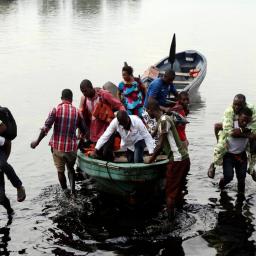
Tens of thousands of fishermen and farmers from Niger delta region allege decades of uncleaned spills have polluted areaTens of thousands of fishermen and farmers have been given permission to sue the energy giant Shell in a British court for oil spills in two further areas of the Niger delta.The action brought by London lawyers Leigh Day on behalf of the Ogale and Bille communities alleges that decades of uncleaned oil spills have polluted fishing waters and contaminated farming land. Continue reading...
|
 |
by Fiona Harvey on (#15S2G)
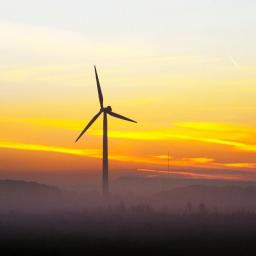
Green power company believes it can build onshore windfarm in Cornwall with local people helping finance it, despite government scrapping subsidiesThe UK’s first onshore windfarm to be built without government subsidy is now under planning in Cornwall, to be financed in part by the local community.The Big Field wind farm, near Bude, will consist of 11 turbines, none of more than 125m in height to the tip of the blade, and provide electricity for 22,000 homes. Its backers hope it will point the way to further such projects, after the damages to the onshore wind industry caused by the reversal of policy on government support for clean energy. Continue reading...
|
by Alison Moodie on (#15RRR)
But critics take the billionaire investor to task for saying, in an annual shareholder letter, that fears about the negative impact of climate change on Berkshire Hathaway’s insurance business are unfoundedEnvironmental advocacy groups have criticized billionaire businessman Warren Buffett for his recent claims that climate change will be a manageable and profitable risk for the insurance industry.
 |
by Thomson Reuters Foundation on (#15RAN)
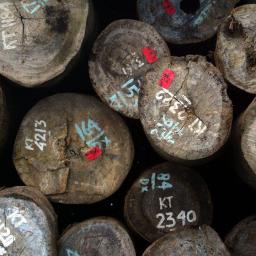
System that provides hard evidence of logging crimes in almost real time gives new hope of combating tropical deforestationTaken from outer space, the satellite images show illegal loggers cutting a road into a protected area in Peru, part of a criminal enterprise attempting to steal millions of dollars worth of ecological resources.With the launch of a new satellite mapping system on Wednesday, governments and environmentalists will have access to hard evidence of these types of crimes almost in real time as part of a push by scientists to improve monitoring of tropical deforestation. Continue reading...
|
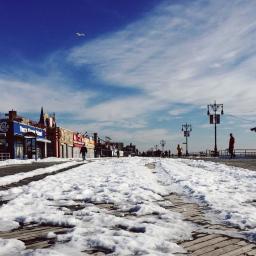 |
by Guardian readers and Tom Stevens on (#15R25)
We asked you to share your most striking images of the weather in February from around the world. Here are some of our favourites for each day of the month• You can add your March weather photographs here Continue reading...
|
 |
by Brian Kahn for Climate Central, part of the Guardi on (#15QYQ)
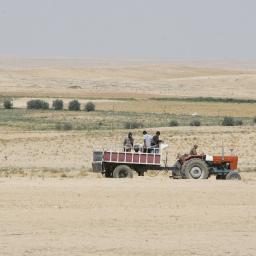
New findings show a ‘convergence of evidence’ that climate change has influenced the Syrian drought, Climate Central reportsThe relentless flow of refugees from the Middle East into Europe continues to raise tensions across the region.This weekend, fires ignited at a refugee camp in Calais, France, and countries are beginning to tighten their borders as more than 1 million people have streamed into Europe in the past year. The 1 million refugees represent just a portion of the 4.2 million that have fled Syria in all directions. And that’s on top of the 7.6 million people internally displaced in Syria who are trapped in limbo in their home country. Continue reading...
|
by John Abraham on (#15QVA)
New research addresses the economic costs of damages associated with sea level rise
 |
by Guardian Staff on (#15QTH)
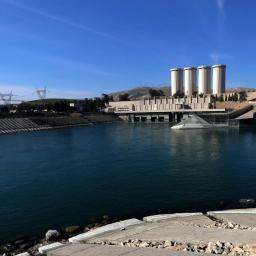
Baghdad resident Raad al-Quraishi talks on Monday about citizens’ increased fears overrising water levels and flooding. Iraqi authorities instructed people to stay at least 6km from the Tigris River after the US embassy warned of an imminent catastrophe due to the possible collapse of the dam further north Continue reading...
|
 |
by Shreya Dasgupta for Mongabay, part of the Guardian on (#15QS8)
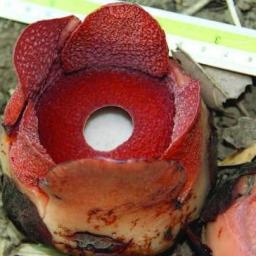
On Luzon Island, scientists have accidentally discovered the smallest of the giant Rafflesia flowers, a species that may be critically endangered, reports MongabayIn the rainforests of southeastern Asia, a parasitic plant called Rafflesia produces the world’s largest flowers. Some Rafflesia flowers, for instance, can be a meter and a half in diameter, and can weigh up to 22 pounds (or 10 kilograms). These flowers, called “corpse flower†locally, often smell like rotting flesh.Now, on Luzon Island in the Phillipines, a team of scientists have discovered the smallest of these giant flowers. Continue reading...
|
 |
by Jeremy Hance on (#15QPV)
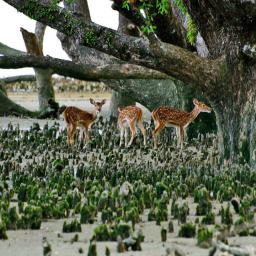
Organisers hope march from the capital to the heritage-listed mangrove forest will persuade Bangladesh’s government to drop backing for the power plantsThousands of Bangladeshis will march from the country’s capital, Dhaka, to the world’s biggest mangrove forest next week in protest at plans to build two coal-power plants on the edge of the World Heritage-listed forest.The organisers of the so-called long march on 10 March hope to persuade the Bangladeshi government to drop its backing for construction of the plants near the Sundarbans, an area of rice paddies, shrimp farms and vast mangrove forests. Continue reading...
|
 |
by Lizzie Presser on (#15QBY)
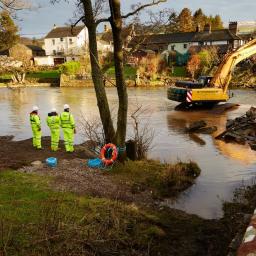
From flood responses in Cumbria to IT in Essex – more than one in three public-private partnership deals return in house, finds Guardian surveyStorm Desmond decimated historic Pooley Bridge, over river Eamont at the northern end of Ullswater, in December, when more than a trillion litres of rain in the north-west flooded more than 7,000 properties and closed down three major highways in the Lake District. Officials in Cumbria say one unlikely factor proved crucial in the flood recovery that followed: the council’s decision a few years earlier to bring its outsourced major highway and housing services back in-house. Continue reading...
|
 |
by Elle Hunt on (#15QCA)
Australian National University researchers have reintroduced wild eastern quolls from Tasmania into a Canberra sanctuaryThe eastern quoll is making a comeback to mainland Australia, from where it disappeared more than 50 years ago, with a new generation introduced to the Australian Capital Territory from Tasmania.A team of researchers from the Australian National University has reintroduced a group of wild eastern quolls from Tasmania into the Mulligan’s Flat Woodland Sanctuary in Canberra. Continue reading...
|
 |
by Julian Borger World affairs editor on (#15QA1)
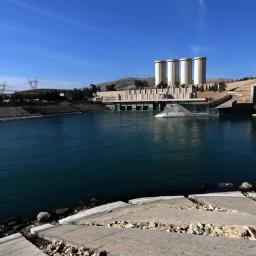
Iraqis who built dam say structure is increasingly precarious and describe government response as ‘ridiculous’Iraqi engineers involved in building the Mosul dam 30 years ago have warned that the risk of its imminent collapse and the consequent death toll could be even worse than reported.They pointed out that pressure on the dam’s compromised structure was building up rapidly as winter snows melted and more water flowed into the reservoir, bringing it up to its maximum capacity, while the sluice gates normally used to relieve that pressure were jammed shut. Continue reading...
|
 |
by Damian Carrington on (#15Q8R)
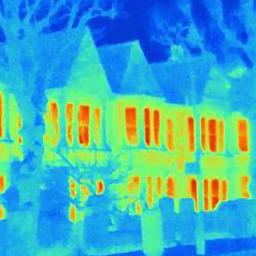
Tax should be lowered by up to £5,000, according to Policy Exchange report, which says the government is doing far too little to cut energy wasteThe stamp duty paid on energy efficient homes should be up to £5,000 less than on leaky, hard-to-heat homes, according to a new report that says the government is doing far too little to cut energy waste.The report is from the thinktank Policy Exchange, which is close to the government, and ministers are considering the idea. It estimates the stamp duty change would lead to 270,000 households a year improving their energy efficiency. Continue reading...
|
 |
by Sandhya Ravishankar in Chennai on (#15Q89)
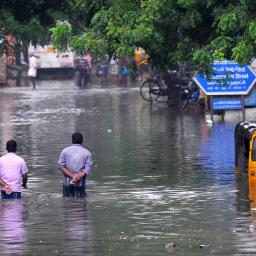
After suffering its worst floods for a century, the Indian city of Chennai is consulting cities all over the world – from New Orleans to Jakarta – about the ambitious projects that could reduce their risk of flood devastationWhen the floods came last December, the city of Chennai and its surrounding districts in the southern Indian state of Tamil Nadu were caught cold. Amid dramatic scenes of flooded streets and devastated homes, 347 people died across the state and damage valued at more than 20,000 crore rupees ($3bn) was sustained – with Chennai the largest city affected.The highest level of rainfall for 100 years, together with clogged and shrunken river mouths, encroachments on river banks, blocked natural drainage pathways and a lack of early flood-warning systems all contributed to the drowning of this coastal city. Continue reading...
|
by Paul Evans on (#15Q57)
Wenlock Edge Snowdrops live on, left to fend for themselves in the woodsA dog barks from a house where I once lived. There are snowdrops flowering there that were so familiar and now I’m a stranger. I walk into the ruins of a garden that has been reclaimed by the woods, where the gardener has been estranged for a hundred years. There are clumps of single and double snowdrop varieties that were once highly prized and are now abandoned, rarely seen. They appear as breaths of history.Whether the snowdrops grew here before the house was built, no one knows. They appear to have been here forever, but there are no records by English herbalists of what the French monasteries called perce-neiges, snowpiercers, growing in the wild in Britain before 1770. Until they found their way into woods and stream banks, snowdrops were for burial grounds, graves, shrines, marking dwellings of the dead. That’s what these abandoned flowers do now. Continue reading...
 |
by Arthur Neslen on (#15Q35)
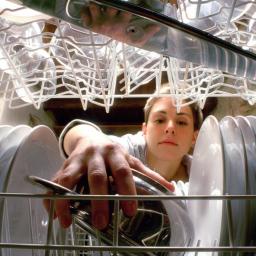
Three-year survey of eleven European countries by MarketWatch finds only a quarter of white goods sold online in UK were correctly labelledMost electrical goods bought online have either been given a misleading energy label or none at all, according to a three-year survey across eleven European countries.By law, energy performance energy labels for products such as dishwashers, ovens and fridges must be displayed as prominently on a website as they are in shops. Continue reading...
|
by Michael Slezak on (#15PKD)
Environmental authorities are investigating Whitehaven Coal over claims it illegally cleared trees in Leard State Forest to make way for its coalmineEnvironmental authorities are investigating Whitehaven coal for possible illegal clearing of the Leard State Forest to make way for its Maules Creek coalmine, Guardian Australia can reveal.There were earlier allegations that the miner had breached its biodiversity management plan again, by clearing trees when it was too hot for endangered animals to flee. Continue reading...
by Graham Ruddick on (#15PH9)
Committee questions agreement linking price of milk to production cost and calls for tighter rules on origin labelling of foodMPs have called for supermarkets to do more to help British farmers and warned a government programme designed to offer support to the industry has turned into a “fiascoâ€.Two separate reports were launched by MPs after a sharp fall in the price that farmers were paid for milk last year. The National Farmers’ Union warned dairy producers were facing a state of emergency. Continue reading...