 |
by James K Boyce and Aseem Shrivastava on (#16FF6)
India’s new tax on car sales is a step in the right direction, but can the country address the wealth and power imbalance driving the health disaster?The news that India is introducing a new tax on car sales to help combat severe air pollution and congestion problems has unsurprisingly been decried by the country’s car industry.
|
| Link | http://feeds.theguardian.com/ |
| Feed | http://feeds.theguardian.com/theguardian/environment/rss |
| Updated | 2026-08-18 09:30 |
 |
by Michael Slezak on (#16EX8)
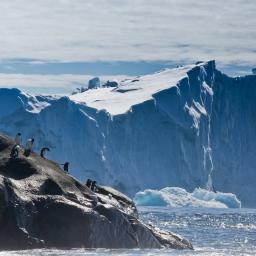
Ice core records going back 800,000 years reveal a lot about carbon dioxide and temperature, but climate researchers want to go back furtherSomewhere deep below the ice in Antarctica lies a time capsule. It’s the holy grail of climate science and promises to reveal the past and future of Earth’s atmosphere. And right now, scientists are meeting in Hobart to work out a plan to dig it up.We’re pretty sure there is ice one million years old or older towards the bottom of the Antarctic ice sheet Continue reading...
|
 |
 |
by Press Association on (#16EGN)
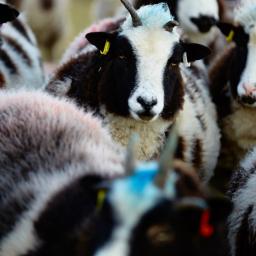
The animals, a large number of them pregnant, were found herded against a fence – dead from shock or crush injuriesMore than 100 sheep have died in what has been described as the UK’s worst case of sheep-worrying in living memory.Related: Flock of sheep helps police end 90-minute car chase in New Zealand Continue reading...
|
 |
by Guardian Staff on (#16EEM)
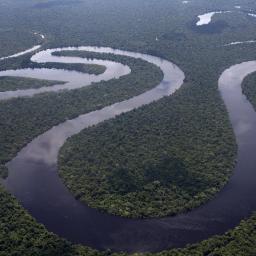
A dog got stuck on a small island in the middle of the rushing waters of the flooded Rimac river in the Peruvian capital Lima on Monday. A policeman attempts to rescue the pup but he is dragged underwater by the strong currents. A resident manages to reach the dog by using a tire. A rope is then tied around the dog who gets pulled by to the river edge by rescue workers Continue reading...
|
 |
by Suzanne Goldenberg US environment correspondent on (#16E9D)
Jay Faison’s pledge part of tentative effort among small number of Republicans to try to move party away from default position of climate denialA conservative entrepreneur pledged to bankroll Republican candidates who support clean energy on Tuesday in an attempt to break down the party’s wall of climate denial.
|
 |
by Oliver Milman on (#16DYJ)
Bipartisan group of mayors say it would be ‘unconscionable for these issues of grave concern to Florida’ not to be considered at Miami debatesA coalition of Florida mayors has pleaded for presidential candidates to be asked about climate change and sea level rises during forthcoming debates in Miami, fuelling criticism of the “ridiculous†lack of questions on the subjects in TV debates so far.Related: Republican hopefuls reap $62m in support from donors with fossil fuel ties Continue reading...
|
 |
by Donnachadh McCarthy on (#16DXM)
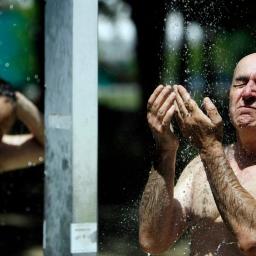
Daily showering is expensive, polluting and unnecessary. The old-school weekly bath or shower – with a brief daily sink-wash – is healthier for the environment, and for usWhen I was a kid, bathtime was a once-a-week affair. We weren’t an unhygienic family – this is just how most of us lived in the 1960s, and I do not remember any horrific body odours resulting from it. By the time I was an adult, I was showering every day. With hindsight, I should have stuck to the old ways.Related: Why the modern bathroom is a wasteful, unhealthy design Continue reading...
|
 |
by Matt Weiser on (#16DTS)
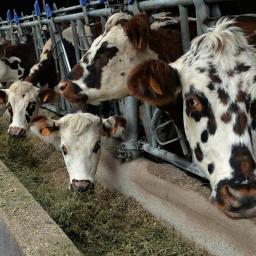
Almarai, the largest dairy business in Saudi Arabia, has purchased land in California to grow alfalfa for its cattle – and it’s rubbing some people the wrong wayIf you are the largest dairy producer in Saudi Arabia and you are running out of water to grow cattle feed, there’s only one thing to do if you want to stay in business: go shopping.Which is exactly what dairy giant Almarai has done, undertaking a global search for land and water to grow alfalfa to feed its dairy cows. The search brought Almarai to a most surprising place: California, which is suffering its worst drought in recorded history. Continue reading...
|
by Fiona Harvey on (#16DCG)
Environment, Food and Rural Affairs Committee questions whether cuts to environment department budget would allow it to operate effectively in futureThe gutting of the budget for the UK government’s already “hollowed-out†environment department has left in doubt key functions including flood protection, pollution, food production, farming and animal welfare, a committee of MPs has found.
 |
by AFP on (#16D8A)
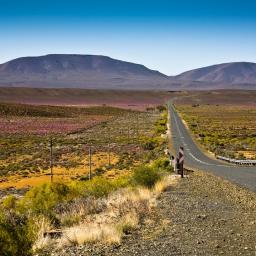
Semi-desert Karoo region believed to hold shale gas reserves, but environmentalists argue semi-arid area’s water supply is at risk from frackingThe South African government said on Tuesday that exploration for shale gas will begin in the next 12 months, ending years of speculation over the project.
|
 |
by Arthur Neslen in Brussels on (#16D4G)
Four EU states force delay of a vote to renew the licence for glyphosate, which has been found to be ‘probably carcinogenic’A mutiny by several EU states has forced the postponement of a vote in Brussels on relicensing a widely used weedkiller that the World Health Organisation has found is probably carcinogenic.
|
 |
by Madeleine Somerville on (#16D4J)
Not only are hurricanes, disease and mosquitoes natural, the way the word is defined by regulators can render it practically meaninglessI’ve repeatedly come across the idea that natural means good among eco-friendly folks like myself. It has emerged in online forums, conversations with friends, and discussions at health food stores. It has also popped up regularly in the comments section of this column, where astute readers can often be found cautioning against making this assumption.I happen to agree with them: the assumption that natural equals good is wrong. But it’s understandable that people would feel that way, isn’t it? Natural just sounds good; easy. Natural sounds like puppies and sunshine and fresh air. Natural! The way nature intended! Before meddlesome mankind stuck our big noses in and ruined everything, that is. Continue reading...
|
 |
by Suzanne Goldenberg on (#16D2H)
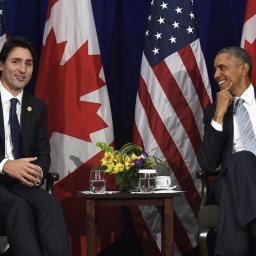
US and Canadian leaders expected to announce a series of common measures including methane emissions cuts and protections for rapidly warming ArcticBarack Obama and Justin Trudeau will commit to work together to fight climate change and protect an Arctic experiencing the mildest winter ever recorded, sources familiar with the initiatives said.The two leaders were expected to announce a number of common climate measures at a meeting at the White House this week, from a 45% cut in methane emissions from the oil and gas industry to protections for a rapidly warming Arctic. Continue reading...
|
 |
by Guardian Staff on (#16D2K)
Access to land, capital and poor wages are just some of the problems faced by women working in the palm oil industry, producing a product found in everything from shampoo and lipstick to bread and margarine Continue reading...
|
by Guardian readers and Tom Stevens on (#16CT5)
While the northern hemisphere is celebrating its first days of spring, here’s a look back at the winter moments you shared with us Continue reading...
by Tom Stevens on (#16CRN)
With lighter evenings and flowers in bloom, the northern hemisphere is ready to embrace spring. We’d like to see your photographs of the season wherever you are
 |
by Alex Pashley for Climate Home, part of the Guardia on (#16CG8)
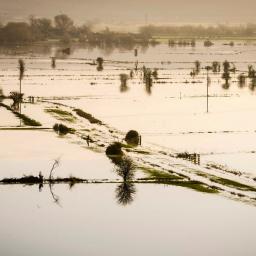
Planners told to boost flood defences, especially in dry regions, as global warming intensifies water cycle, reports Climate HomeSevere rainfall has increased throughout the world’s wettest and driest regions and is set to intensify this century, new research suggests.Since 1950, daily extremes have risen 1-2% a decade, a study published in journal Nature said on Monday. Continue reading...
|
by Peter Walker on (#16CFM)
As the London mayor nears the end of his time in office he looks back on what he’s achieved for cycling in the capital – and the hostility he’s facedStanding next to what he calls the “billiard table-smooth†surface of the new segregated bike route along the Embankment in central London, Boris Johnson is paying tribute to the Transport for London team that helped create it, and the other mixed bag of cycling infrastructure he will leave behind after eight years as mayor.“They’ve done an amazing job, considering how difficult it is in London to take road space and give it to cycling,†he says. “It’s very, very politically difficult. But it’s the right thing to do.†Continue reading...
 |
by AFP on (#16C8R)
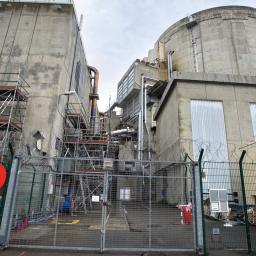
Work will begin this year to shut down Fessenheim, which is at the centre of a row with Germany and SwitzerlandThe French environment minister, Ségolène Royal, said on Monday that work will begin this year to shut down the country’s oldest nuclear power plant, at the centre of a row with neighbouring Germany and Switzerland.
|
 |
by Harpreet Kaur on (#16C5V)
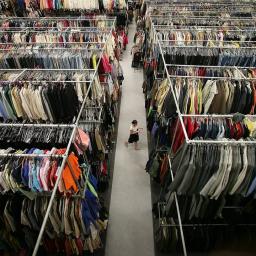
In the spirit of International Women’s Day, leading brands should vow to do more to protect the women making our clothesThe garment sector is great at employing women. At the bottom. While approximately 80% of the world’s garment workers are women, the number of women heading the 15 largest mass-market apparel companies on the Fortune 500 list is zero.Garment-related global supply chains provide critical jobs and capital that help women workers to raise their standard of living and provide for their families. However, these women are also vulnerable in global value chains. Low wages, unsafe working conditions and flexible contracts are prevalent. This is exacerbated by entrenched gender discrimination in everyday life. So what should fashion brands be doing to make sure women are protected? Continue reading...
|
by Joshua Robertson on (#16BXM)
In deciding how much money Adani should set aside to clean up after Australia’s largest proposed coalmine, Queensland cannot take into account its compliance record elsewhereCompanies can theoretically break environmental laws overseas and still be eligible for discounts on the bond needed to clean up any mining projects in Queensland, the state’s environment department has determined.Related: Adani's fitness to run Queensland mine examined over environmental concerns Continue reading...
by Amy Fleming on (#16BV6)
In the race to replace concrete and steel, bioengineers and architects are experimenting with alternatives including blood, bone and eggshellsAsk the Cambridge bioengineer, Michelle Oyen, how the cities of the future might look, and she’ll reference termite mounds, along with the swirling architecture of Antoni GaudÃ, whose buildings look like they’ve grown from organic matter rather than been built by human hands. Oyen and her contemporaries are currently striving to harness nature’s smart building techniques, investigating bone, eggshell, seashells and spider silk, as alternatives to unsustainable steel and concrete.“As engineers,†she says, “we throw energy at problems to make things technologically better, but we don’t necessarily think about the consequences of what all of that energy input is doing.†The concrete industry, for example, produces 5% of global CO emissions. The beauty of the materials that Oyen and colleagues are developing is that they can be produced in gentle, low-energy conditions. Continue reading...
 |
by Rob Yarham on (#16BKK)
Pulborough Brooks, West Sussex They’re nervous birds that prefer to remain hidden in dense vegetationA song thrush celebrates the ending of the afternoon rain with repeated trills, scales and whistles. In the trees either side of the footpath, other birds join in the wall of bird song – warbling dunnocks, tinkling goldfinches and stuttering chaffinches. Greenfinches add their harsh falling notes. Groups of midges hover above the woodland track. It’s the first time I’ve seen the flies in these numbers; another sign that plentiful food is emerging in time for the birds’ breeding season.I reach the Hanger viewpoint overlooking the brooks that line the River Arun. Wigeon quietly whistle and wander among the pools in the fading light. Excitable lapwing flap and loop above them, calling “pee-wootâ€, but even they are settling down now as evening approaches. Continue reading...
|
 |
by Michael Slezak on (#16BD2)
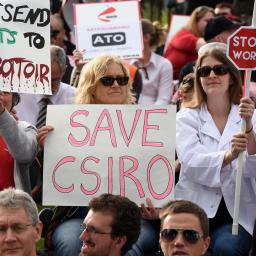
Scientists say CSIRO losing students and climate scientists already looking for jobs elsewhere since cuts announcedThe global reputation of the CSIRO has already been “trashed†by the announced cuts to climate research there, world-leading CSIRO scientists told a Senate inquiry on Tuesday.“Our reputation is now trashed, internationally,†said John Church, a CSIRO scientist who was speaking in his private capacity to a public hearing of the Senate select committee into the scrutiny of government budget measures in Hobart. Continue reading...
|
 |
by Suzanne Goldenberg on (#16BBZ)
The first chunk of a $3bn commitment made at the Paris climate talks ‘shows the US stands squarely behind climate commitments’, the State Department saidThe Obama administration has made a first installment on its $3bn pledge to help poor countries fight climate change – defying Republican opposition to the president’s environmental plan.The $500m payment to the Green Climate Fund was seen as critical to shoring up international confidence in Barack Obama’s ability to deliver on the pledges made at the United Nations’ climate change conference in Paris in late 2015. Continue reading...
|
by Brigid Delaney on (#16ARY)
Research scientist talks about finding funding for her projects, raising two daughters on her own and doing what she lovesIt was 1973 and Monica Oliphant, a recently widowed mother of two, was washing the dishes one night when she first heard about the potential for solar energy.“[It was] at the time of the Arab oil crisis, and I heard on the radio someone saying, if we had solar energy, we wouldn’t have to fight over oil. That was the 70s and I managed to get work in this area. That was tremendously exciting.†Continue reading...
 |
by Guardian Staff on (#16AJP)
The National Oceanic and Atmospheric Administration’s (NOAA) Okeanos Explorer claim they have discovered a completely new species of octopus. The little sea creature was captured on camera on 27 February, it is distinctive for the lack of pigment in its skin. On social media it has received the name ‘Casper the friendly ghost’ Continue reading...
|
by Thomas P Lyon on (#16AKP)
In an annual shareholder letter to be discussed next month, the “Sage of Omaha†claims that climate change poses no risks to insurers – but the claim flies in the face of growing scientific evidenceEach year, investors eagerly await Warren Buffett’s annual letter to Berkshire Hathaway’s shareholders. And well they might: under his leadership, Berkshire’s compounded annual growth rate from 1965 to 2015 was 20.8%, far better than the 9.7% achieved by the S&P 500.But this year, the storied “Sage of Omaha†expanded his focus to encompass larger issues. In his shareholder letter, he tackled the controversial subject of climate change, suggesting that, while it threatens the planet, it might also provide some business opportunities for Berkshire Hathaway. Continue reading...
 |
by Reuters in Lima on (#16AFN)
|
 |
by Rob Davies, Kim Willsher in Paris and Sean Farrell on (#16A8B)
UK and French governments say project will go ahead despite uncertainties prompted by row at its main backer, EDF EnergyThe British and French governments have insisted the Hinkley Point nuclear plant is on track, despite fresh doubts emerging over the £18bn project after an executive row at its main backer, EDF Energy. Continue reading...
|
 |
by Ryan Felton in Flint, Michigan on (#16A46)
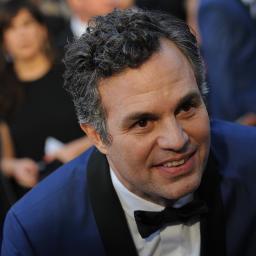
The actor, with billionaire climate activist Tom Steyer, joined local organizers to demand government accountability and the declaration of a disaster zoneLocal activists in Flint, Michigan, were joined on Monday by actor Mark Ruffalo and billionaire climate activist Tom Steyer to amplify calls for long-term solutions in addressing the city’s water-contamination crisis.Less than 24 hours after the Democratic presidential candidates left Flint to continue campaigning ahead of Michigan’s primary on Tuesday, the environmental advocates joined local organizers inside a downtown church to demand accountability and approval of a disaster declaration for the cash-strapped city, which would release additional resources. Continue reading...
|
 |
by Daniel Hernandez in Las Vegas on (#169YS)
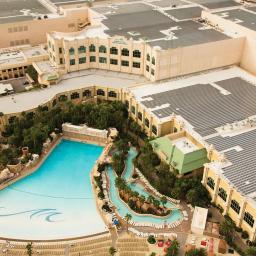
Ambitous solar power plans for Las Vegas casinos are being overshadowed by an ongoing battle with regulators and the state’s biggest utility providerThe glittering Las Vegas strip is not an obvious model for energy conservation.
|
 |
by Sean Farrell on (#169M9)
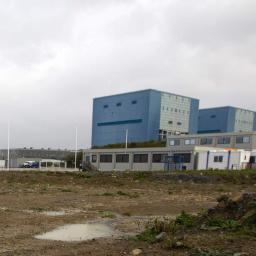
After EDF finance chief quits, we look at what makes planned station so important, why it costs so much and the alternativesThe resignation of Thomas Piquemal, the finance director of EDF, has increased concerns about the French energy company’s ability to build Hinkley Point C, the nuclear power station due to generate 7% of Britain’s electricity from 2025.Related: EDF's Hinkley Point nuclear nightmare adds to company's woes Continue reading...
|
 |
by Sam Jones on (#169DY)
Bananas, maize and beans could be among crops consigned to history in parts of sub-Saharan Africa, with drastic consequences for people who reply on beans as a vital source of proteinClimate change will leave swaths of sub-Saharan Africa unable to produce staple crops such as maize, bananas and beans by the end of the century, according to a report that calls for an urgent transformation of the region’s agriculture.The study, led by the International Center for Tropical Agriculture (CIAT), says that rising temperatures and droughts will force “significant areas†to find alternative crops, improve irrigation systems or even abandon crop-based agriculture completely by the year 2100. Continue reading...
|
 |
by John Sauven on (#169AS)
New charities guidance does not exclude us from the debate - we have an obligation to explain the environmental repercussions of BrexitIn a front-page story in Monday’s Telegraph, Eurosceptic MPs and “charity transparency†campaigners have joined forces to fulminate against environmental groups for daring to express their view on the EU referendum.This move, their argument runs, will “infuriate†the organisations’ supporters and may even be in breach of Charity Commission rules. A Telegraph editorial goes as far as accusing “many charities†of wanting Britain to stay in the EU because they receive money from Brussels. Continue reading...
|
 |
by Oliver Milman on (#16978)
Crickets in brie and wild Texas antelope sushi are on the menu at pop-up restaurant Prey, where disruptive plants and animals find a new purposeAttempts to eradicate invasive species have ranged from genetic modification to unleashing a squadron of goats upon them. This growing problem now has another potential solution: fine dining.
|
 |
by Christopher Furlong/Getty on (#1696A)
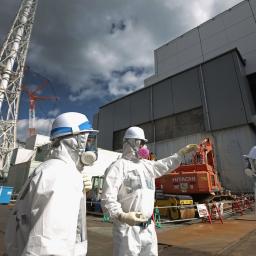
Friday 11 March 2016 marks the fifth anniversary of the magnitude 9.0 earthquake and tsunami that killed 15,894 people in Japan. Christopher Furlong has photographed staff who are decommissioning the stricken plant Continue reading...
|
 |
by Kim Willsher in Paris and Sean Farrell on (#16947)
Workers’ representatives say UK nuclear scheme is threat to EDF’s future and that finance chief’s resignation shows senior figures in company agreeUnion leaders at the French energy company EDF have called for investment in Britain’s Hinkley Point nuclear power plant to be delayed for at least two years, warning that it represents a threat to the company’s future.Workers’ representatives say the sudden resignation of EDF finance director Thomas Piquemal has revealed that doubts over the feasibility of the controversial project go right to the top.
|
 |
by Arthur Neslen on (#168Z7)
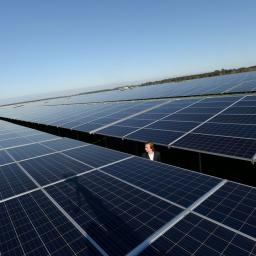
European commission appears to soften stance on whether it will strengthen its 40% carbon cut, after outcry over attempt to rule it outEurope’s chief climate negotiator has said he is open to increasing the EU’s carbon target for 2030, in a backdown by the European commission.Last week, the commission ruled out any increase in the bloc’s target of cutting emissions by 40% by 2030 on 1990 levels, sparking an outcry from several countries and green groups. Continue reading...
|
 |
by Joe Whittle at Yellowstone national park on (#168XD)
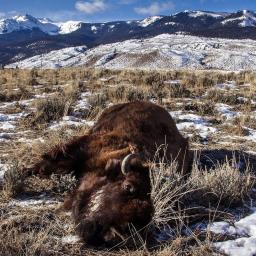
The American bison once faced extinction – now they’re being culled. Native American photographer Joe Whittle attends a hunt held by tribal membersEvery winter the small town of Gardiner, Montana, welcomes Native American tribal members from around the Inland Northwest. Hospitality businesses are happy to see them arrive during the off-season, but they’re not the only ones – ranchers are thrilled.The tribal members are there to hunt American bison (or buffalo) that wander out of Yellowstone national park to find forage during winter. Bison are naturally migrating animals, and as the frozen snows of winter make finding sustenance difficult and competitive, herds start to head to lower elevations to seek sufficient feed. Continue reading...
|
 |
by Guardian Staff on (#168RB)
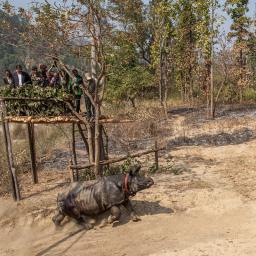
A greater one-horned rhino has been successfully moved to a new home in Bardia national park. The healthy adult male is the first of 30 rhinos to be ‘translocated’ from Chitwan national park over the next two years to secure a second, viable breeding population and hopefully restore rhino numbers to historical levels Continue reading...
|
 |
by Terry Macalister Energy editor on (#168JJ)
Debts, boardroom disputes, delayed nuclear projects – the many troubles of the French-owned power companyBuilding an £18bn nuclear power station such as Hinkley Point C would be a huge financial commitment for any energy company – even one that is mainly state-owned.EDF, the company at the heart of the Somerset project that is 85% owned by the French government, has brought in Chinese state-owned firms as partners and negotiated generous subsidies with the UK government. Continue reading...
|
by Dana Nuccitelli on (#168G5)
A report by Media Matters for America reveals that the media are failing to inform the American public on the most important issue of our time
by Press Association on (#168EQ)
Project by RSPB and clean tech firm Anesco to boost wildlife at solar farms in England and Wales will help species including turtle doves and skylarksThreatened wildlife including turtle doves and skylarks could benefit from a scheme which has been launched to create natural habitats at solar farm sites.The project by wildlife charity RSPB and clean tech company Anesco aims to boost wildlife at the firm’s solar farms across England and Wales. Continue reading...
by Sean Farrell on (#168C6)
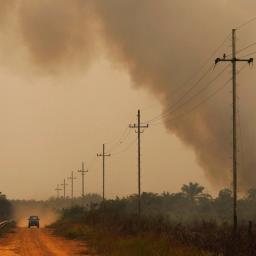
Thomas Piquemal’s departure intensifies the feeling of crisis surrounding the projectThe chief executive of EDF said he wants to reach a final decision soon on investing in Britain’s Hinkley Point nuclear power plant after the resignation of his finance director cast further doubt on the French energy company’s ability to fund the £18bn project.Jean-Bernard Levy said he regretted the “hastiness†of Thomas Piquemal’s departure as finance chief. Piquemal resigned because he believed pursuing the world’s most expensive nuclear project could threaten the group, whose finances are already stretched by rising debt. Continue reading...
 |
by Deborah Lapidus on (#16870)
A tie-up is on the cards between two palm oil companies with worrying track records. If it goes ahead it could have huge implications for the palm oil sectorIt’s a multimillion dollar tie-up that you’ve heard little about, but could have major implications for the drive towards a more responsible palm oil sector.
|
 |
by Dave Hill on (#16846)
Four of the leading candidates for City Hall offered a range of ideas for making London greener but also revealed some no go areasAll mayoral candidates say they want a greener London, so which has the best ideas for achieving this and which is the most likely to deliver? The Green Alliance think tank held a hustings at 1 Wimpole Street with Liberal Democrat Caroline Pidgeon, Conservative Zac Goldsmith, Labour’s Sadiq Khan and the Green Party’s Sian Berry on the panel. James O’Brien of LBC Radio chaired. Candidates’ hopes, dreams, bold assertions and no go areas regarding some of the main themes are compared and contrasted below. Continue reading...
|
 |
by Terry Macalister and agencies on (#1677E)
Proposed £18bn Somerset plant has been pushed by George Osborne but some on French company’s board fear risky spendingThe £18bn Hinkley Point C nuclear project was in crisis on Sunday night after reports that the finance director of EDF, the company behind the scheme, had resigned.Related: EDF tells contractors to restart work on Hinkley Point, report says Continue reading...
|
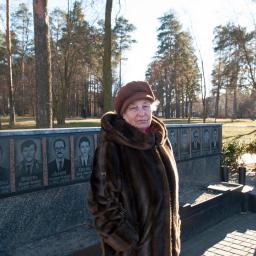 |
by Kim Willsher in Slavutych on (#167ZW)
Evacuees from the Chernobyl nuclear accident remember relatives, friends and colleagues who died – and the abandoned city declared unsafe for 24,000 yearsIn a biting winter wind, Alexander Petrovich Zabirchenko walks slowly along a memorial to firefighters and workers who died in the Chernobyl nuclear disaster, touching each of the portraits engraved in granite. He does not shiver or complain of the cold. He is a big man and draws himself up to his full height before each sombre stone.“Here is Valeri, and here Vladimir and Alexandr and Anatoli … I knew these men,†he says. “I worked with them. They were colleagues and friends.†Continue reading...
|