 |
by Nigel M Smith in Los Angeles on (#15FHF)
Backstage at the Academy Awards, the winner of the best actor Oscar explanded on his impassioned acceptance speechLeonardo DiCaprio won his first Oscar on Sunday, after being nominated four times previously. The actor was expected to win after dominating the best actor race all season, winning a number of precursor awards including a Bafta. Still, he said the industry-wide support he’s received over the past few months “feels incredibly surrealâ€.Related: The best images from the Oscars 2016 – in pictures Continue reading...
|
| Link | http://feeds.theguardian.com/ |
| Feed | http://feeds.theguardian.com/theguardian/environment/rss |
| Updated | 2026-08-18 11:01 |
 |
by Cal Flynn on (#15FAW)
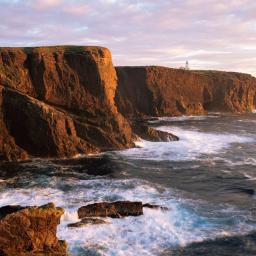
Eshaness, Shetland A single raven appears from the gloom and hangs overhead, watching with naked curiosityWe abandon the car at Eshaness, outside the lighthouse swinging its torch in an endless, unstoppable arc, and head north along the cliffs.Only a few months ago, the crags were crowded with life: tens of thousands of seabirds – fulmars, gannets, arctic skuas and the aggressive bonxies, as they call great skuas locally, that will divebomb anyone who comes near their nests – but now they are long gone, all except the hardiest fulmars gone south for the winter. Continue reading...
|
 |
by Stuart Leavenworth on (#15F8J)
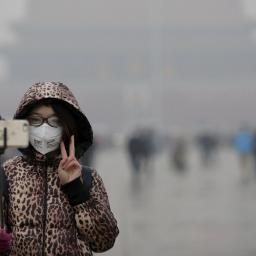
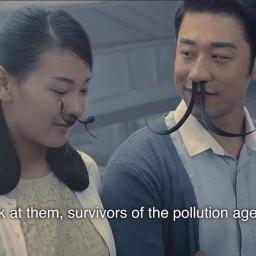
Quirky video shows a population of ‘pollution survivors’ who have adapted by growing luxuriant nose hairFor almost every Beijing resident it will be a familiar sight which quite literally gets up their nose.Related: Airpocalypse now: China pollution reaching record levels Continue reading...
|
 |
by Guardian Staff on (#15F8M)
The video depicts a dystopia where people in China have adapted to the air by growing long moustaches – actually nose-taches – to filter out the smog. ‘Change air pollution before it changes you,’ says the video, which was produced by WildAid China as part of its GOBlue campaign. About one-third of China’s 1.35 billion people regularly breathe smog deemed unhealthy by the World Health Organisation. In a recent WildAid survey, more than 90% of Chinese people are concerned about air pollution. Continue reading...
|
by Michael Slezak on (#15EYR)
Australian Conservation Foundation report shows a 3.2% jump in emissions by the country’s biggest polluters despite Coalition’s climate target claimsAustralia’s biggest climate polluters increased their emissions in the year to July 2015, according to the latest data from Australia’s Clean Energy Regulator.Some of those companies have themselves called for stronger government policy to curb emissions, including calls from AGL for the government to mandate that the oldest or dirtiest coal-fired power stations should be shut. Continue reading...
 |
by Press Association on (#15ENS)
Fewer than a third of Britons spotted a hedgehog in their gardens last year
|
 |
by RC Spencer on (#15EJT)
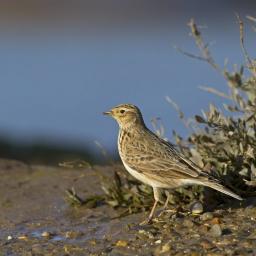
Originally published in the Manchester Guardian on 4 march 1916As the snow melted from the middle of the broad meadow under the down, larks appeared, almost in a multitude, with one or two occasionally rising towards the sun, as if to start an early song, but soon settling again. The bird-snarer was busy taking them by the half-dozen, for it appears that there are epicures among us yet. A partner, he said, was on lower land a few miles away after plover; “a cold job, worth all the money.†As for the birds, it was a mistake that they had been created so wild.In the early morning we had one of the first of those peculiar ground mists that hide the earth and seem to lift most things feet above the surface of the land. Cattle coming from the byre appeared as if raised out of a low, white cloud; then in places where the fog cleared they sank as if dropped gently on to the grass. But the scene soon altered, for the younger heifers, gambolling and prodding with their horns, were away to the hedge shelter, sniffing and tossing the hay fodder thrown there in heaps for them. The birds delighted in their company, or perhaps it was the breakfast which attracted them in the hay seeds. Yellow-hammers, a stray wagtail, three or four pairs of chaffinches, a titmouse, most of them chirping or singing, and then - the sun shooting a beam of warm light on to the small green shoots of the thorn and the straggling bramble - all gave us a promise, if no more, of spring. Continue reading...
|
 |
by Letters on (#15E7G)
The Tory government’s plans to reduce the funding for pharmacies by 6% from October has had little publicity in the media. Pharmacies are an essential part of the NHS and the local community, and this cut is predicted to lead to the closure of one in four of them. A petition to oppose the cuts, which requires 100,000 votes for a parliamentary debate, can be found online at https://petition.parliament.uk/petitions/116943
|
 |
by Letters on (#15E7J)
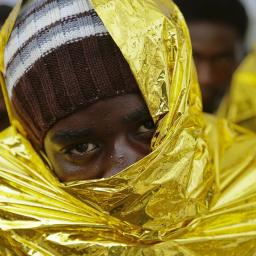
Former international development secretary Andrew Mitchell speaks for Africa’s 1 billion people when he writes “the world is moving to a freer trading regime, protectionism is declining and discredited†(A plea to fellow Tories: let’s not relive the Maastricht years, 22 February). No continent is more desperate for a freer trading regime than Africa. Yet, despite their rhetoric about supporting Africa, no other continental bloc administers a more comprehensive trade protection against Africa than the European Union.The EU common agriculture policy enables, if not compels, EU farmers to dump their excess but cheap farm produce on African markets, thus forcing African farmers to sell their products at a loss or leave the market altogether. And, while pushing for ever more foreign aid to Africa, the EU also imposes stiff tariffs on African agricultural imports, thus making it impossible for Africa to trade itself out of poverty. The result is the vicious cycle of poverty, war, famine, diseases and refugee exodus we are witnessing today. Last year alone, some 5,000 African men, women and children lost their lives in the Mediterranean trying to come to Europe in search of a better life. Granted, corruption and human rights abuse are additional push factors. But this scale of human tragedies was unheard of before the trading European Economic Community became the superstate which is the EU. Continue reading...
|
by Michael Slezak on (#15E69)
Arena backs $5m investment in business model that aims to minimise electricity use, partly by pushing solar and batteriesThe Australian Renewable Energy Agency (Arena) has backed a $5m investment in Mojo Power, an electricity retailer that helps households consume less energy and is already taking customers in New South Wales.Related: ‘We’re 10 years behind the banks’: how Australian power giant AGL is playing catchup with the consumer Continue reading...
 |
by Arthur Neslen on (#15DWH)
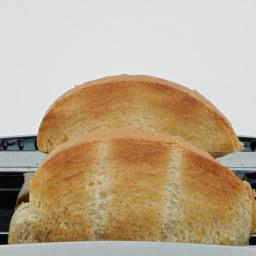
Measures to save 10m tonnes of CO emissions per year have been delayed amid concerns highlighted by ‘toastergate’The EU has put plans to regulate inefficient kettles and toasters into cold storage amid fears in Brussels that they could galvanise support for the leave campaign in the UK’s 23 June referendum.Mobile phones, lifts, hair- and hand-dryers and vending machines are also on a shortlist of products for increased regulation in 2015-17. The measures had been expected to save the equivalent of 10m tonnes of CO emissions per year by 2030, helping EU countries to meet efficiency goals and consumers to cut their energy bills. Continue reading...
|
 |
by Shane Hickey on (#15DVJ)
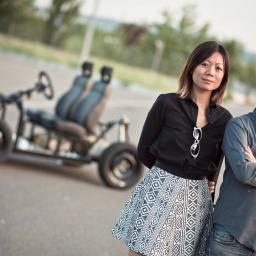
OSVehicle hopes Tabby Evo electric car, which can be built in an hour, will be embraced by aid agencies and universities, among others
|
 |
by Terry Macalister Energy editor on (#15DFX)
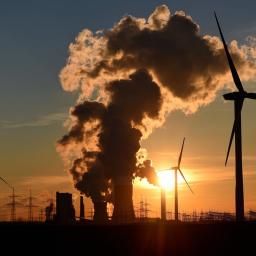
Lobbying group has been on wrong side of carbon debate for far too long, so should we really believe that this is more than just words?The decision by Britain’s most powerful energy lobby group to take a positive stance on building a low-carbon economy is a significant moment.It gives major impetus to the green agenda just as it is being undermined by influential sceptics inside the Conservative party, Treasury and Department of Energy and Climate Change. Continue reading...
|
 |
by Terry Macalister Energy editor on (#15DCZ)
Energy UK, which represents big six providers, says it now supports phasing out coal-fired stations, after years of defending use of fossil fuelsThe UK’s biggest energy lobbying group has shifted its position on green energy and will start campaigning for low-carbon alternatives for the first time, in what environmental campaigners are describing as a watershed moment.Lawrence Slade, the chief executive of Energy UK, which represents the big six providers and has been regarded as a defender of fossil fuels, said the shift was urgent in order not to be left behind. Continue reading...
|
 |
by Lenore Taylor Political editor on (#15DCA)
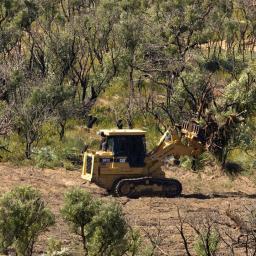
In just three years the rate of clearing will create enough additional carbon dioxide emissions to cancel out emissions savings the government says it will make by paying farmers $670m to stop cutting down treesA land-clearing surge in Queensland is set to create additional carbon dioxide emissions in just three years that are equivalent to those the federal government claims it is avoiding by paying other farmers more than $670m to stop cutting down trees, according to a new analysis.
|
 |
by Ben Garrod on (#15CXE)
About 4,500 primates are in private hands in the UK – many of them suffering poor conditions. Is it time for a ban?Primate owner Laura was scanning the internet adverts for monkeys she could try to rescue when she spotted one from a man in the Cotswolds who was clearly finding caring for two common marmosets extremely difficult. This is a common problem: primates are wild animals and keeping them is complex, expensive and demanding.She contacted the man and agreed to collect the two adult monkeys – one male and one female. They had been kept in a tiny shed in his garden and were in a terrible condition. “He’d fed them almost entirely on porridge, baby food and fish fingers. When I asked if he had given them any fruit or vegetables, he remembered that he’d occasionally fed them grapes. Neither monkey had ever been seen by a vet. The male had severe dental problems and his tail was a mixture of matted hair and bald patches.†Continue reading...
|
 |
by Guardian Staff on (#15CT1)
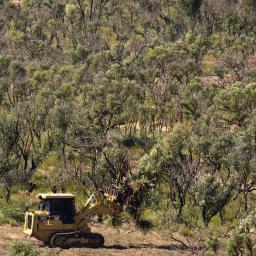
The national campaign director for The Wilderness Society believes the C02 report reveals many damning findings regarding the current level of tree clearing in Australia. Lyndon Schneiders says: ‘Out of all the sectors, the land-based sector, which includes the tree clearing, is the only one where emissions are dramatically increasing.’ Schneiders believes that over the last three years the increase has reportedly been as much as 70%. Continue reading...
|
 |
by Lucy Siegle on (#15CQD)
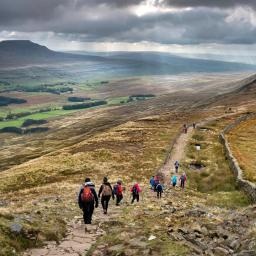
High-performance clothes are great for keeping you warm and dry, but can contain high levels of polluting toxinsThe wilderness nuts of old headed off on Nordic skis in sagging woollen leggings and handknitted sweaters. Modern wilderness wear is different. It’s high performance, engineered to aid air flow around the body.Some of this is clever design, but a lot is down to PFCs – perfluorinated chemicals. They repel grease and, crucially, water. It was a downer when we found out last year that fragments of plastic polymers from our clothes, especially active wear, end up as microplastic pollution in rivers and oceans. Continue reading...
|
 |
by Associated Press on (#15BTK)
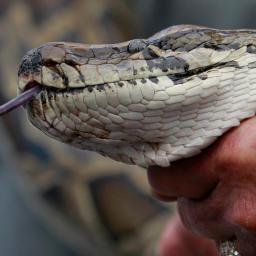
Florida Fish and Wildlife officials commissioned hunters’ help to tackle thousands of invasive pythons from south-east Asia that have overrun the EvergladesSnake hunters captured 106 Burmese pythons after weeks of traipsing through the Florida Everglades, state wildlife officials announced on Saturday, along with awards for the most impressive catches.Thousands of invasive pythons from south-east Asia live and prey on native creatures in the Everglades, and Florida Fish and Wildlife officials admit that state-sanctioned hunts will not dent the reptiles’ numbers. But the officials say the two hunts since 2009 have helped draw attention to the snake crisis. Continue reading...
|
by Sarah Shemkus on (#15B7B)
Companies like Kimberly Clark and Canada’s Globe and Mail have used their purchasing power to help forge a historic agreement that prevents logging in 85% of the British Columbia rainforestEarlier this month, a groundbreaking agreement was reached to prohibit logging in the majority of the 6.4m-hectare Canadian rainforest known as the Great Bear Rainforest – a stretch of coastal ecosystem nearly the size of Ireland.
 |
by Guardian Staff on (#15AW4)
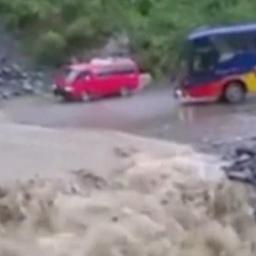
A bus attempts to cross a fast-flowing river in Peru as heavy rains continue to cause severe flooding and landslides in the country. Overflow from the Quilca River in the South of the country has caused wide-spread disruption, with blocked roads, power cuts and flooded hospitals. Periods of rainfall in the region have been heavy since December and the deluge is hampering clean-up operations
|
by Joris Tielens on (#15ADE)
The word’s leading seed companies traditionally have a poor record of reaching farmers in food insecure regions
 |
by Clive James on (#15A64)
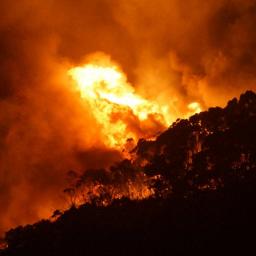
At our weatherboard infants’ school in the bush, the memorably severe Miss Cashman had to get us to safety when the bushfire came
|
by Ray Collier on (#15A5K)
Achvaneran, Scottish Highlands At the feeding station the birds were centimetres from my feet, unconcerned, while the trail camera picked out our night visitorsOne of our three wildlife feeding stations in the garden is at the end of the house, where it has shelter from one wall and from four fruit trees. I call it “the sanctuaryâ€. There are seven feeders hanging from the fruit trees, with a variety of food.At dusk, on the ground below the trees and on a flat-topped tree stump, I put small piles of peanuts and quartered apples to attract mammals – our night visitors. Continue reading...
 |
by Ryan Felton in Detroit on (#157WG)
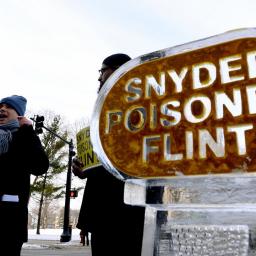
Rick Snyder’s advisers suggested to stop using corrosive river and buy residents bottled water before contamination ‘gets too far out of control’, emails revealDespite concerns among advisers to Governor Rick Snyder of Michigan regarding water quality in Flint, state officials for months rebuffed suggestions to switch the city back to its previous water supply, citing cost as a primary factor, emails released by Snyder’s office on Friday showed.Advisers advocated moving Flint back to its prior drinking water source only months after the city made a fateful April 2014 switch from Lake Huron water to a local river. Following the switch, the Michigan Department of Environmental Quality (DEQ) did not require Flint to treat the river water with anti-corrosion agents, allowing lead to leach off pipes and flow into households. Continue reading...
|
 |
by Oliver Milman on (#1595A)
Trump claims he would dismantle agency but law experts say that would be nigh impossible: ‘I wouldn’t dignify it with a serious reply. Maybe “grow upâ€â€™Amid prolonged bickering with his rivals, Donald Trump outlined a fairly radical proposal during Thursday’s Republican debate: to scrap the US Environmental Protection Agency.
|
 |
by Associated Press in Mexico City on (#1594K)
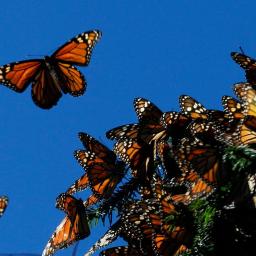
The insects covered over three and a half times more wintering grounds than last season, as diminishing milkweed and illegal logging has disrupted movement
|
 |
by Oliver Milman on (#158JG)
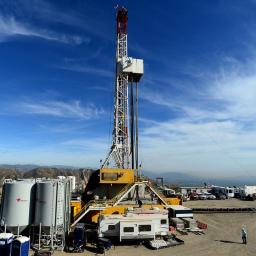
Emissions from Aliso Canyon leak, which took 112 days to plug, totalled 97,100 tonnes of methane – equal to annual output of a medium-sized EU countryA natural gas leak in the mountains above Los Angeles was one of the worst accidental discharges of greenhouse gases in US history. A new study shows the months-long disaster resulted in 97,100 metric tonnes of methane being dumped into the atmosphere.
|
 |
by Dennis Barker and Hella Pick on (#158HN)
Chairman of the National Trust during the debate over whether stag hunting should continue on its landRoger Chorley, Lord Chorley, who has died aged 85, took over the chair of the National Trust in 1991 at the most strife-ridden period in its history. He was by profession an accountant but by background and temperament a politician and committee man who could smooth over dissension and get decisions. Hence, perhaps, his appointment at the height of the controversy over whether the National Trust should continue to allow its land to be used for stag hunting.From the start, he set his face against impetuous decisions. The charity’s 1990 annual meeting, said to have been packed by a minority faction, had voted to end stag hunting on National Trust land, but Chorley set up a two-year working party. “This is not a delaying tactic or pussyfooting around,†he said. A ban was the emotional response, when what was needed was a study of what the ban would mean to the herd of deer. Continue reading...
|
 |
by Environment editor on (#158F0)
The week’s top environment news stories and green events. If you are not already receiving this roundup, sign up here to get the briefing delivered to your inbox Continue reading...
|
 |
by Guardian Staff on (#158AB)
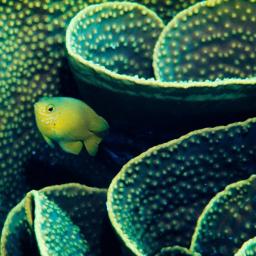
A damselfly, black rhinos and an encounter between a crocodile and a whip snake are among this week’s pick of images from the natural world Continue reading...
|
 |
by Damian Carrington on (#1581B)
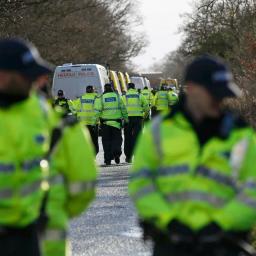
Police commissioner demands £200,000 in costs saying firm put people at risk of serious injury after it abandoned plans for a test site just weeks after eviction of protestorsFracking company IGas has been accused of irresponsible behaviour and risking serious injury by the police and crime commissioner for Cheshire.The outspoken attack by John Dwyer follows the eviction of protesters from IGas’s site at Upton in January. Dwyer said this turned out to be wholly unnecessary as the company subsequently announced it was abandoning its plans for the site. Continue reading...
|
 |
by Morgan Erickson-Davis for Mongabay, part of the Gu on (#157Q3)
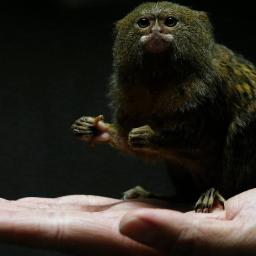
Year of the monkey has sparked a trend for pygmy marmosets, the world’s smallest monkey, as pets. But conservationists warn the animals rarely survive in captivity, reports MongabayThe “year of the monkey†dawned recently in China – and with it, a trendy new exotic pet. Pygmy marmosets are all the rage among China’s wealthy elite, who are forgoing legality and snapping up baby monkeys at around $4,500 (£3,200) each. The internet has exploded with photos of the so-called “thumb monkeys,†while conservationists and primate scientists are lamenting the situation.Weighing in at just over 100 grams (equivalent to about 20 US nickels), pygmy marmosets (Cebuella pygmaea) are the world’s smallest monkeys. They’re native to the rainforests of South America’s western Amazon Basin, where they live in small groups of around a dozen individuals. They aren’t considered threatened because of their large range and relative prevalence, but they are in decline, according to the IUCN, primarily due to the pet trade. Continue reading...
|
 |
by Jessica Aldred on (#157HM)
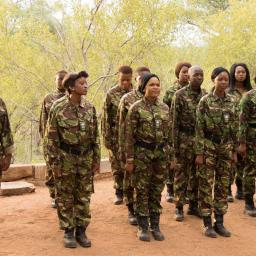
As rhino deaths have soared across South Africa, in Balule reserve the Black Mambas patrol of local women has achieved a 76% reduction in poaching since 2013. Now there are plans to extend the award-winning scheme“The Black Mambas are winning the war on poaching,†insists Siphiwe Sithole. “We have absolutely zero tolerance for rhino poaching and the illegal wildlife trade. The poachers will fall – but it will not be with guns and bullets.â€Sithole and Felicia Mogakane are members of South Africa’s Black Mambas, the world’s first all-female anti-poaching unit that has captured the public’s imagination. But it’s their success in reducing rhino deaths and breaking down the barriers between poor communities and elite wildlife reserves that is their most powerful weapon in the war on poaching, and has seen them pick up their second international conservation award this week. Continue reading...
|
 |
by John Vidal on (#1577V)
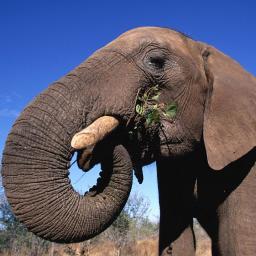
Conservation groups hope rehoming the elephants will leave more food and water for endangered rhinos as the country suffers worst drought in its historyEighteen elephants, due to be culled because the intense drought in southern Africa has left a national park in Swaziland without food, could be flown to zoos in the US. It is hoped that moving them will give endangered rhinos more chance of survival.
|
 |
by AFP on (#1577W)
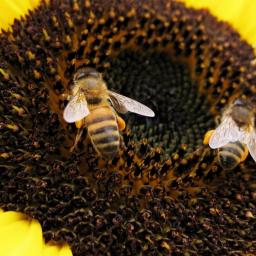
Animal pollination responsible for 5-8% of global agricultural production by volume, says UN biodiversity panel, as it issues warning over their declinePopulations of bees, butterflies and other species important for agricultural pollination are declining, posing potential risks to major world crops, a UN body on biodiversity said Friday.
|
 |
by Matt Shardlow on (#156PA)
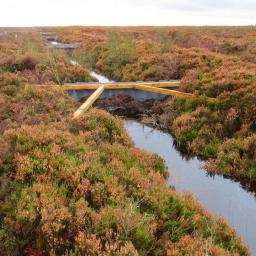
Fannyside Muir, North Lanarkshire Legal protection for this Scottish peat bog, and the birds that visit it, has a positive knock-on effect for other speciesThis fragile peat dome, halfway between Glasgow and Edinburgh, is lacerated with a grid of channels, ripped through the fibres of its dark earth.On a cold wet February day, in a biting wind, the summit of Fannyside Muir is an impressively wide expanse of nodding heather plants, but the prominent leggy heather is not the architect of the bog. A closer look is needed to discern the construction team: the resident array of Sphagnum mosses – a scatter of tightly packed pink hummocks and, in a little pool, a different species, emerald green, sprawling into the icy margins. Continue reading...
|
by Joshua Robertson on (#1560Z)
Queensland bill restores community legal objection rights to small mining projects but also, campaigners say, ‘incentivises resource companies to do the wrong thing’Rural Queenslanders will be more vulnerable to “abuses†by gas companies negotiating land access under plans to change state law, campaigners say.The Palaszczuk Labor government introduced to parliament a bill on Monday that would fulfil an election promise to restore community legal objection rights to smaller mining projects, enabling what the federal attorney general, George Brandis, last year derided as green “lawfareâ€. Continue reading...
 |
by Chris Johnston on (#155JH)
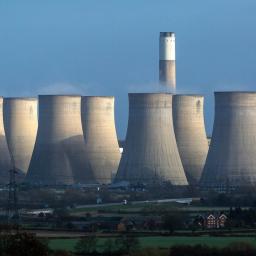
Hiring of Birmingham demolition firm Coleman defended by RWE npower as rescue efforts and inquiry continueThe company demolishing the defunct Didcot power station in Oxfordshire, where at least one person died on Tuesday, had not previously worked on a power station.The Birmingham-based Coleman Group was awarded the contract to dismantle the Didcot A coal and gas-fired station by RWE npower. The power station collapsed Tuesday afternoon while its workers were preparing the structure for demolition. Continue reading...
|
 |
by Karl Mathiesen on (#155A5)
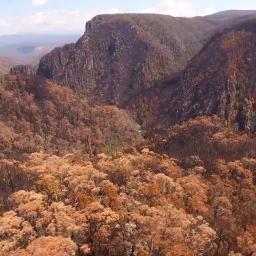
As 1,000-year-old trees turn to ash and dried-out peat bogs burn, the devastation of these precious plains is a harbinger of a warmer, far less wonderful worldIt is a three-hour, thigh-torturing climb to reach Tasmania’s high central plateau. Ancient myrtle rainforests flank the slopes. In years gone by, springs and streams gushed from the soaked highlands above, feeding the ferns and tall, old trees. The track passes Norm’s spring, from which local legend holds it is good luck to drink. But in these parts the luck has run dry.Related: Tasmania bushfires leave world heritage area devastated – in pictures Continue reading...
|
by Michael Slezak on (#1557X)
Amid dire warnings for the future of coal, the lenders signed off on $5.5bn worth of deals for the sector in 2015, according to analysis by activist groupAustralia’s big four banks are continuing to finance fossil fuel projects despite embracing a 2C or better global warming target, according to figures from financial activists Market Forces.
 |
by Terry Macalister Energy editor on (#15563)
All-party alliance says National Grid needs to act now to fill supply gap, and wants ministers to look at level of carbon taxesA group representing 60 local authorities has warned that recent closures of large power stations have left Britain heading for power cuts next winter, despite assurances to the contrary from the government.The Industrial Communities Alliance (ICA), an all-party association of councils from across Britain, said National Grid needed to act immediately to fill the supply gap by sending out new contracts for at least 2,500 megawatts (MW) of additional generating capacity – enough to power 2.5m homes. Continue reading...
|
 |
by Oliver Milman on (#15534)
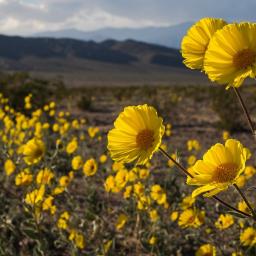
Heavy autumn rains have transformed the California park from salt flats and sand dunes to a colorful floral landscape not seen to this extent since 2005Parts of Death Valley, the driest place in North America, have exploded in a riot of color with a rare “superbloom†of millions of wildflowers.The flowers have blanketed the desert valley to an extent not seen since 2005. The bloom started in the southern part of the Californian wilderness and is now moving north, displaying colorful species including the golden evening primrose (Camissonia brevipes), notchleaf phacelia (Phacelia crenulata) and fields of desert gold (Geraea canescens). Continue reading...
|
 |
by Arthur Neslen on (#154PS)
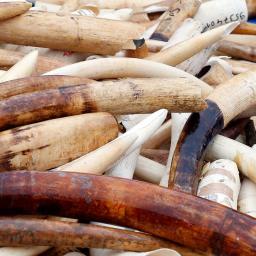
New sentencing policy would end legal loopholes that leave wildlife crimes in many central and eastern European countries punishable by non-custodial sentencesOrganised wildlife criminals will face prison sentences of at least four years in a crackdown on poachers, smugglers and illegal trophy hunters that the European commission is due to launch on Friday.An action plan seen by the Guardian would force all EU countries to consider major wildlife trafficking a grave offence under the UN’s convention against transnational organised crime. Continue reading...
|
 |
by Eromo Egbejule in Lagos on (#154NP)
For Lagosians, electricity shortages can mean cooking by torchlight, or companies spending a shocking 70% of the budget on diesel ... and some neighbourhoods have spent half a decade with no power at allWhen the electric transformer in his neighbourhood was vandalised five years ago, Akinnuoye Olagunju, then 21, didn’t think they would never have power again.Officials from the energy utility demanded that his father, as well as each of the 2,000 or so people in Oreta, pay a communal bribe to repair the damage: 2,000 naira ($10) each, a lot of money in this sleepy and impoverished fishing village. Continue reading...
|
 |
by Jessica Aldred on (#154D7)
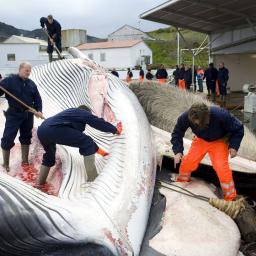
Director of country’s biggest whaling company says his fleet will not be hunting this season because of problems exporting the meat to JapanConservationists are hopeful that an end to commercial whaling in Iceland has moved one step closer following media reports that no fin whales will be hunted there this summer.Kristjan Loftsson, the director of Iceland’s largest whaling company, told daily newspaper Morgunbladid on Wednesday that Hvalur HF would not be sending out vessels to slaughter the endangered whales this season because of difficulties exporting the meat to the Japanese market. Continue reading...
|
 |
by Melanie Windridge on (#15452)
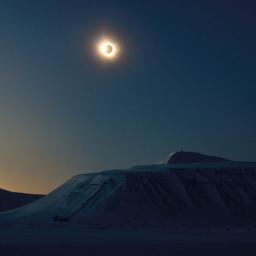
The mysteries of this cosmic wonder are explored and explained in the new book Aurora, by adventurous physicist Melanie Windridge. Here, she shares what she has seen Continue reading...
|
 |
by Ashish Ghadiali, Shai Rodgovesky, Juliet Riddell a on (#153X8)
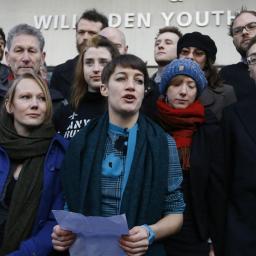
Before receiving suspended sentences on Thursday, the Heathrow 13 climate change activists explain why they they occupied the airport. They say direct action was their only option for fighting climate change. Will the fear of further punishment deter them from more law-breaking actions?
|
 |
by Guardian Staff on (#153QX)
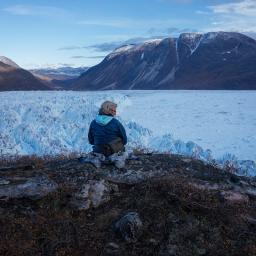
In September 2015, artist Mariele Neudecker and photographer Klaus Thymann embarked on a joint project to detail the glaciers of Narsarsuaq, south-west Greenland. The collaboration is part of a mission by UK charity Project Pressure to record the world’s vanishing and receding glaciers using art as inspiration Continue reading...
|
 |
by Karen McVeigh on (#150QS)
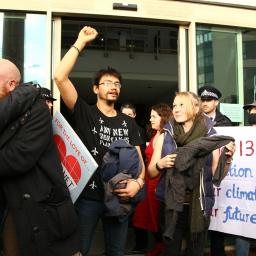
Activists found guilty of aggravated trespass and entering restricted area of an aerodrome given suspended sentencesSix women and seven men have avoided jail for trespassing at Heathrow, following a protest against the possible expansion of the airport.The activists, dubbed the Heathrow 13, were given sentences of six weeks suspended for 12 months, which means that if they break the law within a year, they are likely to serve the sentence. Continue reading...
|