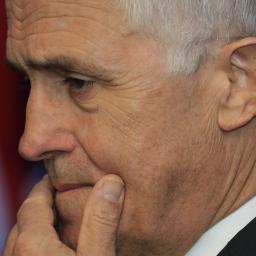
A WWF study shows Australian insurers tell customers far less than overseas insurers about the risks climate change could pose to their businessesAustralians are in the dark about the risks climate change poses for the local insurance industry because Australian insurers don’t disclose enough information, a new report claims.Related: Turnbull government selling Australia short on climate change – Bill Shorten Continue reading...
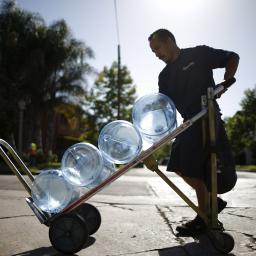
City considers new measures against those who use more water than they should, including publicly naming and shaming perpetratorsDrought-stricken Los Angeles is weighing new ways to crack down on residents who use more than their fair share of dwindling water supplies. For the first time in many years, such water hogs could be publicly named in an official version of the increasingly familiar and social-media-driven phenomenon of “drought shamingâ€.
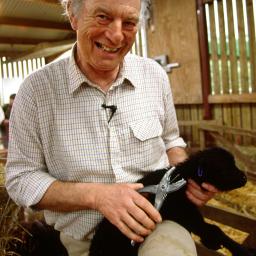
Farmer who fought to save rare breeds and educate the public about the importance of maintaining animal diversityDuring the 1960s and 1970s most farmers were going headlong down the route of intensive agriculture. But Joe Henson, who has died aged 82, stood out from the crowd. His passionate championing of rare breeds – initially as a lone voice, but later at the head of a thriving national movement – helped to save some famous varieties of farm animals that might otherwise have vanished.For more than four decades, his farm near Cheltenham, was a haven for unusual breeds of pigs, sheep, goats, cattle, horses, ponies and poultry that helped educate generations of visiting families and schoolchildren about the importance of maintaining diversity among farm animals. Continue reading...
by Associated Press in Long Beach, California on (#S8P8)
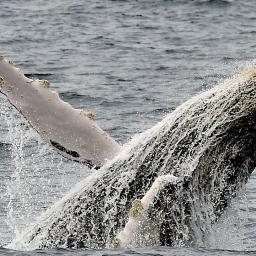
Teams with the National Oceanic and Atmospheric Administration and SeaWorld combine forces to rid animal of most of fishing lineRescuers on Saturday managed to free a humpback whale that was entangled in hundreds of feet of fishing line, and it swam away southwards.Related: Rescuers work to free humpback whale from fishing line off California Continue reading...
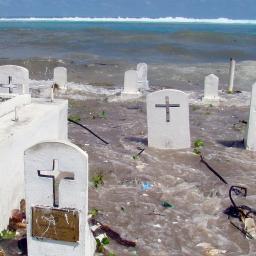
Climate change impact on Pacific nations is a focus for government and opposition ahead of COP21 where 190 nations will discuss a global climate accordAustralia should “tell the story of the Pacific to the world†when global leaders sit down to climate change talks in Paris at the end of this month, Labor has said.
Simon Winchester argues that our destiny will be dictated by the Pacific’s vast expansesWill the Pacific save us? In his biography of an ocean, Simon Winchester finds an optimistic note among all the doom we humans trail in our wake. This enormous body of water, which covers roughly a third of the planet’s surface, has become a cistern for our western sins. We have raided its indigenous peoples and animals; our world wars and nuclear tests have contaminated its islands and seas. How does it repay us? By absorbing the heat caused by our excessive burning of fossil fuels, acting as a “gigantic safety valve†to global warming. Archipelagos may be overwhelmed and coral reefs die, but in the end, Winchester intimates, the Earth will survive because of “the dominant entity on the planet†– all 64 million square miles of it.As a companion to his magisterial Atlantic, Winchester’s Pacific is an equally digressive book, worthy of Herman Melville, and full of wondrous anecdotes that would fuel an entire series of QI. Sikh guards were employed by the British to guard their colonial armouries because their religion forbade smoking. Newly discovered deep-sea vents, where life itself may have begun, recycle all of the planet’s oceanic water every 10 years. All of the continents could fit into this one ocean. Continue reading...
Turnbull government ministers say farmers’ right to determine what happens on their land should not be trumped by laws that give companies accessThe Coalition government is asking miners and coal seam gas companies to recognise that the “moral right†of farmers to determine what happens on their land overrides companies’ legal right to explore or mine.
Trial a bid to increase ecotourism at famous marine park where up to 23,000 people swim with whale sharks each yearRelated: Swimming with whales: a frolic in the wild or an accident waiting to happen?Swimming with humpback whales will be allowed at Western Australia’s famous Ningaloo marine park next year as part of a bid to increase ecotourism. Continue reading...
The adult animal, seen off Newport Beach, was struggling to escape a potentially deadly situation as line was tangled in its mouthMarine experts were on Saturday trying to save a humpback whale that was struggling off the coast of California, with a length of commercial fishing line tangled in its mouth.
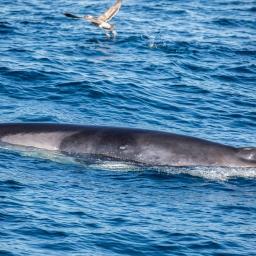
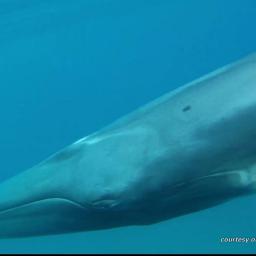
An international team of biologists has made the first-ever field observations of one of the least known species of whales in the world - Omura’s whales - off the coast of Madagascar. With footage shot by Salvatore Cerchio of the New England Aquarium and Woods Hole Oceanographic Institution, the whales are so rare that scientists don’t know how many there are in the world Continue reading...
Europe’s refugee crisis, the Day of the Dead in Mexico, the continuing violence in Syria – the best photography in news, culture and sport from around the world this week Continue reading...
Pickled bat that has lain in the museum for 30 years is a previously unknown species named Francis’ woolly horseshoe bat, experts have confirmedA pickled bat kept in the vaults of London’s Natural History Museum for 30 years is a previously unknown species, experts have confirmed.The discovery of a new creature of the night at the museum was announced appropriately on Halloween. Continue reading...
Slaughter Hill, Haslington, Cheshire Slaughter Hill may be a corruption of “Sloe Tree Hillâ€, as blackthorns grow here – trees of ill omen, cantankerous crones“The trees are undressing,†as Thomas Hardy wrote in his poem Last Week of October. Today, burnt-toffee and russet leaves litter open farmland, one moment absinthe-green, the next treacle-dark as deep shadows pass over wet grass and the sun is switched on, off, on, off. A dog barks. Rooks kaah, kaah. There is the low moo of cattle from the farm. The scent is sour-apple-sweet with a hit of wood smoke.I pass through the kissing gate festooned with spiders’ webs, and stop to watch a murder of crows in an oak tree open their tatty-cloak wings and scatter in different directions. Continue reading...
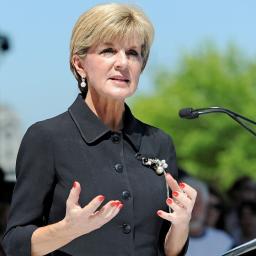
Fund is seen as critical to the success of December’s climate summit in Paris, which aims to reach an agreement on global emissions reductions after 2020Foreign minister Julie Bishop has launched a bid to co-chair the Green Climate Fund once dubbed by Tony Abbott as the “Bob Brown bankâ€.Related: Countries pledge $9.3bn for Green Climate Fund Continue reading...
Former party president, Shane Stone, and head of the Coalition’s Northern Australian advisory group likened the revenue sharing arrangement to provisions under the Aboriginal Land Rights ActFormer Liberal party president Shane Stone has suggested a radical overhaul of land use in which states and mining companies would share revenue streams with landholders to overcome the conflict between farming and mining.As head of the Coalition’s Northern Australian advisory group, Stone said a partnership between landholders and miners could be negotiated so farmers shared revenue “not dissimilar to what can be obtained under the Aboriginal Land Rights Act 1976â€. Continue reading...
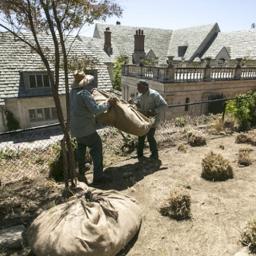
Thw municipality was fined $61,000, making it the only community not located in a desert singled out for penaltiesUpscale Beverly Hills is among four California cities where water utilities have been fined for not forcing residents to conserve enough water during California’s unrelenting four-year drought, officials said on Friday.Related: California city sends its water wasters back to school as drought deepens Continue reading...
Finalists in the Food Systems Design Challenge are creating cutting edge agriculture systems using some of the world’s oldest designsFrom lab-grown burgers to farms monitored by sensors and drones, technology lies at the heart of many of today’s sustainable food solutions. Now, the Biomimicry Institute, a Montana-based nonprofit, is taking the trend a step further with its new Food Systems Design Challenge, encouraging a cadre of entrepreneurs to improve the food production system by emulating techniques and processes found in nature.At the SXSW Eco conference earlier this month, the institute announced the eight finalists in the challenge. “We want to help foster bringing more biomimetic designs to market … to show that biomimicry is a viable and essential design methodology to create a more regenerative and sustainable world,†said Megan Schuknect, the institute’s director of design challenges. Continue reading...
Volkswagen expects to ride out the emissions scandal but what does the future hold for others caught in the fallout?For the first time in 15 years, Volkswagen’s quarterly accounts have landed in the red. Results published by the German car giant on Wednesday showed a loss of €3.5bn (£2.5bn) for the three months until 30 September – the month when the emissions scandal erupted. VW set aside €6.7bn to deal with the fallout from the 11m vehicles worldwide whose diesel engines were secretly programmed to cheat tests and mask the pollution they caused, although the final bill could run into tens of billions.
An Ohio startup is disrupting the clean cookstove industry with the introduction of a solar powered cookstove - but not everyone is convincedSince Hillary Clinton announced the creation of a Global Alliance for Clean Cookstoves in 2010, the public-private partnership has helped raise more than $400m for cleaner stoves and cooking fuels, enlisted more than 1,300 partners and, by its own accounting, helped drive about 28m cookstoves into the world’s poorest countries.The vast majority of those cleaner cooking devices are powered by biomass – wood, charcoal, dung and agricultural waste. Millions more are powered by cleaner fuels like liquid propane gas (LPG), ethanol and electricity. At most, the alliance reported, 2% of the stoves distributed in 2013 relied on solar power, the cleanest fuel of all. Continue reading...
In call for attorney general to investigate, top activists say company acted deceptively despite knowing about climate change ‘as early as the 1970s’Leading US environmental campaigners have joined a diverse line-up of pressure groups to demand a federal investigation into allegations that the oil giant ExxonMobil illegally covered up the truth about climate change.
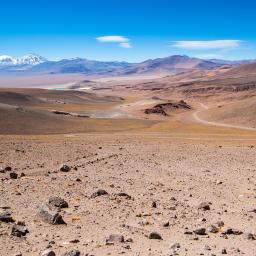
The Atacama desert is experiencing a rare springtime bloom of flowers after El Niño brought the heaviest rainfall in two decades earlier this year. The desert is usually one of the driest places on Earth. Flowers normally bloom every five to seven years but this year’s showing has been one of the most spectacular Continue reading...
City links: The MillionTreesNYC campaign has hit its target two years early, cash machines that dispense stories and the youngest cities in England and Wales feature in this week’s best city storiesThe best city stories we’ve spotted around the web this week celebrate the tree-planting efforts of New York City, discover how Grenoble is bringing short stories to its streets and reveal which cities in England and Wales have the youngest populations. We’d love to hear your responses to these stories: just share your thoughts in the comments below. Continue reading...
The week’s top environment news stories and green events. If you are not already receiving this roundup, sign up here to get the briefing delivered to your inbox Continue reading...
On this I agree with the president – fiction is what makes us comfortable with a complicated world. So why do so many of us go off it in the end?Consider the puffin. I was reading an article the other day about them being added to the endangered species list due to climate change. Apparently they’re Britain’s most popular sea bird, though I don’t know how many people have ever laid eyes on one. Heavy rain on the Farne Islands off the coast of Northumberland has flooded their breeding burrows and cut the number of fledged chicks in half. Eighty-five per cent of French puffins were killed by oil from the Torrey Canyon when the tanker ran aground in 1967. My eye snagged on the French puffins. It was early in the morning and my dozy mind conjured up an image of a puffin in a beret, smoking a Gauloise with a copy of Sartre’s Being and Nothingness tucked under its wing.The article was full of fascinating information about climate change, but I couldn’t get away from the French puffin and its existential crisis. This is, you might say, because I have an over-active imagination, or because my brain has gone soft from reading too many novels. I am all for the puffin now, which appeared in profile on the spine of so many of my children’s books. I am in empathy with puffins. Continue reading...
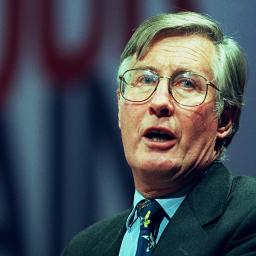
Michael Meacher’s achievement in winning greater freedom to roam on open country in England and Wales was not a foregone conclusion, despite the inclusion of the legislation in the 1997 Labour party manifesto.Tony Blair undertook a procrastinating consultation on whether freedom to roam could be achieved by voluntary means. Meacher faced down Blair and, nearly two years after Labour’s victory, on 8 March 1999, as minister of state for the environment, was able to announce to parliament that the government would legislate for mandatory rights: “Glorious parts of our heritage are still the preserve of the few, not the delight of the many.†Continue reading...
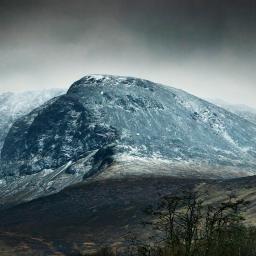
Officials say ever-increasing DIY cairns are ruining mountains in Highlands, as well as potentially misdirecting other walkersBuilding “mini cairns†on Scottish mountains has become a popular way for walkers to leave a memorial, create a photo opportunity, or hide their rubbish. However, the ever-increasing piles of rocks are ruining Ben Nevis and other mountains in the Highlands, officials have warned.Large navigational cairns are already in place on many Scottish mountains, built especially to stick above the snow and guide walkers along the right path to the summit. Continue reading...
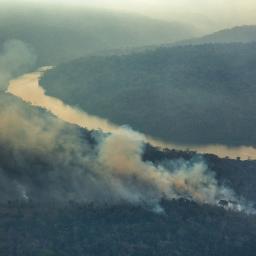
A huge fire that has been burning for two months engulfs a swath of Brazilian forest, threatening the existence of remote indigenous tribes. According to Greenpeace, the fire is suspected to have been started by illegal loggers invading the territory. The local government has declared a state of emergencyRead: Vast Amazon wildfire destroys forest in Brazil and threatens uncontacted tribePhotograph: AFP/Getty Images Continue reading...
Martin Hughes-Games, of the BBC’s Spring, Autumn and Winterwatch, says series presents ‘a utopian world that bears no resemblance to the reality’Wildlife programmes have totally failed to have an impact on conservation, the presenter of some of the UK’s most popular natural history shows has said.Martin Hughes-Games, presenter of the BBC’s Springwatch, Autumnwatch and Winterwatch series, told the Guardian that they have instead created “a form of entertainment, a utopian world that bears no resemblance to the realityâ€. Continue reading...
by Isabella Kaminski for Ends Report, part of the Gua on (#S3CT)
Firm pleads guilty to two separate incidents, including five tonnes of oil entering the Manchester ship canal, reports the Ends ReportAn oil company has been fined nearly half a million pounds for two pollution incidents in Cheshire.Essar Oil (UK) Ltd, which is headquartered in India and operates Stanlow oil refinery in Ellesmere Port, pleading guilty to breaching the conditions of its environmental permit at Chester crown court. Continue reading...
Controversial €100m hydropower project likely to lose funding after Bern Convention warns of ‘decisive negative impact’ on the critically endangered lynxA controversial €100m (£71m) dam project in a Macedonian national park is expected to be scrapped after independent experts called for a halt to all funding and construction work because of risks to critically endangered species, including the Balkan lynx.A Bern Convention mission to the Mavrovo national park reported that the planned hydropower dam there was “not compatible†with protection of the park’s status, ecosystems or species. Continue reading...
Could those who theorize that climate change is a conspiracy actually have it right? The Guardian teamed up with CollegeHumor to bring you the real and frightening truth behind the conspiracy led by Al Gore, and its plans to use climate change fears to gain profit, power and world domination. Happy Halloween! Continue reading...
Chancellor, who has overseen 5.4% fall in infrastructure investment, to launch national commission for major projectsInfrastructure investment will be at the heart of November’s spending review, George Osborne is to say when he launches the national commission for major projects.Speaking at the National Railway Museum in York on Friday, the chancellor will announce that the commission’s panel will include the former Conservative deputy prime minister Michael Heseltine and Prof Tim Besley, a former member of the Bank of England’s rate-setting monetary policy committee. Continue reading...
The political will to act on climate has arrived. We will look back at Paris as a turning point of this century towards a brighter futureChange is created by turning points. Whether through evolution or revolution, turning points in history have changed the way we think, move, communicate, live.We are at a turning point now. A decisive hour when a historical event occurs, when a decision must be made, when we have understood that the consequences of the past need us to intentionally and decisively redefine the future. Continue reading...
Technology can help companies like VW manage and rebuild their reputation but it’s not a magic bullet and must be used ethicallyIt has been a good few weeks for anyone who likes to indulge in a bit of corporate schadenfreude: Volkswagen’s emissions scandal and the cyber-attack on TalkTalk have kept consumer and business news sites busy analysing what happened and how the companies involved should respond. Put either company’s name into a search engine and the results include plenty of links referring to these events.
Analysis of plans put forward by nearly 150 countries suggests temperatures will reach just under 3C by the end of the century rather than 2C targetPledges by most of the world’s countries on climate change are likely to lead to less than 3C of global warming over the century, analysis of the data by the United Nations suggests.
Dan Barber: ‘If you think not leaving your plate full of food is the way to deal with this issue, you’re letting yourself off too easy.’Waste is central to Dan Barber’s cooking, and yet, he’d rather you didn’t sense that when you eat it. In fact, if you’re experiencing anything other than sublime thoughts when you taste his food, he’ll consider it an unsuccessful dish. Barber is the executive chef at the famed Bluehill Restaurant in Manhattan and at Stone Barns in upstate New York, and author of The Third Plate, a book about sustainable cuisine that captures his core belief: instead of just telling people to cut food waste, we should also be using it to make irresistibly tasty dishes.To meet this goal, in March, Barber transformed his restaurant into a pop-up called wastED, where he served ‘fried skate-wing cartilage’, ‘pock-marked potatoes’ and ‘carrot top marmalade’, along with other almost-binned fare. Continuing the theme, in September, he and Sam Kass, former senior advisor for nutrition policy at the White House and now senior food analyst for NBC News, made headlines when they served ‘waste food’ to world leaders meeting at the United Nations. Barber and Kass—who first came up with the idea for the momentous lunch—created salads comprised of vegetable scraps, burgers formed from wasted beetroot juice pulp, and fries repurposed from corn intended to feed cows. The goal? To use taste to drive home the message of food waste—something that Barber says should be central to the waste debate. In conversation, he makes the case that chefs are key to accomplishing this goal—and explains why ‘waste meals’ really aren’t such a novel idea after all. Continue reading...
Turnbull’s extended political honeymoon, Bill Shorten’s poor standing in the polls and Labor’s inability to easily change leaders means the PM can afford to take his time on the difficult decisionsLabor’s getting pretty pouty about Malcolm Turnbull’s protracted honeymoon. One senior figure reckons the press gallery thinks the new prime minister “farts rainbowsâ€.
Anglers in the Northern Territory should be aware of the risk of crocodiles attacking smaller vessels, inquest into death of man in Kakadu hearsThe death of a man who was snatched from his fishing boat by a crocodile in Kakadu is a warning for other anglers, according to an inquest.Bill Scott was grabbed by a saltwater crocodile as he tried to fill a bucket while fishing in Kakadu National Park in June last year. Continue reading...
South Uist The shrew makes a swift-footed bustling sprint of a metre or so and then comes to an abrupt haltWhen my husband calls me to the window, I can’t work out what it is about the motionless dark brown object on the lawn that has attracted his attention. It’s only partly visible among the blades of grass and seems to be about the size of an unshelled walnut.I’m about to ask when the shrew, for that is what it turns out to be, bursts into action. It makes a swift-footed bustling sprint of a metre or so and then comes to an abrupt halt, snout down in the short grass, posterior raised in the air, as it seizes whatever prey it has found. Continue reading...
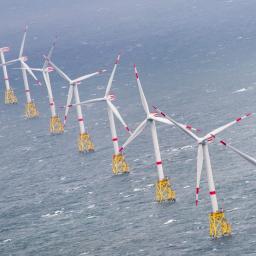
RWE Innogy announces support of Siemens Financial Services, Macquarie Capital and UK’s Green Investment BankConstruction of a £1.5bn windfarm off the Suffolk coast is to go ahead in November with the creation of nearly 800 jobs, after three new partners were found to back the project.
Waters in the north-west Atlantic have warmed 99% faster than the rest of the world’s oceans in the past decade due to changes in the Gulf Stream and Pacific
Shadow resources spokesman Gary Gray says ‘states make decisions as to how mineral wealth is allocated’Labor resources spokesman Gary Gray has warned the Coalition not to “interrupt†the historic constitutional relationship between the commonwealth and the states by changing the land access rights between farmers and mining companies.
Fickle, unpredictable and not-quite-as-good-as-hoped for – it’s been a typical British summer and a typically topsy-turvy butterfly season.The year began brightly with large numbers of overwintering brimstones, but the next generation didn’t make its presence felt in midsummer. It is a bit of a mystery why so few peacocks emerged, because their caterpillars were plentiful on nettles: some may have gone straight into hibernation, but it’s likely that others fell victim to parasitic wasps and flies. Continue reading...
President Evo Morales reassured public that controversial project, which will use Russian technology and help from Argentina, will not harm environmentBolivia has announced plans to build a $300m nuclear complex, including a research reactor, with Russian technology and help from Argentina.President Evo Morales told reporters the center will include a cyclotron for radiopharmaeuticals, a multi-purpose gamma irradiation plant and a research reactor. Continue reading...
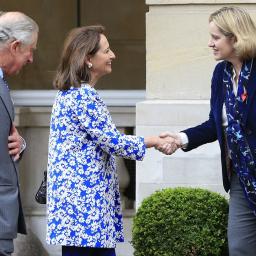
The Prince of Wales says forests are key to combating global warming as he confirms he will attend next month’s crucial summitThe Prince of Wales has said tackling deforestation will be central to combating global warming as he confirmed he will attend next month’s crucial climate change summit.
by Manuel Planelles for El PaÃs, part of the Climate on (#S0AJ)
Spanish NGOs, incensed at the controversial ‘sun tax’ that charges citizens for creating their own energy, have called for a new ‘vice-presidency’ on sustainability, reports El PaisThe five main green organisations operating in Spain have launched an environmental appeal to political parties in the run-up to December’s general elections.Friends of the Earth, Ecologists in Action, Greenpeace, SEO/BirdLife and WWF have stressed the urgent need for any new government to create a vice-presidency for sustainability, that would be able to coordinate and oversee cross-sector policy making. Continue reading...