by Karl Mathiesen on (#KE80)
Billions were pledged to help poor nations adapt to global warming but trust is eroding as countries such as the US fail to put up the cash
| Link | http://feeds.theguardian.com/ |
| Feed | http://feeds.theguardian.com/theguardian/environment/rss |
| Updated | 2026-06-22 19:46 |
 |
by Damian Carrington on (#KDZJ)
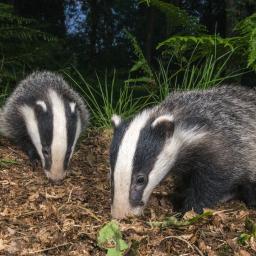
Experts say ineffective and inhumane culling could increase TB infections in cattle as setts are disrupted and badgers roam more widelyThe controversial badger cull in England is underway for the first time in Dorset and has restarted for the third year in Gloucestershire and Somerset, the government has confirmed.The cull, intended to curb tuberculosis in cattle, aims to kill 1,000-2,000 badgers over six weeks. Over 32,000 TB-infected cattle were slaughtered in 2014 and farmers welcomed the cull. Continue reading...
|
 |
by UCB Comedy on (#KDXY)
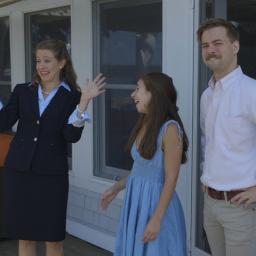
Looking for a beachfront home with a beautiful deck boasting killer ocean views? Why not check out this dream property in the Hamptons. Just ignore the rising tides, the increasingly severe hurricanes and the swallowing up of the east coast by the Atlantic Ocean. You’d be out of your mind to overlook this steal! Continue reading...
|
 |
by Miles Brignall on (#KD50)
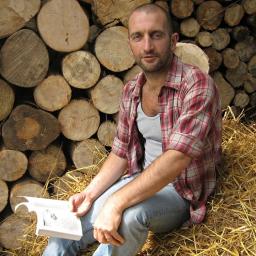
Mark Boyle chose to go without money for three years. Now he has begun a community smallholding that is as cash-free as possible – and is opening the world’s first free pubMark Boyle proved how, in a world dominated by money, he could live in Britain surviving entirely without cash – by bartering, swapping and connecting with local communities. And after three years, what was his first cash purchase? A £4 pair of trainers from a charity shop.“It was such a weird moment. Living without money had eventually become completely normal for me, and there I was standing in a charity shop handing over a piece of paper and walking out with this really useful pair of runners. It felt as strange as giving it up in the first place had,†he says. Continue reading...
|
 |
by Joshua Robertson on (#KD54)
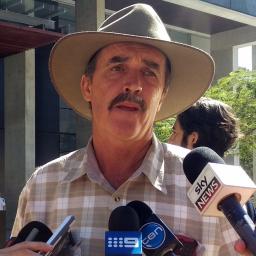
A conservationist case against the coalmine was dismissed in the supreme court on Friday on the grounds blocking it would have no effect on carbon emissions
|
 |
by Steven Morris on (#KD1W)
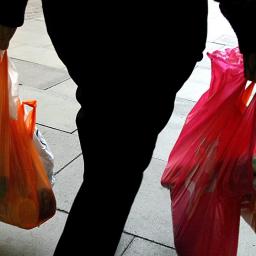
Almost three-quarters of consumers say they support the 5p charge that has raised millions for charities, report saysThe number of single-use plastic bags has declined by more than 70% since charges were introduced in Wales, a report reveals on Friday, weeks before a similar scheme is launched in England.According to the report, which was commissioned by the Labour-led Welsh government, almost three-quarters of consumers say they are supportive of a charge. Continue reading...
|
 |
by Kate Blincoe on (#KCZ9)
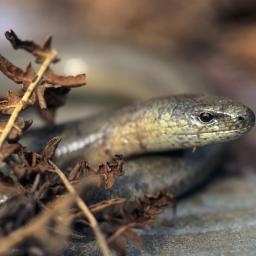
Caistor St Edmund, Norfolk Two slow worms were also making their escape, living up to their name by doing so in an altogether more sedate mannerI had promised they would be safe: “No snakes will bite your legs, they’re just not interested in you.†Then a bramble slashed back against my son’s shin. Blackberry red beads of blood decorated his skin. “Are you sure we’ll be OK?†he asked, fighting back tears.Safely through the undergrowth, we carefully raised the corrugated iron sheet and peered underneath. A grass snake, fluid as quicksilver, exited left. The children jumped instinctively, yet all we’d seen was an electric flash of green and yellow. Continue reading...
|
 |
by Joshua Robertson on (#KCQ9)
Environmental defenders office challenged former Queensland government approval of Alpha mine, based on groundwater and climate change impactsQueensland’s supreme court has rejected a bid by conservationists to have Gina Rinehart’s Galilee Basin coal joint venture with GVK stripped of environmental approval.Related: Australia: The new coal frontier Continue reading...
|
 |
by Agence France-Presse on (#KCNE)
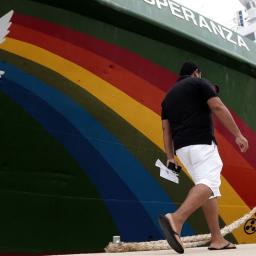
Indian government cancels license allowing Greenpeace to collect money from overseas, claiming NGO violated funding rules and withheld informationIndia has cancelled a license allowing Greenpeace’s Indian arm to collect money from overseas, the organisation and Indian media said on Thursday, the latest move in a battle between the environmental group and prime minister Narendra Modi’s government.India’s government claims the NGO violated rules governing foreign funding and withheld information on transactions. The government also accuses it of damaging the country’s economic interests by campaigning against mining and nuclear projects. Continue reading...
|
 |
by Peter Beaumont in Jerusalem on (#KCJ2)
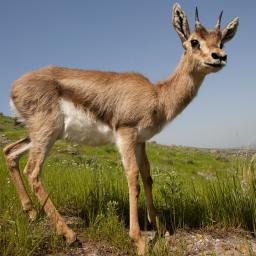
Zoologists report that just 2,000 identified individuals of the species remain after a dramatic decline in the past 15 years
|
 |
by Justin McCurry in Tokyo on (#KCAJ)
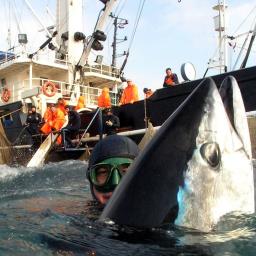
Meeting ends with no move to save endangered fish as campaigners warn bluefin tuna stocks will continue to plunge unless urgent action is takenCampaigners have warned that global stocks of bluefin tuna will continue their dramatic decline after Japan– by far the fish’s biggest consumer – and other countries failed to agree on new conservation measures.
|
 |
by Patrick Barkham on (#KC2X)
During a brief respite from the bank holiday rains, the garden of the small cottage where I was staying on the north Norfolk coast was suddenly filled with pristine red admirals.This big, handsome red, black and white insect really is the quintessential September butterfly. Continue reading...
|
 |
by Richard Luscombe in Miami on (#KBX8)
Reptile experts urged local residents not to panic but deadly snake – who escaped from owner’s cage – has the venom to kill 20 humansChildren at a Florida school were locked indoors on Thursday as wildlife officials scoured the grounds for a venomous 8ft-long king cobra that broke free from a cage and slithered away from its owner’s home.
|
 |
by Terry Macalister Energy editor on (#KBQ9)
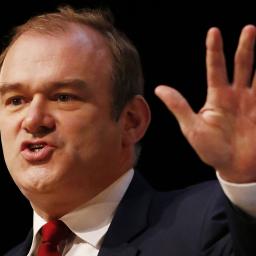
Former minister Ed Davey says chancellor is pursuing ideologically driven campaign against renewable energyEd Davey, the former energy and climate change secretary, has accused George Osborne of putting tens of billions of pounds’ worth of private sector investment at risk with an assault on the green agenda he pioneered.The Liberal Democrat said the chancellor was pursuing “bonkers economics†and an ill-advised and ideologically driven campaign against renewable energy that risked leaving the UK hopelessly dependent in the longer term on fossil fuels such as gas. Continue reading...
|
 |
by Terry Macalister on (#KBNG)
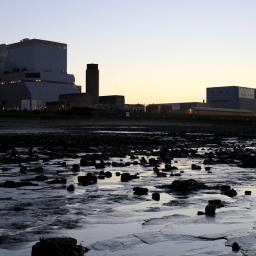
France’s EDF gives no definite schedule for construction of £24.5bn plant, which still awaits firm’s final investment decisionThe planned new nuclear power station at Hinkley Point in Somerset has been hit by another setback, with its developer EDF admitting the project may be further delayed.The news came as the French energy group said a more advanced sister project at Flamanville in Normandy would now not start operating until 2018, at a cost of €10bn (£7.3bn). It was originally slated to open in 2005 and cost €3bn. Continue reading...
|
 |
by Mark Brown Arts correspondent on (#KBNJ)
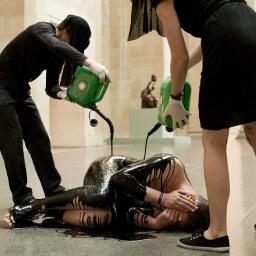
Art Not Oil coalition to use stunts and flashmob to shine spotlight on £10m BP sponsorship deal with arts organisationsCampaigners against oil firms sponsoring UK arts groups are to stage an all-day protest festival at the British Museum in what they claim will be their most ambitious intervention to date.More than a dozen campaign groups are expected to converge on the museum on 13 September for “stunts, performances and creative interventionsâ€. Continue reading...
|
 |
by Guardian Staff on (#KB82)
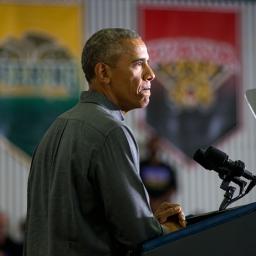
Barack Obama warns that Alaska’s warming climate is a wake-up call to America and the rest of the world. Speaking at a school in Kotzebue, a small town north of the Arctic Circle, Obama said the US would not sit idly by if its livelihood were threatened by a hostile nation, and argued that a warming climate requires the same level of action Continue reading...
|
 |
by Associated Press in Gulfport on (#KB7G)
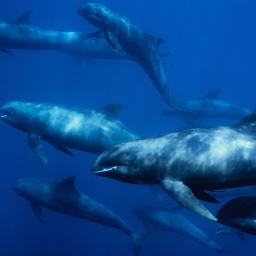
Two seriously ill young melon-headed whales – a species not seen in the area for 40 years – are being tended at the Institute for Marine Mammal StudiesMarine experts in Mississippi are working around the clock as a mysterious pair of whales, their species unseen in south Mississippi for 40 years, fight for survival.Moby Solangi, director of the Institute for Marine Mammal Studies in Gulfport, said a fisherman on Tuesday reported what he thought were two dead dolphins on the beach in Waveland. Continue reading...
|
 |
by Press Association on (#KB5R)
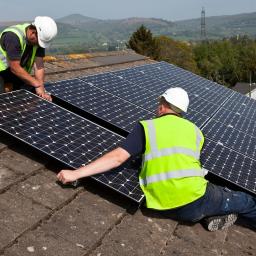
Friends of the Earth says cuts to feed-in tariff payments for people with solar panels could stop more than 1GW of solar power being installed each yearGovernment plans to slash subsidies for solar panels on homes could cost more than 20,000 jobs, green campaigners have claimed.
|
 |
by Julia O'Malley in Anchorage on (#KB11)
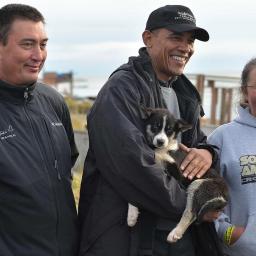
President’s three-day tour of the state gave everyone something to talk about, regardless of their politics: ‘This is the president and this is exciting. Period’In this state of only 700,000 people that American presidents tend to visit most often only to refuel, the three-day tour by Barack Obama this week gave everybody something to talk about.Alaska is conservative and backed Obama’s opponents in 2008 and 2012, but the president’s celebrity appeal overshadowed the political misgivings of many as he traveled the vast state. Everywhere he went, residents made signs, crowded into restaurants and pulled over on roadsides to catch a glimpse. Social networks were ablaze with reports of security helicopters overhead, and observations about Obama’s gelato preferences (coffee and coconut), his treadmill routine (he runs “slow and smoothâ€, according to someone a few machines down), and his opinion of fish jerky in the rural community of Dillingham (“Outstanding!â€). Videos of the passing motorcade were an epidemic. Continue reading...
|
 |
by Letters on (#KAJ7)
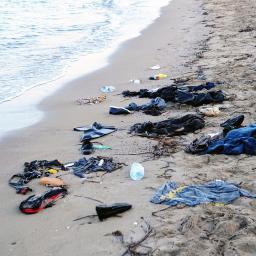
It is not easy to look in the mirror and value your reflection if you are not absolutely horrified by the images of a dead, innocent Syrian boy face down on a beach (The shocking cruel reality of Europe’s refugee crisis, 3 September). That boy was someone’s son, someone’s grandson – he was one of us. To state that we should all be ashamed to bear witness is an understatement. To state that we have every right to expect our leaders to stand up and lead, to show leadership, statesmanship even, is almost trite now. The image crystallises the time we live in. Rather a dead child than the humanity and leadership required to afford people, just like us, a home. Today, I am ashamed to be British.
|
 |
by Suzanne McGee on (#KA8R)
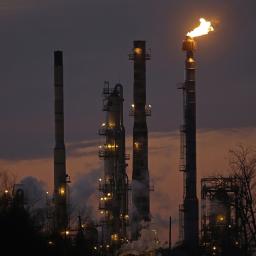
It may be time for oil and gas firms to take a hard look at their compensation practices, whether to save the environment or themselvesAnyone who watched the shenanigans on Wall Street in the years leading up to the 2008 financial crisis couldn’t have been left with much doubt: poorly designed compensation policies that encouraged greed and discouraged fear were partly responsible for the near-collapse of the entire financial system.Can similar compensation policies in the oil and gas sector be held responsible for climate change? It’s a provocative question, especially as Barack Obama wraps up his three-day trip to Alaska. Continue reading...
|
 |
by Agence France-Presse on (#KA6T)
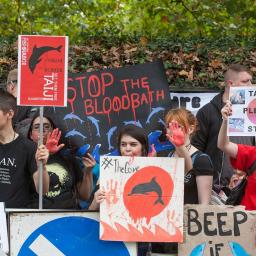
Controversial six-month hunting season begins in Taiji with a minke whale hunt due to start at the weekendA small Japanese town kicked off its controversial dolphin hunt on Thursday after bad weather delayed the start, according to a local fisheries official, while a separate whaling hunt was due to start at the weekend.
|
 |
by John Vidal on (#KA6B)
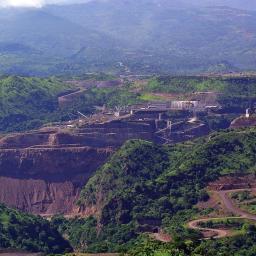
Lives of semi-nomadic tribespeople being irreversibly changed by relocation into poorly planned settlements to make way for sugar plantation, says released reportA controversial World Bank-funded scheme to dam a major Ethiopian river and import up to 500,000 people to work in what is planned to be one of the world’s largest sugar plantations has led to tens of thousands of Africa’s most remote and vulnerable people being insensitively resettled.According to reports, released this week, by two teams of British, American and EU diplomats who visited the resettlement areas in the Lower Omo Valley in southern Ethiopia last year, the lives of 20,000 Mursi, Bodi and other semi-nomadic tribespeople are being “fundamentally and irreversibly†changed by the mega-project. Continue reading...
|
 |
by Guardian Staff on (#KA5F)
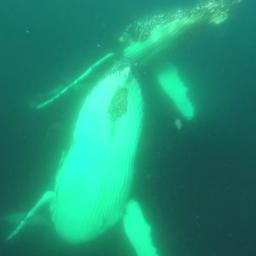
Two humpback whales enjoy the warmer waters off the Gold Coast in Queensland. The vision was captured by whale-watching tourism company Whales in Paradise during a tour of the Surfers Paradise coast on Wednesday. More whales are likely to be sighted off the Gold Coast over the next few weeks as the whales migrate from Antarctica to warmer waters Continue reading...
|
 |
by James Walsh on (#KA4N)
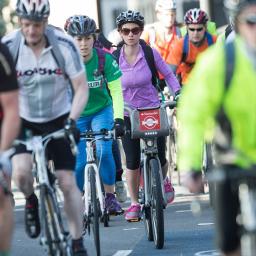
Britain’s national cycle to work day is upon us once again. Whether leafy or urban, we want to hear all about your trip in to the officeKids are heading back to school, and workplaces are full of people with new haircuts and slightly more enthusiastic attitudes. It can only be the start of September, which means it’s the annual cycle to work day.The national event is backed by many excellent cycle advocacy groups, including British Cycling, Sustrans, the London Cycling Campaign, Cyclescheme, the Bicycle Association, and CTC. The aim is to get people to cycle to work for at least one day, and hopefully encourage people who have forgotten how brilliant cycling is to get out of their cars, buses and monorails and get back on two wheels. Their stated aim is to see a million regular bike commuters by 2021. Continue reading...
|
 |
by Australian Associated Press on (#KA48)
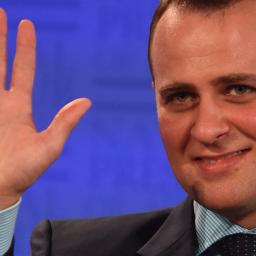
Organisation’s former policy director Tim Wilson – now Australia’s human rights commissioner – praised over efforts to counter ‘misinformation’ peddled by carbon tax advocatesThe Institute of Public Affairs is in the running to win an international prize for its role in repealing the carbon tax.The rightwing thinktank is a finalist for the $US100,000 (A$142,000) Templeton Freedom award, granted by American non-profit organisation the Atlas Network. Continue reading...
|
 |
by Gill Lewis on (#K9XN)
Vet turned bestselling children’s author Gill Lewis reveals how our mobile phones connect all of us to the fate of the gorilla - and how the discovery inspired her novel, Gorilla DawnFinding a voice to tell a story is probably the hardest part of writing a novel. The ideas are there, the vague outline of a plot is forming, but until that voice emerges and demands their story to be told, the research and information gathered become disconnected facts. The character must become the glue to bind them all together.
|
 |
by Rory Carroll in Los Angeles and agencies on (#K9KA)
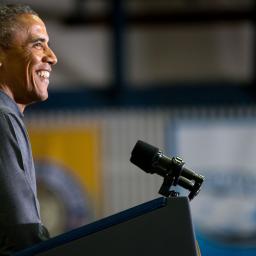
The US president says climate change is threatening remote Kotzebue’s way of life and vowed to help Alaska cut its fossil fuel useBarack Obama concluded his Alaska trip on Wednesday by visiting a struggling community in the Arctic circle and calling its plight a wake-up call on global warming.
|
 |
by Joshua Robertson on (#K95V)
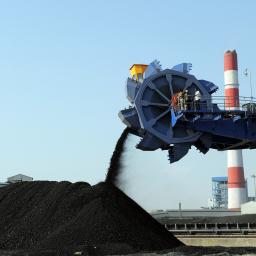
Australia’s biggest proposed coal project loses 4m tonne deal with one of its two big customers as the country’s fourth-largest bank publicly distances itselfThe National Australia Bank has ruled out funding Adani’s Carmichael mine, as the country’s biggest proposed coal project also lost a key customer in Korean electronics giant LG.NAB, Australia’s fourth largest bank, had “no plans to be involved in any financing†of the controversial project, the Australian Financial Review reported. Sources said the bank would not buy in even if approached by Adani, the report said. Continue reading...
|
 |
by Australian Associated Press on (#K951)
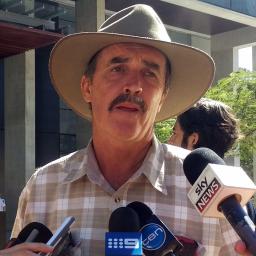
Steve Marsh ordered to pay $804,000 in court costs after suing his neighbour over claims he lost organic certification due to contamination from GM canolaAn organic farmer from Western Australia who took on his GM canola-cultivating neighbour on contamination claims has failed in his bid to appeal against a large legal costs bill.Related: GM crop farmer told to reveal if he was backed by Monsanto in legal battle Continue reading...
|
 |
by Guardian Staff on (#K8SB)
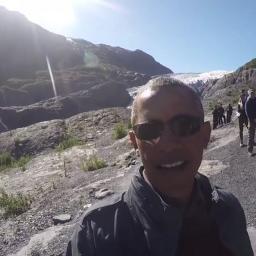
President Barack Obama uses a selfie stick to record a video advocating the need to protect Alaska from the effects of climate change, sharing a 360-degree view of a glacier at the Kenai Fjords national park Continue reading...
|
 |
by Guardian Staff on (#K8RC)
|
 |
by Anita Chabria in Sacramento on (#K8QE)
|
 |
by Reuters in Boston on (#K8G8)
Research indicates power of Oscar-nominated film that fueled rise in online searches, social media discussion, news coverage and activism, paper saysAn Oscar-nominated HBO documentary that showed American homeowners near hydraulic fracturing sites setting fire to their tap water may have been the main trigger for a surge in public opposition to the oil and gas production technique, according to a study to be published next month.Gasland, produced by the film-maker Josh Fox in 2010, sparked a rise in online searches, social media chatter, news coverage, and environmental activism surrounding fracking that may have led to a series of local attempts to ban the industry in the years that followed, according to the paper which will be published in the American Sociology Review’s October edition. Continue reading...
|
 |
by Letters on (#K7X7)
As a vice-president of the RSPB, Chris Packham (Charities silent over animal hunting and culls, says Packham, 2 September) is not well-placed to accuse other conservation and animal welfare organisations of silence on topics that might upset some of their supporters. A while ago, I was approached by an RSPB representative inviting me to join the organisation. I told him that after receiving regular mailings from the RSPB, I had written to say I would become a supporter when they tackled the elephant – or rather the domestic cat – in the room. And their letters stopped. He covered his badges with his hands, then said: “I’d shoot them all, but there’s a large element of our membership that won’t hear anything against their nice little moggies, and we can’t afford to upset them.†So there’s a shameful silence for you, Chris!
|