 |
by Suzanne Goldenberg on (#KR9C)
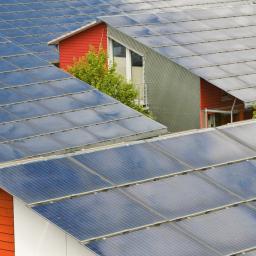
Green buildings and better infrastructure would not only spur economic growth but also cut carbon emissions equal to India’s annual output
|
| Link | http://feeds.theguardian.com/ |
| Feed | http://feeds.theguardian.com/theguardian/environment/rss |
| Updated | 2026-08-21 17:03 |
 |
by Shalailah Medhora on (#KR78)
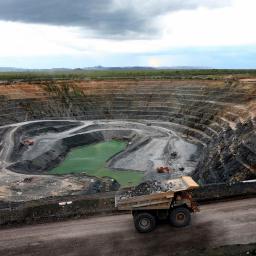
To counteract potential risks of the deal, Australia’s treaties committee recommends nuclear-armed India agree to a number of safeguardsThe government-dominated treaties committee has given a cautious green light to a proposed uranium deal with India, but only if the nuclear-armed nation agrees to a number of safeguards.India is not a signatory of the nuclear non-proliferation treaty (NPT) nor the comprehensive test ban treaty (CTBT), yet the emerging world leader is in dire need of energy. Continue reading...
|
by Oliver Milman on (#KR52)
Surfer suffers minor injuries in second NSW shark incident in a week, but marine scientists say shark-net program expansion would not improve public safetyMarine scientists have warned against an expansion of shark nets along the New South Wales coast following another incident of a surfer coming into contact with a shark.
 |
by John Vidal on (#KQ1C)
Wildlife presenter accused of pursuing ‘obsessive crusades’ and corporation of printing ‘blatant political propaganda’The Countryside Alliance has called on the BBC to sack the high-profile wildlife presenter and naturalist Chris Packham after he criticised leading conservation groups for sitting on the fence over fox hunting, badger culling and the plight of hen harriers.Tim Bonner, chief executive of the alliance, which lobbies to promote the interests of rural people and communities, said Packham was pursuing “obsessive crusades†and that the BBC was printing “blatant political propagandaâ€. Continue reading...
|
by David Hellier on (#KPVP)
Company is first council-owned energy firm to operate on that basis since market was nationalised in 1948A local council has set up a not-for-profit energy supplier that it hopes can sign up 10,000 customers a month and save them each up to £237 a year on bills.Nottingham city council said Robin Hood Energy, which employs 30 staff, was the first local authority-owned energy company run on a not-for-profit basis since the market was nationalised in 1948. Continue reading...
 |
by Fiona Harvey on (#KPP0)
Nations must make a greater effort to reach agreement or else millions face the risk of becoming climate refugees, says French presidentThe president of France, Francois Hollande, has warned that the global climate change talks scheduled for Paris this December will fail unless nations make a much greater effort to reach agreement – and that the result could be millions of new refugees fleeing climate disaster.
|
 |
by Dan Collyns, in Pucallpa, Peru on (#KPJP)
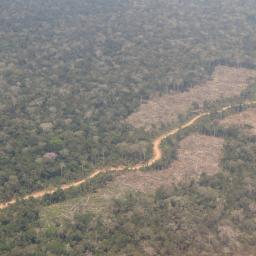
Up to 30 trucks are plying on a 32-mile purpose built road illegally carved out in the jungle in Ucayali region, smuggling out tree trunks on an industrial scaleOnly from the air is it possible to make out the scale of three illegal logging roads which have been carved into Peru’s eastern Amazon, while local authorities in the jungle Ucayali region seemingly turn a blind eye.
|
 |
by Lindsey Jones on (#KPCG)
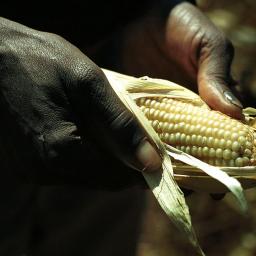
A new study challenges the traditional assumption that experts are best placed to evaluate how well people could cope with and adapt to an emergencyThe concept of “resilience†is taking development and humanitarian sectors by storm. Huge amounts of finance are being channelled into “resilience-building†activities, aimed at supporting people and communities to deal more effectively with climate extremes, financial shocks and the many other risks that threaten lives and livelihoods.Given the pressure on NGOs, governments and donors to demonstrate value for money and support the right people and activities, the race is on to find the best ways of measuring resilience. Continue reading...
|
 |
by Graham Ruddick on (#KP8D)
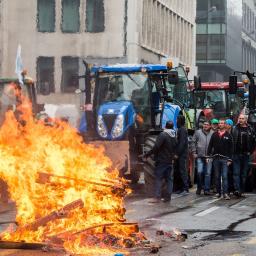
British farmers among estimated 4,000 blockading city centre as European ministers hold emergency meeting on agriculture crisisEuropean agriculture ministers have agreed a €500m (£366m) aid package at an emergency meeting in Brussels as police outside clashed with farmers protesting against falling dairy and meat prices.
|
 |
by Josephine Moulds on (#KP6B)
They are touted as a free source of clean, unlimited energy to heat your water but the first independent test suggests they are not as efficient as thoughtThermodynamic panels have been touted as “a free source of natural, clean and inexhaustible energy providing 100% of your hot water needs, 365 days of the yearâ€. For around £5,000 to buy and install, they sound too good to be true – and the first independent tests suggest they are.
|
 |
by AFP on (#KP0G)
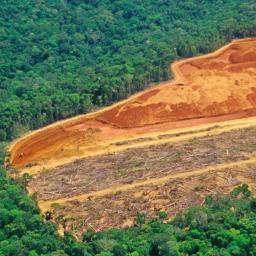
But global decline continues and woodland the size of South Africa has been lost since 1990, reports UN’s Food and Agriculture OrganisationThe rate at which the world is losing its forests has been halved, but an area of woodland the size of South Africa has still been lost since 1990, a UN report said on Monday.Improvement has been seen around the globe, even in the key tropical rainforests of South America and Africa, according to a surprisingly upbeat Forest Resources Assessment (FRA), which is released every five years. Continue reading...
|
 |
by Mark Tran on (#KN75)
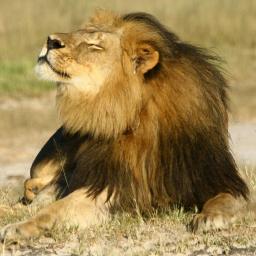
US dentist challenges stories about Zimbabwean hunt and says he was ‘heartbroken’ for staff when he had to close his clinicThe American dentist who killed Cecil the lion in Zimbabwe has expressed dismay at the furore that engulfed his family and staff and said he needed to return to work for his patients.Walter Palmer, who has kept a low profile for more than a month after becoming the target of protests and threats, is to return to his suburban Minneapolis dental practice on Tuesday. Continue reading...
|
 |
by Craig Bennett on (#KNTW)
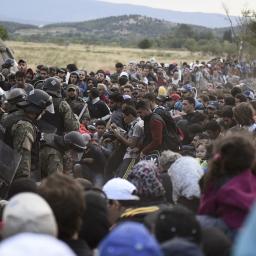
Global warming does not cause the conflicts that have caused mass movement of people, but it would be wrong to say it does not contributeAs I looked in on my own children sleeping safely last Thursday night before I went to bed, I did so with added poignancy as I reflected that this was something Abdullah Kurdi was not able to do. I’m sure millions of parents of young children right across Europe have felt similar emotions these last few days.We’re all human, and so it’s perhaps not surprising that it takes a single photograph and an individual’s story to shake a society, all too belatedly, into glimpsing at one horrific aspect of Europe’s refugee crisis and demanding action. Continue reading...
|
by Dana Nuccitelli on (#KNT1)
In a BBC interview, actress Emma Thompson got some climate comments wrong, but the urgency right.Actress and Greenpeace activist Emma Thompson was interviewed on BBC Newsnight about Shell’s drilling in the Arctic and associated climate change threats. In the interview, Thompson made some inaccurate statements about the timescales associated with those climate threats. However, her concerns are generally justified. Continue reading...
 |
by Carey Davies on (#KN85)
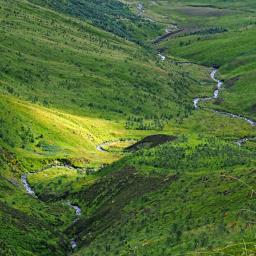
Carrifran valley, Scottish Borders There is a real sense here of what the glens, cwms and valleys of the British Isles would be like if they were let off the leashThe ground steepens into a glacier-gouged corrie, and walking into it feels like crossing an invisible threshold. A slope falls away below us, steep and unnervingly slick with rain, above which hundreds of small white butterflies flicker in a low cloud, charging the air with the same soft suspense that comes with falling snow. After this muted summer, it comes as a surprise to find so many butterflies here, gathering secretly in the upper reaches of the Carrifran valley.We wade gingerly downwards into a corrie coated with life; a montane of blaeberry and bog myrtle, harebell and hogweed, tormentil, asphodel, wild grasses and huge marshmallows of moss, all growing in amounts that feel strangely luxuriant for the altitude. Continue reading...
|
 |
by Basil de Sélincourt on (#KMM1)
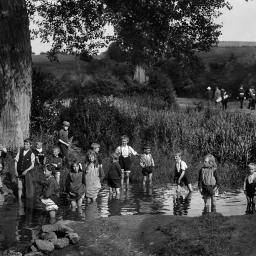
Originally published in the Manchester Guardian on 9 September 1915A curiosity of this season is the number of flies that come into the house. Flies do not seem to be conspicuously more numerous elsewhere, yet the window panes in the room where I am now writing are black with them, and there is a constant peppering against the glass from outside as though half-a-dozen pea-shooters were making a concerted attack upon me. I fancy that as the mornings and evenings grow chillier flies are more and more attracted to the warm and sunny surface of the house-walls and beat the windows in intervals between sun baths.The whole countryside seems to take the sunshine like a bath these delicious September afternoons, and here in Oxfordshire we associate the grateful autumnal heat with the sleepy sound of the slow rolling of loaded waggons along all the roads that lead into the village. Our farmhouses are mostly in the village street, with their rick-yards beside them, and the corn is brought in from the outlying fields and stacked at the homestead. This system no doubt has its conveniences, though it must delay operations immensely at a critical season. It has its merit to the outside observer in this long low rumbling which now fills all our ears - as though content and plenty had found a voice. Continue reading...
|
 |
by Associated Press in Rancho Palos Verdes, Californi on (#KKMJ)
|
 |
by Kim Willsher in Paris on (#KM1D)
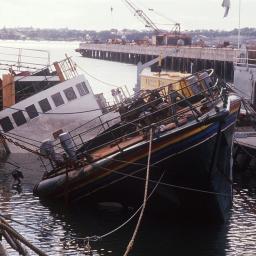
Jean-Luc Kister was one of a team which planted mines on the Rainbow Warrior in 1985, killing photographer Fernando PereiraA French secret service diver who took part in the operation to sink Greenpeace ship the Rainbow Warrior 30 years ago has spoken publicly for the first time to apologise for his actions.Jean-Luc Kister, who attached a mine to the ship’s hull, says the guilt of the bombing, which killed a photographer, still weighs heavily on his mind. Continue reading...
|
 |
by Martin Pengelly in New York on (#KKRZ)
|
 |
by Graham Ruddick on (#KKHS)
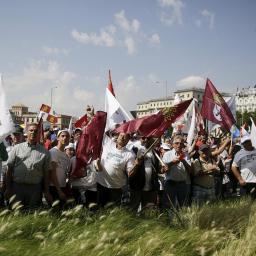
Environment secretary Elizabeth Truss to push for the creation of a new futures and insurance market in dairy products at EU farming ministers’ summitThousands of farmers will descend on Brussels on Monday to protest about falling dairy and meat prices as European ministers hold an emergency meeting to discuss the crisis in the agriculture industry.An estimated 4,000 farmers, including some from Britain, plan to march through the centre of Brussels on Monday to highlight the pressure they are under from falling prices. Continue reading...
|
 |
by Chris Stellar in Bloomington, Minnesota on (#KKDM)
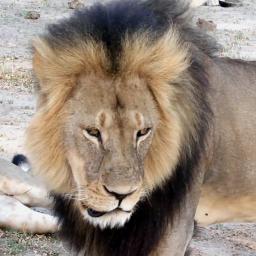
Scene outside dentist Walter Palmer’s workplace is in marked contrast to that of late July, but demonstrations are planned for Boston, Washington, and Las Vegas
|
 |
by Terry Macalister Energy editor on (#KKBZ)
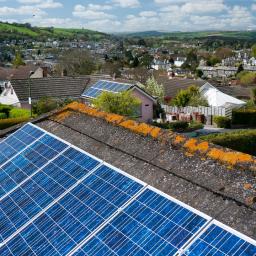
Electronics giant calls on ministers to think again about impact of reducing funding for homeowners who want to install panelsPanasonic, one of the world’s largest electronics companies, has urged the UK government to think again about its plans to cut subsidies for homeowners who install solar panels.The Japanese company, which is a major supplier of solar panels in Britain, said it normally tried to avoid intervening in political decisions but could not stand by and watch the industry being attacked. Continue reading...
|
 |
by David Smith Kinigi on (#KK78)
Annual naming event fetes a conservation success story and burnishes the reputation of the country’s president Paul KagameIt was a scene reminiscent of Planet of the Apes or 2001: A Space Odyssey. Two dozen performers wearing hairy gorilla suits, complete with masks and rubber boots, scampered along a bamboo bridge, beat their chests and cavorted in a field at the foot of a volcano.The occasion was Rwanda’s annual naming ceremony for mountain gorillas. Since the 24 babies born in nearby wild habitat over the past year had failed to RSVP, a group of parents and children in costumes gamely played their parts instead, grunting and rolling in the grass to the delight of thousands of villagers, diplomats and president Paul Kagame. Continue reading...
|
 |
by Oliver Milman on (#KJV2)
Green groups criticise ‘ludicrous’ Minerals Council of Australia ad which claims coal creates ‘light and jobs’ and ‘can now reduce its emissions by up to 40%’Australia’s mining industry has launched a new ode to coal in the form of a major advertising campaign that hails the mineral’s ability to “create light and jobsâ€, as well as claiming that new technology will drastically slash its emissions.
|
 |
by Australian Associated Press on (#KJDX)
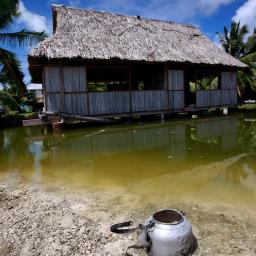
Australia and New Zealand likely to face strong criticism at Pacific Islands Forum as leaders fear global warming will risk the survival of many tiny islandsAustralia and New Zealand are expected to face strong criticism from Pacific Island leaders disappointed the nations are not doing more to combat climate change.The issue will likely dominate this week’s Pacific Islands Forum leaders summit in Port Moresby, ahead of the United Nations climate change conference in Paris later in the year. Continue reading...
|
 |
by Jamie Doward on (#KJ9H)
Traditional sport is under threat say owners as they back raptor cullFeathers are flying in the bird world. Potential changes to the law, following a campaign by pigeon fanciers to reduce attacks on their pets by raptors, have met with opposition from the RSPB.The Raptor Alliance, a body representing many of the UK’s 42,000 pigeon owners, is writing to MPs warning that an “iconic traditional British sport†is under threat as a result of an increasing number of attacks on their birds. Continue reading...
|
 |
by Guardian Staff on (#KJ9K)
It’s one set of principles for fracking and another for renewablesHuw Rowlands (Letters) goes too far when he says: “Anyone who has researched the fracking industry is against it.â€His assertion ignores a large body of research into fracking that has been and continues to be undertaken by the geological community, including the Earth sciences departments of several of our finest universities. If Mr Rowlands were to discuss the matter with a cross-section of the geophysicists, hydrologists and environmental scientists who work on this subject he would find a wide range of opinions. Continue reading...
|
 |
by Jules Howard on (#KH31)
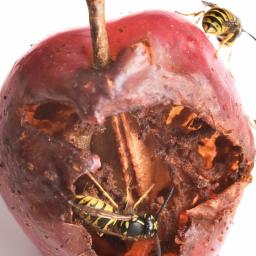
You might expect me to hate wasps after this experience in the woods but, against all the odds, I find that I am becoming their staunchest defender
|
 |
by Simon Birch on (#KGEM)
As Community Energy Fortnight beings, investors can check out the renewable schemes offering returns of up to 13%Richard Body is an energy pioneer. The IT consultant is a director of the Torrs Hydro scheme in New Mills, Derbyshire, which was one of the first community-owned hydroelectric schemes to launch in the UK.Sited on the river Goyt, where it tumbles out of the Peak District, the scheme produces enough electricity to power 60 homes. “There was power in the river that nobody was tapping into – in effect it was free money,†Body explains, who was awarded an MBE in 2013 for services to the hydroelectric industry. “Our aim was that by generating electricity, we could also generate a revenue stream for the local community.†Continue reading...
|
 |
by Associated Press in Naraha on (#KGC3)
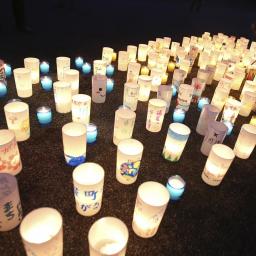
The town’s 7,400 residents are allowed to return to their homes after the four-year-old evacuation order was lifted on SaturdayRelated: Japan restarts first nuclear reactor since Fukushima disasterThe Japanese town of Naraha has lifted a 2011 evacuation order that sent all its 7,400 residents away after the nearby Fukushima nuclear plant was crippled by a tsunami that led to a meltdown and contamination. Continue reading...
|
 |
by Janaki Lenin on (#KGBP)
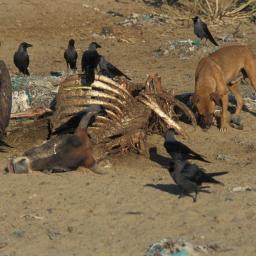
Almost a decade after banning the veterinary drug diclofenac, the Indian government has banned large vials of the drug meant for human useThe government of India’s Ministry of Health and Family Welfare finally issued a directive banning multi-dose vials of the non-steroidal pain-killer diclofenac in the last week of August.
|
 |
by Jim Perrin on (#KGA9)
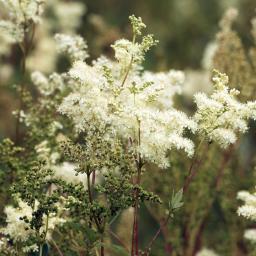
Pumsaint, Carmarthenshire Thunderous and dark, it’s one of those places where the forces of landscape are gathered into fearsome expressionThe lane from Ffarmers descends to the afon Cothi and turns sharply north-east towards Rhandirmwyn. Every verge, every marshy field corner hereabouts billows with creamy blossom of meadowsweet (Filipendula ulmaria). The air is heavy with its honeyed astringency – the defining smell of summer and Wales, lingering into autumn, carrying a powerful synaesthetic charge.Salicylic acid was first identified from meadowsweet root, and synthesised as aspirin in 1897. Far back beyond that date, the plant’s alternative name – meadwort – suggests its old usage. Traces of it have been found at beaker burials, in bronze age tombs. Continue reading...
|
 |
by Anita Chabria in Sacramento on (#KG98)
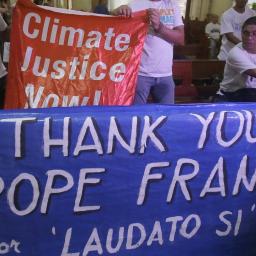
Taking a cue from pope’s call to action, bishops ask wary legislators to say yes to proposed legislation that would reduce emissions and residents’ energy useCiting Pope Francis’s recent encyclical on the environment, leaders of the Catholic church in California spoke out this week to encourage wavering lawmakers to vote in favor of proposed sweeping climate change legislation that is struggling for passage in the final days of this session of the California legislature.Speaking about SB 350, a bill that would reduce petroleum emissions by 50% in coming years along with restrictions on other kinds of energy use, Bishop Jaime Soto of the Sacramento diocese urged tentative lawmakers “to really think about the future of California and the future of Californians and what is the legacy we want to leave them. Continue reading...
|
 |
by Suzanne Goldenberg on (#KF16)
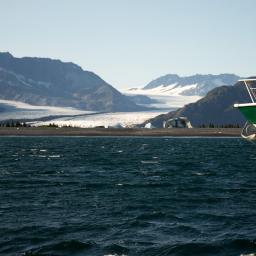
‘I think we should all be concerned’ says special representative for the region Robert Papp amid fears that warming effects will lead to scramble for resourcesClimate change is exerting “really scary†impacts on the Arctic with far-reaching consequences for the rest of the world, Barack Obama’s envoy for the region said on Friday.
|
 |
by Martin Lukacs on (#KEZH)
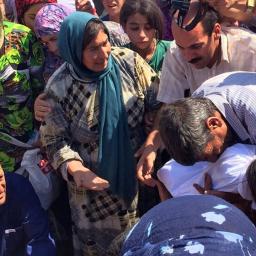
The Conservative government’s fortress-style border policies at home and its wars abroad are a lethal contribution to a global refugee crisisUndeserving people exploiting the generosity of a benevolent government. Cheating an application process. Taking advantage of welfare. Stealing our jobs. That is the image of “bogus refugees†that Canada’s Conservative government has spent years carefully cultivating. But a single photo of a drowned child has shattered all the stories meant to harden Canadians. 3-year old Alan Kurdi’s fate off Turkey’s shore has seared the reality of a refugee crisis into our consciousness and left Canadians stunned about our complicity in the death of a child.Those now putting Canada’s refugee policies under scrutiny will realize that this much else is clear: the Harper government has more than one refugee’s death on its hands. It is not simply that Alan Kurdi’s family’s attempt to reach Canada was dismissed by the government. Nor that Canada’s Immigration Minister ignored a hand-delivered plea. Under the Harper government’s overhaul of the immigration and refugee system, those fleeing war, poverty or persecution arrive not to a haven but a hazard. Never has this country been more unkind and unwelcoming. Continue reading...
|
 |
by Damian Carrington on (#KEYH)
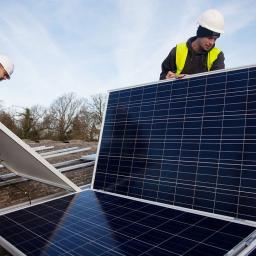
Solar trade body chief claims energy secretary Amber Rudd told him the impact on jobs was not part of the consultationThe potential loss of thousands of jobs will not be a factor when the government decides whether to implement its proposed heavy cuts to solar power subsidies, according to the chairman of a solar trade body who met energy secretary Amber Rudd on Wednesday.By contrast, recent government announcements on North Sea gas field development and the fast-tracking of shale gas exploration have highlighted the potential jobs created. Continue reading...
|
 |
by Guardian Staff on (#KEQT)
Fishing leopards of Botswana, brown bears of Belarus and wildbeests of Masai Mara are among this week’s pick of images from the natural world Continue reading...
|
 |
by Fiona Harvey, environment correspondent on (#KENH)
Act now to remove roadblocks and lay the groundwork for Paris climate deal, say experts including Kofi Anan as Bonn talks stumbleWorld leaders must step into the ongoing UN climate change negotiations, to remove roadblocks and ensure their negotiating teams can lay the groundwork for an agreement at landmark talk in December, an influential group of former leaders has urged.
|
 |
by Press Association on (#KEFD)
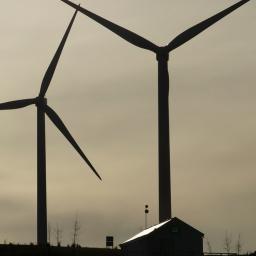
Tory supporters more in favour of wind than shale, despite Conservatives moving to curb onshore windfarms and encourage fracking for shale gasPeople would much rather have wind turbines near their house than fracking wells, a survey suggests.
|
by Julian Sayarer on (#KEB1)
Like 150 other cyclists I rode from London because I hoped it would make someone’s life a little easier and to offer a small gesture that there are people who careCritical Mass is not a conventionally political movement. In cities around the world, the monthly bicycle event sees cyclists – from London to New York and Sydney – convene in a regular place, on the last Friday of the month, and ride the streets of their city in the safety and camaraderie of a group.With its mildly anarchic origins in the idea that cities should be designed around human beings rather than motor vehicles, and that those human beings have a right to free movement on the roads of their cities, perhaps I should not have been so surprised to learn London’s August ride would see bicycles taken from the capital to Calais, where they would be donated to people at the refugee camp known as the Jungle. Continue reading...
by Karl Mathiesen on (#KE80)
Billions were pledged to help poor nations adapt to global warming but trust is eroding as countries such as the US fail to put up the cash
 |
by Damian Carrington on (#KDZJ)
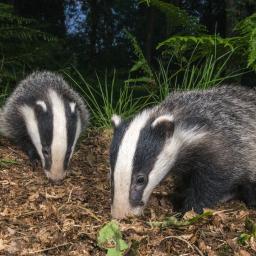
Experts say ineffective and inhumane culling could increase TB infections in cattle as setts are disrupted and badgers roam more widelyThe controversial badger cull in England is underway for the first time in Dorset and has restarted for the third year in Gloucestershire and Somerset, the government has confirmed.The cull, intended to curb tuberculosis in cattle, aims to kill 1,000-2,000 badgers over six weeks. Over 32,000 TB-infected cattle were slaughtered in 2014 and farmers welcomed the cull. Continue reading...
|
 |
by UCB Comedy on (#KDXY)
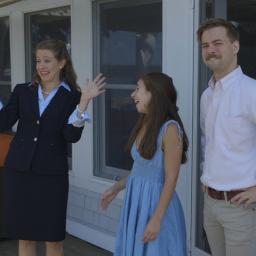
Looking for a beachfront home with a beautiful deck boasting killer ocean views? Why not check out this dream property in the Hamptons. Just ignore the rising tides, the increasingly severe hurricanes and the swallowing up of the east coast by the Atlantic Ocean. You’d be out of your mind to overlook this steal! Continue reading...
|
by Susan Vickers on (#KDYA)
Last week, dozens of businesses wrote letters to California lawmakers to urge passage of bills that would regulate emissions. Susan Vickers of Dignity Health explainz why her company was one of them
by John Vidal on (#KDSE)
New Euro 6 standards will eliminate exhaust pollutants, says industry facing criticism over ‘major cancer risk’ from diesel fumesMeeting strict new EU pollution standards has added £1,500 to the cost of every new vehicle, say carmakers who claim that because of European legislation to cut tailpipe pollution, Britain’s air quality is better now than it has been for centuries.“New European emission limits, which apply to all new cars sold from this week, have the potential to all but eliminate exhaust pollutants that impact air quality,†said Mike Hawes, chief executive of the Society of Motor Manufacturers and Traders (SMMT). Continue reading...
by Oliver Balch on (#KDRF)
New poll reveals most business leaders are failing to get to grips with long-term implications of global warmingFewer than half (46%) of the chief executives of the world’s largest companies say a binding agreement on climate change at the UN’s climate summit in Paris will push them to prioritise the issue, according to new research by PwC. Continue reading...
by Lewis Smith on (#KD5R)
Ancient eel-like fish is reclaiming its former river strongholds as water quailty improvesAn ancient fish blamed for the death of a king and served as a traditional royal dish is returning to parts of Britain where it has been absent for 200 years.Lampreys, a Medieval delicacy and eaten in a scene of Games of Thrones, evolved almost 200m years before the dinosaurs but industrial pollution drove them out of many of Britain’s rivers. Continue reading...
 |
by Miles Brignall on (#KD50)
Mark Boyle chose to go without money for three years. Now he has begun a community smallholding that is as cash-free as possible – and is opening the world’s first free pubMark Boyle proved how, in a world dominated by money, he could live in Britain surviving entirely without cash – by bartering, swapping and connecting with local communities. And after three years, what was his first cash purchase? A £4 pair of trainers from a charity shop.“It was such a weird moment. Living without money had eventually become completely normal for me, and there I was standing in a charity shop handing over a piece of paper and walking out with this really useful pair of runners. It felt as strange as giving it up in the first place had,†he says. Continue reading...
|
 |
by Joshua Robertson on (#KD54)
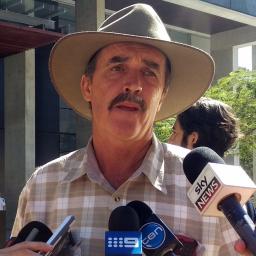
A conservationist case against the coalmine was dismissed in the supreme court on Friday on the grounds blocking it would have no effect on carbon emissions
|
 |
by Steven Morris on (#KD1W)
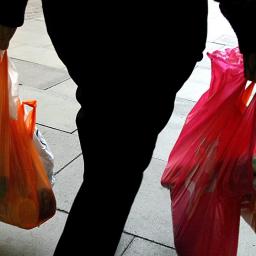
Almost three-quarters of consumers say they support the 5p charge that has raised millions for charities, report saysThe number of single-use plastic bags has declined by more than 70% since charges were introduced in Wales, a report reveals on Friday, weeks before a similar scheme is launched in England.According to the report, which was commissioned by the Labour-led Welsh government, almost three-quarters of consumers say they are supportive of a charge. Continue reading...
|