 |
by Press Association on (#801N)
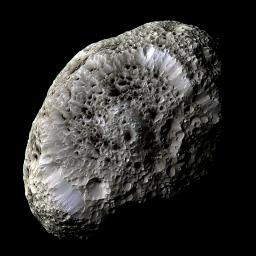
Nasa’s Cassini spacecraft snaps detailed image of crater-filled moon, which looks like a dodgy crumpet but is largely composed of water ice and rock Continue reading...
|
| Link | http://feeds.theguardian.com/ |
| Feed | http://feeds.theguardian.com/theguardian/science/rss |
| Updated | 2026-10-01 05:30 |
 |
by Martin Ince on (#7ZXY)
The Association of British Science Writers is seeking bids for its first Investigative Science Journalism FellowshipSome of the world’s most significant news strands, from climate change to Ebola, are about science. So are many of its most fascinating stories, about landing a space probe on a comet or uncovering the origins of the human race. At the same time, it is impossible to understand the bulk gathering of electronic intelligence, or the Nepalese earthquake, without some awareness of the science and technology that underlie them.Because Britain is home to many fine science journalists, these stories are often told very well in the UK media. But there is a problem, revealed most clearly in the entries for the Association of British Science Writers’ (ABSW) annual awards. Continue reading...
|
 |
by Ambarish Mitra on (#7ZR6)
Visual browsing must sit at the heart of future internet discovery, bringing contextual life to the world around us Continue reading...
|
 |
by James Wilsdon, Rob Doubleday and James Hynard on (#7ZPF)
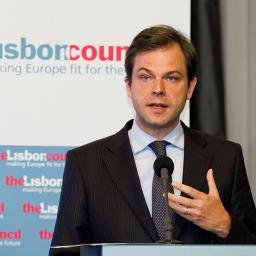
After the controversy over its chief scientific adviser, the European Commission now has an opportunity to put in place a world-class, open and accountable science advisory system. Continue reading...
|
by Athene Donald on (#7ZAX)
The run-up to the general election has seen campaigns such as Science Matters attempting to put science firmly on the election agenda. But is anyone listening? Continue reading...
 |
by Guardian Staff on (#7Z5M)
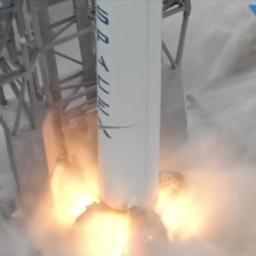
A unmanned SpaceX rocket blasted off from Florida on Monday to put a communications satellite into orbit for Turkmenistan, a first for the central Asian nation. Once in orbit, the 4,500-kg (five-ton) satellite will relay television broadcasts and other services to more than 1.2bn people in central Asia, Europe, the Middle East and north Africa Continue reading...
|
by Alex Frankel on (#7YYP)
After years running focus groups I’ve learned one thing: technical terms like ‘carbon’ and ‘emissions’ can never win against a simple story about tax Continue reading...
 |
by Panos Athanasopoulos for the Conversation on (#7XEH)
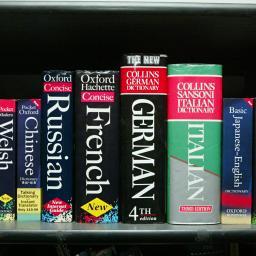
New research says that a German speaker and an English speaker perceive the world in different ways – thanks to the grammatical toolkit they’re using Continue reading...
|
by Ian Sample, science editor on (#7Y2B)
Chilesaurus diegosuarezi was related to Tyrannosaurus rex, but was vegetarian and has other curious featuresFossil hunters in Chile have unearthed the remains of a bizarre Jurassic dinosaur that combined a curious mixture of features from different prehistoric animals.The evolutionary muddle of a beast grew to the size of a small horse and was the most abundant animal to be found 145 million years ago, in what is now the Aysén region of Patagonia.
 |
by Eric Niiler for the Washington Post on (#7Z5S)
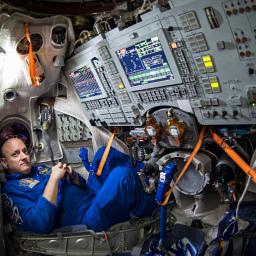
Researchers are studying the feasibility of astronauts mimicking animals to sleep their way to Mars Continue reading...
|
by Bob Ward on (#7XKJ)
Why does the Global Warming Policy Foundation claim to undertake a ‘major inquiry into the integrity of the official global surface temperature records’ on data by meteorological organisations?
 |
by Richard P Grant Sharon Darwish on (#7XHS)
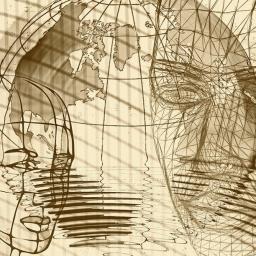
Researchers at UCL have discovered what happens in our brains when we start connecting the dots Continue reading...
|
 |
by Julie Bindel on (#7XGS)
The scent of perfume, flowers and smoke: all that was lost on me. What a relief to finally wake up and smell the coffee Continue reading...
|
 |
by Guardian Staff on (#7XFC)
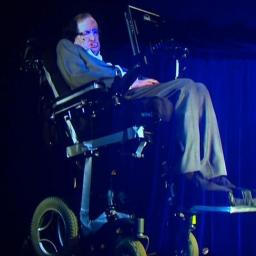
Stephen Hawking tells One Direction fans to pay close attention to theoretical physics. He says it may prove there is an alternative universe in which Zayn Malik is still in the band. The physicist and cosmologist appeared in holographic form at the Sydney Opera House on Saturday, streamed in from Cambridge University Continue reading...
|
 |
by Dave Bry on (#7XEK)
Companies now use ‘voice analysis’ software to determine whether to hire us. And, once we’re employed, to predict if we’ll stay
|
by Monica Tan on (#7X03)
Holographic Hawking suggests theoretical physics might come to the aid of the band’s fans who long to have the singer still in its lineupStephen Hawking has told One Direction fans to pay close attention to theoretical physics because it might come up with proof of an alternative universe in which Zayn Malik is still in the band.The physicist and cosmologist appeared in holographic form at the Sydney Opera House on Saturday, streamed in from Cambridge University in the UK.
 |
by Filippa Lentzos, Koos van der Bruggen and Kathryn on (#7WF4)
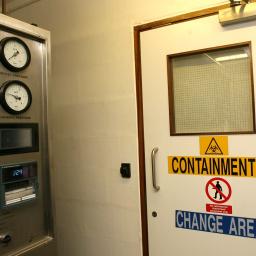
New biological techniques create the potential for catastrophe. The self-control of scientists is not enough to protect us, or to secure public trust. National governments must step in. Filippa Lentzos, Koos van der Bruggen and Kathryn Nixdorff argue that the US should lead the way. Continue reading...
|
 |
by Editorial on (#7WZK)
It is not enough to make vaguely encouraging noises: all the parties need a deeper commitment to the value, and values, of science Continue reading...
|
 |
by Press Association on (#7VZ3)
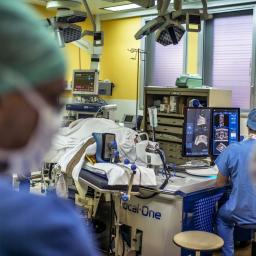
Treatment using permanently implanted radioactive ‘seeds’ doubles rates of five-year tumour-free survival compared with conventional high-dose radiotherapyA prostate cancer treatment using permanently implanted radioactive “seeds†doubles rates of five-year tumour-free survival compared with conventional high-dose radiotherapy, a study has found.Low-dose-rate prostate brachytherapy (LDR-PB) involves the insertion of tiny radioactive implants into the prostate gland. Continue reading...
|
 |
by Kim Willsher in Paris on (#7VHM)
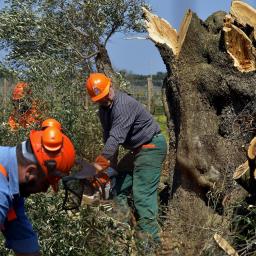
Xylella fastidiosa, a bacterium that kills a wide range of fruiting trees and has wiped out Italian plantations, has been identified in Paris Continue reading...
|
 |
by Beth Shapiro on (#7V4H)
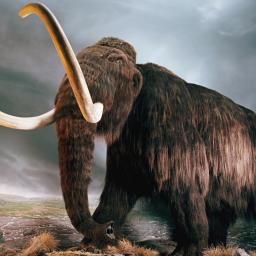
A team from Harvard made headlines by announcing it had put mammoth DNA into elephant cells. But should we ‘de-extinctify’ the beasts and return them to their old stamping grounds?Extinction, it seems, may no longer be for ever. Several weeks ago, scientists in George Church’s lab at Harvard University announced that they had created living elephant cells that contained a small component of synthesised mammoth DNA. The announcement stirred both excitement and concern that the mammoth – a hairier cousin of the Asian elephant – might soon be back from the dead. But how close are we really to seeing resurrected mammoths wandering their old stamping grounds, including the Norfolk countryside? The answer depends on how you define mammoth.Let’s begin by laying out what resources we have today. First, scientists who study the genetics of extinct species have recently decoded most of the mammoth’s genome sequence, which means we have a pretty good genetic blueprint for making a mammoth. Second, by comparing the mammoth genome sequence to the elephant’s, we are beginning to understand how, at the level of their DNA, mammoths and Asian elephants differed. This tells us what parts of the elephant genome we will need to change in order to make a mammoth. Third, recent advances in genome engineering technologies provide a powerful toolkit for editing genomes, including cutting out and replacing specific genes. And fourth, the work at Harvard has proved that these tools can be used to insert mammoth DNA into an elephant cell. Resurrected mammoths no longer seem the stuff of fantasy.Related: Hopes raised for new genetic therapy to prevent inherited diseases Continue reading...
|
 |
by Robin McKie Science Editor on (#7TJ4)
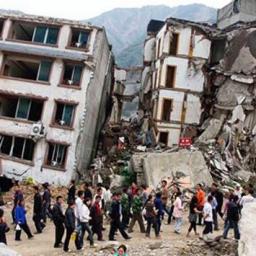
At 7.8 on the Richter scale, this was a powerful quake – and its source was only 11km below ground Continue reading...
|
 |
by Bridie Jabour on (#7TWB)
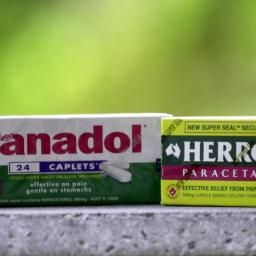
Pharmaceutical Benefits Scheme review told stripping out paracetamol, aspirin and antacids would save budget millions Continue reading...
|
 |
by Robin McKie on (#7SWX)
Research hints that disease is caused by toxins, whose spread to the brain could be blocked Continue reading...
|
by Melissa Davey on (#7S18)
Peter Doherty, Nobel laureate of medicine, says a clear message has emerged at an international symposium of experts in climate, economics and business Continue reading...
 |
by Alan Yuhas in New York on (#7RXC)
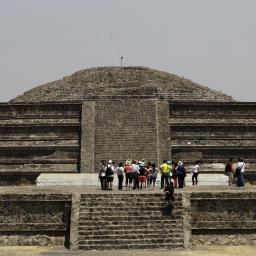
Researcher reports ‘large quantities’ of the substance under ruins of Teotihuacan in discovery that could shed light on city’s mysterious leaders Continue reading...
|
 |
by Sarah Boseley Health editor on (#7RJ5)
News comes just days after ‘slimming pill’ kills Eloise Parry, who had been seeking medical help to stop taking drug
|
 |
by Mo Costandi on (#7RFW)
New research suggests that the act of remembering causes forgetting of similar but irrelevant memories. Continue reading...
|
 |
by Open University on (#7RAG)
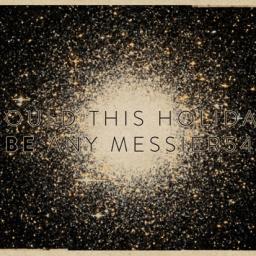
To celebrate the 25th anniversary of the Hubble telescope’s mission, the Open University has imagined six ‘Postcards from Space’, using some of the Hubble’s breathtaking imagery. Wish you were here! Continue reading...
|
by Pete Etchells on (#7R2W)
A new initiative from the team behind “I’m a scientist – get me out of here†aims to bring neuroscientists and teachers together to discuss how brain science can inform education Continue reading...
 |
by Produced by Simon Barnard and presented by Ian Sam on (#7RAJ)
The team look at what makes some people brilliant public speakers, and others lost for words Continue reading...
|
 |
by Gavin Francis on (#7QYZ)
From the eyeball to the umbilical cord, from a messy corpse to the value of ECT – doctor Gavin Francis recounts his adventures in medicine and explores the wonders of the human formBefore starting my GP clinic yesterday I glanced through the list of patients I’d see that day. Most of the names I knew relatively well: their appointments would be follow-ups on diabetes, mental health problems, heart disease, or any number of the myriad difficulties many of us struggle along with. Other names I knew less well: one turned out just to need her contraceptive pill, another had broken his wrist, yet another felt overwhelmed by a paralysing sense of despair. One of the rewards of this often difficult but fulfilling work is that when my patients take their seat in the consulting room, I never know what they are going to say. I have between 10 and 12 minutes allocated per patient, but, as for most GPs, this is never enough.The first patient was a new name new to me. With a click of the computer his records popped up on screen, and I noticed his date of birth was last week. He was just a few days old; our consultation together would become the first entry into notes that, all being well, will follow him for the next eight or nine decades. The emptiness of the screen seemed to shimmer with all the possibilities that still lie ahead of him. Continue reading...
|
 |
by Michael Bloomfield on (#7R2X)
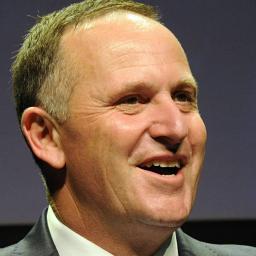
Reverting to a child-like state to escape the complexities of being an adult can be appealing, which may explain the New Zealand prime minister’s behaviour Continue reading...
|
 |
by Eric Hilaire and Tash Reith-Banks on (#7QBA)
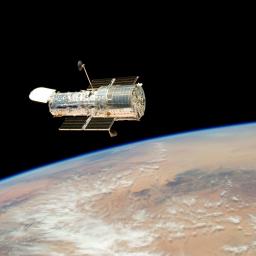
The Hubble space telescope was launched into space aboard the shuttle Discovery on the 24th of April 1990. Its 25 year mission has seen dramatic highs and lows, during which it has captured some of the most iconic images of space ever taken
|
 |
by Reuters on (#7Q1K)
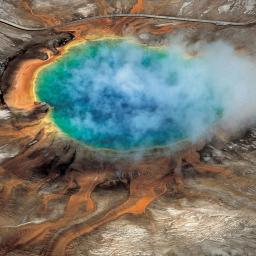
Seismic tomography provides scientists with a much bigger picture of the volcanic ‘plumbing system’ under Yellowstone national parkDeep beneath Yellowstone national park, one of the world’s most dynamic volcanic systems, lies an enormous, previously unknown reservoir of hot, partly molten rock big enough to fill up the Grand Canyon 11 times, scientists say.
|
 |
by Hannah Devlin Science correspondent on (#7PTP)
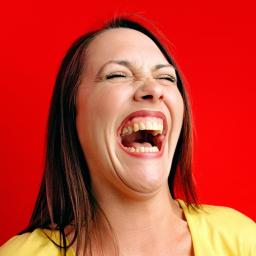
Scientists at University College London suggest comedians are better at focusing intensely on tasks and drawing on memories when constructing speech
|
 |
by Sarah Boseley Health editor on (#7PPQ)
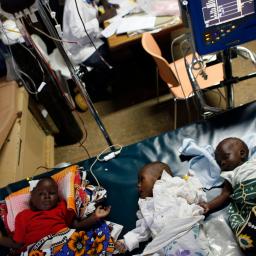
Though imperfect, vaccine ‘protected older children for four years against uncomplicated and severe malaria by a third’, says expert involved in project Continue reading...
|
 |
 |
by Guardian Staff on (#7PAZ)
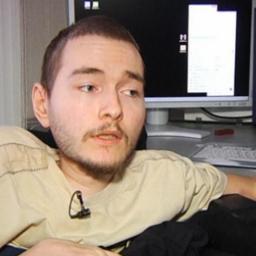
A Russian man with a rare muscle disease says he wants to become the world's first head transplant patient. Valery Spiridonov, who lives near Moscow, says his muscles are rapidly deteriorating and, at 30, he doesn't have many years left. The £10 million pound operation would transplant his head onto that of a donor using spinal cord fusion Continue reading...
|
 |
by Ian Sample, science editor on (#7P9G)
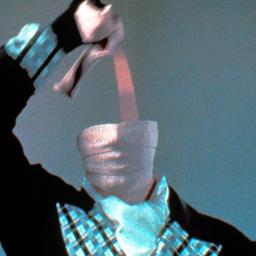
Using virtual reality, neuroscientists simulated the effects of invisibility in subjects and found it gave them confidence in front of a crowdThe possibilities open to a person rendered invisible have been well explored in the worlds of science fiction and philosophy, not to mention the minds of adolescents.
|
 |
by Ian Sample, science editor on (#7P5B)
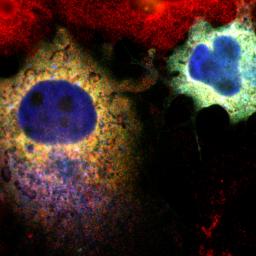
Scientists able to ‘re-write’ errors in mitochondrial DNA in mice, increasing the possibility of a similar treatment to prevent disease in humansResearchers in the US have raised hopes for a simple genetic therapy that could prevent devastating diseases being passed on from mothers to their children.A team at the Salk Institute in California demonstrated in mice that a single injection into embryos could rewrite faults in the DNA of mitochondria, the biological batteries that are needed to keep tissues healthy.
|
 |
 |
by Amy Westervelt on (#7NT1)
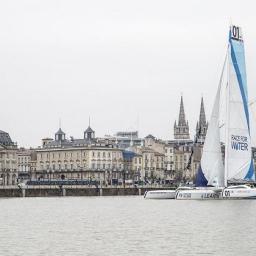
Scientists circumnavigating the globe on a spartan racing catamaran will spend the coming year deploying drones to collect better data on plastic pollution
|
by Ian Sample, science editor on (#7NP9)
New procedure used to modify disease-causing gene, but raises questions over whether restrictions should be placed on new wave of genetic techniquesScientists in China have genetically modified human embryos in a world first that has re-ignited the debate over the ethics and safety of genetic therapies that have the potential to prevent inherited diseases.The work raises fresh questions over whether restrictions should be placed on a new wave of genetic techniques that are rapidly gaining ground in labs across the world. Continue reading...
 |
by Guardian staff on (#7NGY)
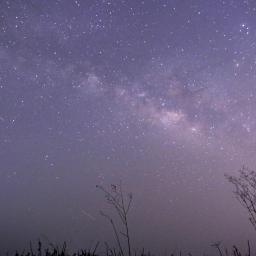
The Lyrid meteor shower happens every April, and on average 10 to 20 shooting stars can be seen an hour. Clear skies over the UK made this year’s display particularly spectacular
|
 |
by Roger Pielke Jr on (#7N8F)
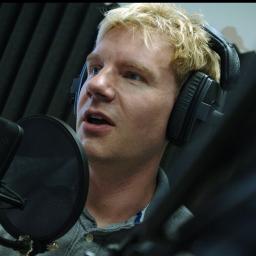
The anger surrounding the appointment of ‘Skeptical Environmentalist’ Bjorn Lomborg to a university post in Australia gives us a great opportunity to discuss academic intolerance
|
 |
by Ian Sample on (#7MRV)
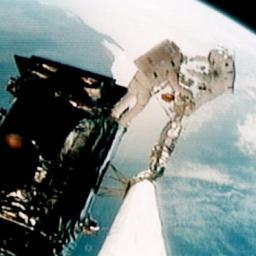
It’s 25 years since a shuttle first put the giant space telescope into orbit, but the project initially seemed doomed to fail. How did Nasa’s team turn things around, going on to capture over a million stunning images of deep space?
|
 |
by Paul Simons on (#7M19)
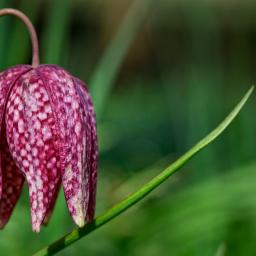
The snake’s head fritillary can be seen in breathtaking abundance at Iffley Meadows, Oxford Continue reading...
|
 |
by Guardian Staff on (#7MRX)
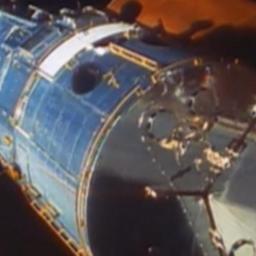
The Hubble space telescope, which has captured images of stars coalescing out of glowing clouds of dust, peered back more than 10bn years to study the early universe, pinpointed the remnants of supernovae explosions and helped physicists uncover some of the cosmos's deepest secrets, turns 25. Happy birthday Hubble Continue reading...
|
 |
by Hannah Devlin, science correspondent on (#7KRF)
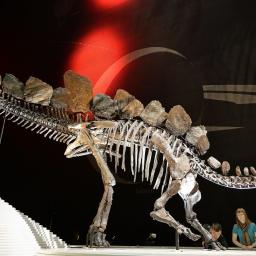
Finding is most convincing evidence so far that male and female dinosaurs looked different and may have had mating selection rituals comparable to birdsThe male Stegosaurus had billboard-like back plates that it used to attract potential mates, while females had prickly spikes that kept predators at bay, scientists have discovered. Continue reading...
|