 |
| Link | http://feeds.theguardian.com/ |
| Feed | http://feeds.theguardian.com/theguardian/science/rss |
| Updated | 2026-10-01 05:30 |
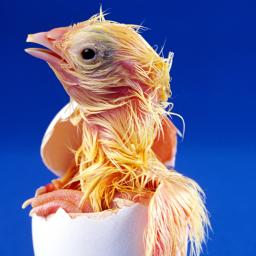 |
by Alice Roberts on (#603P)
… with the aid of a membranous bag called the allantois. And guess what? You once had one too Continue reading...
|
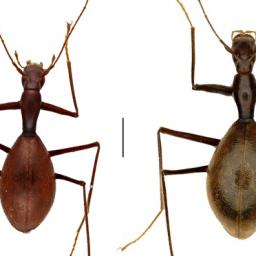 |
by Quentin Wheeler on (#603G)
The caves of southern Europe are crawling with beetles – including two new discoveries Continue reading...
|
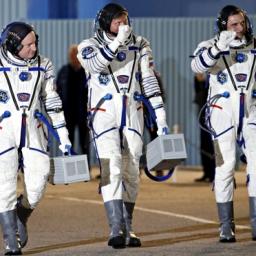 |
by Guardian Staff on (#5XW4)
A Russian Soyuz rocket blasted off from the Baikonur Cosmodrome in Kazakhstan, sending a US astronaut and two Russian cosmonauts on their way to the International Space Station, a Nasa television broadcast showed. Two of the men, Nasa astronaut Scott Kelly, 51, and cosmonaut Mikhail Kornienko, 54, will stay aboard the station for a year, twice as long as previous crews. Continue reading...
|
 |
by Alan Yuhas and agencies on (#5XMJ)
Scott Kelly and Mikhail Kornienko head to the International Space Station for year-long mission, anticipating Mars expeditions that would last two to three years Continue reading...
|
 |
by Samuel Gibbs on (#5XHR)
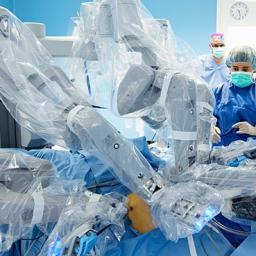
Google believes it can enhance surgeons’ tools using technologies employed in other parts of its business, including self-driving cars Continue reading...
|
 |
by Sabrina Siddiqui in New York on (#5WG4)
Candidate Ted Cruz’s comment likening climate change activists to ‘flat-Earthers’ begins election in which scientists suggest issue may receive much higher billing than before Continue reading...
|
 |
by Jon Henley on (#5XGK)
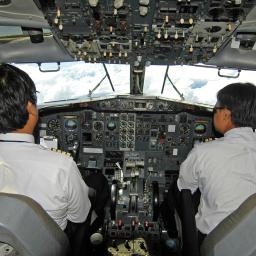
Aviation screening programmes under scrutiny after reports that Germanwings co-pilot had sicknote for day he apparently crashed plane
|
by Ian Sample, science editor on (#5XG1)
Letter to minister expresses fears that changes to the civil service code will effectively silence government scientists on important public issues Continue reading...
by Michael Bloomfield on (#5XH0)
As a qualified pilot and psychiatrist, I am certain that no prior psychological test to Andreas Lubitz would have predicted his actions Continue reading...
by Dana Nuccitelli on (#5WQJ)
Independent Press Standards Organisation lets the Mail on Sunday’s misleading and incorrect climate claims stand
 |
by Amy Coats on (#5WP3)
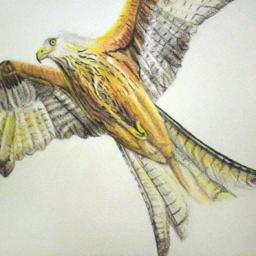
Promiscuity could put species in danger of potentially damaging genetic changes, according to new research from UCL Continue reading...
|
 |
by Tom Jackman for the Washington Post on (#5WJK)
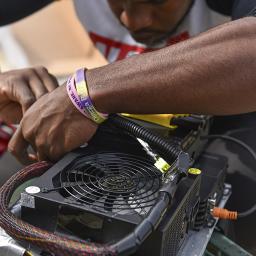
US university students discover how to use sonic waves to suppress flames, avoiding the need for toxic chemicals Continue reading...
|
by Pete Etchells on (#5WG6)
The media is today reporting that Germanwings co-pilot Andreas Lubitz may have been dealing with depression. But claiming a causal link between mental illness and the crash only serves to further stigmatise depression Continue reading...
 |
by Ian Sample on (#5WFA)
Neuroscientist David J. Linden on why touch is the sense that most defines us as humans Continue reading...
|
by James Wilsdon on (#5W5D)
Experiments in public engagement, pioneered by the Sciencewise programme, are one of the quiet success stories of UK science policy over the past decade. Continue reading...
 |
 |
 |
by Ian Sample, science editor on (#5TSG)
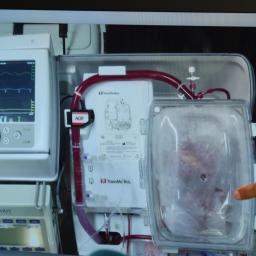
Surgeons say that new technique will allow far more donor hearts to be used and could increase transplantation by up to 25%Surgeons in Cambridge are hailing as a success the first heart transplant operation in Europe to use a non-beating heart.Medical teams at Papworth Hospital spent more than a decade working on procedures to enable the landmark operation before performing the transplant earlier this month.
|
 |
by Hannah Devlin, science correspondent on (#5TQ7)
A combination of nanotechnology and a virus found on tobacco could save huge amounts of energy in industrial processesScientists have found a way to boil water faster, although they admit the discovery is unlikely to revolutionise tea-making.The technology works by coating a heating element with a virus found on tobacco plants. The coating dramatically reduces the size and number of bubbles that form around the element as it gets warmer. Air pockets caused by bubbles temporarily insulate heating elements from the surrounding water, slowing down the transfer of heat. Continue reading...
|
 |
by James Revill and CaitrÃona McLeish on (#5TKV)
Recent proposals for biological deterrence shouldn’t spoil the 40 birthday party of the Biological and Toxin Weapons Convention. But they serve as a reminder of the need to guard against the creeping legitimization of biological weapons. Continue reading...
|
 |
by Hannah Devlin, science correspondent on (#5TJM)
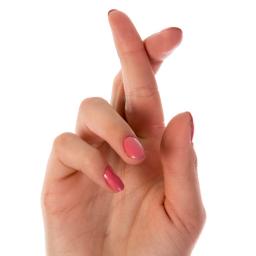
UCL scientists find that crossing the fingers can confuse the way the brain processes sensations - reducing pain in some casesNext time you hit your finger with a ill-judged strike of the hammer, cross your fingers, scientists suggest.A study has found that crossing the fingers can confuse the way the brain processes feelings of hot, cold and pain – in some cases reducing painful sensations.
|
 |
by Stephanie Kirchgaessner in Rome on (#5TB1)
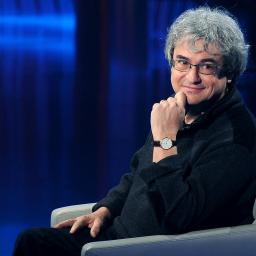
Sette Brevi Lezioni di Fisica (Seven Brief Lessons in Physics), by Carlo Rovelli, promoted alongside Fifty Shades of Grey in Italian bookstores Continue reading...
|
 |
by Jason Cole on (#5TAH)
Using 19th century physics can demonstrate that light is a form of electromagnetic wave ... or improve your Wi-Fi reception Continue reading...
|
 |
by Laura Barton on (#5T7K)
My cat got diabetes because her diet was unhealthy and I overfed her. I’ve learned my lesson Continue reading...
|
by Libby Brooks Scotland reporter on (#5T09)
Tian Tian and Yang Guang said to be ‘extremely interested in one another’ at Edinburgh zoo Continue reading...
 |
by Nicholette Zeliadt, for SFARI.org on (#5SWS)
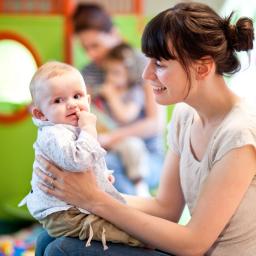
A new study tests a controversial idea: that the everyday interactions between caregiver and child can change the way autism developsThis story was originally published on 23 March on sfari.org, an editorially independent division of SimonsFoundation.orgOne afternoon in October 2012, a communication therapist from Manchester visited the home of Laura and her three children. Laura sat down at a small white table in a dimly lit room to feed her 10-month-old daughter, Bethany, while the therapist set up a video camera to record the pair’s every movement. (Names of research participants have been changed to protect privacy.) Continue reading...
|
 |
by Johnjoe McFadden on (#5SA0)
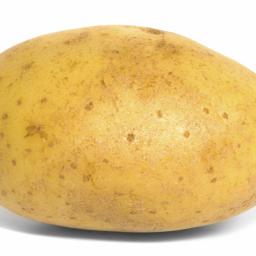
Anti-GM activists will never accept anything ‘unnatural’, but the genetically modified potato being developed in Norwich could be of tremendous benefit Continue reading...
|
 |
by Alex Spelling and Brian Balmer on (#5S92)
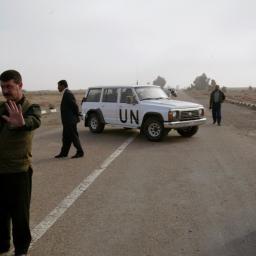
On the 40th birthday of the Biological and Toxins Weapons Convention, we look back on an important moment in the history of science, technology and arms control
|
by Karl Mathiesen on (#5S3F)
Reanalysis of a Food and Environment Agency study may provide first conclusive evidence that neonicotinoids pesticides are a key factor in bee decline, despite it originally being used to support the opposite view Continue reading...
 |
by Karl Mathiesen on (#5S0P)
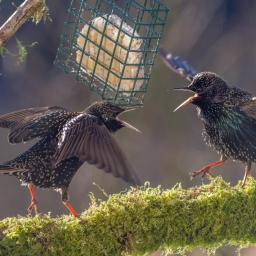
Starlings and house sparrow numbers dwindling as survey reveals long-term downward trend despite overall boost to populations due to a warm winter and bumper harvests Continue reading...
|
 |
by Associated Press on (#5RXC)
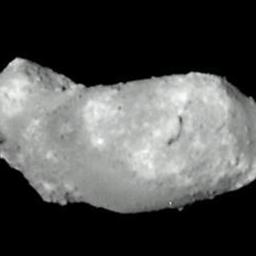
The mission in 2020 would cost more than $1.25bn and involve grabbing a boulder from an asteroid and having humans inspect it in space Continue reading...
|
 |
 |
by Ian Sample, science editor on (#5R5N)
Latest genetic tests reveal another break in the male line, potentially undermining the legitimacy of the entire House of PlantagenetWhen scientists revealed last year that an adulterous affair had apparently broken the male line in Richard III’s family tree, they vowed to investigate further.But rather than clear up the mystery, their latest genetic tests have uncovered evidence of another royal sex scandal. This time, the indiscretion could potentially undermine the legitimacy of the entire House of Plantagenet.
|
 |
by Jana Kasperkevic in New York on (#5R2E)
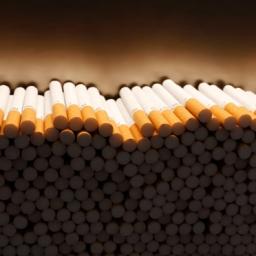
Ultrasounds show fetuses covering their face and touching their mouth more often if their mothers smoke while pregnant, medical journal study saysFetuses whose mothers smoke during the pregnancy cover their faces and touch their mouths more frequently, a pilot ultrasound study published in medical journal Acta Paediatrica revealed this week.
|
 |
by Hannah Devlin, science correspondent on (#5R3H)
Results of largest ever genetics study of a single population could also help refine dates for major events during human evolutionHumans are evolving more rapidly than previously thought, according to the largest ever genetics study of a single population.Scientists reached the conclusion after showing that almost every man alive can trace his origins to one common male ancestor who lived about 250,000 years ago. The discovery that so-called “genetic Adamâ€, lived about 100,000 years more recently than previously understood suggests that humans must have been genetically diverging at a more rapid rate than thought. Continue reading...
|
 |
by Peter Bradshaw on (#5QXP)
On screen you never see them doing the 750 daily crunches needed to get those stomachs – and that’s the dishonest part Continue reading...
|
by Hannah Devlin, science correspondent on (#5QW6)
Children of mothers prescribed macrolide antibiotics may be more likely to be affected by the conditionsScientists have raised the alert about an antibiotic routinely prescribed for chest infections, after linking it to an increased risk of epilepsy and cerebral palsy in children whose mothers took the drug during pregnancy.Children of mothers who had taken macrolide antibiotics were found to be almost twice as likely to be affected by the conditions, prompting scientists to call for a review of their use during pregnancy. The study authors urged pregnant women not to stop taking prescribed antibiotics, however. The potential adverse effects are rare and, as yet, unproven, while infections during pregnancy are a well-established cause of health problems in babies. Continue reading...
 |
by Mark Anderson on (#5QPC)
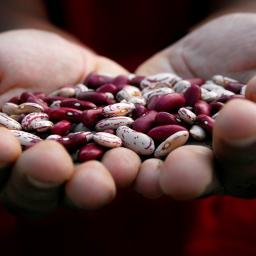
Scientists have hailed the emergence of heat-tolerant beans, but there are fears corporate interests in Africa’s seed sector will wrest control from local farmers Continue reading...
|
 |
by David Shariatmadari, Dawn Foster, Amy Liptrot and on (#5QGJ)
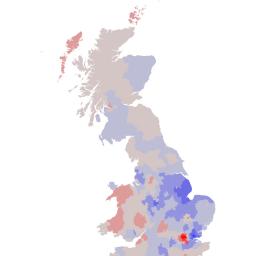
With Britain’s personality types now charted on a map, our panel of writers from Lincolnshire, Newport, Orkney and London consider whether they match up to their birthplace Continue reading...
|
 |
by Adam Vaughan on (#5PV0)
Director of the charitable trust, Jeremy Farrar, says retaining fossil fuel shares gives more influence over such companies – but they would not rule out divesting in the future, should engagement prove ineffective Continue reading...
|
by Jeremy Farrar on (#5PVA)
Despite the Guardian campaign, at Wellcome we’ve found it’s more constructive to actively engage with the companies in which we invest Continue reading...
by Shalailah Medhora on (#5PCB)
Ian Chubb releases report on economic benefit of science and maths and calls for issue such as genetically modified food to be discussed in a mature way Continue reading...
 |
by Karl Mathiesen on (#5NSM)
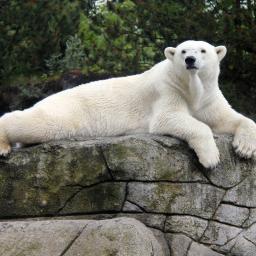
Owners of Highland Wildlife Park hope Victoria, 18, will get chummy with male Arktos during her stay in the Cairngorms
|
 |
by Ian Sample, science editor on (#5NRA)
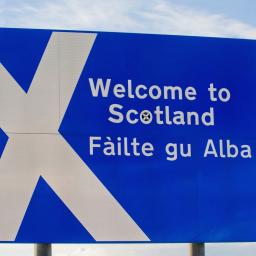
New research by Cambridge scientists analyses the way different personalities cluster across Great BritainThe finding may be no surprise to those outside the M25, but Londoners rank among the least welcoming and most lazy people in the country, according to a survey of personalities in Great Britain.
|
 |
by Ian Sample, science editor on (#5NR8)
A new survey has provided a snapshot of the country’s psychological landscape Continue reading...
|
 |
by Oliver Milman on (#5N91)
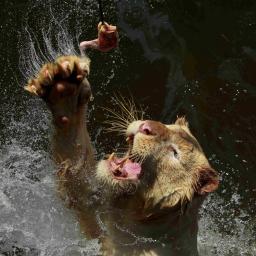
Zoos belonging to World Association of Zoos and Aquariums filmed allowing shocking mistreatment of elephants, dolphins, lions, bears, penguins and whalesDozens of examples of harrowing cruelty towards animals in zoos have been overlooked by the world’s top zoo organisation, animal welfare groups have alleged.Zoos belonging to the World Association of Zoos and Aquariums (Waza) have been filmed over the past five years making animals perform dangerous tricks, confining them to inadequate premises and beating them, contrary to Waza’s code of ethics, which demands the “highest standard of animal welfareâ€.Related: World's top zoo organisation accused of links to Taiji dolphin slaughter in Japan Continue reading...
|
 |
by Hannah Devlin on (#5N75)
Faced with unreliable screening, many women with a high lifetime risk of cancer opt for preventative surgery, just as Jolie did. But the timing can be crucialAs an A-list Hollywood film-maker, Jolie has few financial constraints on her medical care. Yet, the medical choice she was presented with and the trajectory of her treatment will be familiar to many women treated in NHS clinics. In Britain, those with at least two first-degree relatives who have had breast or ovarian cancer are eligible for genetic screening. Mutations in the BRCA1 and BRCA2 genes affect only about one in 500 women, but have a dramatic impact on the risk of developing ovarian cancer.Related: Angelina Jolie reveals she had ovaries removed after cancer scare Continue reading...
|
 |
by Mo Costandi on (#5N5S)
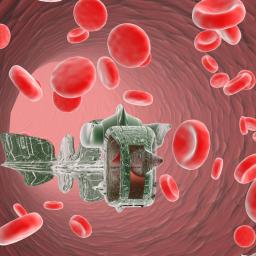
Researchers are developing new method of wireless deep brain stimulation. Continue reading...
|
 |
by Joanna Ryan on (#5N2K)
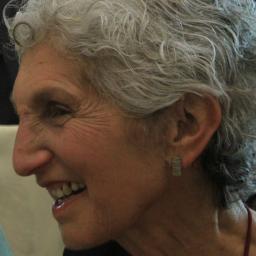
Pioneer of radical and feminist psychotherapy Continue reading...
|