by Australian Associated Press on (#6F2T)
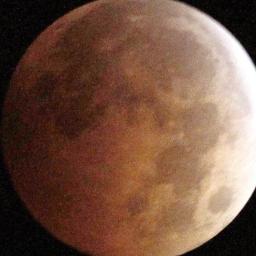
Internet helps those in cloudy areas see rare lunar eclipse that turned moon red for a few minutes on Saturday night
| Link | http://feeds.theguardian.com/ |
| Feed | http://feeds.theguardian.com/theguardian/science/rss |
| Updated | 2026-10-01 05:30 |
 |
by Neil Tweedie in Berlin on (#6E45)
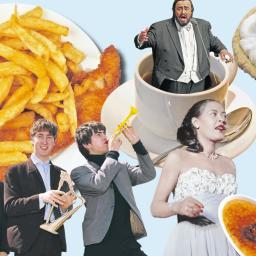
Psychologists have found that colours and certain types of music can enhance the enjoyment of wine and food Continue reading...
|
 |
by Rebekah Higgitt on (#6DAC)
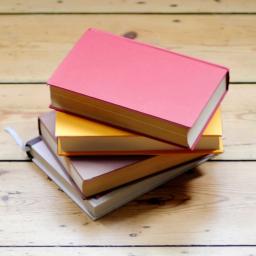
What books do you think people should read to understand science - not just its content, but also its history and place in society? Continue reading...
|
 |
by GrrlScientist on (#6D6F)
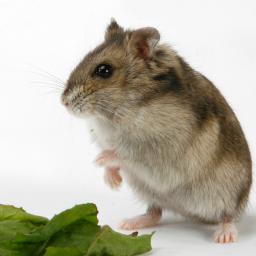
Just in time for “Caturdayâ€; we watch two dwarf hamster sisters share their Easter holiday preparations with us Continue reading...
|
 |
by Alan Yuhas in New York on (#6CA3)
|
 |
by Dr Sue Black on (#6BZA)
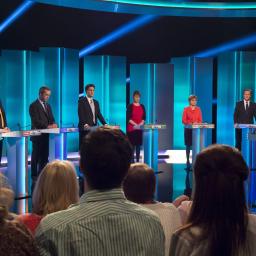
The UK could harness technology for a bright, economic future. If the leaders realised, it would breathe much-needed optimism into a stale political arena Continue reading...
|
 |
by Rebekah Higgitt on (#6B78)
The Snowden MacBook, destroyed in the basement of the Guardian, is on display at the V&A. Rebekah Higgitt asked some experts for their opinion of this unusual and provocative display of technology Continue reading...
|
 |
by Steven Weinberg on (#6BCV)
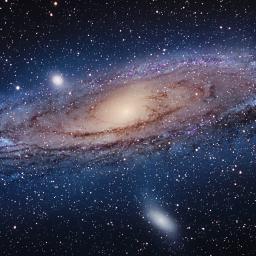
The Nobel laureate on making science accessible – from Ptolemy to Darwin to DawkinsIf you had a chance to ask Aristotle what he thought of the idea of writing about physical science for general readers, he would not have understood what you meant. All of his own writing, on physics and astronomy as well as on politics and aesthetics, was accessible to any educated Greek of his time. This is not evidence so much of Aristotle’s skills as a writer, or of the excellence of Greek education, as it is of the primitive state of Hellenic physical science, which made no effective use of mathematics. It is mathematics above all that presents an obstacle to communication between professional scientists and the general educated public. The development of pure mathematics was already well under way in Aristotle’s day, but its use in science by Plato and the Pythagoreans had been childish, and Aristotle himself had little interest in the use of mathematics in science. He perceptively concluded from the appearance of the night sky at different latitudes that the Earth is a sphere, but he did not bother to use these observations (as could have been done) to calculate the size of our planet.Philosophical Letters (1733) VoltaireThe Origin of Species (1859) Charles Darwin Continue reading...
|
 |
by Haroon Siddique on (#6AMS)
Better care has led to a fall in fatality rates even as the number of cases rose over the past decade, according to research published in Open Heart journal Continue reading...
|
 |
by Oliver Laughland in New York on (#69KB)
Lawsuit with 800 plaintiffs seeks damages for individuals, spouses and children of people deliberately infected with STDs through US government programme Continue reading...
|
 |
by Haroon Siddique on (#6A8T)
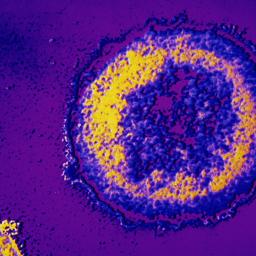
New model equates spread of worm across local networks and internet with progress of Aids virus through the body, suggesting early treatment is vital Continue reading...
|
 |
by Ian Sample, science editor on (#6A8W)
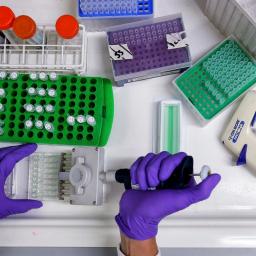
Custom-made vaccines, designed to a make patient’s immune system attack tumours, have been used in a small-scale patient trial with some successPersonalised cancer vaccines that target people’s individual tumours have shown early signs of promise in tests on three patients diagnosed with advanced skin cancer.The vaccines were designed to make the patients’ immune systems unleash attacks on specific DNA mutations in their tumours, and so turn the body’s natural defences against the disease.
|
 |
by Ian Sample, science editor on (#6A20)
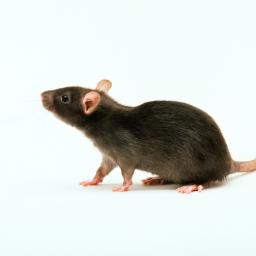
University of Tokyo team believe that similar implants may one day help blind people navigate more easilyResearchers have given blind rats a fresh sense of direction by connecting tiny digital compasses to their brains.The study by Japanese scientists shows that the animals learned quickly to use the unfamiliar signals to find their way around the world.
|
 |
by Associated Press in New York on (#69QK)
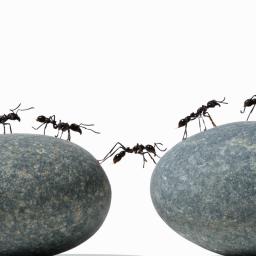
Eating human food may be an advantage to ant species found on pavements as opposed to species leaving in parks and other green spaces Continue reading...
|
 |
by Produced by Simon Barnard and presented by Ian Sam on (#69PD)
This week world powers attempted to reach a deal to prevent Iran producing nuclear weapons. What is the potential global fallout from the talks? And how do you detect secret nuclear tests? Continue reading...
|
 |
by Benjamin Lee on (#69FF)
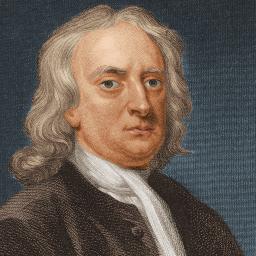
David S Goyer to produce Principia, a historical drama about Newton hunting a criminal, which takes inspiration from mathematician’s Philosophiæ Naturalis Principia Mathematica Continue reading...
|
 |
by John Gallagher on (#6A2X)
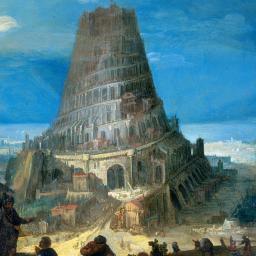
The decline of Latin and the rise of global English – science’s search for a lingua francaIf you’re a working scientist and you can’t read this sentence, you’re in trouble. English isn’t the only language of modern science, but it’s far and away the most important. “If you are interested in what it would be like to live in a world with one language of communication, a world with no Babel,†writes Michael Gordin, “you should look to the natural scientists. They come from there.†In Scientific Babel, Gordin looks beyond the dominance of English in contemporary scientific discourse to uncover a story of scientific debate that’s characterised by confusion and misapprehension as much as by collaboration and progress.Scientists have always found ways of making themselves understood to each other. After all, without a bridging of the language gap, Archimedes is just another naked Greek man shouting in his bathroom. Science, of course, has had a shared language before, at least in Europe. Latin was the main language of medieval and Renaissance scholarship, but its empire wasn’t as universal as is often made out. Historians of science and medicine have shown that much of the scientific knowledge of this period had its roots in vernacular languages. Continue reading...
|
 |
by Guardian Staff on (#6969)
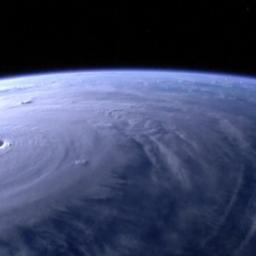
Video shot from the International Space Station shows super-typhoon Maysak as it heads through the western Pacific en route to the Philippines. The island nation is on high alert with the typhoon, initially rated category 5, expected to make landfall on the weekend. British-based Tropical Storm Risk said Maysak would probably weaken to a category 2 typhoon, with maximum winds of up to 109mph, when it hits land Continue reading...
|
 |
by Dean Burnett on (#6987)
The 2015 election campaigns are under way, and it’s clear that doing or saying unintelligent things is no barrier to political success. Unfortunately, there are several psychological mechanisms that lead to apparent idiots being elected into powerful positions. Continue reading...
|
 |
by Ian Sample, science editor on (#67Q3)
Gadget created by US researchers won’t be available to the public for some time, but has the potential to help disabled and elderly peopleThe market is undoubtedly there. Country strolls. Visits to museums. Weekend shopping trips. How much easier they would be wearing an unpowered, lower-leg, carbon fibre exoskeleton.
|
 |
by Karl Mathiesen on (#67PH)
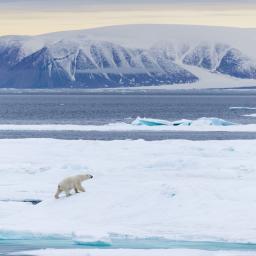
New research casts doubt on the theory that polar bears could survive habitat loss as sea ice declines by foraging for food on land Continue reading...
|
 |
by Amy Westervelt on (#67E5)
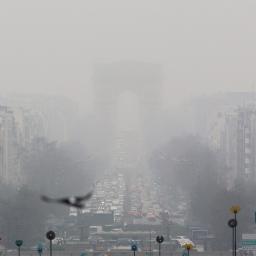
A raft of recent studies detail how air pollution might be linked to ailments from severe flu to ADHD Continue reading...
|
 |
by Hannah Devlin, science correspondent on (#678K)
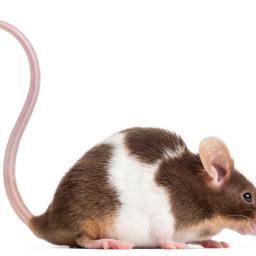
Study reveals that high-pitched ‘singing’ varies according to to social context, placing mice in an elite group of animal vocalisers
|
 |
by Richard P Grant on (#66H6)
Inadequately referenced, badly designed and poorly executed studies are perverting the course of science Continue reading...
|
 |
by Daisy Pofallor on (#660G)
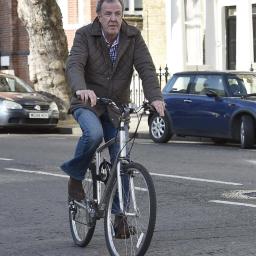
Former Top Gear presenter says being sacked by the BBC was a ‘wake-up call’ as he joins host of celebrities backing climate change campaign Guardian Media Group to divest its £800m fund from fossil fuels Continue reading...
|
 |
by Hannah Devlin, science correspondent on (#660J)
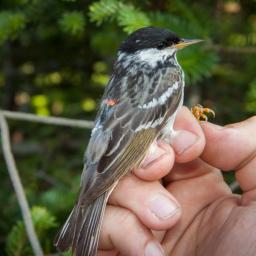
By fitting it with tiny geolocators, scientists have proven that the blackpoll warbler completes the longest known oversea journey for any land birdA tiny North American songbird migrates 1,500 miles non-stop over the Atlantic, scientists have discovered, in the longest known oversea journey for any land bird.The blackpoll warbler weighs only as much as a £2 coin and normally lives in forest environments, but once a year it embarks on a perilous three-day journey, scientists have found. Continue reading...
|
 |
by Denis Campbell on (#65Z3)
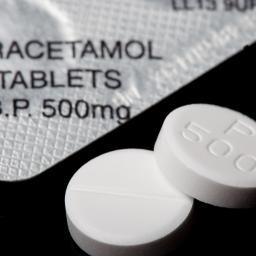
Researchers want doctors to rethink endorsement of the drug, which they say is no more effective than a placebo for these conditions Continue reading...
|
 |
by James Meikle on (#65VD)
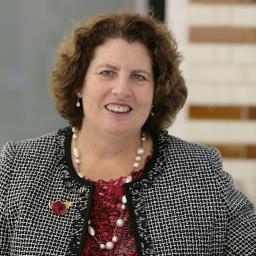
Campaigners also accuse high street chain of ‘acting irresponsibly’ after retailer teams up with 23andMe to sell products currently banned in the US Continue reading...
|
 |
by Steven Poole on (#65G5)
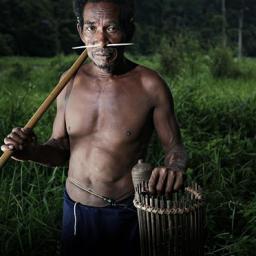
Researchers have found a tribe in the Malay peninsula rainforest who are markedly better than westerners at identifying aromas Continue reading...
|
 |
by Ally Fogg on (#650N)
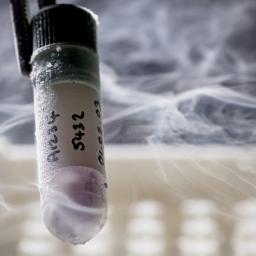
Male fertility in the west is in crisis. But, thanks to a lack of anxiety among men, we haven’t yet taken the problem seriously Continue reading...
|
 |
by Mo Costandi on (#64VY)
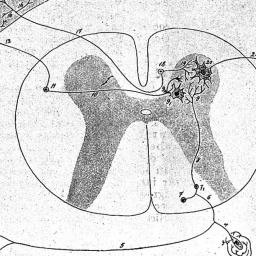
New research provides direct evidence for an influential model of pain first proposed in 1965. Continue reading...
|
 |
by Gwyn Topham Transport correspondent on (#630A)
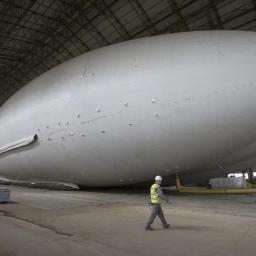
The manufacturer of the Airlander 10 is looking for investors to follow in the footsteps of Iron Maiden frontman Bruce Dickinson and the US military Continue reading...
|
 |
by Hannah Devlin, science correspondent on (#63P3)
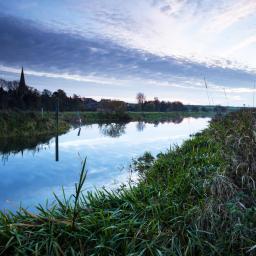
Trial using tampons and UV light successfully identified sewage pollution entering rivers from householdsGlow-in-the-dark tampons could be used to show where sewage is seeping into rivers, scientists have suggested.A study has found that tampons absorb even tiny amounts of “brighteners†found in detergents, toothpaste and shampoo and subsequently glow under UV light. Continue reading...
|
 |
by Haroon Siddique on (#63N9)
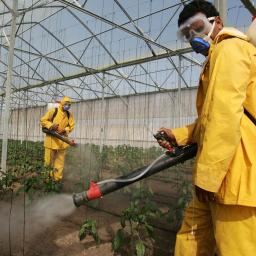
Analysis of semen from men at fertility clinic matched with questionnaire on consumption of fruit and vegetablesEating fruit and vegetables containing pesticide residues could adversely affect men’s fertility, leading to fewer and poorer quality sperm, a study suggests.Research by Harvard University found that men who ate the greatest amount of fruit and vegetables with high levels of pesticide residue had a 49% lower sperm count and a 32% fewer normally formed sperm than those who consumed the least. Continue reading...
|
 |
by Reuters on (#632K)
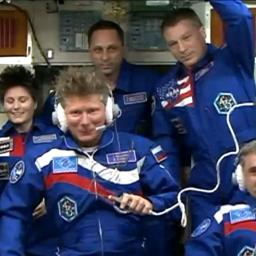
This live stream has ended
|
 |
by Michele Hanson on (#62VD)
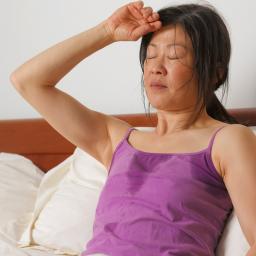
Thanks, celebs, for emboldening women and ridding them of their shame over the workings of their internal plumbing. Then again, why don’t men’s ageing bodies get this much attention? Continue reading...
|
 |
by Julia Powles and Tessa Khan on (#62RM)
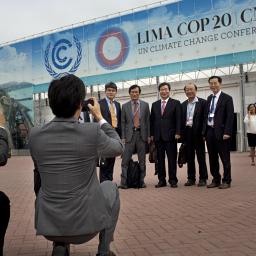
Expecting the Paris talks to succeed is a pious hope: but the Oslo principles, launched today, argue that governments are already in flagrant breach of their legal obligations to the planet Continue reading...
|
 |
by Gerrit Heyns on (#62DG)
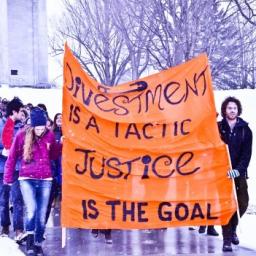
There is no winning scenario for the planet in an institutional divestment strategy, says Gerrit Heyns Continue reading...
|
 |