 |
by Reuters on (#57NG)
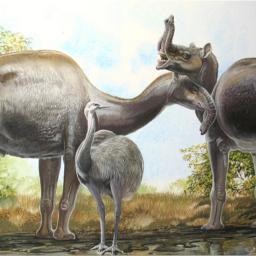
Last unresolved ‘major problem in mammalian evolution’ – the origin of two ungulates – has been resolved according to researchersTo 19th century British naturalist Charles Darwin, they were the strangest animals yet discovered, one looking like a hybrid of a hippo, rhino and rodent and another resembling a humpless camel with an elephant’s trunk.
|
| Link | http://feeds.theguardian.com/ |
| Feed | http://feeds.theguardian.com/theguardian/science/rss |
| Updated | 2026-10-01 05:30 |
 |
by Tom McCarthy in New York on (#576X)
Agency provides key data on volcanoes, algae growth and weather, but the Texas senator wants Nasa to focus on space exploration and drop climate change studyCurtailing the Earth sciences mission of Nasa would deprive scientists of important data relating to volcanic eruptions, destructive algae growth, extreme weather events and much more, experts warned a week after a confrontation on Capitol Hill over the Nasa budget between Senator Ted Cruz and the agency director.
|
 |
by Hannah Devlin science correspondent on (#56TS)
Analysis over 20 years reveals heavy Anglo-Saxon influence, with French and Danish DNA coming from earlier migrations than the Normans or Vikings
|
 |
by Karl Mathiesen on (#56TQ)
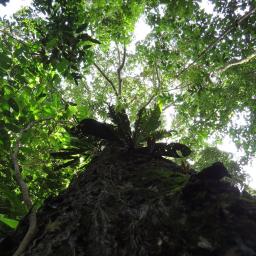
Fall in amount of carbon absored by rainforest means even greater cuts to manmade emissions are needed to combat climate change, warn scientists Continue reading...
|
 |
by Guardian Staff on (#56KP)
An exchange between Ted Cruz and the Nasa administrator, Charles Bolden, got heated when Cruz, chair of the Senate space, science, and competitiveness subcommittee, told Bolden Nasa should concentrate on space exploration and spend less time collecting data on climate change. Bolden replied robustly explaining: 'It is absolutely critical that we understand Earth's environment because this is the only place that we have to live.' Continue reading...
|
by Hannah Devlin on (#56AS)
American scientists have coined the term ‘senolytics’ to describe a new class of drugs designed to delay the ageing process by clearing out doddery cellsIt is generally accepted as one of life’s unfortunate, but inevitable facts: we might be able to disguise the wrinkles for a time, but ageing will get us all in the end. Except scientists are now questioning whether it has to be thus, or whether age is simply another disease that might one day be conquered. American researchers have suggested that the elixir of eternal youth – or at least extended middle age – may be on the horizon.After discovering two drugs that appeared to invigorate elderly mice, the scientists, from the Scripps Institute in Florida, have coined the term “senolytics†for a new class of drugs designed to delay the ageing process. Continue reading...
 |
by Dean Burnett on (#562Q)
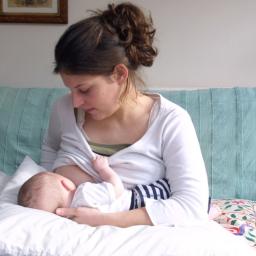
A recent study suggests that the longer a baby is breastfed, the more intelligent and successful they become. While the research itself may be fine, there are so many variables around these issues that simplistic associations can distort people’s understanding, and even cause harm.Bed sharing with babies - is it safe? Continue reading...
|
 |
by Karl Mathiesen on (#55VE)
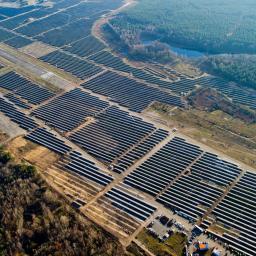
Technicians prepare for impact of solar power loss on electricity grids as moon passes between solar panels and the sun but power supply unlikely to be affected Continue reading...
|
 |
by Anna Pease on (#55T0)
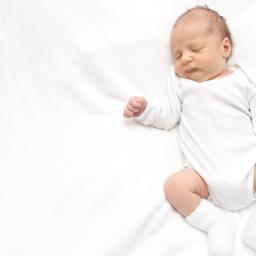
If we are to understand the risks associated with bed sharing, we need to consider why parents are sleeping with their infants, argues researcher Anna Pease Continue reading...
|
by Chris Chambers on (#55HS)
A poll in 13 countries by Amnesty International reveals how most people oppose surveillance of citizens but are less concerned about the targeting of foreign nationals. Knowing we are being watched may also be restricting our use of the Internet to obtain health advice Continue reading...
 |
by Peter Walker on (#55HQ)
Astrophysicist Joseph Roche says selection process for one-way mission is not vigorous enough, Dutch organisers are naive and project is unlikely to happenHe is not the first person to express scepticism about Mars One, a vastly ambitious private mission aiming to settle humans on Mars from 2025. But Joseph Roche is different to most critics: he’s on the shortlist to be one of the astronauts.Roche, an astrophysicist at Trinity College Dublin who was announced last month as among the 100 people in line for the mission, has written for the Guardian expressing his grave doubts about the viability of Mars One.Related: I’m on list to be a Mars One astronaut –but I won’t see the red planet | Joseph RocheAll of a sudden it changed from being a proper regional interview over several days to being a 10-minute Skype callRelated: Mars One shortlist: the top 10 hopefulsRelated: Houston, we have a lot of problems: is Mars One too good to be true? Continue reading...
|
 |
by Joseph Roche on (#55GR)
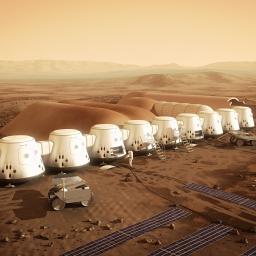
The organisers’ plan is ambitious but naive and unrealistic. It’s time to admit this venture won’t work and pour our energy into more viable space missions Continue reading...
|
by Melissa Davey on (#552F)
International team of biomedical scientists take a major step towards a vaccine that could help prevent the 600,000 deaths malaria causes every year Continue reading...
 |
by Staff and agencies in Washington on (#54Z7)
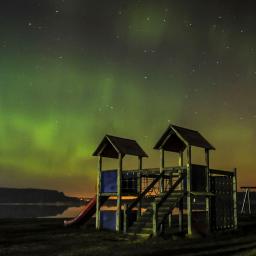
Stronger than expected burst of plasma from the sun sends light show into unexpected latitudes of both the northern and southern hemispheres
|
 |
by Letters on (#54HW)
Continue reading...
|
 |
by Lauren Gambino in Los Angeles on (#547T)
Study in peer-reviewed journal finds ‘substandard vaccination compliance likely to blame’ as 145 measles cases linked to Disneyland outbreak confirmed by CDC Continue reading...
|
 |
by Guardian Staff on (#5465)
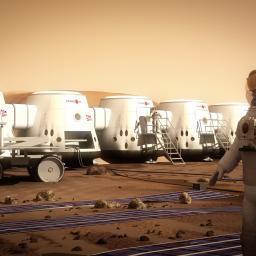
The organisers claim everything is hunky dory with their plan to send 40 people to spend the rest of their days on the red planet, but sources suggest otherwiseAge: Going since 2011, but probably best described as nascent.Appearance: Either a crazy, far-fetched story about a mission to Mars; or an actual mission to Mars. Continue reading...
|
 |
by Guardian readers on (#5410)
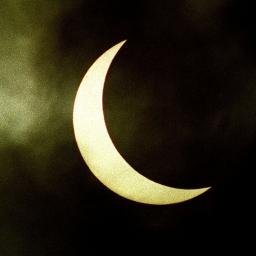
The world will turn a little darker on Friday as the moon wanders across the face of the sun
|
 |
by Ashifa Kassam in Madrid on (#53HG)
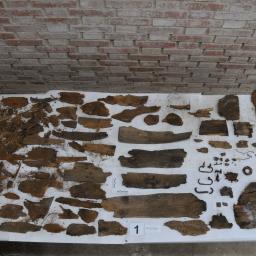
Archaeologists and anthropologists say they have positively identified fragments from the body of literary giant who died in 1616 in Madrid Continue reading...
|
 |
by Dean Burnett on (#53HE)
The paleo diet is coming under increasing scrutiny from the science and health community, resulting in criticisms and questions about its validity. But people will always want trendy diets, and there are plenty of periods in science history to arbitrarily base an eating regime around Continue reading...
|
 |
by GrrlScientist on (#536C)
Late last year, a metastudy was published showing that, since 2000, things are improving for women working in most STEM-based fields, although there are some notable exceptions Continue reading...
|
by Guardian Staff on (#5399)
From cinnamon galaxies and floury superclusters to coconut planets and sugary stars, photographer Navid Baraty has cooked up an entire universe out of the contents of his kitchen cupboard. Baraty has said the ‘fictional space scenes’ are inspired by Nasa and Hubble space telescope images. Here are a few of his otherworldly confections
 |
by Kate Ravilious on (#528Y)
Continue reading...
|
 |
by Amanda Holpuch in New York on (#51P7)
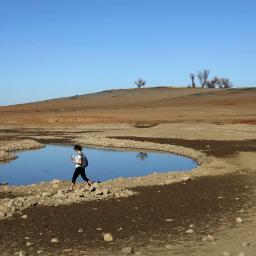
As backup supply dwindles, Jay Famiglietti says state has about one year of water left and calls for a more ‘forward-looking process’ to deal with crisisRelated: California farmers resign themselves to drought: 'Nobody's fault but God's'As California experiences the fourth year of one of the most severe droughts in its history, a senior Nasa scientist has warned that the state has about one year of water left. Continue reading...
|
 |
by Julian Spalding on (#51VC)
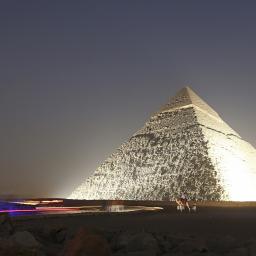
When interpreting the mysterious monuments and art created by our ancestors, we’ve been gazing in the wrong directionMy suggestion that Stonehenge was probably neither a temple nor a calendar but most likely a raised, ceremonial altar used by hundreds of people has attracted considerable attention and some criticism from archaeologists. I’ve nothing against archaeology, but let me make clear that my idea didn’t come from digging into the ground. It came, instead, from looking up at the stars and wondering what our ancestors thought about them when they thought the earth was flat.When Don Marcelino Sanz de Sautuolo explored the Altimira cave in 1879 he dug in the floor. It never occurred to him to look up. It was his young daughter, Maria, who pointed to the ceiling and shouted: “Look Papa, oxen!†So the first cave paintings were discovered. It’s my contention that we’ve been looking in the wrong direction when we’ve interpreted many of the great monuments and works of art of the past.Related: Circular thinking: Stonehenge's origin is subject of new theory Continue reading...
|
by Rebekah Higgitt on (#519N)
One of the few women to gain presence in 19th-century science, her book, containing cyanotypes of botanical specimens, was the first to contain photographic images Continue reading...
by Olivia Maynard and Karen Evans-Reeves on (#518K)
MPs in the UK voted last week to introduce standardised or plain packaging of tobacco products. However shouldn’t we examine the role of the tobacco industry in attempting to influence this political decision-making?
 |
by Ann Leckie on (#517A)
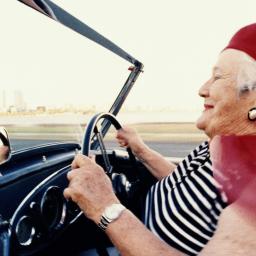
The president and managing partner at Google Ventures says he’s betting on humans living that long one day. But who would benefit?
|
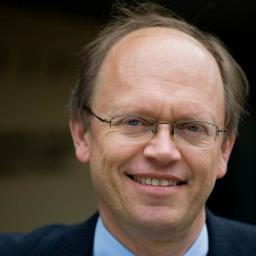 |
by Jean-Pascal van Ypersele on (#5135)
The Intergovernmental Panel on Climate Change is a vital but embattled organisation. With the resignation of its chair, Rajendra Pacharuri, there is an opportunity for renewal. Here, Jean-Pascal van Ypersele, one of the candidates to succeed Pachauri, sets out his stall. Continue reading...
|
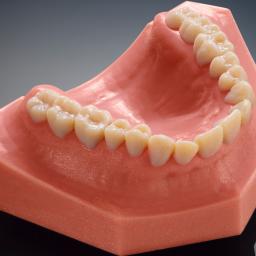 |
by Stuart Dredge on (#511K)
3D printing firm Stratasys’ latest device makes realistic models for the dental industry, rather than people’s mouths Continue reading...
|
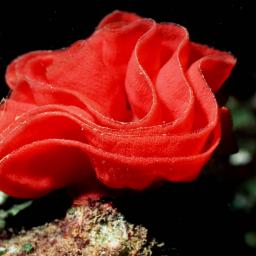 |
by GrrlScientist on (#510E)
In today’s “Museum Monday†video, we watch a time-lapse as a coral reef aquarium is set up in the Natural History Museum’s Jerwood Gallery. This aquarium will be featured in their upcoming exhibition where the public can learn about the importance of marine coral reef communities. Continue reading...
|
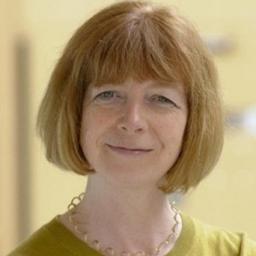 |
by Stian Westlake on (#50RF)
Innovate UK, the £500m quango responsible for funding innovation and technology, has appointed Ruth McKernan as its new CEO. Stian Westlake offers her five ideas for the organisation’s future. Continue reading...
|
by Samuel Gibbs on (#50NW)
Pioneering solid-state batteries could hold twice as much electricity as current batteries for longer-lasting smartphones, tablets and electric cars Continue reading...
 |
by Tom Kerss (Royal Observatory, Greenwich) on (#505X)
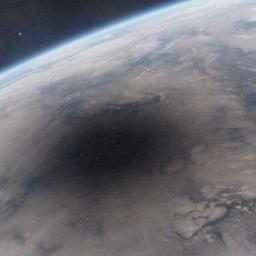
Continue reading...
|
 |
by Dalya Alberge on (#5018)
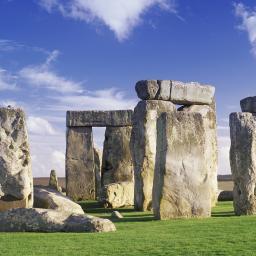
Wiltshire monument may have been equivalent of ‘an ancient Mecca on stilts’ according to an idea put forward by former museum director Julian SpaldingWhether it was a Druid temple, an astronomical calendar or a centre for healing, the mystery of Stonehenge has long been a source of speculation and debate. Now a dramatic new theory suggests that the prehistoric monument was in fact “an ancient Mecca on stiltsâ€.The megaliths would not have been used for ceremonies at ground level, but would instead have supported a circular wooden platform on which ceremonies were performed to the rotating heavens, the theory suggests.
|
 |
by Ian Sample Science editor on (#4ZSK)
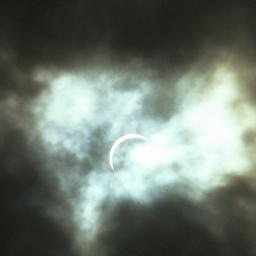
Rare event will blot out the sun in Faroe Isles while best place to watch it in the UK, the Isle of Lewis, prepares for public viewingSolar eclipse 1999 - in pictures
|
 |
by Ranjit Dhaliwal on (#4ZK2)
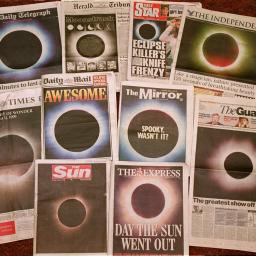
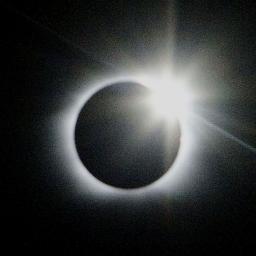
Ahead of the forthcoming solar eclipse visible in the far north of Scotland, we look back at the total solar eclipse on 11 August 1999, one of the most widely viewed in history
|
 |
by Libby Brooks Scotland reporter on (#4ZF1)
Friday’s eclipse will not touch land anywhere across the UK, but the line of totality will pass six miles north-west of the uninhabited island of Rockall Continue reading...
|
 |
by Jonathan Margolis on (#4Z6T)
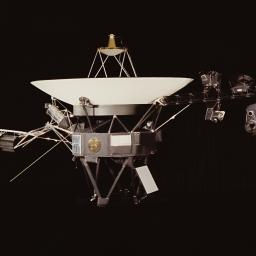
In 1977, Voyager 1 and 2 started their one-way journey across our galaxy, travelling a million miles a day. Jonathan Margolis meets the dedicated team keeping the craft movingOn a chilly March morning, Steve Howard, aged 65, is at work in his office on the northern edge of Pasadena, California. Two computer screens are squeezed on to his corner desk along with family photos, a tissue box and tins of Altoids Curiously Strong Peppermints. The office is in a quiet business park by a workaday main road. Next to it is a McDonald’s, where people linger for hours over a $1 coffee, seemingly to keep warm. Over the road there’s a scruffier burger joint, Jim’s, with an M missing from its sign – and, visible from Howard’s window, a landscaping supplies yard.If the few people walking by on West Woodbury Road, Altadena, or popping into the landscaping place for some patio paving slabs were to peer into Howard’s office, they might guess, seeing the graph-covered twin screens and a third PC at the other end of the desk, that he was, perhaps, a financial adviser or a day trader. But what Steve Howard is actually doing makes this very ordinary all-American scene quite extraordinary. Continue reading...
|
 |
by Quentin Wheeler on (#4Z55)
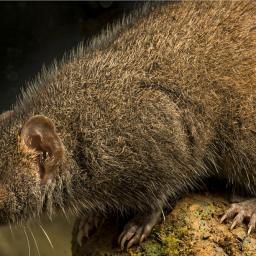
Long mistaken for another species, this Australian marsupial may now be under threat from rising temperatures. That doesn’t stop it from enjoying a vigorous, if deadly, sex life Continue reading...
|
 |
by Sarah Main on (#4YSD)
The political parties may argue passionately that science is our future, but let’s see some real action to promote it Continue reading...
|
 |
by Robin McKie on (#4YS1)
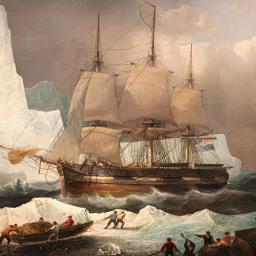
Next month, 170 years after the Erebus and all its crew were lost, experts will try to reach the wreck – under thick ice on an undersea ridge Continue reading...
|
 |
by Stuart Clark on (#4YA7)
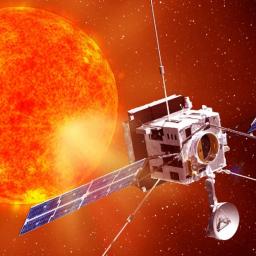
The European Space Agency’s ambitious mission to fly closer to the Sun than ever before is now ready for testing, ahead of its 2017 launchIt is hard not to be impressed with the spacecraft standing in the clean room at Airbus Defence and Space, Stevenage. It is a test model for a spacecraft that will travel closer to the Sun than any mission yet flown.
|
by Gareth Ffowc Roberts on (#4XR2)
Anglesey-born William Jones was the first person to use the Greek letter π for the ratio of a circle’s circumference to its diameter. But who was this little-known figure? Continue reading...
 |
by Dean Burnett on (#4Y20)
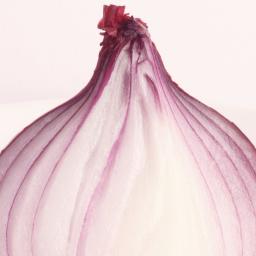
Australian Prime Minister Tony Abbott recently caused much confusion by publicly eating a raw onion in the manner people would usually eat apples, with no complaint or objection. Whilst baffling to many, this may be one instance where science supports Tony Abbott’s actions. Continue reading...
|
 |
by Duncan McLaren on (#4Y11)
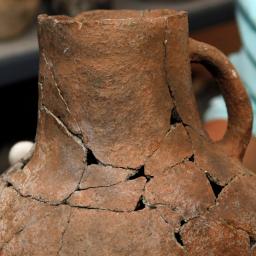
As geoengineering researchers gather for a conference in Cambridge, Duncan McLaren draws lessons from ethics and science fiction to make a case for caution Continue reading...
|
 |
by GrrlScientist on (#4XZR)
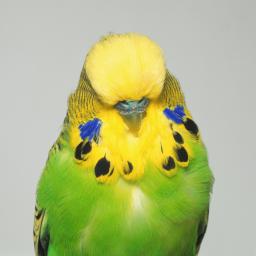
Since today is “Caturdayâ€, I had to share some videos of one of my favourite birds in the world, the diminutive budgerigar named Disco. And because Disco is such a talented mimic, this gives me the opportunity to share the evolutionary reasons why pet parrots mimic people. Continue reading...
|
 |
by James Grime on (#4XYP)
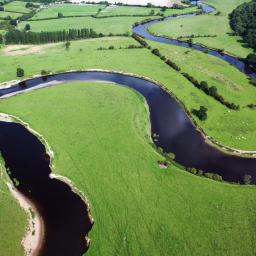
Pi Day 2015: A well known fact about pi is that it describes the bendiness of rivers. I wanted to test this theory, and so I crowd-sourced river lengths to find out Continue reading...
|
 |
by Chris Mooney for the Washington Post on (#4XTG)
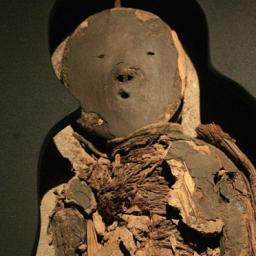
The Chinchorro people of Chile preserved bodies long before the Egyptians. But their remains may be falling foul of a very modern problem Continue reading...
|
 |
by Toby Smith on (#4W8C)
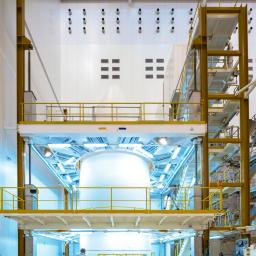
Photographer Toby Smith goes behind the scenes with the satellite engineers taking giant leaps into a world beyond our reach
|