 |
by Tom Lyons on (#1E8KS)
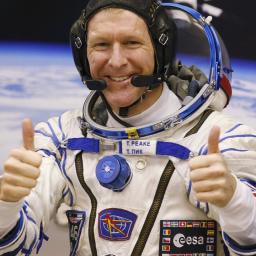
For each mission, medics, psychologists and engineers all work behind the scenes to send astronauts safely into orbit and bring them homeAstronauts are the pop stars of science and technology. From a launch site in icy Kazakhstan, they are hurtled into space inside tiny Soyuz capsule, aimed at the remote moving target that is the International Space Station (ISS). There, they will undertake scientific research and become guinea pigs for medical experiments. So it’s no surprise that their exciting jobs hog the media spotlight.But behind every astronaut is a team of dedicated professionals making sure everything runs smoothly. From workers training the astronaut before a mission, to those monitoring their medical health – there are hundreds of professionals involved in getting one person safely into (and back from) space. Continue reading...
|
| Link | http://feeds.theguardian.com/ |
| Feed | http://feeds.theguardian.com/theguardian/science/rss |
| Updated | 2026-10-01 00:15 |
 |
by Sarah Boseley Health editor on (#1E7SR)
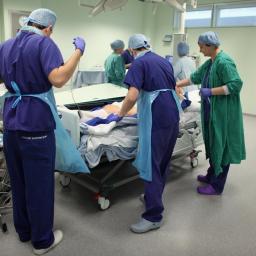
Efficiency of antibiotics falling as deaths in EU and US hit around 50,000 annually from infections drugs can no longer treatThe “antibiotic apocalypse†may already be upon us. According to Dame Sally Davies, chief medical officer for England, 50,000 people are dying every year in Europe and the US from infections that antibiotics have lost the power to treat.Davies has been at the forefront of the UK’s efforts against antimicrobial resistance (AMR) and taken on a global leadership role. She has described the threatened loss of antibiotics to the world as on a par with terrorism and climate change. Continue reading...
|
 |
by Sarah Boseley Health editor on (#1E7SP)
Report by economist Jim O’Neill says global cost of problem could be loss of 10 million lives a year by 2050 and $100tn a yearA blueprint to end the scourge of antimicrobial resistance proposes that drug companies should foot the bill for the development of new antibiotics and that patients should not be able to get them without a test to ensure they are needed.Economist Jim O’Neill, charged two years ago by David Cameron with finding answers to one of the most pressing problems in the world today, says the global financial cost of no action would be the loss of 10 million lives a year by 2050 and £69tn ($100tn) a year. Continue reading...
|
 |
by Associated Press on (#1E750)
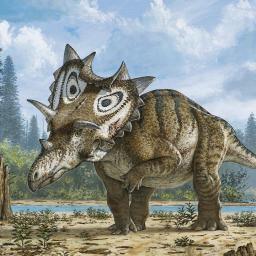
A novice fossil collector’s decade-old find has been announced as a new kind of spectacularly horned dinosaur related to the Triceratops
|
 |
by Julia Kollewe on (#1E6ZS)
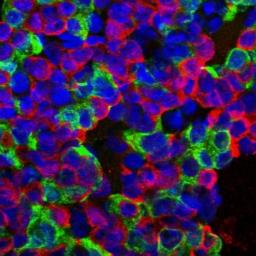
Cell and Gene Therapy Catapult and Aberdeen University are working on lab-grown treatment that could help hundreds of thousands of peopleInsulin shots could become a thing of the past for type 1 diabetes patients thanks to a technology being developed by Cell and Gene Therapy Catapult, a London-based not-for-profit organisation, and Aberdeen University.The pre-clinical results have encouraged CGT and Aberdeen University to create a spin-out company, called Islexa. It will manufacture lab-grown islets, the organoids responsible for insulin production, by reprogramming donated pancreatic tissue. Continue reading...
|
 |
by Oliver Milman on (#1E6HZ)
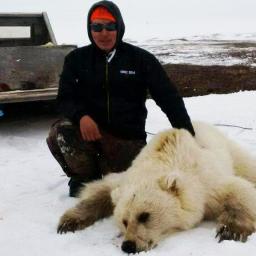
Grizzly bears in Alaska and Canada are moving north as their environment warms, bringing them into contact with polar bears located on the coastlineClimate change is known for swelling the oceans and fueling extreme weather, but it may be also causing the curious emergence of a new type of bear in the Arctic.
|
 |
by Oliver Burkeman on (#1E5YS)
Powerful people believe it’s fine for them to break rules others should follow. The psychologist whose work informed the movie Inside Out discovers how to get to the topIt is far safer to be feared than loved,†wrote Niccolò Machiavelli in The Prince, the founding text of the philosophy of realpolitik. These days, anyone wishing to establish their credentials as a hard-headed commentator on global affairs need only echo that bleak assessment: sure, it’s all very well for do-gooders to preach love and charity – but force, or the threat of it, is the only language everyone always understands. The American psychologist Dacher Keltner begs to differ. When you closely observe chimpanzees – or other primates, such as kindergartners or university students – you’ll find it is not the bullies and manipulators who gain power, he writes. Rather, it is those who demonstrate empathy and enthusiasm, solve others’ problems and otherwise further the greater good. Were that the end of the story, the world would be ruled exclusively by kindly philanthropists. Readers may have noticed that this is not the case.This is the “paradox†of Keltner’s title: it is true that being nice is the best path to power, but achieving power reliably turns people nasty. “The seductions of power,†as he puts it, “induce us to lose the very skills that enabled us to gain power in the first place.†Research demonstrates that people who feel powerful are more likely to act impulsively: to have affairs; to drive inconsiderately; to lie; to argue that it is justifiable for them to break rules others should follow; and, in one entertaining study by Keltner and his colleagues, to steal sweets from children. Rich people even shoplift more than the poor. All in all, accumulating power seems to trigger a tendency to self-absorption: in experiments, when people are asked to draw the letter E on their own foreheads so that others can read it, powerful people are more likely to draw it the right way round to themselves, and backwards to onlookers. In a literal sense, they no longer see the world from other people’s perspective. Continue reading...
|
 |
by Tekalign Mamo on (#1E59G)
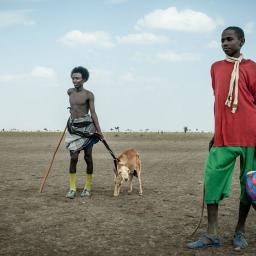
Before this year’s drought, farmers’ yields were tripling in some regions. With the right investment, Ethiopia can get back on track for middle-income statusA year ago, Ethiopia was on the verge of achieving something remarkable. Having been the second poorest country in the world as recently as 2000, Ethiopia was on track to becoming middle-income by 2025. The 1980s image of a country ravaged by famine, poverty and conflict was fading.A large part of Ethiopia’s phenomenal growth was thanks to more than a decade of investment, with a particular focus on transforming agriculture. This sector employs more than 80% of the population of 91 million people (pdf), and accounts for more than 60% of exports. Agricultural yields were tripling in some regions, with the farmers I visited proud to be harvesting more, earning more, and sending their children to school and university. Continue reading...
|
 |
by Anna Leach on (#1E52Q)
From adjusting your body language, to dressing in a way that makes you feel good, here’s our guide to projecting the best version of yourself
|
 |
by Hanneke Meijer on (#1E519)
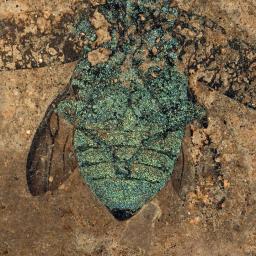
Fossil oil shales open a window into the early diversity of mammals and the radiation of birds with spectacular fossils
|
 |
by Jenny Rohn on (#1E4NP)
Has teaching has been the poor cousin of research for too long? asks Jenny RohnThere’s an old adage: ‘those who can’t do, teach’.But this doesn’t really apply to taught science subjects at the university level, at least in my experience over a few decades in university settings around the world. If anything, it’s the opposite: stressed-out scientists, who do very well by the all-powerful yardstick of research excellence, have to be dragged from their labs to the podium to transmit their wisdom to the younger generation. As you might expect from a random sample of the population, the majority of whom have no actual pedagogical training, some are better at this task than others. Continue reading...
|
 |
by Andrew Balmer on (#1E4J0)
A meeting on synthesising the human genome, convened behind closed doors at Harvard, has caused a stir. Should we worry about scientific secrecy?Secrecy has long been a part of scientific and innovation practices. For instance, research on nuclear, biological or chemical weapons is often conducted in secret. In his excellent book on Secrecy and Science, Brian Balmer describes how the Manhattan Project epitomised the way in which scientific secrecy operates, explaining how specific sites were kept secret, but also how projects were compartmentalised, so that knowledge was exchanged only on a ‘need-to-know’ basis, meaning that only a very few people had any real understanding of the programme as a whole. In other words, attempts to maintain secrecy often go hand-in-hand with imperatives of efficiency, security, bureaucracy and control.Discussions to synthesize, for the first time, a human genome should not occur in closed rooms Continue reading...
|
 |
by Staff and agencies on (#1E3V8)
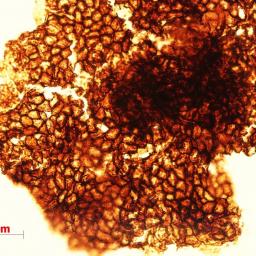
Fossils from China are said to prove that multi-cellular organisms evolved as early as 1.5bn years ago – but some experts dismiss findingsA claim by researchers that complex life on Earth may have evolved a billion years earlier than previously thought has immediately divided scientists in the field, with some hailing the evidence as rock-solid and others unconvinced.The researchers, writing in the journal Nature Communications, said they had uncovered fossils showing that complex life on Earth began more than 1.5bn years ago. Continue reading...
|
 |
by Associated Press in Washington on (#1E3NQ)
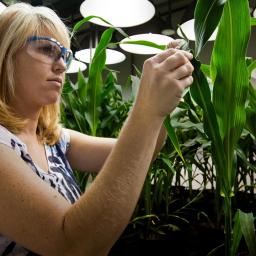
Regulators should focus on end product of food, rather than crops that went into it, says US studyGenetically manipulated food remains generally safe for humans and the environment, a high-powered science advisory board declared in a report on Tuesday. The National Academies of Science, Engineering and Medicine concluded that changing the genetics of what we eat does not produce the “Frankenfood†monster some opponents claim – but is not feeding the world with substantially increased yields, as proponents promised.With the line between engineered and natural foods blurring because of newer techniques such as gene editing, the 408-page report said, regulators need to make their safety focus more on the end product of the food that is made rather than the nuts and bolts of its making. Continue reading...
|
 |
by Ian Sample Science editor on (#1E3KY)
Report reveals how critical areas of research, and particular regions of the country, would fare should EU funding dry upGreat swaths of research under way in universities and businesses across the UK will come under threat should Britain leave the EU, according to a major report into the nation’s finances.Crucial work on cancer, computer systems, nanotechnology and engineering - areas where Britain claims world-class expertise - has become heavily reliant on EU grants, making the research highly vulnerable to the slump in support that Brexit could provoke.
|
 |
by Guardian Staff on (#1E3D3)
A fiery meteor streaked across the sky early on Tuesday morning and was captured by a police dashboard camera. The Portland, Maine, police department released video of the fireball, which was seen in much of New England, as far south as New Jersey, and as far north as parts of Canada Continue reading...
|
 |
by Arthur Neslen on (#1E2P3)
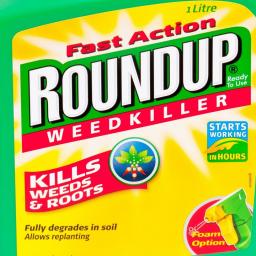
Chairman of UN’s joint meeting on pesticide residues co-runs scientific institute which received donation from Monsanto, which uses glyphosateA UN panel that on Tuesday ruled that glyphosate was probably not carcinogenic to humans has now become embroiled in a bitter row about potential conflicts of interests. It has emerged that an institute co-run by the chairman of the UN’s joint meeting on pesticide residues (JMPR) received a six-figure donation from Monsanto, which uses the substance as a core ingredient in its bestselling Roundup weedkiller.
|
 |
by Ruth Whippman on (#1E2MF)
A new study shows that people with more money tend to be less lonely. We shouldn’t be surprised – the link between happiness and wealth is clearMoney can’t buy happiness: it’s a rarely questioned truism. It also tends to be most enthusiastically embraced by those who have never gone without it. “I’ve tried hard to care about money,†Chelsea Clinton once humble-bragged, “but I couldn’t.†No matter how attached we are to the idea that money can’t buy happiness, though, the research shows almost the complete opposite.After community and social relationships, the association between income and wellbeing is one of the most robust in the happiness literature. And a new study demonstrates just how deep-seated that psychological link is, how intricately our financial circumstances weave their way into our psyches. Continue reading...
|
 |
by James Kingsland on (#1E245)
Certain psychedelics, including psilocybin, may be useful for treating depression. Could they be a game-changing breakthrough for psychiatry?Clinical depression causes misery for hundreds of millions of people worldwide. Around one in five patients fail to respond to any treatment and even among those who do recover, relapse rates are high and get progressively worse with each successive episode.The most widely used class of antidepressants, the selective serotonin reuptake inhibitors (SSRIs), can lift some people out of severe depression and help them stay well, but they don’t work for everyone, and among the many side-effects are anxiety, weight gain and sexual dysfunction. Since the SSRIs became available in the 1980s no new class of drugs has emerged, so the news that there may already be a more effective type of antidepressant in existence that is safe and well tolerated is tantalising. The catch is that to possess or supply these chemicals runs the risk of an unlimited fine or prison sentence. Continue reading...
|
 |
by Nicola Davis on (#1E1X8)
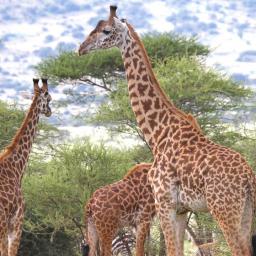
Research into the giraffe genome has uncovered genetic variations that could be behind unusual adaptations to neck length and cardiovascular systemIt sounds like a tale by Rudyard Kipling, but researchers delving into giraffe genetics say they have discovered new insights into how the creature got its long neck and gangly frame.The world’s tallest land animal, the giraffe boasts some curious characteristics. Its neck contains seven vertebrae, the same number as humans, but each is elongated. For blood to reach the brain, the heart must pump it to a height of two metres - a feat made possible by an unusual heart structure, blood pressure more than twice that of humans and thick-walled blood vessels. Continue reading...
|
|
by Amanda Feilding on (#1E1XA)
After 50 years in the wilderness, psychedelic drugs such as psilocybin, found in mushrooms, deserve to be examined for their potential in treating illness such as depressionThose of us who have never felt depression will certainly know people who have, and will have shared with them that impatient hope that with time, exercise, a new season, a new prescription, a new counsellor, the cloud might lift. Thankfully it usually does; it can never feel soon enough.Related: Magic mushrooms lift severe depression in clinical trial Continue reading...
|
 |
by Celine Gounder on (#1E1V6)
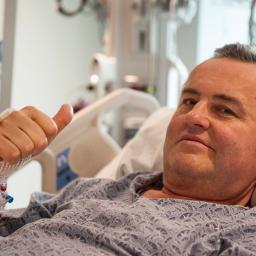
Transplant medicine has overcome problems of infection, rejection and surgical complexity. Now we just need more people to become donorsThe first penile transplant in the US was performed on cancer survivor Thomas Manning at Harvard’s Massachusetts General Hospital last week. This paves the way for the treatment of other cancer patients, wounded veterans, burn victims and all those who’ve suffered genital trauma or needed radical surgery to save their lives. Transplanting a penis is technically much simpler than transplanting a lung or liver, so why did it take this long?Transplant medicine is much older than many realize. Over 3,000 years ago, the ancient Indian physician Sushruta used skin transplants – more commonly today called grafts – to reconstruct noses amputated as punishment for crimes. As early as the 1600s, patients were treated with animal blood infusions or bone transplants. But early transplant medicine was thwarted by infections and the immune system. Our skin is one of our most basic defenses – acting like the high walls and moat of a medieval city – guarding us against invasion by all sorts of microbes in the environment. An appreciation of the germ theory and the need for antisepsis – at first with carbolic acid, a corrosive chemical that burns, bleaches and numbs the skin and is poisonous to the lungs if inhaled – helped bring down surgical death rates dramatically. Anesthesia made it possible to undertake long complicated surgeries without unnecessarily torturing patients. But it wasn’t until antibiotics came into widespread use during the second world war that modern surgery as we know it today became possible. Continue reading...
|
 |
by Maev Kennedy on (#1E1VJ)
Foundations of the Curtain, where Romeo and Juliet and Henry V were possibly first staged, uncovered in ShoreditchThe foundations and shoulder-high walls of the Curtain theatre, where Shakespeare performed as an actor and may have staged the first performances of Romeo and Juliet and Henry V, have been uncovered in a development site in Shoreditch.To the consternation of archaeologist Julian Bowsher, an internationally acknowledged expert on Shakespeare’s theatres, the excavation of the foundations and a long stretch of the back wall of the stage prove that the theatre was rectangular, not the “wooden O†of the famous prologue to Henry V. Continue reading...
|
 |
by Guardian Staff on (#1E1KR)
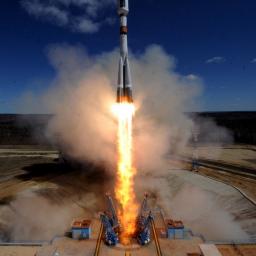
Newly released onboard footage shows a Russian rocket blasting off from a new space port, as it carries three satellites into orbit. The rocket, a Soyuz-2.1, is the first to launch from Russia’s new space port, the Vostochny cosmodrome
|
 |
by Kent Woods on (#1E17E)
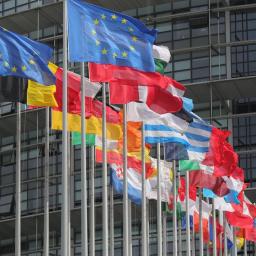
Over many years the EU has built international collaborative structures that robustly serve public health. Brexit would certainly mean losing the European Medicines Agency to another EU country, but what would be the wider impacts for the UK pharmaceuticals industry and patient safety?From agreements of cross-border care to health research collaboration, public health protections and shared institutions; there is much at stake in this referendum debate. One key pillar of health is pharmaceuticals, where the London-based European Medicines Agency (EMA) has a central role in supporting medical innovation and ensuring patient protection. A Brexit would certainly mean losing the EMA to another EU country, but what would be the wider impacts for the UK pharmaceuticals industry and patient safety?Over a billion prescriptions are dispensed and a further £2.5billion of pharmaceuticals bought over the counter in UK pharmacies annually – products of global trade. EU law currently assures their quality, safety and effectiveness. That legal framework covers clinical trials, market authorisation of new medicines, manufacture and distribution and the continuous benefit-risk review of medicines on the market. The European Medicines Agency (EMA), a decentralised body of the EU, coordinates the work from its headquarters in Canary Wharf, London. The working language is English; the UK’s national authority, the Medicines and Healthcare Products Regulatory Agency (MHRA), plays an influential role but every aspect of the system depends on effective collaboration between regulators and experts of all 28 Member States. Continue reading...
|
 |
by Sarah Boseley Health editor on (#1E0NP)
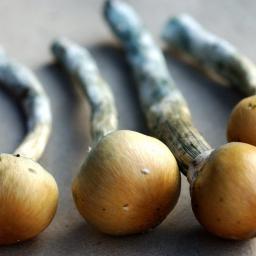
Results raise hopes that active substance in class 1 drug could be used to treat mental health conditions in future
|
 |
by Guardian Staff on (#1E0MY)
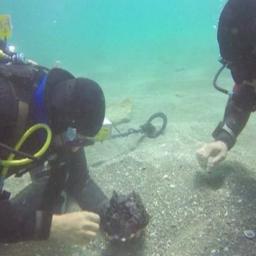
Thousands of Roman coins and several bronze statues are among artifacts discovered by two divers off the coast of Israel. The objects came from a merchant ship that sank near the port of Caesarea 1,600 years ago during the late Roman period. Underwater footage shows divers digging out clumps of coins buried in the sand. ‘All the cargo was completely under the sand. That’s why it’s preserved so well,’ said Jacob Sharvi from the Israel Antiquities Authority Continue reading...
|
 |
by Ian Sample Science editor on (#1DXBK)
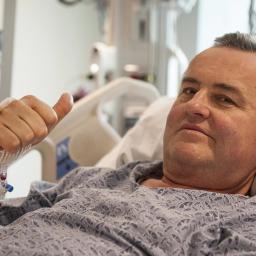
Surgeons attach dead donor’s penis to 64-year-old who had his penis amputated to prevent a cancerous tumour from spreading
|
 |
by Fiona Harvey on (#1DZH7)
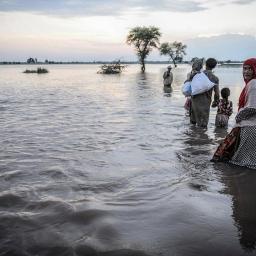
Tropical regions likely to suffer biggest increase in hot days and extreme weather because of climate change, say scientistsNew evidence that poorer countries will suffer the worst effects of climate change has shown that the number of hot days in tropical developing countries is likely to increase markedly as global warming takes hold.It has long been expected that poor people would bear the brunt of climate change, largely because so many more of the world’s poorest live in tropical latitudes whereas, wealthier people tend to live in more temperate regions. Continue reading...
|
 |
by Ian Sample Science editor on (#1DYR1)
Stanford study shows how details gleaned from telephone ‘metadata’ by National Security Agency pose a threat to privacy of ordinary citizensThe mass collection of telephone records by government surveillance programs poses a clear threat to the personal privacy of ordinary citizens, according to US researchers who used basic phone logs to identify people and uncover confidential information about their lives.Armed with anonymous “metadata†on people’s calls and texts, but not the contents of the communications, two scientists at Stanford University worked out individuals’ names, where they lived and the names of their partners. But that was not all.
|
 |
by Agence France-Presse on (#1DYNA)
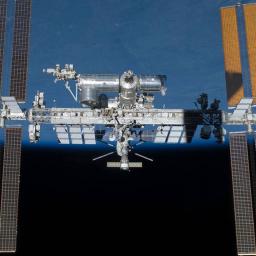
ISS circles planet once every 90 minutes and has now travelled about the distance of 10 return trips to MarsThe International Space Station, the space laboratory that showcases cooperation between Russia and the US, has orbited Earth for the 100,000th time, Russian mission control said.“Today the ISS made its 100,000th orbit around Earth,†the mission control centre based in Moscow said in a statement. Continue reading...
|
 |
by Guardian Staff on (#1DY7X)
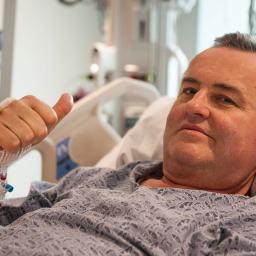
A 64-year-old man, who became the first person in the US to undergo a successful penis transplant, is recovering well, doctors said. Thomas Manning of Halifax, Massachusetts, had his penis amputated in 2012 when he was diagnosed with penile cancer. He recently underwent a 15-hour surgery at Massachusetts general hospital in Boston, during which a penis provided by a donor was attached
|
 |
by Julia Pierpont on (#1DTBV)
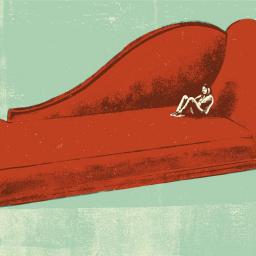
Words have a way of gaining wisdom when their speaker ceases to exist, writes novelist Julia Pierpont as she looks back at an unsettling relationshipThe day I found out my therapist killed himself I’d taken a cab to the appointment, feeling myself in a hurry. Dr H had a way of holding it against you when you were late. A block from his office, we hit traffic and I ran the rest of the way, sweating under my heavy coat (it was January). But the young doorman stopped me in the lobby. He gestured toward a stiff leather armchair and had me sit while he stayed standing.“So listen, uh, I’m sorry no one told you,†he started. “But, uh.†Dr H was dead. He’d, uh, taken his life. Even as he faltered, it was clear that the doorman had been doing this all week. He had little deli napkins at the ready when I found myself suddenly, surprisingly tearful. Continue reading...
|
 |
by Letters on (#1DV7E)
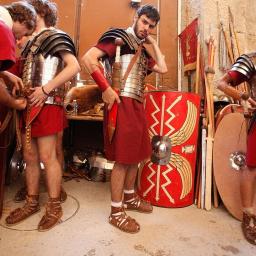
Mea culpa, mea culpa, mea minima culpa: Michael Bulley (Letters, 10 May) is right to correct me – Latin does have the modal verbs he names, which cover possibility (possum), permission (licet) and obligation (debeo, oportet); these and other aspects of modality can also be expressed through the (fusional) subjunctive mood. I should have been more specific: Latin does not have modal auxiliary verbs such as English can, could, may, might, must, shall, should, will, would; the only auxiliary (but non-modal) verb in Latin is esse (to be) which is used to form the present perfect, future perfect and past perfect passive tenses of regular transitive verbs, and corresponding forms of deponent and semi-deponent verbs.
|
 |
by Terry Macalister Energy editor on (#1DTR1)
Insiders say oil firm’s New Energies renewables arm could grow very big, but not for a decade or moreShell, Europe’s largest oil company, has established a separate division, New Energies, to invest in renewable and low-carbon power.The move emerged days after experts at Chatham House warned international oil companies they must transform their business or face a “short, brutal†end within 10 years. Continue reading...
|
 |
by Patrick Barkham on (#1DTJ2)
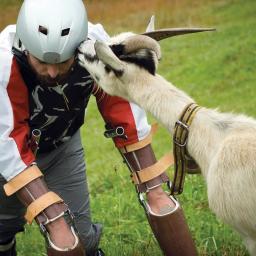
Designer Thomas Thwaites took to the Alps to mix it with a herd of bovids. This is what he discovered ...Building an exoskeleton of a goat and a prosthetic stomach to digest grass before attempting to cross the Alps on all fours must rank as one of the weirder research projects funded by the Wellcome Trust. But London designer Thomas Thwaites has turned his bizarre mission to bridge the boundary between Homo sapiens and other species by becoming “GoatMan†into an enlightening and funny book. Informed by advice from a Danish shaman, neuroscientists, prosthetists, animal behaviourists and Swiss goat herders, it explores what connects and separates us from other animals. Here are 10 things Thwaites learned. Continue reading...
|
 |
by Alex Preston on (#1DT9F)
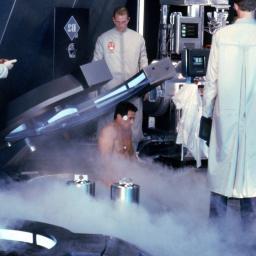
Mortality is at the heart of this powerful new novel set in a cryonics lab – Don DeLillo’s best work since UnderworldDon DeLillo’s late period work, which we can date from 2001’s The Body Artist, has been marked by novels that are slim, stark, conceptual, and that seem designed to provide as few of the traditional satisfactions of the form as possible. Endings are left untied, characters nameless and one-dimensional, plots thin and haphazard. After maximalist, wholehearted novels such as Libra, White Noise and Underworld, DeLillo’s austere, mindful, laconic late novellas feel, like those of Philip Roth, as if they’re trying to deconstruct the machinery of fiction, to back away from the world.Zero K initially seems like a break from the abstruse and impressionistic recent work. We are plunged into a vividly realised world: an underground cryonics laboratory called the Convergence, situated in a place where Kyrgyzstan, Kazakhstan and Uzbekistan meet, a “harsh geography, beyond the limits of believability or lawâ€. The narrator of nine-tenths of the novel, Jeffrey Lockhart, is the 34-year-old son of one of the Convergence’s backers, Ross, who’s in his 60s and a financier of fabulous wealth. Ross’s second wife, Artis Martineau, was an archaeologist, but is now dying of complications from MS and has come to the Convergence to be frozen. Continue reading...
|
 |
by Haroon Siddique on (#1DT9B)
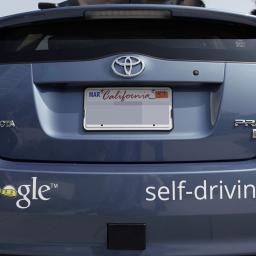
Proposals to be unveiled on Wednesday will help create jobs, according to DfTDriverless cars, drones and a proposed first commercial spaceport for the UK will feature in the Queen’s speech.The Department for Transport has said such cutting-edge technologies are crucial to the country’s economy and that its proposals, to be unveiled on Wednesday, will help deliver jobs. Continue reading...
|
 |
by Adam Gabbatt on (#1DT85)
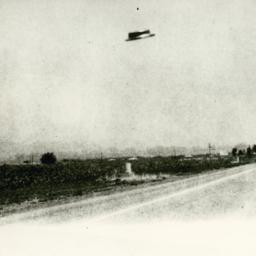
The Democratic frontrunner has said she would look into alleged spottings as president – but there may not be much to investigateHillary Clinton is entering uncharted territory in this presidential election.
|
 |
by Shane Hickey on (#1DT58)
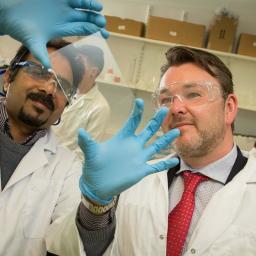
Coating applied to everyday objects such as smartphones, tablets and door handles reportedly has 99.99% success in preventing spread of MRSA and E coliGeorge Osborne was just one of the latest people to warn about the growing threat of antibiotic resistant superbugs, telling the International Monetary Fund (IMF) in Washington last month that without urgent action the bugs would soon kill more people every year than cancer.The chancellor’s warning echoed the sentiments of many within the medical community. Infections such as MRSA which have developed resistance to drugs have become a notorious threat in hospitals, where the bacteria can survive on surfaces for up to seven months. Continue reading...
|
 |
by Tim Adams on (#1DT1Y)
Most of us are wary of change, but it can be the making of us, according to this persuasive studyA 2013 psychology study asked 19,000 people between the ages of 18 and 68 two questions: first, how much have you changed in the last decade? And, second, how much do you expect to change in the decade ahead?In nearly all cases the subjects of the study believed they and their lives had changed a great deal in the 10 years just ended. But when they looked to the future, they generally anticipated far less alteration in their circumstance and outlook. “Across the board,†Polly Morland points out in this wonderfully wide-ranging study of the principle of inconstancy, “people seemed to regard the present as some kind of defining moment in which they had become the person they would be for the rest of their lives. They saw themselves as changed but with little capacity for changing.†Continue reading...
|
 |
by Dara Mohammadi on (#1DSR2)
Efforts to treat Huntington’s disease involve costly drugs way beyond the reach of the poor communities in South America who take part in research studiesAs the small motorboat chugs to a halt, three travellers, wind-beaten from the three-hour journey along the Atrato river, step on to the muddy banks of Bellavista, an otherwise inaccessible town in the heart of the heavily forested north-west of Colombia. They swing their hessian bags – stuffed with bedsheets, dried beans and cuddly toys – to their shoulders and clamber up a dusty path. Tucked inside the bag of one of the travellers, neuropsychologist Sonia Moreno, is the reason they are here: a wad of unfinished, hand-drawn charts of family trees. Continue reading...
|
 |
by Ben Ambridge on (#1DSHH)
Do you and your partner think in opposing ways? And does that make you more compatible? Find out with our testBoth you and your partner rate the following statements on a scale of 1 (strongly disagree) to 7 (strongly agree):a) Anyone who works hard usually succeeds
|
 |
by Joshua Robertson on (#1DSCR)
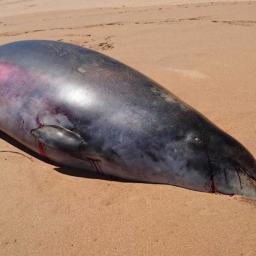
South Australian Museum researchers confounded by mysterious teeth previously unseen in beaked whalesScientists believe they have an uncovered an evolutionary throwback in a rare deep ocean whale that washed ashore on a South Australian beach.The beaked whale, found dead on Waitpinga beach in February, confounded examiners from the South Australian Museum who discovered two mysterious teeth previously unseen in that family of deep diving mammals. Continue reading...
|
 |
by Tracey Brown on (#1DS1E)
If the work is properly monitored, there is no reason not to trust the resultsCorporate funding of multiple vaccine research was “exposed†again recently. This time it was in the latest round of MMR-causes-autism allegations, which we exported to the US.We’ve seen the same “exposés†in the UK, on fracking, on genetically modified plants and on sugar. Last year, some of the best-regarded nutrition researchers were taken out and given a public beating when it was revealed that the food industry funds research in their institutes. Continue reading...
|
 |
by Alan Yuhas and agencies on (#1DR5Q)
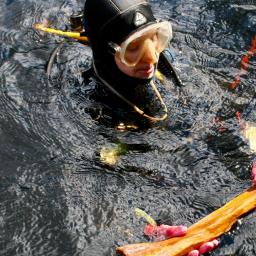
Knife, bone, and dung cast doubt on Bering Strait theory and indicate humans spread through Americas 1,500 years earlier than thought, researchers sayA stone knife, mastodon bones and fossilized dung found in an underwater sinkhole show that humans lived in north Florida about 14,500 years ago, according to new research that suggests the colonization of the Americas was far more complex than originally believed.Archaeologists have known of the sinkhole in the Aucilla river, south of Tallahassee, for years. But they recently dived back into the hole to excavate what they call clear evidence that ancient mankind spread throughout the Americas about 1,500 years earlier than previously thought. Continue reading...
|
 |
by Jon Butterworth on (#1DQGC)
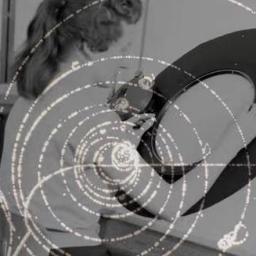
A video from the ATLAS experiment at the CERN Large Hadron Collider, showing how the images we make of subatomic particles have changed over the years
|
 |
by Mihir Mankad on (#1DQ5K)
Big pharma says high prices fund research and development, but costly drugs hit poor people hard and divert money needed to build clinics and pay nursesOver the past year, high medicine prices have made the headlines. In the UK, two cancer treatments were dropped because they were deemed too expensive. A US Senate subcommittee criticised pharmaceutical company Gilead for charging $84,000 (£57,000) for a full course of its new hepatitis C treatments and found that fostering broad, affordable access for other drugs was not a major concern for the firm.This is all without even mentioning the antics of everyone’s favourite villain, the pharmaceutical entrepreneur Martin Shkreli, who was called the most hated man in America for hiking the price of Daraprim, a malaria drug. Continue reading...
|
 |
by Matthew Tempest for EurActiv, part of the Guardian on (#1DM3P)
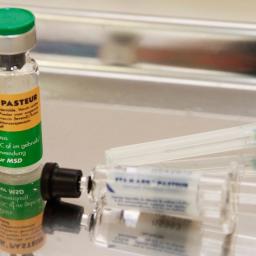
The European Medical Corps set up after the Ebola crisis is being sent to tackle the yellow fever outbreak that has claimed nearly 300 lives in AngolaThe European Medical Corps (EMC) recently set up by the EU is being sent on its first mission – to help tackle the outbreak of yellow fever in Angola.Since the first case of the mosquito-transmitted disease was reported in the capital, Luanda, in December 2015, 293 people have died, amid some 2,267 reported cases. Continue reading...
|
 |
by David Ferguson on (#1DKWX)
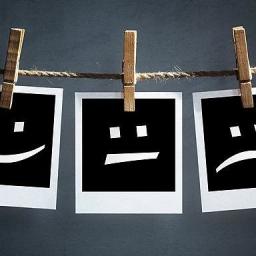
A US ruling says that that companies aren’t allowed to pressure staff to be relentlessly positive. That’s good news, because haters can helpRejoice, haters! The law now says that you don’t have to be happy about coming to work.In April, the National Labor Relations Board presided over a conflict between T-Mobile and some employees who felt that the company was asking too much by demanding that workers maintain a “positive work environment†at all times. Continue reading...
|