 |
by Australian Associated Press on (#1093N)
Australian researchers say chromium is partially converted into carcinogenic form when it enters cells, and warn of long-term use or high dosesA nutritional supplement used for weight loss and body building is partially converted into a carcinogenic form when it enters cells, say Australian researchers.Chromium supplements also are used by people with metabolic disorders such as insulin resistance and type 2 diabetes. Continue reading...
|
| Link | http://feeds.theguardian.com/ |
| Feed | http://feeds.theguardian.com/theguardian/science/rss |
| Updated | 2026-10-02 03:45 |
 |
by Alan Pickup on (#108J6)
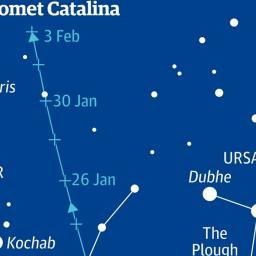
Each January brings some of our finest evening skies of any month. We must wait until the late evening, though, to see Jupiter, our first bright planet of the night, rise in the E in Leo. Mars, following in the early hours, stands to the left of Spica in Virgo before dawn when Venus is alongside Saturn and low in the SE. Jupiter’s opposition on 8 March is followed by those of Mars on 22 May and Saturn 12 days later, both low down in Britain’s sky. Continue reading...
|
 |
by Ben Ambridge on (#1072S)
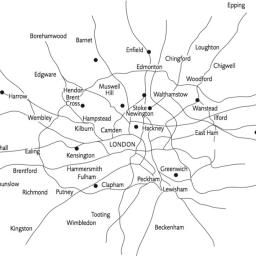
There’s a golden rule, but some people know it instinctively…The map above shows a number of violent attacks (indicated by black dots) for which the police believe that the same person is responsible. Draw an X on the map to indicate the area in which you think the attacker lives. The answer is shown at the bottom of this article…You got it right What a Cracker! You have an intuitive understanding of the criminal mind, and have somehow internalised what forensic psychologists call the “golden rule†of offender behaviour: that most are impulsive, and don’t travel far to commit their crimes. So – as you know intuitively – the trick is just to place your X as close as possible to as many dots as possible. Continue reading...
|
 |
by Peter Preston on (#10718)
Revised health advice on benefits of wine-drinking gets the Mail in a twistReach for a Daily Mail factfile explaining why “red wine is good for youâ€. Research from the National Heart and Lung Institute at Imperial College, London, suggested it could help to treat serious lung disease. (“Inhibition by red wine extract, resveratrol, of cytokine release by alveolar macrophages in COPDâ€, is the precise learned journal headline). Because “past studies†have shown it helped “prevent cancer, protect against heart problems and improve brain functionâ€. Because Spanish scientists reported “that people who drank more than two glasses a day had 44% fewer colds. Because (another study) “red wine may prevent herpes†– and, yet further research, “extends the life of brewer’s yeast by up to 80%â€.But all this studying was then (a dozen or so years ago). And now? “Red wine’s not good for you after all†booms a Mail headline. Cancel whatever facts you’ve filed. Perhaps the about-turn is a mere disappointment. Perhaps, more seriously, it’s just one more example of the way conflicting research conclusions damage belief in scientific fact (and global warming). Time for one more glass before the chief medical officer changes the advice. Again. Continue reading...
|
 |
by Lenny Bernstein for the Washington Post on (#104FC)
After two centuries of service, the iconic diagnostic device has acquired its fair share of detractorsThe stethoscope is having a crossroads moment. Perhaps more than at any time in its two-century history, this ubiquitous tool of the medical profession is at the centre of debate over how medicine should be practised.In recent years, the sounds it transmits from the heart, lungs, blood vessels and bowels have been digitised, amplified, filtered and recorded. Last year, the US Food and Drug Administration approved a stethoscope that can faithfully reproduce those sounds on a mobile phone app or send them directly to an electronic medical record. Continue reading...
|
 |
by Kit Buchan on (#104ET)
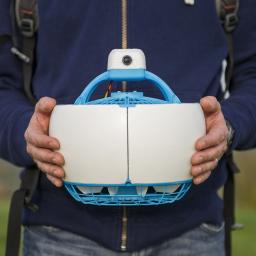
Ever wanted to go to a nightlclub in a sound-sensitive animal mask? Ever wanted to decorate your bedroom with your own genome? These and more in this month’s roundupRemember when Enrique Iglesias was injured by a drone on stage last May, and required reconstructive hand surgery? The Spanish heartthrob will be delighted by the Fleye Robot, a non-threatening drone which has just reached its Kickstarter goal, and is designed to follow you around, take aerial photographs and footage or be piloted like a remote control aircraft. The size and near-shape of a football, Fleye has only one propeller, which is hidden behind its plastic housing, and its onboard computer allows it to be buoyant, autonomous and even rather endearing. Continue reading...
|
 |
by Alex Bellos on (#104DK)
In Saturday’s draw the ‘expected value’ of a ticket is greater than its cost. Don’t get too excited: the odds of hitting the jackpot with six balls are still 1 in 45mBuying a ticket for today’s national lottery draw makes mathematical sense for the first time in its history.The jackpot – which will be around £58m - is the largest since the lottery began in 1994. But that’s not what makes today’s draw unusually interesting. Continue reading...
|
by Agence France-Presse on (#103TP)
Rosetta mission probe will be told to crank up a flywheel in a bid to shake dust off its solar panels so it can continue work on comet 67P/Churyumov-GerasimenkoScientists have begun work on a last-chance manoeuvre to contact the long-silent Philae probe, dropped more than a year ago onto the surface of a comet hurtling through the Earth’s solar system.Part of the European Space Agency’s Rosetta mission, the probe has yielded spectacular scientific results – and a few moments of high drama – since its near crash-landing onto comet 67P/Churyumov-Gerasimenko in November 2014. Continue reading...
by Brigid Delaney on (#10397)
A lead scientist on the world’s most powerful telescope discusses equity versus equality and having a thick skin in a male-dominated fieldWhen the prime minister, Malcolm Turnbull, recently announced that his innovation plan would contribute $13m to support greater participation of girls and women in research and science, technology, engineering and maths industries, he undoubtedly had scientists like Dr Jill Rathborne in mind.The CSIRO astronomy research scientist was part of the international group that set up the Square Kilometre Array (SKA), the most powerful telescope in history, in outback Western Australia. Yet she was not encouraged to study science when she was growing up. Continue reading...
 |
by Sam Leith on (#102P3)
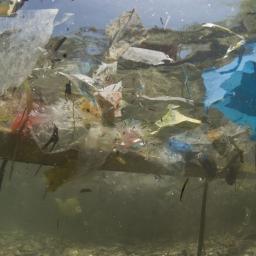
We love dumping litter so much, we’ve accidentally launched a new geological epoch. Isn’t that just a little sublime?What is it, we’re sometimes asked, that makes us human? What is it that marks our species out among all the others on this big ole blue space-marble we call Earth? Tool use? No, any number of other creatures use tools; corvids especially well. Is it that we have sex face-to-face? Bonobos do that and, for all I can tell, so do earthworms. That we laugh? Hyenas and orangutans have that covered, and judging by the look it gave me when I fell down the stairs in my dressing gown, so does my cat. That we know we’re going to die? Whales surely have a hunch, or they wouldn’t sing like that.No: the one thing we do like no other species on the face of the Earth is dump rubbish. At that, we have always been planetary champions. And in the last nanosecond of the geological timeline, we’ve really found form. We are true galactic contenders. Bring it on, green men of Alpha Centauri: the Homo sapiens has evolved into Homo fly-tippus. Continue reading...
|
 |
by Alan Yuhas in New York on (#102M8)
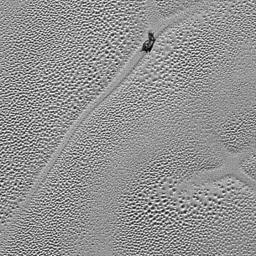
The historic mission sent Nasa its highest-resolution images Thursday of dwarf planet’s Sputnik Planum, a region of pitted plains and a strange ‘X’ formationIcy, pitted plains and craters full of a red soot dot the landscapes of Nasa’s newest photos of Pluto, released late on Thursday.New Horizons, the first spacecraft to ever reach Pluto in a historic mission last year, sent Nasa its highest-resolution photographs so far from the broad, rolling plains that drape the dwarf planet in a heart-shaped expanse. Nasa scientists have dubbed the region within the heart Sputnik Planum, after the first manmade satellite into space. Continue reading...
|
by Juli Fraga on (#1027T)
There’s a scientific reason why resolutions are broken – we need to understand that in order to be smarter about making goals for ourselves
by Suzi Gage on (#1016H)
It’s about time the 20-year-old guidelines on alcohol consumption were updated, but the new evidence makes for sobering readingFor the first time since 1995, government recommendations on alcohol drinking have been updated. And it’s about time too, although it’s a bit cruel to announce these new guidelines on the first working Friday of the year.Given that these new guidelines advise drinking less per session, on fewer days per week, and less overall (for men - the guidelines now bring the recommended limit per week in line for men and women at 14 units), it’s likely that there will be cries of “nanny stateâ€! But these guidelines are just that: evidence-based advice to help the public make informed choices. Continue reading...
 |
by Pete Etchells on (#1027V)
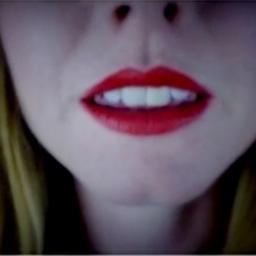
Autonomous Sensory Meridian Response is the technical term for what some call ‘head orgasms’, or ‘brain tingles’. But what does the research say about it?Autonomous Sensory Meridian Response, or ASMR, is a curious phenomenon. Those who experience it often characterise it as a tingling sensation in the back of the head or neck, or another part of the body, in response to some sort of sensory stimulus. That stimulus could be anything, but over the past few years, a subculture has developed around YouTube videos, and their growing popularity was the focus of a video posted on the Guardian this last week. It’s well worth a watch, but I couldn’t help but feel it would have been a bit more interesting if there had been some scientific background in it. The trouble is, there isn’t actually much research on ASMR out there.To date, only one research paper has been published on the phenomenon. In March last year, Emma Barratt, a graduate student at Swansea University, and Dr Nick Davis, then a lecturer at the same institution, published the results of a survey of some 500 ASMR enthusiasts. “ASMR is interesting to me as a psychologist because it’s a bit ‘weird’†says Davis, now at Manchester Metropolitan University. “The sensations people describe are quite hard to describe, and that’s odd because people are usually quite good at describing bodily sensation. So we wanted to know if everybody’s ASMR experience is the same, and of people tend to be triggered by the same sorts of things.†Continue reading...
|
 |
by Guardian Staff on (#101YX)
Sally Davies, the chief medical officer for England, defends new guidelines on alcohol consumption from accusations of scaremongering. In the first updated guidelines in 20 years, UK health chiefs said on Friday that drinking any alcohol increases the risk of cancer and other diseases Continue reading...
|
 |
by Alison Flood on (#101YZ)
Scientist’s proposal of ‘Octarine’, the Discworld shade visible only to wizards and cats, for newly discovered element 117 gains 12,000 signatures in two daysA petition to name one of the new elements added to the periodic table “octarineâ€, in honour of the late Terry Pratchett’s colour of magic, has garnered more than 12,000 signatures in less than two days.The International Union of Pure and Applied Chemistry (IUPAC) announced the verification of the discoveries of four new chemical elements earlier this week. Currently known as elements 113, 115, 117 and 118, they will be officially named by the teams that discovered them in the months to come, but chemist Dr Kat Day, who blogs at the Chronicle Flask, has put in an early bid for element 117 to be named octarine. Continue reading...
|
 |
by Jon Haynes on (#1014Y)
Psychedelic-assisted psychotherapy for PTSD is the subject of Give Me Your Love. Devising the show took our company Ridiculusmus on a journey of discovery – and left me inside a cardboard box on stage
|
 |
by Associated Press in Tokyo on (#100YQ)
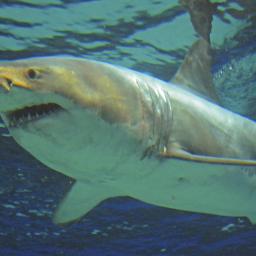
Cause of death at aquarium under investigation as animal rights campaigners criticise shark’s captivity as cruel and wrongA great white shark has died after three days in captivity in a Japanese aquarium.The 3.5 metre (11.5ft) shark, which was accidentally caught in a net off the coast of south-west Japan on Tuesday, died early on Friday, according to Okinawa Churaumi aquarium. The cause of death is under investigation. Continue reading...
|
by Maev Kennedy on (#10150)
Study finds that despite hot baths and public lavatories, the Romans spread disease and parasites across the empireWhat did the Romans ever do for us? Despite all the hot baths and smart multi-seat public lavatories, the surprising answer turns out to be lice, fleas, bed bugs, bacterial infections from contamination with human faeces, and 25ft-long tapeworms, a misery spread across the empire by the Roman passion for fermented fish sauce.“It seems likely that while Roman sanitation may not have made people any healthier, they would probably have smelled better,†said Piers Mitchell, an expert on ancient diseases at Cambridge University’s Department of Archaeology and Anthropology. Continue reading...
 |
by Guardian Staff on (#100TZ)
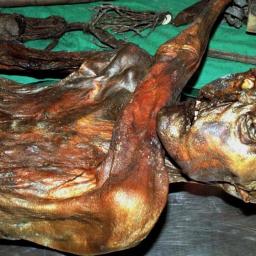
Frank Maixner, a microbiologist at the Institute for Mummies and the Iceman in Italy, explains the significance of the gut microbes of the Ötzi the Iceman, a 5,300-year-old mummy found frozen in a European glacier in 1991. When they tested the contents of his stomach, scientists found Helicobacter pylori, an age-old bacterium that evolved differently according geographic region
|
by Ian Sample, Iain Chambers and Stuart Clark on (#10151)
A look at this year’s most exciting missions, from a probe bound for Mars, a spacecraft arriving at Jupiter and a sample return mission from an asteroidWill 2016 be the year dark matter is finally discovered? Will we master reusable rocket technology? And what will will we learn about the prospects for life on Mars?Ian Sample is joined in the studio by Professor Andrew Coates from the Mullard Space Science Laboratory at University College London, and by the astronomy journalist and author Stuart Clark. Continue reading...
 |
by Zoë Corbyn on (#10152)
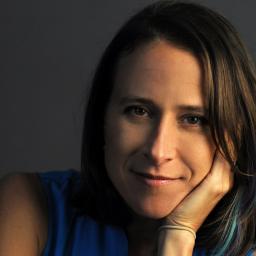
Anne Wojcicki, CEO of California-based personal genetic testing company 23andMe, which enables people to check their DNA, on why she co-founded the project23andMe offers a saliva test to create a DNA profile covering health, traits and ancestry. Have you taken the test yourself?My family and I were some of the first people to be genotyped. It revealed I was a carrier for Bloom’s syndrome and my husband [Google co-founder Sergey Brin, from whom she is now divorced] was high risk for Parkinson’s disease. It was useful to know because we were planning children. I tested my son as soon as he was born and I tested my daughter’s amniotic fluid [while she was in the womb]. Continue reading...
|
by Agence France-Presse on (#10154)
Mummified remains of man killed in European alps provide clue to timing of migration from north AfricaThe gut microbes of the Ötzi the Iceman, a 5,300-year-old mummy found frozen in a European glacier in 1991, have shed new light on the history of human migration, scientists said on Thursday.Researchers thawed the remains of Ötzi, who was killed by an arrow when he was between 40 and 50 years old and hiking across the Ötztal Alps, which straddle modern-day Italy and Austria. Continue reading...
 |
by Ian Sample Science editor on (#ZZWQ)
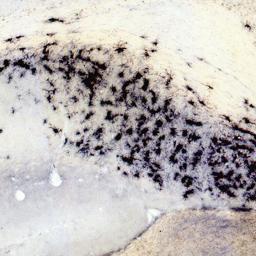
Study shows inflammation-reducing chemical prevents memory and behavioural problems in diseased mice, raising hopes for human treatmentScientists have fresh hopes for an Alzheimer’s treatment after experiments to reduce inflammation in diseased mouse brains prevented memory and behavioural problems in the animals.Alzheimer’s disease has long been linked to disruption in the brain’s immune system, but the latest research adds to evidence that inflammation in the brain is not so much caused by the disease, but is a driver of the disorder.
|
 |
by Ian Sample Science editor on (#ZYZ6)
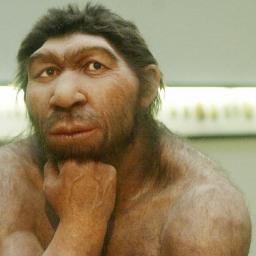
Three genes inherited from our Neanderthal cousins may cause modern carriers to have an overly-sensitive immune system susceptible to allergiesPassionate encounters between ancient humans and their burly cousins, the Neanderthals, may have left modern people more prone to sneezes, itches and other allergies, researchers say.The curious legacy comes from three genes that crossed into modern humans after their distant ancestors had sex with Neanderthals, or their close relatives the Denisovans, more than 40,000 years ago.
|
 |
by Amanda Holpuch in New York on (#ZYAC)
American Cancer Society report released Thursday shows cancer rates in the US have declined, though it remains the leading cause of death in 21 statesCancer rates in the US continue their long decline in 2016, according to a new report, though the disease remains the second leading cause of death around the country.Deaths caused by cancer have dropped 23% since 1991, according to an American Cancer Society report released on Thursday. Continue reading...
|
 |
by Tom McLeish on (#ZXM5)
My former colleague at Leeds University Alexei Likhtman, who has died aged 44 after a fall while hiking, was a leading scientist, who showed how computer simulation could be used in imaginative new ways to understand materials of complex molecular structure. An important example is that of flowing melted plastics – here the molecules are giant strings (“polymersâ€), entangled together and endowing the material with elasticity as well as fluidity. The challenge of identifying the shadowy “entanglements†has been as important to industry as to fundamental science. Alexei’s work showed how to “see†these structures in simulations, in ways that avoided obscuration by irrelevant detail, and produced powerful design tools for industry.Son of Evgeny Likhtman and Tatiana Bykova, both physicists, Alexei was educated in Moscow. He was awarded a diploma in physics with honours from Moscow State University in 1994, remaining there for his PhD research. During this period Alexei met and in 1990 married Katrina Belotserkovskaya, and they soon had two daughters, Sonya and Asya. Continue reading...
|
 |
by David Kaiser on (#ZX38)
A brief attempt to engage readers in the biggest questions of physics dwells on beauty and wonderIn the early 1960s, famed physicist Richard Feynman developed a new lecture course for new undergraduates at the California Institute of Technology. Feynman aimed to turn the standard physics curriculum on its head, introducing young students to some of the most exciting questions in the field right away, rather than slogging through the usual staid topics en route to the research frontier.By most accounts (including Feynman’s own), the classroom experiment was a flop. Even in the hands of such an acclaimed teacher, the leap was just too far for most incoming students to handle. Yet all was not lost. The Feynman Lectures on Physics, first published in 1964, have become some of the most admired – even, cherished – lectures in modern science. Sales of the English-language edition have topped 1.5m copies, and counting. An abridged version, consisting of the more elementary material, was published under the title Six Easy Pieces. Continue reading...
|
 |
by Rin Hamburgh on (#ZWXB)
If poverty makes us miserable, it stands to reason that wealth makes life worth living. But does it? Psychologists aren’t so sureAs the post-Christmas credit card bills roll in, most of us would say that a little more money wouldn’t go amiss. In fact, according to research for the Guardian in 2015, money is the greatest source of anxiety for Britons.But would more of it really make us happy? It’s a question that fascinates – and divides – psychologists. Continue reading...
|
 |
by Oliver Burkeman on (#ZWX9)
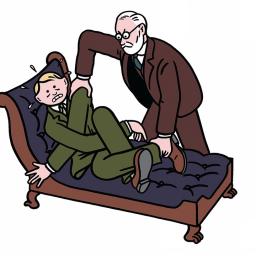
Cheap and effective, CBT became the dominant form of therapy, consigning Freud to psychology’s dingy basement. But new studies have cast doubt on its supremacy – and shown dramatic results for psychoanalysis. Is it time to get back on the couch?Dr David Pollens is a psychoanalyst who sees his patients in a modest ground-floor office on the Upper East Side of Manhattan, a neighbourhood probably only rivalled by the Upper West Side for the highest concentration of therapists anywhere on the planet. Pollens, who is in his early 60s, with thinning silver hair, sits in a wooden armchair at the head of a couch; his patients lie on the couch, facing away from him, the better to explore their most embarrassing fears or fantasies. Many of them come several times a week, sometimes for years, in keeping with analytic tradition. He has an impressive track record treating anxiety, depression and other disorders in adults and children, through the medium of uncensored and largely unstructured talk.To visit Pollens, as I did one dark winter’s afternoon late last year, is to plunge immediately into the arcane Freudian language of “resistance†and “neurosisâ€, “transference†and “counter-transferenceâ€. He exudes a sort of warm neutrality; you could easily imagine telling him your most troubling secrets. Like other members of his tribe, Pollens sees himself as an excavator of the catacombs of the unconscious: of the sexual drives that lurk beneath awareness; the hatred we feel for those we claim to love; and the other distasteful truths about ourselves we don’t know, and often don’t wish to know. Continue reading...
|
by Agence France-Press in Paris on (#ZWGN)
Risk is no greater for babies whose mothers took birth control pills while pregnant than those whose mothers never didOral contraceptives taken just before or during pregnancy do not increase the risk of birth defects, according to a large-scale study published Wednesday.
by Peter Walker on (#ZW72)
Experts urge action on junk food and fizzy drinks as study predicts nearly three in four UK adults will be overweight by 2035The growing incidence of obesity in the UK could see more than 700,000 new cases of cancer associated with excess weight over the next two decades, according to a report by health campaign groups.The study, published by Cancer Research UK and the UK Health Forum, predicts that if current trends are maintained, by 2035 obese will be the most common body type for UK adults, with almost three-quarters of people overweight. Continue reading...
 |
by James Meikle on (#ZW5S)
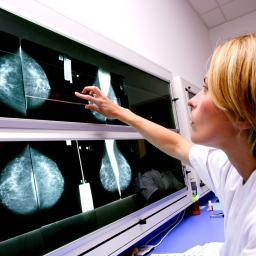
Cancer screening may not save lives, researchers say in the British Medical Journal, but others say UK screening programmes have cut the number of deathsThe benefits of cancer screening have been overstated and the practice may not even save lives, experts in the US and Germany have claimed.While there may be fewer deaths from the specific cancer for which screening takes place, little account is taken of the harm some patients suffer psychologically and medically because of overdiagnosis and complications from treatment, an article and editorial in the BMJ medical journal suggest. Continue reading...
|
 |
by Peter Walker on (#ZW4V)
Cutting sugar in soft drinks by 40% over five years could prevent 300,000 cases of diabetes and 1.5m cases of obesity in the UK, a new study suggestsReducing the amount of sugar in soft drinks and fruit juices by 40% over five years could prevent 300,000 cases of diabetes in the UK and stop 1.5 million people from being overweight or obese, according to a study.The report, immediately welcomed by Public Health England as a particular route to curbing excess weight in young people, is based on efforts to reduce salt content in many foods, which has already seen the amount used cut by a similar amount over the same time period. Continue reading...
|
 |
by Australian Associated Press on (#ZW36)
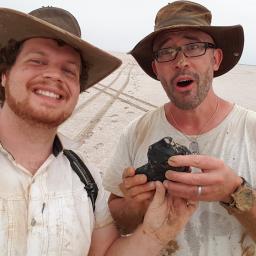
Scientists recover ‘the oldest rock you’ll ever hold in your hand’ in the nick of time on New Year’s Eve from a hole in Lake EyreA 1.7kg meteorite created during the early formation of the solar system more than 4.5bn years ago has been retrieved by a team of Perth researchers in the South Australian outback.The meteorite was retrieved from the outback using a new 32-camera network, a light plane, quad bikes and a drone. Continue reading...
|
 |
by Lisa O'Carroll on (#ZVYS)
Study shows that treatment based on transfusion of plasma extracted from blood of recovered patients does not significantly improve survival ratesHopes that the blood of Ebola survivors might contain a ready-made cure for the virus have been dashed after the world’s largest study of the treatment showed it did not save extra lives.
|
 |
by Letters on (#ZV9K)
The announcement by the prime minister that ministers will be able to campaign on both sides in the referendum on EU membership is quite remarkable (Report, 6 January). Whatever the outcome of the renegotiation, the government will not be making a unified case for remaining in the European Union. Not only does this move the UK closer to the exit door, but it witnesses the end of the concept of collective cabinet responsibility. It clearly smacks of hypocrisy for David Cameron to attack Labour leader Jeremy Corbyn for having a divided shadow cabinet when it came to the debate on military intervention in Syria, while he is now happy to have those inside his own cabinet campaigning against the government line.We also have the spectre of ministers calling for withdrawal from the EU attending and speaking at council of minister meetings, a scarcely credible position and one that will significantly weaken the UK position. Exit from the EU would pose a direct threat to jobs, investment and international influence. It is more important than ever that those who support the UK’s continued EU membership stand up and make the case as strongly as possible.
|
 |
by Ian Sample Science editor on (#ZV6R)
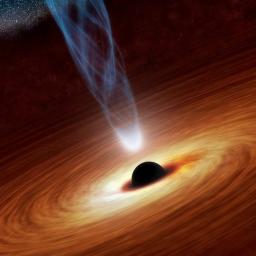
Scientists observing V404 Cygni discovered that even amateur telescopes are capable of capturing violent outburst from black holes closest to EarthAstronomers have discovered that black holes can be observed through a simple optical telescope when material from surrounding space falls into them and releases violent bursts of light.The apparent contradiction emerges when a black hole’s gravity pulls in matter from nearby stars, producing light that can be viewed from a modest 20cm telescope. Continue reading...
|
 |
by David Shariatmadari on (#ZT22)
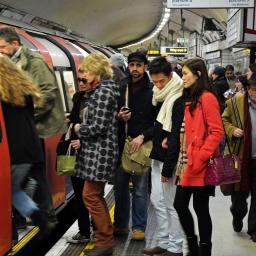
It’s not always easy to intervene when you see bullying or abuse in public. But as research shows, you don’t have to be a have-a-go hero to make a differenceA few months ago I was in a bar with two friends when, a few tables away, we heard a glass smash and looked up to find a man and woman in the middle of an argument. He slapped her and walked out. Everyone froze. She looked horribly alone for a few seconds, hurt and humiliated. Then a customer walked over to see if she was all right, as did a member of staff. They sat with her for some time, while my friends and I wondered awkwardly what we should be doing. It seemed as if she was being offered the support she needed, but was that enough? Should we have offered to act as witnesses if she wanted to take it further? We didn’t – and ended up feeling powerless, even guilty.Related: Woman in anti-Muslim bus tirade admits racial abuse Continue reading...
|
 |
by Jack Saunders on (#ZSYT)
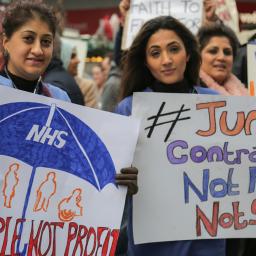
With the junior doctors’ strike now back on, Jack Saunders takes a historical look at how NHS doctor ‘militancy’ has changedNovelty has been a major theme in much of the coverage of the junior doctors’ strike. Here was a group of middle-class professionals behaving, as Jeremy Hunt implied, like “trade union militantsâ€. Yet doctors have long used collective protest to shape the NHS and their role within it, and their different motivations reflect changing relationships and attitudes towards the health service.For instance, in 1947, doctors contested plans for the new National Health Service, looking to retain their independent contractor status rather than becoming salaried employees. They threatened to boycott the new service if the government didn’t retain “capitationâ€, a practice where doctors were paid per registered patient. Continue reading...
|
 |
by Eric Hilaire on (#ZSTB)
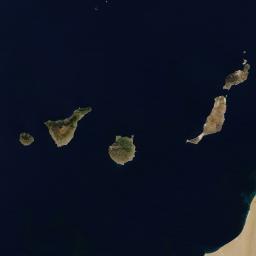
Mount Etna erupting, Super Typhoon Melor, and snow-free mountains of New York were among the images captured by European Space Agency and Nasa satellites last monthIn late December strong winds carried dust from the Sahara desert westward over the west coast of Africa and the Canary Islands. This image, taken on Christmas day, shows the stark contrast between the tan dust and the deep blue of the Atlantic Ocean. In some areas the dust is so thick that the ocean is completely obscured. The Canary Islands are a volcanic archipelago with steep mountains that can affect the flow of wind. When wind strikes such an immobile object, turbulence is created as the forward-moving wind is re-routed to the side. Immediately behind the leeward side of the object, the air is often still, while wave-like patterns are created in the area of turbulence – as seen around the islands of Tenerife (west), Grand Canaria, and Fuerteventura (east) in the image. Tenerife is home to Mount Teide, an active volcano which rises to 3,718 metres (12,198 feet) above sea level. It is the highest point above sea level in the islands of the Atlantic, and the highest point in Spain. The massive mountain has strongly interacted with the wind, leaving a wide dust-free zone on its leeward side. Continue reading...
|
 |
by John Upton for Climate Central, part of the Guardi on (#ZSPA)
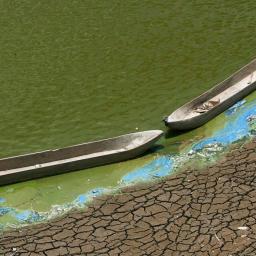
Climate Central: Scientists say cyclical changes in the Pacific Ocean have thrown Earth’s surface into what may be an unprecedented warming spurt, following a global warming slowdown that lasted about 15 yearsWhile El Niño is being blamed for an outbreak of floods, storms and unseasonable temperatures across the planet, a much slower-moving cycle of the Pacific Ocean has also been playing a role in record-breaking warmth. The recent effects of both ocean cycles are being amplified by climate change.
|
 |
by Jon Card on (#ZSHZ)
Agencies faced with challenging briefs are turning to behavioural research and psychologists to harness the power of consumers’ mindsMany of us assume that humans think and act rationally, so when it comes to buying behaviour, we believe that people will buy the best things that they can for the lowest price. But research is revealing aspects of human behaviour that are surprising, suggesting that many consumers are far less calculative. Brands and ad professionals need to take note, because successful messaging doesn’t always involve telling people that something is the best, the cheapest or the right thing to do. In fact, such messaging can often appear counter-intuitive.Richard Shotton is head of insight at Zenith Optimedia. He spends much of his time poring through psychology textbooks, looking for theories that can be applied to ad campaigns. He says there are a growing number of instances where psychology has been used to create counter-intuitive messages, for example the budget airlines that played a masterstroke by admitting their customer service was poor. Continue reading...
|
 |
by Ian Sample Science editor on (#ZSH6)
Researchers hope mapping how mutated gene produces animals’ white patches may lead to medical advancesScientists have solved what shall henceforth be known as the piebald mystery: by discovering the origins of the broad white patches that can adorn the belly and head fur of cats, dogs and farm animals.The distinctive patterns were known to be caused by a mutated gene, but how the faulty DNA produced the signature white bellies and other splashes of light on animals’ coats was far from clear.
|
 |
by Paul Kelley on (#ZSYW)
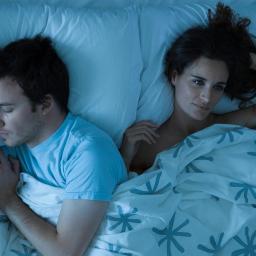
Every day millions of internet users ask Google some of life’s most difficult questions, big and small. Our writers answer some of the commonest queriesWe all have different sleep patterns, and almost anyone can improve theirs. So let’s begin with the three keys to better sleep which might work for an “average†person.The first is a healthy life style. You’re more likely to sleep well if you eat healthily, exercise, and have time for a good social and/or family life. Good nutrition and food habits benefit all bodily functions, including sleep and health; exercise helps reduce stress; and good relationships do the same – while also improving mood, and enabling relaxation before sleep. Continue reading...
|
 |
by Monica Tan on (#ZS6V)
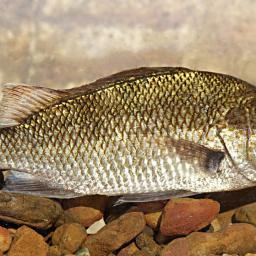
The ‘very beautiful’ gold and silver coloured grunter is one of 20 newly-identified fish species from the remote Kimberley in Western AustraliaTim Winton – best-selling Australian writer and now, also, a fish species newly identified by a team of bioscientists. The 30cm-long grunter was one of 20 new fish species recorded during fieldwork in the Kimberley, in northern Western Australian. Continue reading...
|
by Paul Evans on (#ZRYH)
Wenlock Edge, Shropshire The deer are instinctively wary. I share something like it, an uncanny feeling in an eldritch placeThe feeling of just being watched does not make this place eldritch. A strange, otherworldly, wood, it can feel unsettling at the best of times. Now there’s a chill to the east wind, and the year and the weather have changed. Something hungry moves in the trees.There are eyes watching for that as they watch me, too. It feels like a tightening of the air, a narrowing of sightlines through tree cover so dense it is not possible to see more than 20 metres even where there’s a gap. Continue reading...
by Press Association on (#ZRA1)
Ten-year study shows wide variation in how English hospitals give patients emergency treatment to open blocked coronary arteriesPatients suffering a heart attack are twice as likely to receive life-saving stents to open blocked coronary arteries in hospitals that provide a seven-day service, research shows.The study of 84 English hospital trusts also found patients were 30% more likely to receive stents in hospitals that have more than five cardiologists trained in the procedure. Those patients with a previous heart attack, angina, heart failure or diabetes were less likely to be given stents, as were older patients. Continue reading...
 |
by Ian Sample Science editor on (#ZQ6D)
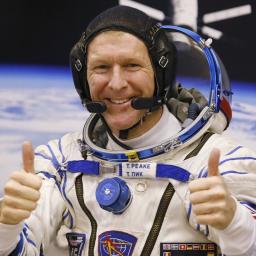
British astronaut ‘thrilled’ to be given task of replacing broken solar-power unit outside craft travelling at 17,500mphTim Peake is to mark his first month on the International Space Station by climbing into a spacesuit and taking a walk outside.Britain’s first European Space Agency astronaut has been called on to perform a six-hour “extra-vehicular activity†(EVA) to replace a broken solar-power unit and lay cables for future docking ports.
|
 |
by Guardian Staff on (#ZPF6)
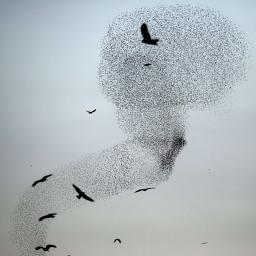
A murmuration, or flock, of migrating starlings has been making stunning formations in the skies above southern Israel this winter Continue reading...
|