 |
by Matthew Syed on (#Z28S)
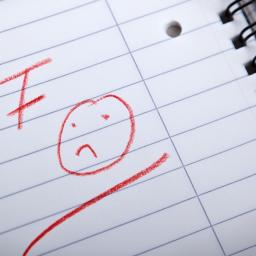
Our X Factor culture obscures the fact that the most important element of success is resilienceWest Point, the training academy for aspiring army officers in the United States, is regarded as one of the most formidable educational institutions in the world. The opening weeks of training are deliberately tough. There are physical and psychological challenges, including gruelling marches carrying heavy weights, and batteries of tests of reasoning and intellect. Many find the going so tough that they drop out. The military has long regarded these opening weeks as a way of separating the best from the rest. Indeed, it has a scientific measure of potential, called the Whole Candidate Score, which measures physical prowess and intelligence through SAT tests. These, plus other ingredients of talent, help to predict which recruits are likely to progress.Related: Importance of failure: why Olympians and A-level students all need to fail Continue reading...
|
| Link | http://feeds.theguardian.com/ |
| Feed | http://feeds.theguardian.com/theguardian/science/rss |
| Updated | 2026-10-02 03:45 |
 |
by Stephen Curry on (#Z227)
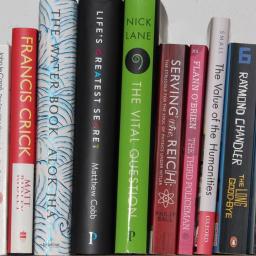
The twenty-three books this scientist read in 2015 in search of stimulation and amusement. For the most part, he was not disappointedHere continueth a tradition I started way back in 2013, having resolved at the beginning of that year to read less internet and more books. I present a review of the twenty-three titles that I got though in 2015, in the order that they were read.As in 2013 and 2014 my predilection for non-fiction remains. The mix of science, science policy, history and biography is leavened by just six novels and one play. Continue reading...
|
 |
by Stuart Clark on (#Z0P9)
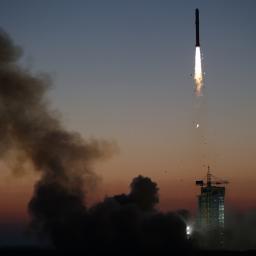
China’s Dark Matter Particle Explorer (DAMPE) has returned its first data to ground stations. Initial assessments indicate everything is working correctly and the spacecraft is now ready to begin a three-year mission.DAMPE, which is also known as Wukong, after the monkey king in the Chinese fairytale Journey to the West, blasted off on 17 December from Jiuquan Satellite Launch Center, Gansu province. Carried on a Long March 2D booster, the spacecraft was placed in a 500km-altitude orbit. Continue reading...
|
 |
by Tim Radford on (#Z0FE)
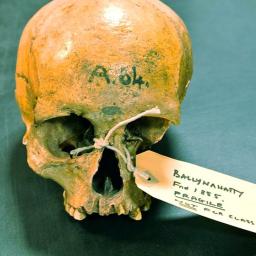
Genome analysis shows mass migration of Stone Age farmers from Fertile Crescent and Bronze Age settlers from eastern Europe was foundation of Celtic populationScientists from Dublin and Belfast have looked deep into Ireland’s early history to discover a still-familiar pattern of migration: of stone age settlers with origins in the Fertile Crescent, and bronze age economic migrants who began a journey somewhere in eastern Europe.The evidence has lain for more than 5,000 years in the bones of a woman farmer unearthed from a tomb in Ballynahatty, near Belfast, and in the remains of three men who lived between 3,000 and 4,000 years ago and were buried on Rathlin Island in County Antrim. Continue reading...
|
by Tim Radford on (#Z0EW)
Scientists and explorers have long tried to understand how Polynesia came to be settled; the shape and contour of one ancient skull may provide a clueEvidence from an ancient graveyard has begun to illuminate one of the great mysteries of the human journey: the peopling of the Pacific. A study in the Proceedings of the National Academy of Sciences reports that the shape and contours of the earliest skull in a 3,000-year-old burial ground in Vanuatu, a group of islands once known as the New Hebrides,suggests a starting point for the great Polynesian migration.This enduring question was directly framed by Captain Cook, the great 18 century navigator, on his third voyage, when he stopped at the Hawaiian islands. He wrote in his journal: “How shall we account for this Nation spreading itself so far over this Vast ocean? We find them from New Zealand to the South, to these islands to the North, and from Easter Island to the Hebrides.†Continue reading...
by Peter Hetherington on (#Z0AW)
Some of the misery caused by the floods could have been prevented, had multiple warnings been heeded about how we use and protect our landTwo years ago, the south of England experienced its wettest period for almost 250 years as tidal surges battered East Anglia, threatening the country’s most productive farmland. Flimsy silt and clay flood defences, at least 50 years old and fast deteriorating, proved no match for the forces of nature.Although damaging sea water seeped into some of the nation’s finest acres, disaster was avoided – just. “But we were inches away from something terrible,†said a senior director of Norfolk county council as he viewed what seemed a pending catastrophe. We had been warned. Continue reading...
 |
by Diane Taylor on (#Z06S)
Laura Jacques and Richard Remde received news of second dog’s birth on Monday morning after paying £67,000 to South Korean cloning firmA British couple have been celebrating after a second cloned puppy was born using DNA from their beloved pet dog who died earlier this year.Richard Remde and Laura Jacques from West Yorkshire paid £67,000 to have their boxer dog, Dylan, who died of a brain tumour in June, cloned. Continue reading...
|
 |
by Guardian Staff on (#Z06V)
The second cloned puppy from a dead pet boxer dog sleeps with its sibling in Sooam Biotech Research Foundation after being born in the early hours of Monday morning. West Yorkshire couple Richard Remde and Laura Jacques paid £67,000 to have their pet boxer dog cloned. The puppies are called Chance and Shadow Continue reading...
|
 |
by Damien Gayle on (#YZ7R)
Copies of 15-metre Temple of Bel entrance in Syria to be built in Trafalgar Square and Times Square in ‘gesture of defiance’Replicas of an ancient monument in Palmyra that has apparently survived attempts by Islamic State to demolish it are to be erected in London and New York.The 15-metre structure is one of the few remaining parts of the 2,000-year-old Temple of Bel in the Syrian city. Isis fighters all but razed the temple as they systematically destroyed Palmyra over the past year. Continue reading...
|
 |
by Arne Dietrich on (#YZ83)
Don’t go hunting for it as though it were a single entity. Creativity emerges from a variety of mental process and has no precise locationEven in the wilderness that is human thinking, creative ideas seem to be deliberately designed to defy empirical inquiry. There is something elusive, perhaps even mystical, about them – visits from the muse or lightbulbs come to mind.So what are neuroscientists to do if they want to study inspiration in the lab, under tightly controlled conditions? Clearly, they cannot simply take volunteers, shove them into the nearest brain scanner, and tell them: now please be creative. Continue reading...
|
 |
by John Vidal on (#YX8R)
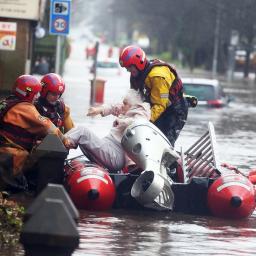
Scientists say flooding in Britain, record US temperatures and Australian wildfires linked to El Niño making effects of man-made climate change worseFrom some of the worst floods ever known in Britain, to record-breaking temperatures over the Christmas holiday in the US and and forest fires in Australia, the link between the tumultuous weather events experienced around the world in the last few weeks is likely to be down to the natural phenomenon known as El Niño making the effects of man-made climate change worse, say atmospheric scientists.El Niño occurs every seven to eight years and is caused by unusually warm water in the Pacific Ocean. This year’s event is now peaking and is one of the strongest on record, leading to record temperatures, rainfall and weather extremes.
|
 |
by Ben Quinn on (#YW9Z)
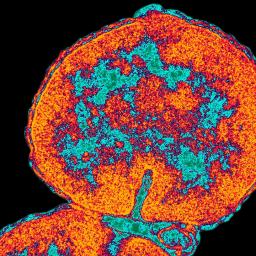
Dame Sally Davies asks GPs and pharmacies to ensure they are prescribing correct drugs after 16 cases of drug-resistant strain of STI this yearGonorrhoea is at risk of becoming an untreatable disease, England’s chief medical officer has said.Dame Sally Davies has written to all GPs and pharmacies to ensure they are prescribing the correct drugs after the rise of a highly drug-resistant strain of the infection. Continue reading...
|
 |
by Megan Carnegie Brown on (#YWE7)
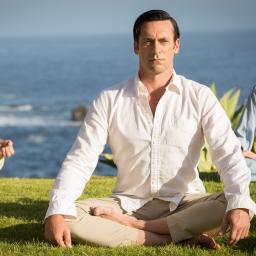
Is Instayoga all about self-reflection or self-promotion? Megan Carnegie Brown on a new incarnation of yogaAnne-Marie Newland’s students wouldn’t dare use their mobile phones in her yoga class, let alone take a surreptitious snap of their sphinx pose. However Newland, founder of the Sun Power Yoga School, is reluctant to criticise the growing presence of yoga selfies on the internet. The Instayoga trend now extends far beyond the usual celebrities – searching #yogaeverydamnday on Instagram generates more than 4m posts, and a nameless model known only as nude_yogagirl attracted 80,000 followers after joining the site five weeks ago (though that may have been the “nude†rather than the “yogaâ€). But how should we view this eruption of self-promotion when yoga is founded upon principles of self-reflection?Newland, who is based in Leicester, advises us to consider the reason for each upload. “The difficulty is seeing past all these fashionistas who are jumping on the bandwagon. If the intent is to be trendy, to big yourself up, to show how you’ve matched your nail colour to your mat, then you’ve missed the point of yoga,†she says. Continue reading...
|
 |
by Ben Ambridge on (#YWAP)
Do you roll over or under? Next time you visit the smallest room in the house have a look at the loo rollThis week let’s do a bit of – ahem – roll play. How do you prefer to hang your toilet roll? Do you like the loose end to be far away from the wall (the over style) or next to the wall (the under style)?Now let’s see what Dr Gilda Carle (“relationship expert to the starsâ€) has to say about your choice. Continue reading...
|
 |
by Alice Roberts on (#YVMK)
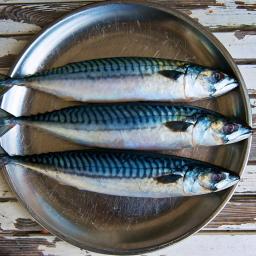
The World Health Organisation found there was enough evidence to say that salted, cured, fermented or smoked meats were indeed carcinogenicChristmas is the time of the year when I struggle most with being a vegetarian. I gave up meat when I was 18, and it was an ethical decision. I loved the taste, and went on holiday to Greece, fairly gorging myself on lamb souvlaki before taking the plunge into a meatless existence. I was a fairly strict vegetarian – I ate eggs and dairy products but nothing that would involve killing an animal to furnish the food on my plate. (Although Hugh Fearnley-Whittingstall once reminded me that the dairy industry involves quite a bit of death, if you’re a male calf, and it’s not all sweetness and light for the female calves and their mothers, either. Thanks for that, Hugh).I’m now one of those vegetarians I used to frown at – one who occasionally eats fish Continue reading...
|
 |
by Dalya Alberge on (#YVEF)
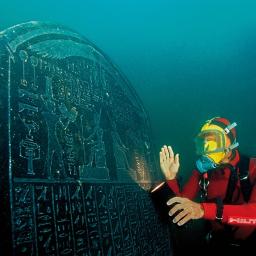
Excavation reveals scale and importance of Greek city on Nile delta that dominated tradeA major excavation led by the British Museum has unearthed a wealth of revealing detail about a Greek trading city in ancient Egypt. Wood from Greek ships and Egyptian figurines dedicated to a “festival of drunkenness†are among more than 10,000 ancient artefacts discovered on the site of the city of Naukratis, which was on the Nile delta. The ancient port is mentioned in the accounts of Herodotus, the Greek historian writing in the fifth century BC.The finds reveal a vast trading network befitting an international city with a history spanning 1,000 years from the seventh century BC. Dr Ross Thomas, the British Museum curator who leads the project, told the Observer that Naukratis should now be viewed as “the Hong Kong of its eraâ€. Continue reading...
|
 |
by Diane Taylor on (#YTR4)
Laura Jacques and Richard Remde were devastated when their beloved pet died. Now they are looking forward to meeting his replicaOn the mantelpiece is a sign saying “A home is not a home without a dogâ€. Next to it, in the couple’s living room, is a framed picture of a dog, which is itself nestled among various dog ornaments. The kitchen, where Laura Jacques and Richard Remde’s four dogs primarily play and rest, is similarly adorned. Upstairs is the couple’s super-kingsize bed, roomy enough to accommodate two humans and four dogs. Even the toilet has a little stuffed dog propped up on a wicker basket.Visitors to the couple’s home in Silsden, West Yorkshire, are left in no doubt about the importance of dogs in their lives. Their four dogs will soon become six, when they bring home two cloned boxers, the first in the world to be duplicated from a pet that had been dead for more than two weeks. Continue reading...
|
 |
by Guardian Staff on (#YTQA)
A British couple make history as a boxer puppy is born after being cloned from their dead pet dog on Boxing Day in South Korea. Laura Jacques and Richard Remde from Yorkshire were grief stricken after their boxer died in June, and decided to have a puppy cloned from it by Sooam Biotech Research Foundation Continue reading...
|
 |
by Diane Taylor on (#YTJS)
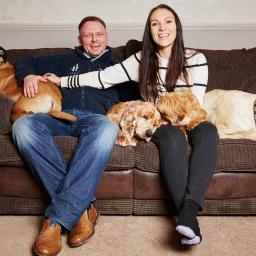
West Yorkshire couple Laura Jacques and Richard Remde enlisted South Korean firm offering dog-cloning service for £67,000A British couple have made history after a surrogate dog gave birth to the first cloned puppy of its kind on Boxing Day.In the first case of its kind, the boxer puppy was cloned from the couple’s dead dog, Dylan, almost two weeks after it died. The previous limit for dog cloning was five days after death. Continue reading...
|
 |
by Adam Lee on (#YT8J)
If you look beyond the tumult of sensational headlines and atrocities, there’s a quiet trend of improvement throughout the worldThe year that’s past was a season of fear. Next to the onslaught of anxiety, hope and optimism seem powerless, if not downright foolish. As a motivating force, hope is more fragile, harder to inspire, easier to lose sight of. Fear is a powerful motivator and easy to conjure – but only hope can lead us into a better world.In 2015, the brutal violence of the Syrian civil war, which gave rise to a wave of refugees on Europe’s doorstep, metastasized into bloody terrorist attacks in Paris and San Bernardino. In the US, fear and xenophobia is now the theme of the Republican presidential primary. Donald Trump led the way, openly appealing to bigotry in his call to bar all Muslims from the US, but the other candidates weren’t far behind. Continue reading...
|
 |
by Ian Sample Science editor on (#YRT8)
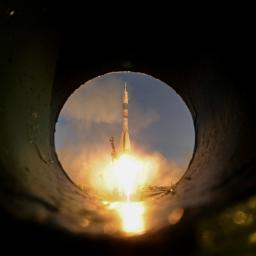
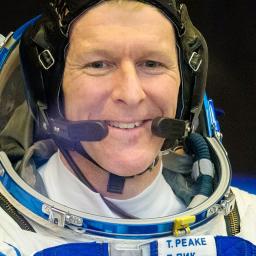
Major Tim Peake became Britain’s first career astronaut to make it into orbit – but scientific advances and Pluto discoveries were even bigger news
|
 |
by Press Association on (#YQZN)
British astronaut on board the International Space Station tweets apology to woman he rang by mistake and to whom he said, ‘Hello, is this planet Earth?’British astronaut Major Tim Peake has apologised for dialling a wrong number and saying: “Hello, is this planet Earth?â€
|
 |
by Associated Press in Rome on (#YPEN)
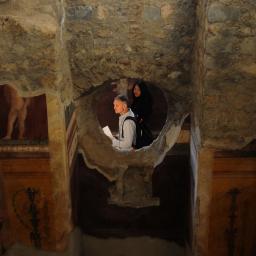
Italian prime minister Matteo Renzi hails restoration of homes, bathhouse and laundry as he unveils new marvels at ancient city swallowed by volcanic eruptionTourists in ancient Pompeii have freshly restored marvels to admire, including a merchant’s luxuriously decorated home and a more modest middle-class dwelling.A business where Pompeii residents brought fabrics to be cared for and a structure with thermal bathing areas are also among the six buildings opened to the public on Thursday after a €105m (£77m) restoration. Continue reading...
|
 |
by Tash Reith-Banks on (#YNWE)
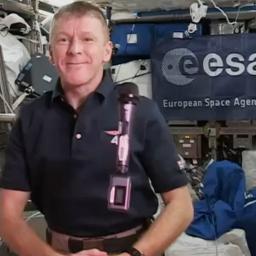
From the excitement of the Pluto flyby to the discovery of new dinosaurs, we take a look back at some of the biggest science stories of the past 12 months Continue reading...
|
 |
by Kathryn Harkup on (#YNAP)
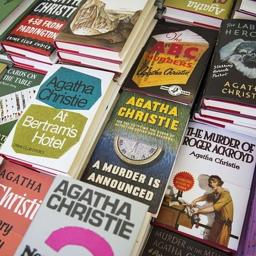
A bottle of wine laced with deadly poison; a stack of Agatha Christie books in the suspect’s home: the ingredients for a true-life Christmas Eve crimeOn 24December 1977 in Créances, France, Maxime Masseron, 80, and his wife sat down for their Christmas Eve meal. They had decided to open a bottle of Côtes du Rhône given to them by their nephew, Roland Roussel, in the summer. The elderly couple were normally abstemious and they had saved the bottle for a special occasion. Perhaps they toasted their nephew before they took a drink. A few minutes later Maxime was dead and his wife was unconscious.Fortunately a neighbour found the couple and Mrs Masseron was rushed to hospital but was still in a coma 11 days later. Doctors thought it was a case of food poisoning; the couple had made a mistake in the preparation of their festive food, a tragic accident. However, the diagnosis came into question a few days later when the couple’s son-in-law, Paul Isabert, and the local carpenter, Roger Regnault, called at the Masseron’s home. The bottle of wine was still on the table. Perhaps the pair drank to the memory of Maxime or to the speedy recovery of his wife. Maybe they just didn’t want to waste the wine. Whatever the reason, they both collapsed on the floor unconscious. Continue reading...
|
 |
by Diane Taylor on (#YJH1)
Laura Jacques and Richard Remde are first British customers of Sooam Biotech Research FoundationA British couple has flown to South Korea to await the arrival of two puppies due to be born over Christmas after having their dead pet cloned.Laura Jacques and her partner, Richard Remde, from Yorkshire, are the first UK customers to employ the services of the Sooam Biotech Research Foundation, which offers a dog cloning service for $100,000 (£67,000) per canine. Continue reading...
|
 |
by Emily Price in San Francisco on (#YMJJ)
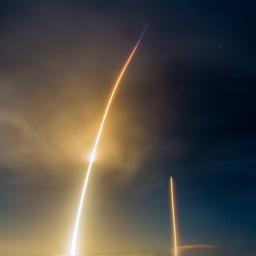
Washington thinktank claims SpaceX founder, Bill Gates and Stephen Hawking, are contributing to ‘alarmist’ concern about machine intelligenceIt has been a remarkable year for Elon Musk, the CEO of the high-end electric car company Tesla and SpaceX, which on Monday announced that it had successfully launched and then returned a rocket to Earth.His pioneering contribution towards cheaper, and less resource-intensive transportation means he is generally considered one of technology’s most successful innovators. Yet Musk has just been labelled “a luddite†by a Washington-based policy thinktank the Information Technology and Innovation Foundation, which shortlisted him for its annual Luddite Awards. Continue reading...
|
 |
by Agence France-Presse in Paris on (#YMGN)
Based on trials over two decades, study says millions of lives could be saved by lowering threshold at which pressure is treatedMillions of lives could be saved by giving blood pressure lowering drugs to people at risk of heart attack and stroke even if they have normal pressure, researchers have said.
|
by Paul Simons on (#YM55)
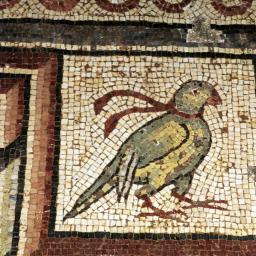
Mistletoe is a wonderful plant, and not just for Christmas. It is actually a vampire, a parasite which sucks water and minerals out of the trees it grows on, drawing the sap out with such power it can leave the trees short of water.For Christmas, though, this has been a great year for mistletoe. The season began well in February and March when the flowers came out in dry, sunny, weather and were pollinated well by early flying insects. “You could walk into an orchard and hear the buzzing from early emerging insects looking for nectar,†says Jonathan Briggs, an ecologist and mistletoe specialist. Sunshine and showers over the summer and autumn made the berries swell, leading to plenty of big succulent fruits now. Continue reading...
 |
by Claudine Dauphin on (#YKKQ)
Israeli authority on the Byzantine Christian archaeology of the Holy LandThe particular achievement of the Israeli scholar Yoram Tsafrir, who has died aged 77, was to establish the Byzantine Christian archaeology of the Holy Land as a discipline in its own right. The region’s ancient history is reflected in the Bible, and has long been subject to archaeological inquiry. Its classical period, from Alexander the Great in 332BC to the Roman invasion of 63BC, the Great Jewish Revolt of AD67-73 and the fall of Jerusalem in AD70, is also well-documented archaeologically. Yoram’s work focused on the four centuries from the Roman Emperor Constantine’s conversion to Christianity in AD313 and establishment of a new capital for the empire in Byzantium, which in AD330 became Constantinople (now Istanbul in Turkey), until the Arab conquest of AD636-640.In 1976 Yoram started excavations that resurrected the Byzantine town of Ruheiba, in the Negev desert of what is now southern Israel. In the first century this was a way-station, a stopping point for caravans of traders and their pack animals, for the Nabateans, an Arab people whose capital was Petra. From the second half of the fourth century it grew into an extensive Byzantine agricultural and trade landmark on the roads to Gaza both from southern Palestine and across the River Jordan. Continue reading...
|
by Editorial on (#YKF8)
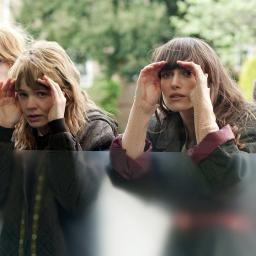
Different countries have different objectives, but exploring space relies on cooperation and planningThe face said it all. Moments after floating aboard the International Space Station, Tim Peake, Britain’s European Space Agency astronaut, was on our screens and beaming. Who can blame him? After years of tough preparation, Mr Peake had at last reached space. He is there to do science, and is clearly intent on enjoying himself while he does it.The first module of the International Space Station was lofted into orbit 17 years ago, when Cher’s Believe led the UK singles chart. Since then, the station has grown to the size of a football field. It now functions as a unique laboratory for studying the space environment. Under the latest pledges from supporting nations, the lab will remain in orbit until 2024. Plenty has been learned from building and maintaining it, and experiments playing out. And there is far more science to be done. But as the space station approaches its final years, a fresh focus is called for. The veteran space nations, and those that are emerging, must work together on humanity’s next adventure in the heavens. Continue reading...
 |
by Stephen Moss on (#YKF9)
A British couple have paid $100,000 to clone their dog. But however tempting the process might be for a human egoist, it would destroy the point of life: that it endsThe first thing to say is that $100,000 is a lot of money. Especially for a dog. OK, two dogs – clones of Laura Jacques and Richard Remde’s late but much-loved boxer Dylan.In their grief, Laura and Richard have turned to a controversial clinic in South Korea to create two clones from Dylan, using DNA taken 12 days after he died. Doggone – but only for the moment. Continue reading...
|
 |
by Diane Taylor and Mat Heywood on (#YJGM)
Distraught after the death last summer of her much-loved eight-year-old boxer dog Dylan, Laura Jacques and her partner Richard Remde tell how they found a way to keep their pet’s memory alive. Dylan has been successfully cloned by South Korean firm Sooam Biotech Foundation. Costing more than £60,000, the process was fraught with difficulty, but the couple, from Silsden, West Yorkshire, are expecting the birth of two puppies on Boxing Day Continue reading...
|
 |
by Press Association on (#YH5R)
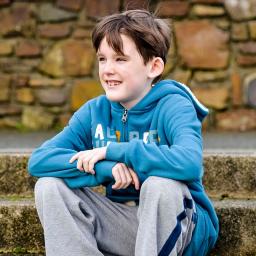
Nathan Crawford becomes first in UK to undergo process, having been diagnosed with brain tumour requiring treatment that risks making him infertileA nine-year-old boy with a brain tumour has become the first person in the UK to have testicular tissue frozen in the hope that he can have children later in life.Nathan Crawford has undergone radiotherapy and chemotherapy to shrink his tumour, which is inoperable, but the treatment could make him infertile. In a groundbreaking procedure, surgeons at the John Radcliffe hospital in Oxford have removed and frozen a wedge of testicular tissue, with the aim that it is one day re-implanted into Nathan. Continue reading...
|
 |
by Rafael Behr on (#YHTT)
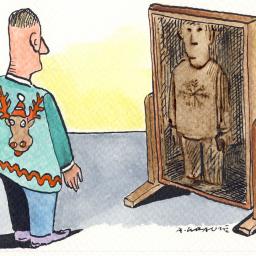
In these troubled times the urge is to seek comfort in false memories. But that instinct is misguidedA consoling thought for turbulent times: these are the good old days – or they will be eventually. All but the very worst days improve with age. Memory edits and blurs with a sepia wash. The most banal features of the past acquire value by virtue of being the irrecoverable experience of our younger selves. So it will be with 2015. Remember when hipster men wore beards like skinny young Father Christmases, Nadia won Bake Off and we all danced to Uptown Funk? Those were the days.Nostalgia is a cultural and a cognitive phenomenon, and common memories are the glue that holds a society together in shared endeavour. Agreeing to look fondly on where we have been together makes it easier to travel onward without rancour. But our brains collude by adjusting our past to make it a neater fit with the present. Continue reading...
|
 |
by Guardian Staff on (#YHTB)
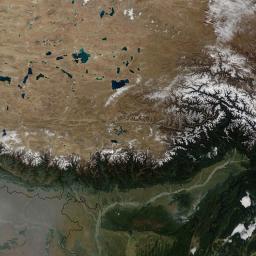
Iceberg cloud wakes in the Antarctic, cloud vortices in the Indian Ocean and salt pans in the Australian desert were are among the images captured by European Space Agency and Nasa satellites last monthOn 20 November, satellites captured this image of fresh snow that had fallen along the Himalayan range in central Asia. The moisture for snowfall in this part of the range is delivered primarily by the summer monsoon. The mountains form a natural barrier that blocks monsoonal moisture from reaching the Tibetan plateau to the north. This makes the plains south of the mountains green with vegetation, while much of the plateau is brown and comparatively barren. Haze over India is visible in the south-west corner of the image, most likely from fires set in preparation for crop sowing. Continue reading...
|
 |
by Associated Press on (#YH6C)
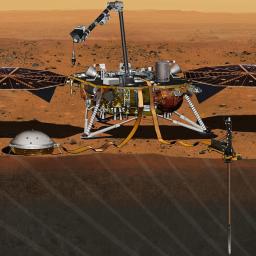
InSight spacecraft, designed to study planet’s interior, will not launch in March as planned because of flaw in seismometer pouchNasa is calling off its next probe mission to Mars because there isn’t enough time to fix a leaky seal on a key science instrument.The InSight spacecraft was set for launch in March. The problem is with a protective pouch around the lander’s seismometer, which was designed to measure ground movement on the planet. Continue reading...
|
by Agence France-Presse in Paris on (#YH5Q)
Monitoring of space objects should include giant ‘centaurs’ that could rain down debris for thousands of years, astronomers recommendEarth could be at higher risk of being hit by a comet than widely thought, according to astronomers who have suggested keeping a closer eye on distant objects.
 |
by James Meikle on (#YH35)
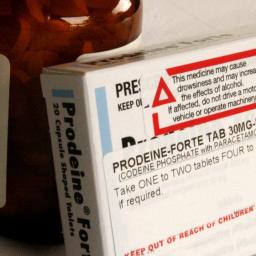
Lack of efficacy and risk of intoxication and addiction suggest use of over-the-counter codeine drugs may be unwarranted, says report
|
 |
by Bim Adewunmi and Archie Bland on (#YGB8)
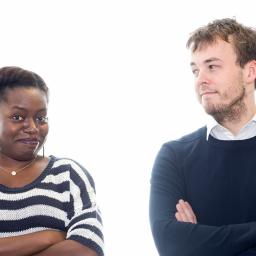
In January, a survey that claimed to make people fall in love swept the internet. Two Guardian writers went on a date to put it to the test. Did they live happily ever after?About six weeks after I took part in the 36 Questions That Make You Fall In Love experiment, a woman approached me as I browsed magazines in a bookshop in Lagos, Nigeria. “Excuse me,†she asked. “Are you Bim Adewunmi from the Guardian?†I confirmed her suspicion. Encouraged, she put her hand on my arm in a classic “auntie†move and, without preamble, blurted out: “So, is Archie your boyfriend now?†As narratives of finding love go, this would be the one to wheel out at parties. The 36-question experiment is fairytale-adjacent – real people in an unreal situation – which is the sweet spot for many people’s romantic side. Archie and I were characters, and readers love a perfect narrative, wrapped up in a bow.Related: Love is … getting the answers to all these 36 questions right Continue reading...
|
 |
by Tim Radford on (#YG4R)
Scientists able to distinguish ‘signatures’ and sequence of mortar fire and other blasts remotely, revealing seismology as a potential aid during terror attacksA seismometer tucked away in a Baghdad office has just delivered an action audio-replay of explosive violence at a US military base miles away.The instrument, picking up data 100 times a second, recorded every tremor from a series of explosions that followed a mortar shell or rocket impact in an ammunition store on 10 October, 2006. Continue reading...
|
 |
by Tim Radford on (#YFVD)
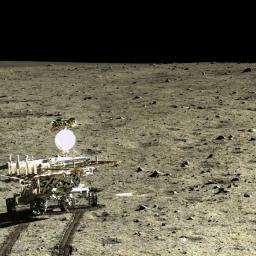
The Yutu rover, part of the Chang’e-3 unmanned lunar mission, has identified a type of basalt unlike anything collected by previous Soviet or US missionsChinese scientists have identified a new kind of rock on the moon. An unmanned Chinese lunar lander, launched in 2013, has explored an ancient flow of volcanic lava and identified mineral composition entirely unlike anything collected by the American astronauts between 1969 and 1972, or by the last Soviet lander in 1976.The news, dispatched from an impact crater in the Mare Imbrium, is another reminder that planetary exploration is no longer the preserve of the Russians, the Americans or the European Space Agency: Japan, India and China have all launched lunar orbiters on their own rockets. Britain launched its own satellite, Prospero, on its own rocket, Black Arrow, from its own launch site in Woomera, Australia, in 1971 and then withdrew from the space race. Continue reading...
|
by Dean Burnett on (#YFB3)
As today’s Google doodle celebrates, it’s the winter solstice, the shortest day of the year. Be wary, as the amount of daylight we experience can affect our bodies and brainsIt’s the winter solstice. The shortest day of the year. Except it isn’t. Today will last 24 hours, like every other day (give or take). Granted, what with the Earth’s rotation gradually slowing down then your typical day is going to get increasingly long, but that’s not anything we need to worry about right now.Obviously, when people say it’s the “shortest day†it means this day has the shortest period of daylight, as opposed to night time darkness, when compared to all the others. This is a consequences of the fact that planet Earth is “tilted†at an angle, so different parts of the planet are exposed to differing amounts of sunlight depending on where it is in its orbit. So that’s nice. Continue reading...
 |
by Kate Griffin on (#YF3E)
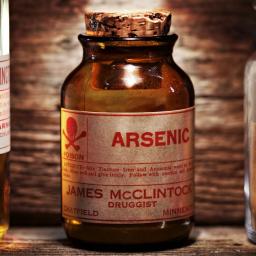
Kate Griffin, author of the Kitty Peck novels set in the criminal underworld of Victorian London, examines the nineteenth century origins of toxicologyPoison is a deliciously evil word. Say it now – purse your lips and savour the shape, if not the taste, of those sleek, fat vowels filling your mouth. Quite thrilling, isn’t it?
|
 |
by Guardian Staff on (#YF04)
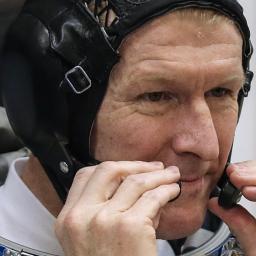
Tim Peake calls his parents from the International Space Station – but they were out, so he leaves a message on their answerphone instead. Nigel and Angela Peake arrived home in Westbourne near Chichester on Monday to the message: ‘Hello, this is your son from the International Space Station. I will try and get you later’. His father says they had only popped out for an hour. Photograph: TASS/Barcroft Media Continue reading...
|
 |
by Guardian Staff on (#YES7)
A SpaceX Falcon 9 rocket blasts off from Florida before the reusable main-stage booster turns around, soars back to Cape Canaveral and lands safely. The ability to return rockets to Earth so they can be refurbished and reflown would slash the operational costs. SpaceX employees cheer as they watched live video footage of the picture-perfect landing. Photograph: Reuters/Joe Skipper
|
 |
by Reuters on (#YDGW)
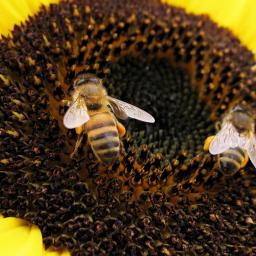
Researchers point to concerns over pesticides as diseases as bee numbers drop while farmland requiring the pollinators increasesWild bees, crucial pollinators for many crops, are on the decline in some of the main agricultural regions of the United States, according to scientists who produced the first national map of bee populations and identified numerous trouble spots.The researchers on Monday cited 139 counties as especially worrisome, with wild bee numbers decreasing while farmland for crops dependent on such pollinators is increasing. Continue reading...
|
by Editorial on (#YD05)
The museum has a key role to play in public education. But that doesn’t just happen in the galleries and exhibition spacesEvery year, the Natural History Museum hosts an outdoor ice skating rink. It’s a great day out for thousands of families. But it’s also a bizarre exercise for an organisation that aims to put climate change at the heart of its programme of public engagement with science. The museum is unable to reveal what the carbon emissions are from making sure an ice rink stays icy when the ambient December temperature is in the mid-teens and the daffodils are already out. But it seems a safe bet that – struggling against a continual thaw – it is consuming many kilowatt-hours of electricity every day. Until the day arrives that Britain generates all of its electricity from renewable sources, the rink will continue to contribute to the emissions that are changing our climate.The museum’s supporters would argue that the work it does through its exhibitions and galleries such as the Darwin Centre, all of which is supported by the revenue from the ice rink, far outweighs its small part in global warming. But messages matter. Climate change needs global buy-in. This will be a painful process, particularly for the generation now paying for greening the economy. It will not be democratically palatable unless most citizens feel they can help to make a difference, and that they too can help to keep the planet safe. That means big things like, say, only saving in ethical funds as well as small things like turning off the lights. But if a major trusted source of information is sending out a conflicting message, they may wonder why they should bother. Continue reading...
 |
by Mark Lorch on (#YCQW)
Still not bought a present for your chemistry-mad partner/sibling/child? You’ve left it late, but you’ve still got a couple of days left: here are some suggestionsWhen I was 12 I got a chemistry set for Christmas. Back then in the pre-health and safety 1980s you still got some bang for your buck. And I remember many a Saturday afternoon tucked away in my Dad’s shed trying to generate them (bangs, not bucks). Come the nineties and chemistry sets still had some spice to them. Then the naughties hit and the chemistry you could buy in the toy shop dwindled under the pressure of legislation. Continue reading...
|
 |
by Alex Bellos on (#YCMC)
The answer to today’s mince pie puzzleEarlier today I set you the following Christmas puzzle, by Henry Ernest Dudeney, which first appeared in The Weekly Dispatch in 1896.The Twelve Mince Pies Continue reading...
|