by Homa Khaleeli on (#9WC0)
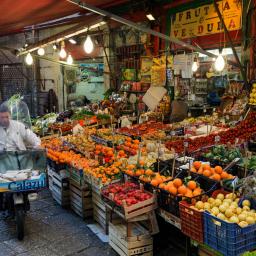
As Leon Lederman flogs his Nobel medal, he joins an illustrious list of other scientists, sports champions and actors to have sold off their silverware. So how much can you expect to pay for them? Continue reading...
| Link | http://feeds.theguardian.com/ |
| Feed | http://feeds.theguardian.com/theguardian/science/rss |
| Updated | 2026-10-01 05:30 |
 |
by George Monbiot on (#9VRB)
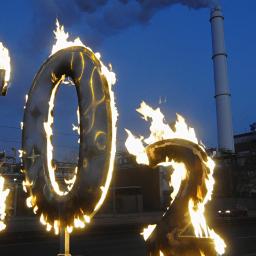
New evidence shows that catastrophic climate change probably destroyed 96% of species at the end of the Permian period. It could happen again Continue reading...
|
 |
by Hannah Devlin Science correspondent on (#9T6Z)
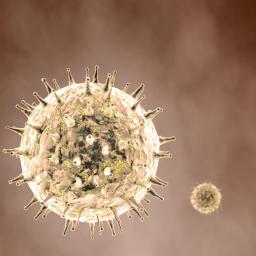
‘Virotherapy’ uses modified herpes virus to attack melanoma cells and has potential to overcome cancer even when disease has spread throughout the body
|
 |
by Associated Press in Beijing on (#9V2S)
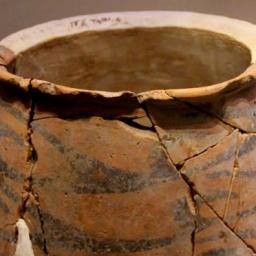
Police say highly organised group broke into Neolithic site and carried out theft on an industrial scale, with 1,168 relics recovered in swoop by 1,000 police Continue reading...
|
 |
by Associated Press in Boise on (#9THC)
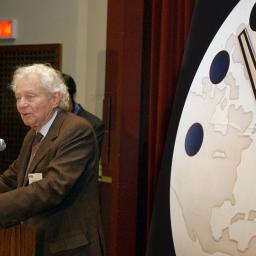
Leon Lederman, 92, won prize for physics in 1988 for discovering a subatomic particle called the muon neutrino Continue reading...
|
 |
by James Meikle on (#9TGB)
Italian researchers claim women with a diet comprised mainly of nine key elements and only moderate alcohol are at a lower risk of developing the disease
|
 |
by Natalie Haynes on (#9SXM)
Margaret Atwood is the first author to submit work for the Future Library project – while Douglas Adams’ Hitchhiker is remembered in space Continue reading...
|
 |
by GrrlScientist on (#9SVW)
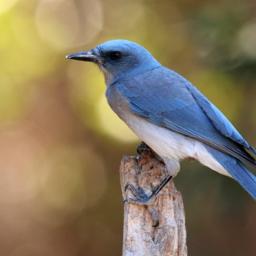
Wild birds identify “good†seeds without first opening the shells by weighing them and by listening to the sound produced when clicking their beaks on the shell, according to a recent study Continue reading...
|
 |
by Alex Bellos on (#9RQ2)
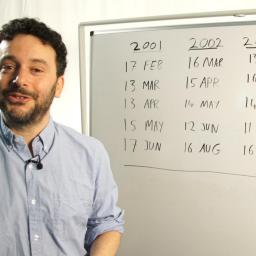
Yesterday Alex set you a challenge: the sequel to Cheryl's birthday puzzle. Did you manage to solve it? Click on the video to watch Alex work it out and see if your answer matches. See you in two weeks for the next puzzle! Continue reading...
|
 |
by Alex Bellos on (#9RH8)
The last word on Albert, Bernard, Cheryl and Denise. With workings.Guzzlers, how did you get on?Let me first restate the problem. Albert, Bernard and Cheryl became friends with Denise, and they wanted to know when her birthday is. Denise gave them a list of 20 possible dates.Albert: I don’t know when Denise’s birthday is, but I know that Bernard does not know.Bernard: I still don’t know when Denise’s birthday is, but I know that Cheryl still does not know. Continue reading...
|
 |
by Maev Kennedy on (#9R20)
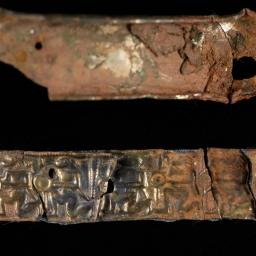
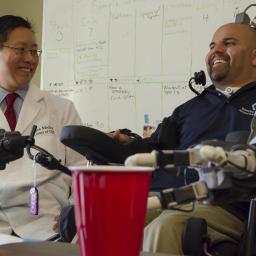
Anglo-Saxon headgear reconstructed from more than 1,500 pieces as £400,000 grant is announced to fund further work on the treasureMore than 1,500 scraps of silver gilt foil from the Staffordshire hoard of Anglo-Saxon treasure, including strips stamped with designs of warriors and beasts and other fragments the size of a fingernail, are being pieced together by archaeologists and conservators into a warrior’s helmet of international importance – as it is one of only five ever found.With years of conservation and research remaining, Historic England will announce a £400,000 grant on Tuesday to fund the continuing study of the largest hoard of Anglo Saxon precious metal work ever found. It was discovered by a metal detector in 2010 in Staffordshire farmland before another 90 pieces were recovered from the same field three years later.Related: Staffordshire hoard site yields further 90 fragments Continue reading...
|
 |
by Editorial on (#9T71)
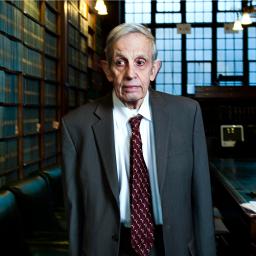
Some medical research on primates is vital. It must be humanely conducted, but abandoning it would be craven and foolish Continue reading...
|
 |
by Len Fisher on (#9QKA)
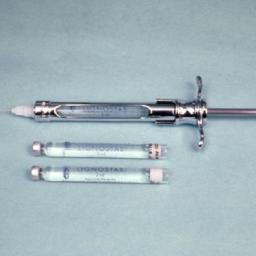
Nobel prizewinning mathematician whose life was depicted in the film A Beautiful Mind Continue reading...
|
 |
by Mo Costandi on (#9QD1)
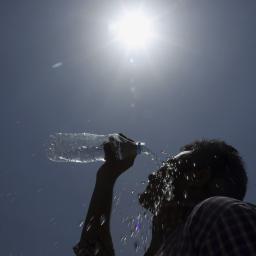
Researchers have identified a third gene that causes congenital insensitivity to pain when mutated
|
 |
by Jason Burke in Delhi on (#9PT7)
High of 47.7C recorded in northern city of Allahabad, with most recorded deaths due to heatstroke and dehydration in rural areas in south Continue reading...
|
 |
by Nic Fleming on (#9PR1)
GPs write millions of prescriptions for this painkiller each year and millions more packets are bought over the counter. It has generally been considered cheap, safe and effective. But should we think harder before we pop another pill?You have a headache after a glass of wine too many. Your back aches from another day hunched over a keyboard. That old shoulder injury is playing up again. What do you do? There is a good chance that you will reach for the unglamorous white pills lurking in your medicine cabinet.Paracetamol is the workhorse painkiller. GPs wrote 22.5m prescriptions for it in 2013. Around 200m packets of it are sold annually, accounting for two-thirds of the UK market for over-the-counter painkillers. It is widely viewed as cheap, safe and effective. Continue reading...
|
 |
 |
by Adam Rutherford on (#9MZ0)
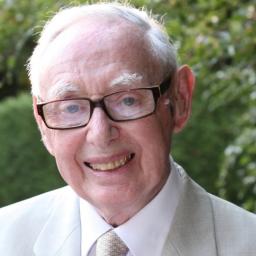
The advent of cheap genetic sequencing has given birth to a burgeoning ancestry industry. But before you pay to spit in a tube, let me give you a few facts for free Continue reading...
|
 |
by Agence France-Presse on (#9MS8)
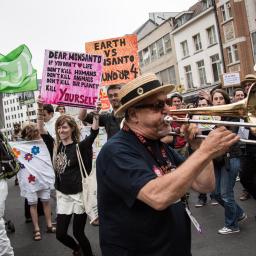
The third annual March Against Monsanto was held in around 400 cities in more than 40 countries from the Americas to Africa and Europe Continue reading...
|
 |
by Daniel Boffey on (#9KR4)
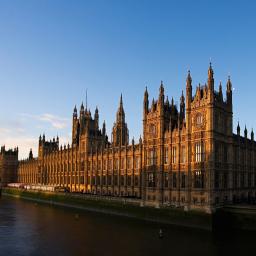
An excavation of parliament to find the original bell, Great Tom, could unwrap many medieval secretsSuch is the state of disrepair of the Palace of Westminster that experts say the famous bell tower that houses Big Ben is gradually leaning over. But as time runs out for the old bell, its once equally renowned ancestor, Great Tom, could emerge from the past this summer as archaeologists conduct the first excavation at parliament in a generation.The original tower was built around 1288 during the reign of Edward I, a little further from the river than the current tower, which was built in 1859 and is officially called the Elizabeth Tower – though in the public imagination it is firmly identified with its 16-tonne bell. Continue reading...
|
 |
by Press Association on (#9JK2)
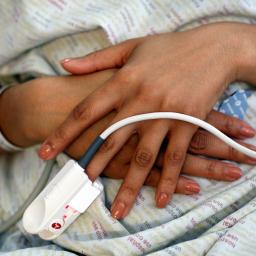
Faster resting heart rates are associated with increased risk of developing diabetes, finds study published in International Journal of Epidemiology Continue reading...
|
 |
by Robert Booth on (#9JFJ)
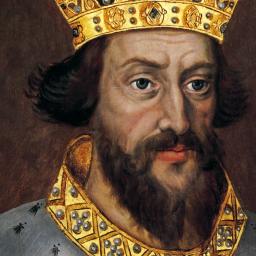
After the 2015 reburial of King Richard III, experts are suggesting the remains of William the Conqueror’s son, who died in 1135, lie in Reading Continue reading...
|
 |
by David Cox on (#9J01)
The Eurovision final raises many questions, but here’s a scientific one: why, when we’re all capable of song, are some of us are Abba whilst others are Scooch?The Eurovision Song Contest, the continent’s annual carnival of the wacky and the weird, celebrates its 60th birthday in Vienna on Saturday night. Without it we would never have seen Russia in uproar over an Austrian drag queen, been introduced to Finnish death metal in its purest form, or witnessed the Irish attempt to win with an act called Dustin the Turkey.It’s sometimes easy to forget that beneath the costumes, the theatrics and the tactical voting, lies a talent contest. All of the Eurovision entrants intend to make an impact through the power of song, with varying degrees of success. So why is it that some carry a tune better than others? Continue reading...
|
 |
by Guardian Staff on (#9HR5)
Recent revelations show that Theresa May hoped to censor TV shows using anti-extremism laws, and the government seem keen to pursue this strategy. But the actual evidence presents a few [made up by lefties] problemsA leaked memo reveals that the home secretary, Theresa May, planned to introduce powers to screen and censor TV shows under the guise of combatting extremism. This was not well received by other [stupid] members of the government, in an exclusive story by the [traitorous, commie-loving] Guardian. But with a new Conservative majority in charge seemingly determined to clamp down on “objectionable†speech that doesn’t conform to certain “valuesâ€, we can expect to see more attempts to pre-emptively screen and edit material that doesn’t conform to the view of the establishment [which is brilliant news].Does this approach actually work though? It’s a common tactic used by less tolerant [but far superior] governments and authorities, but many people object to censorship [although they’re probably terrorists and sex offenders]. And given our modern, interconnected society, is it even possible any more? Continue reading...
|
 |
by Guardian Staff on (#9HQR)
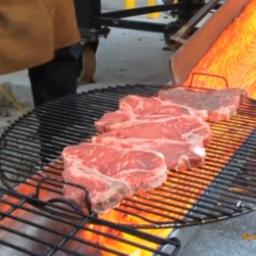
Forget charcoal and gas grills – there's a new way to fire up the barbecue ... using molten lava. The Syracuse University Lava Project is a collaboration between sculptor Bob Wysocki and geologist Jeff Karson, who have utilised the heat of molten lava to grill foods. Most ovens don't go above 400C (750F), but the volcano-style grill can reach 1,100C Continue reading...
|
 |
by Rachel Swaby on (#9JC3)
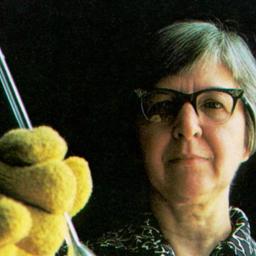
Rachel Swaby, author of a book highlighting women’s contributions to science, chooses her favourite female scientists, from the greatest dinosaur hunter to the inventor of Kevlar
|
 |
by David Robert Grimes on (#9HHB)
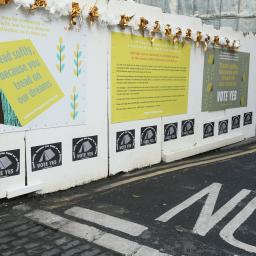
In the run-up to the referendum on marriage equality, there has been a considerable abuse of research to bolster argumentsThe Irish marriage equality referendum on 22 May is a truly historic moment. For an island once considered the last vanguard of the Vatican, this is a seminal moment. Polls indicate high levels of support , and every political party bar none is advocating a vote for marriage equality. This is an incredible shift for a country that only decriminalised homosexuality as recently as 1993 . Yet the last remnants of Catholic Ireland die hard, and a predictable war of words has erupted, with some considerable abuse of research used to bolster bad arguments.Catholic think-tank the Iona Institute are amongst the loudest voices on the no side. Along with other no campaigners, their main argument has been a rather cynical attempt to reframe the referendum as about children rather than marriage equality, a misconception the referendum commissioner has taken pains to dismantle. This hasn’t discouraged Iona and their fellow no campaigners from attempting to emotively and dishonestly reframe the discussion, however. Continue reading...
|
 |
by Hannah Devlin on (#9HFZ)
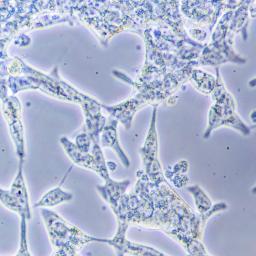
Is de-extinction scientifically viable? Continue reading...
|
 |
by Press Association on (#9GNX)
Genetic study could provide hope for men with advanced forms of the disease with findings that could lead to personalised treatmentsA genetic study described by researchers as the Rosetta stone of prostate cancer could provide hope for men with advanced forms of the disease.British and US scientists who drew up the first comprehensive map of genetic mutations linked to different strains of prostate cancer found that almost 90% of the men whose DNA they studied carried potentially treatable defects. Continue reading...
|
 |
by Stuart Clark on (#9H1W)
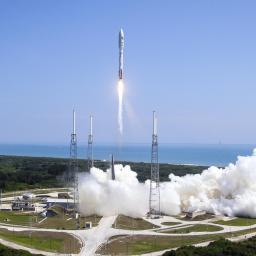
Mystery surrounds the fourth unmanned mission of the X-37B, which took off from Cape Canaveral on 20 May Continue reading...
|
 |
by Press Association on (#9GC4)
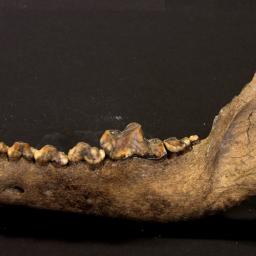
New fossil evidence suggests dogs emerged as a separate species from wolves far earlier than scientists previously believed Continue reading...
|
 |
by Hannah Devlin, science correspondent on (#9G72)
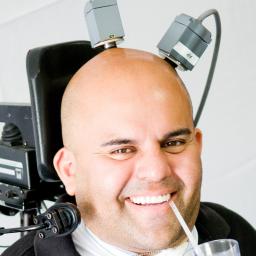
Breakthrough as neuro-prosthetic device implanted in “higher†brain region, allows paralysed man to control robotic arm just by thinking about itErik Sorto, a 34-year old American, has been unable to move his arms or legs for more than a decade, since a gunshot wound left him paralysed from the neck down. Even now, he misses the little things.“I want to be able to drink my own beer - to be able to take a drink at my own pace, when I want to take a sip out of my beer and to not have to ask somebody to give it to me,†he said. “I really miss that independence.†Continue reading...
|
 |
by Editorial on (#9G6A)
Gates and Wellcome do splendid work for the health of the world. They can no longer allow their unhealthy fossil fuel investments to undo it Continue reading...
|
 |
by Samantha Langsdale on (#9FZ5)
The actor has said comic fans are ignoring serious issues by immersing themselves in the imaginary. But escapism in a world as mad as ours has a political – and practical – intent Continue reading...
|
 |
by Reuters in Cape Canaveral on (#9FXD)
|