 |
by James Meikle on (#R7M7)
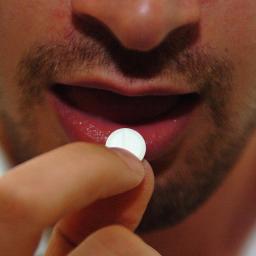
Potentially ‘game-changing’ trial will take up to 12 years and monitor 11,000 patientsThe world’s largest clinical trial to investigate whether taking aspirin every day stops the recurrence of some of the most common cancers is to be funded by Cancer Research UK and the NHS.About 11,000 patients from more than 100 centres across the UK will be recruited for the study. It will take up to 12 years and involve two groups taking different daily doses of aspirin, either 100mg or 300mg, and one taking dummy, or placebo, tablets. Continue reading...
|
| Link | http://feeds.theguardian.com/ |
| Feed | http://feeds.theguardian.com/theguardian/science/rss |
| Updated | 2026-10-01 03:45 |
 |
by Oliver Milman on (#R7GD)
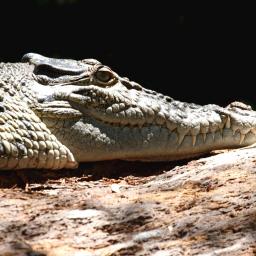
Researchers in Australia and Germany find crocodiles deploy ‘unilateral eye closure’ while dozing in order to keep a close eye on potential threats or preyIf you ever thought you could safely tiptoe past a sleeping crocodile, please reconsider – scientists have confirmed that the fearsome reptiles sleep with one eye open.Researchers in Australia and Germany have discovered that crocodiles can deploy “unilateral eye closure†while dozing to keep a close eye on potential threats or prey. Continue reading...
|
 |
by Mahita Gajanan in New York on (#R78V)
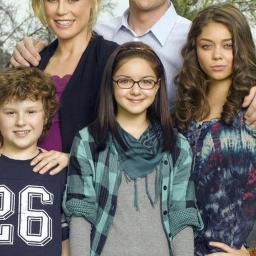
Several recent studies report that whether you’re the first-born, middle or oldest child has little to do with personality development or intelligenceBlaming your problems on being a middle child might no longer work.Theories about the link between birth order and personality have been hotly debated for years, but several recent studies report that birth order has little to with personality development. Continue reading...
|
by Paul Simons on (#R78X)
Oak leaves in Britain are still mostly green. The oak is one of the last trees to change colour in autumn, although many have already dropped their acorns. But the days of finding lots of big acorns may be drawing to a close since they are falling victim to climate change.A study of acorns has revealed that the warmer the weather the smaller the crop of acorns. Tim Sparks, a professor at Coventry University, has examined more than 160,000 observations of oaks and found that the more the first dates of flowering vary in springtime the poorer the acorn crop. In warmer springs the oak trees flower in a less synchronised fashion over a longer period and this gives a smaller crop of acorns in autumn, a drop of about 20%. Continue reading...
 |
by Denis Campbell Health policy editor on (#R75X)
US survey shows older people who follow vegetable-rich diet have brain volume greater than those who do notEating a Mediterranean diet rich in fish and vegetables may help prevent your brain shrinking for as long as five years, new research suggests.People who follow such a diet, which also involves consuming less meat and dairy products than average, end up with bigger brains and slow down the ageing process, according to the US study. Continue reading...
|
 |
by Associated Press in Washington on (#R756)
|
 |
by Henry Nicholls on (#R6T5)
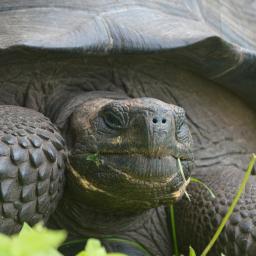
A genetic study of giant tortoises on the Galapagos island of Santa Cruz reveals two different species and causes some head scratching amongst taxonomistsIn 1902, American naturalist Rollo Beck stepped ashore on the Galapagos island of Santa Cruz. He’d been urged by his patron Walter Rothschild “to leave no stone unturned†in his efforts to collect giant tortoises from the island and “after a long and wearisome hunt,†he came up trumps. One of the seven specimens Beck collected became the type specimen for the tortoises on this island, now referred to as Chelonoidis porteri.But just over a century later, in 2005, geneticists demonstrated that there appear to be two distinct species on the island. The two lineages live just 20 km apart yet the clear genetic differences indicate they have been heading in different evolutionary directions for at least 1.7 million years. Continue reading...
|
by Ian Sample Science editor on (#R6JK)
Earth’s final days are in the distant future, but the the death of a far-off solar system revealed in images from Kepler 2 shows how the world might endThe destruction of a solar system has been captured for the first time by astronomers who said the violent events provide a grim glimpse of Earth’s ultimate fate.Images taken by Nasa’s Kepler 2 space mission reveal the rocky remains of a world that is being torn apart as it spirals around a dead star, or white dwarf, in the constellation of Virgo, 570 light years from Earth.
 |
by Natalie Day on (#R62G)
A new book, which charts the remarkable transformation of Arizona State University, offers lessons for university leaders in the UK.
|
 |
by Press Association on (#R5WY)
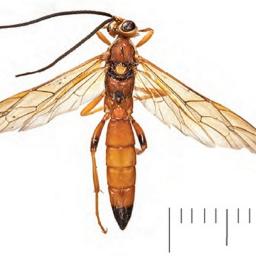
Parasitic wasp spotted at Kent nature reserve is confirmed to be new genus and species to BritainA species of wasp that has never been recorded in the country has been discovered at a British nature reserve.The parasitic wasp, Lymantrichneumon disparis, now known to be a genus and a new species to Britain, was found by a butterfly collector at the RSPB’s Broadwater Warren near Royal Tunbridge Wells, Kent. Continue reading...
|
by Dean Burnett on (#R5HS)
Yet another upset caused by “mental patient†Halloween costumes suggests that many people still consider this a valid option. If they will insist on dressing like people with mental health problems, they may as well do it accurately.Another year, another Halloween approaching, another business gets called out for thinking mental illness is a perfectly fine idea for a Halloween costume.While it’s not the first time this has happened, things may be improving; the portrayal of mental illness in the media is not as bad as it once was, and the establishment responsible for this latest incident at least responded quickly and effectively. Continue reading...
 |
by Nigel Fountain on (#R5G4)
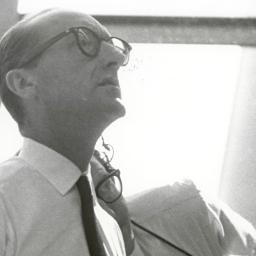
Father of the space shuttle who played a vital role in the Apollo 11 moon landingOn 21 May 1961, soon after the Soviet Union had launched Yuri Gagarin into space and in the aftermath of the abortive Bay of Pigs invasion of Cuba, the beleaguered US president, John F Kennedy, made a rash promise to Congress. He pledged that the US would land an American on the moon and get the astronaut safely back “before this decade is outâ€. The systems engineer George Mueller, who has died aged 97, was a key reason why Kennedy’s pledge was fulfilled on 20 July 1969, as Neil Armstrong and Buzz Aldrin stepped on to the moon.Mueller arrived at Nasa as associate administrator for manned space flight in September 1963, just weeks before Kennedy’s assassination. He immediately commissioned an assessment of the prospects of fulfilling Kennedy’s goal. The odds were one in 10, he was told. Between 1963 and 1966, Mueller, drawing on his experience of US air force methods, transformed Nasa. Continue reading...
|
 |
by Michael Halpern on (#R5BT)
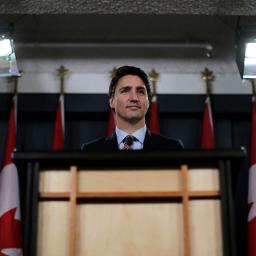
After nine years of government attacks on Canadian research, the science community is looking forward to a fresh start under Justin Trudeau.There was a palpable outpouring of relief from Canadian scientists as the Liberal Party won a majority on Monday night, bringing to an end nine years of escalating hostility by the Harper government towards its own research base. Drastic cuts to funding and constraints on scientific freedom have significantly damaged Canadian research and its capacity to develop science-based public health and environmental policies.Harper’s assault on science was extensive: with government scientists censored, budgets chopped, data monitoring programs eliminated, scientific libraries shuttered and the contents thrown into dumpsters. The long form census was axed, depriving decision makers of vital information about their citizens. Continue reading...
|
 |
by Reuters on (#R564)
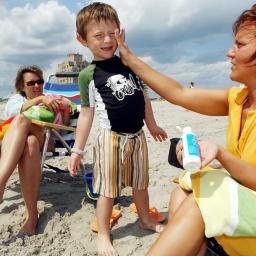
UV filtering chemical is killing off baby coral around tourist resorts, particularly in the Caribbean and HawaiiA common ingredient found in sunscreen is toxic to coral and contributing to the decline of reefs around the world, according to new research.Oxybenzone, a UV-filtering chemical compound found in 3,500 brands of sunscreen worldwide, can be fatal to baby coral and damaging to adults in high concentrations, according to the study published on Tuesday in the Archives of Environmental Contamination and Toxicology. Continue reading...
|
 |
by James Wilsdon on (#R4YQ)
The Wellcome Trust today unveils its new strategy, with a commitment to spend more and spend smarter in areas where it can make the biggest difference.A month out from the November spending review, Britain’s scientists are braced for bad news. Rumours continue to swirl about another five years of flat budgets, a likely merger of research councils, and the culling of other funding bodies. Next Monday, the pressure group Science is Vital is hosting a rally at Conway Hall in London where prominent voices from across the research community will spell out the case for public investment.So in these uncertain times, today’s announcement by the Wellcome Trust is a shot in the arm for UK science. The trust, which is now the second highest-spending foundation in the world, will significantly boost the amount it invests in research, to a total of £5 billion over the next five years. The ambition of this is clear when set against £6 billion that the trust has spent over the past decade, and £11 billion since it was first set up in 1936. Continue reading...
|
 |
by Richard Lea on (#R51Q)
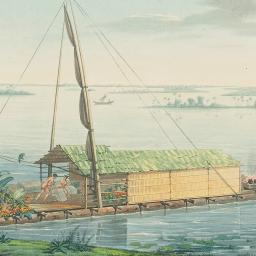
First editions of Darwin, Newton, Humboldt and Kepler among groundbreaking works going on saleNinety works spanning three centuries of scientific inquiry are to go under the hammer at Christie’s in December, in an attempt to plug a £2m hole in the finances of the UK’s most venerable science charity, the Royal Institution.The groundbreaking works in the history of medicine, science and the natural world include first editions from scientific luminaries such as Charles Darwin, Isaac Newton, Leonhard Euler, Johannes Kepler and Alexander von Humboldt. They will be put up for auction on 1 December 2015. The selection ranges from the 16th to the 19th century, many of the volumes given added lustre by their connection to an institution founded in 1799 for “diffusing the knowledge†of science and technology. Continue reading...
|
 |
by Oliver Milman on (#R4MV)
Energy stored from roof panels could offer the cheapest electricity alternative within three years, Climate Council study says
|
 |
by Maria Gruzdeva and Anastasiia Fedorova for The Cal on (#R4WJ)
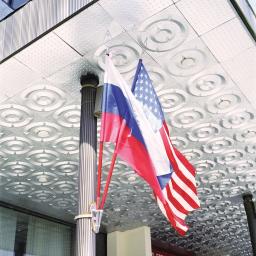
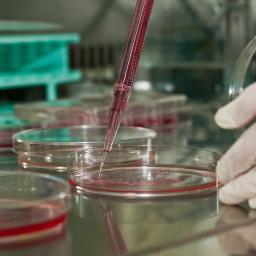
Documenting the country’s space centres, photographer Maria Gruzdeva offers a rare look inside the secretive facilities, still in use today. The Calvert Journal reports Continue reading...
|
 |
by Australian Associated Press on (#R4AD)
Oriental liver fluke responsible for the deaths of 26,000 people a year secretes a growth factor that accelerates wound healing and blood vessel growthResearchers have found a cancer-causing parasitic worm responsible for the deaths of about 26,000 people a year could prove useful in healing chronic wounds such as diabetic ulcers.Research by a team at James Cook University in Queensland has found the 1cm-long oriental liver fluke secretes a growth factor that accelerates wound healing and blood vessel growth in tests on mice and cell cultures. Continue reading...
|
 |
by Associated Press in Cairo on (#R48S)
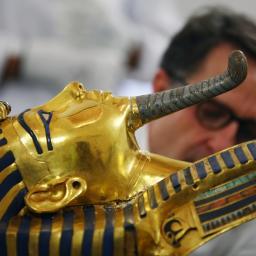
Restorers give progress report as they attempt to rectify damage done when beard was broken by worker, then bodged back together with everyday glueRestorers have put their work on the famed golden burial mask of King Tutankhamun on display in Cairo, over a year after the beard was accidentally knocked off and hastily glued back on with epoxy.A German-Egyptian team of experts showed off the mask in a laboratory in the Egyptian Museum, detailing plans for how the epoxy will be scraped off and the beard carefully removed before being reattached by a method to be determined by a joint scientific committee. Continue reading...
|
 |
by Julia Kollewe on (#R3VB)
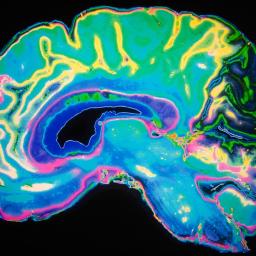
British government, Alzheimer’s Research UK and big six pharmaceutical companies backing what they claim is first initiative of its kindGlaxoSmithKline and five other major drugmakers have teamed up with the UK government to launch the world’s first venture capital fund dedicated to finding new ways to prevent and treat dementia.The Department of Health, the charity Alzheimer’s Research UK and the six pharmaceutical firms have raised $100m (£65m) to invest in early-stage, novel treatments for Alzheimer’s, Parkinson’s disease and other forms of dementia. GSK’s boss, Sir Andrew Witty, has been one of the main driving forces behind the initiative, in which the company is joined by the US drugmakers Johnson & Johnson, Biogen, Eli Lilly and Pfizer, and Japan’s Takeda. Continue reading...
|
 |
by Guardian Staff on (#R33C)
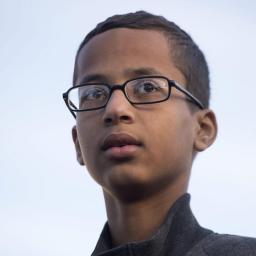
Speaking the day after attending “Astronomy Night†at the White House, Ahmed Mohamed, aka ‘clock boy’, says he is wants to get a positive message out. The 14-year-old says “It’s not about the colour of your skin or about your religion, but it’s about your heart.†President Obama briefly met Mohamed as he shook hands with students at the event, giving the student a hug Continue reading...
|
 |
by Associated Press in Chicago on (#R2GD)
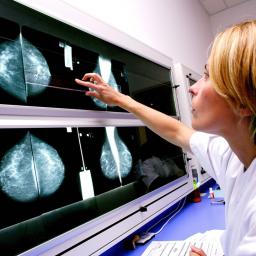
Updated guidelines recommend annual breast cancer screenings at age 45 instead of 40 and less often, switching to every other year at age 55New mammogram advice from the American Cancer Society says most women should start annual screenings at age 45 instead of 40, a change that moves the group closer to guidelines from an influential advisory taskforce.The cancer group also now advises switching to screening every other year at 55. The taskforce recommends starting routine screening for breast cancer at age 50, then every other year. Continue reading...
|
 |
by Guardian Staff on (#R28V)
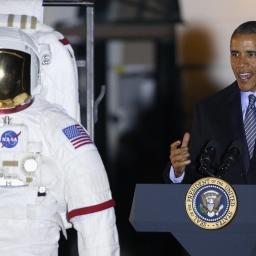
President Obama is joined by Nasa astronauts and young scientists at the White House. Among the guests was a Texas teenager who brought homemade clock to school which was mistaken for a bomb. Obama said Nasa was working toward a mission to send humans to Mars in the 2030s. Photograph: Chip Somodevilla/Getty Images Continue reading...
|
 |
by Anthony Smith on (#R274)
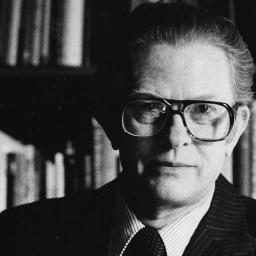
My father, Raymond Smith, who has died aged 90, was a major figure in postwar social anthropology. His work, and his life, were focused on kinship in the Caribbean and the US. His gift and his good fortune was to be a friend and supporter of the first generation of West Indian scholars to reach maturity as independence became a reality. Together they put social sciences on the map at the University of the West Indies in the 1960s.Undertaking field work in British Guiana (now Guyana), he met Flora Tong, a social worker and teacher seconded to work with him as a research assistant, and began his long engagement with the politics and sociology of the Caribbean. One of his earliest books, British Guiana (1962), combined an account of the country’s social history with an analysis of its racial politics, which are depressingly familiar 60 years later. Continue reading...
|
 |
by Rory Carroll in Los Angeles on (#R0RG)
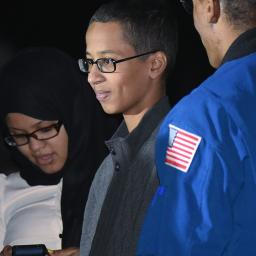
Texas schoolboy arrested over homemade clock chats to US president – aka geek-in-chief – at White House astronomy night, urges against judging people on looksAhmed Mohamed, the Texas teenager arrested after teachers mistook his homemade clock for a bomb, met Barack Obama at the White House on Monday night.
|
 |
by Ian Sample Science editor on (#R082)
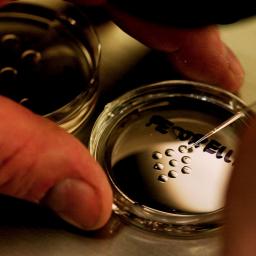
Data from several clinics in the US suggests that test boosts pregnancy rates by 10 percentage points, although it has not yet been approved for use in the UKA test that checks for abnormal amounts of DNA in IVF embryos has raised pregnancy rates at US fertility clinics that have started to offer the procedure.Scientists in Oxford who helped develop the test claim it can boost the chances of an IVF pregnancy by 10 percentage points, leading to success rates of about 75% in 35-year-old women. Continue reading...
|
 |
by GrrlScientist on (#QZVD)
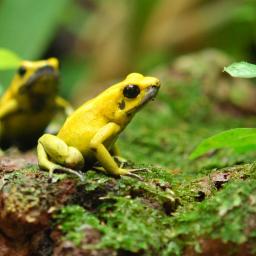
Prey species evolve a variety of ways to avoid predators, including camouflage, conspicuous colouration, and chemical toxins. But a new study of amphibians indicates that evolving toxins against predators increases the rate of extinction for prey speciesPrey species evolve a variety of ways to avoid their predators, including chemical toxins, camouflage, and conspicuous colouration. But what are the potential costs associated with anti-predator defences? According to a study of amphibians published today in the journal, Proceedings of the National Academy of Sciences, chemical defence and conspicuous colouration enhance speciation rates in prey species, as predicted. But unexpectedly, evolution of chemical defences also increases extinction rates -- even above the rate of speciation. As a result, developing chemical defences against predators increases the overall risk of extinction for prey species. Continue reading...
|
 |
by Press Association on (#QZMV)
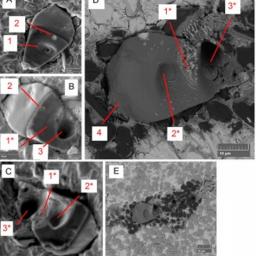
Discovery, if confirmed, indicates that living organisms appeared on Earth 4.1 billion years ago, remarkably soon after its formationLiving organisms may have existed on Earth as long as 4.1bn years ago – 300m years earlier than was previously thought, new research has shown.If confirmed, the discovery means life emerged a remarkably short time after the Earth was formed from a primordial disc of dust and gas surrounding the sun 4.6bn years ago. Continue reading...
|
 |
by Mo Costandi on (#QZ36)
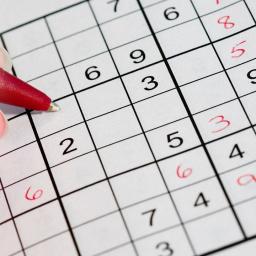
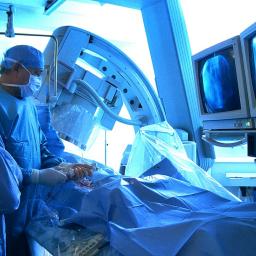
German doctors report an unusual case of reflex epilepsy
|
 |
by Guardian Staff on (#QYZW)
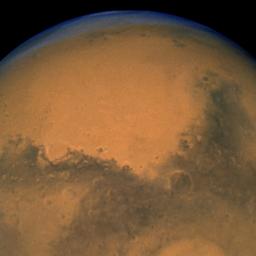
Is there life on the red planet? Could you colonise it? Inspire students across the curriculum with our lesson resourcesMars has been the subject of human fascination for a long time, and we’re closer now than ever to sending humans to explore its surface. With the revelations that there could be flowing water (and possibly life) on it – and the release of Matt Damon’s new film, The Martian – now is a great time to engage your students in the red planet.Here are some out-of-this-world lesson ideas to help you. Continue reading...
|
 |
by Jessica Elgot on (#QXNX)
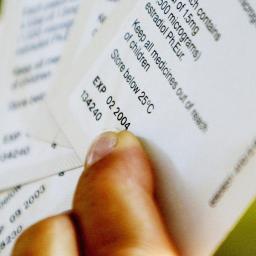
Women who took HRT for up to 25 years no more likely to develop breast cancer, heart disease or diabetes, US scientists foundUsing hormone replacement therapy to treat uncomfortable symptoms of menopause is completely safe, according to the authors of a decade-long study.The research by New York University, presented to the American Society for Reproductive Medicine in Baltimore, suggests the risks of serious side-effects have been overstated. Continue reading...
|
 |
by Jonathan Jones on (#QYF6)
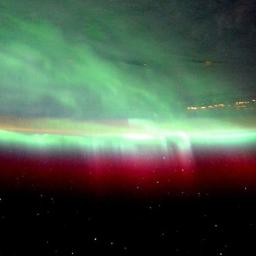
Photographs taken by astronaut Scott Kelly from the International Space Station are beautiful – but could a robot do better?What makes astronaut Scott Kelly’s photographs so special? Kelly, the commander of the International Space Station, has just become the US astronaut who has spent the longest time in space. Up there sitting in a tin can far above the earth, his hobby is taking photographs of the incredible planet below him – and it’s more than a hobby. Kelly calls his pictures “Earth artâ€. Is that right? He may be a brave astronaut, but is he an artist? Continue reading...
|
by Damien Gayle on (#QXFN)
Speakers at an event in north London describe their positive experiences of drugs such as psilocybin and LSD, part of a wider resurgenceAmid an abundance of food and drink, flickering candles and a heady air of altered states,100 or so people in north London’s New Unity church watched John, a mop-haired Irishman in his late 20s, tell the story of how he learned to love through therapy, poetry and ayahuasca.“I arrived at Cuzco and, sure God, how do you find an ayahuasca ceremony?†he said from a stage adorned with a creeping, twisting vine of fairy lights. “Well you Google it obviously, and you go on to TripAdvisor.†That bizarre mix of the hi-tech and the traditional, the western world and the south, sums up the Psychedelic Society, which held its first “psychedelic supper†on Sunday. Continue reading...
 |
by Ian Sample on (#QWVJ)
Breakthrough by researchers at Stanford University could lead to therapy that would coax heart cells into forming new arteries
|
 |
by Ian Sample on (#QWKS)
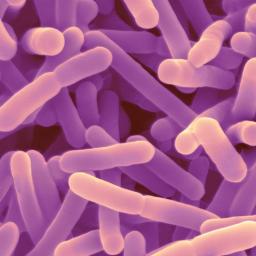
People who took capsules containing Bifidobacterium longum 1714 reported less stress and fared better on memory tests, study findsA daily capsule of probiotic bacteria may help people cope with mild anxiety and memory problems, according to a small study of healthy men.Those who took the bug-bearing capsules for a month reported less stress and anxiety, and had lower levels of the stress hormone cortisol in the morning, than when they took a placebo instead. Continue reading...
|
 |
by Tim Adams on (#QV10)
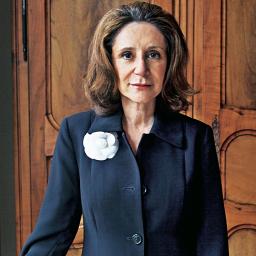
In the social media age, we know how to connect: but are we forgetting how to talk to each other? Leading US psychologist Sherry Turkle wants to fight backFor nearly 30 years now, Sherry Turkle, professor of social psychology at the Massachusetts Institute of Technology, has been exploring the effects of digital worlds on human behaviour. Her books, Life on the Screen, The Second Self and Alone Together, have charted the seductions of “intimate machinesâ€, the advance of social media and virtual realities and the all-pervasive internet, and the effect these things have had on our culture and our lives. Her latest book, Reclaiming Conversation: The Power of Talk in the Digital Age, is a call to arms to arrest what she sees as the damaging consequences of never being far from email or text or Twitter or Facebook, in particular the impact it has on family life, on education, on romance and on the possibilities of solitude. Using extensive interviews and half a lifetime of research, she suggests – with reference to the birth of the environmental movement in the 1960s – that we are at a “Silent Spring†moment in our infatuation with life on screens rather than life in the real world, never wholly in one or the other. She measures these effects in a breakdown of empathy between children, in the consequences of increasingly distracted family interaction and a growing need for constant stimulus. Her antidote is a simple one: we need to talk more to each other. This interview took place by telephone last week.You have been writing about these issues for a long time now. Has it always felt like a losing battle?
|
by Jon Butterworth on (#QTZC)
Neutrinos are ubiquitous, but mysterious. A Nobel prize was awarded this year for the discovery that they have mass, and undergo quantum oscillations as they travel - discoveries that fundamentally changed our understanding of physics and cosmology. A rare nuclear decay, being searched for now, might lead to a similar revolution
 |
by Robin McKie on (#QTY4)
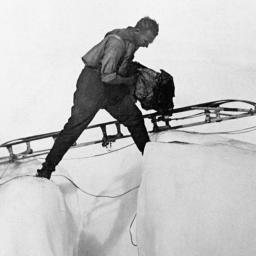
Visionary scientist Alfred Wegener was ridiculed for his radical theory of continental drift. A century later, his icy grave proves his pointOne hundred years ago, a German explorer and scientist published a work that would revolutionise our understanding of our planet. In The Origin of Continents and Oceans, Alfred Wegener proposed the radical idea that Earth’s continents had, hundreds of millions of years before, formed a vast single land mass that had subsequently broken apart, with those broken pieces eventually drifting to their current locations. Our world’s mountains, forests and civilisations rest on a bedrock that is not immutable but shifts, albeit very slowly, Wegener argued.David Attenborough recalls asking a lecturer in the 40s about continental drift. 'It was moonshine, I was informed.' Continue reading...
|
 |
by Daniel Glaser on (#QTV9)
Cookery programmes put us in a hallucinatory state where we think we can smell the food we seeSince the The Great British Bake Off finished, you may miss the delicious cake smell that seemed to waft out of the television every time Nadiya opened the oven. Thinking about it right now may have a similar effect - you can almost taste the butter icing, can’t you? This isn’t smell-o-vision but a kind of hallucination. The smell of cooking is particularly enticing and memorable because it reminds humans that we were clever enough to create fire. This meant we didn’t need to evolve a second stomach to liberate energy from ingredients, like cows. So memories in the brain’s sensory cortex are stimulated when we see, hear or imagine a cake being baked on TV in a similar way to when we’re in an actual kitchen. It may not feel quite the same, and, of course, the inability to distinguish between the physical world and our sense memories is a form of mental illness. But as far as parts of your brain are concerned, as you watched the contestants put the finishing touches to their entries, there might as well have been a real cake in front of you. Just with far fewer calories and no washing-up. Maybe that’s why the show is so popular…Dr Daniel Glaser is director of Science Gallery at King’s College London Continue reading...
|
 |
by Richard Stephens on (#QTVD)
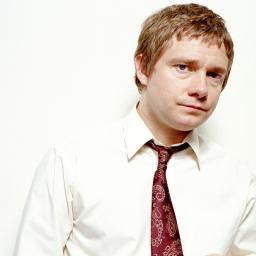
We may put beautiful people on billboards, but it’s the average looking we’re drawn to, says Richard Stephens
|
 |
by Ben Ambridge on (#QTVB)
Does it matter if you are left or right handed? Take this simple test to see what your level of ‘handedness’ reveals about youWe’re often told that left-handed people are more creative. When it comes to evidence, the jury’s still out, but the hand you prefer is less important than how much you prefer it: that is, whether you’re one-handed or ambidextrous. For each of these activities, which hand do you use – always left, usually left, both equally, usually right or always right?
|
 |
by Athene Donald on (#QTD0)
There is still not enough money going into research and developmentAs a nation, our productivity has stalled. This stagnation directly affects the nation’s financial health and our citizens’ quality of life. As the government ponders where to wield the axe on departmental budgets in the run-up to the comprehensive spending review (CSR), the importance of government funding for research and development (R&D) needs to be kept in sharp focus.Last week, I had the pleasure of receiving an honorary degree from the University of Manchester, a university that sits at the very centre of the so-called northern powerhouse. As I waited to be honoured, I reflected on the patchiness of current government policy towards R&D investment. Continue reading...
|
 |
by Phillip Inman Economics correspondent on (#QTD2)
Opponents of Transatlantic Trade and Investment Partnership say EU negotiator has admitted to approving entry of banned goodsEU negotiators will resume controversial trade talks with the US on Monday amid claims that multinational companies have jumped the gun in advance of any agreement to import goods that are currently banned – including genetically modified crops and chemically washed beef – into European markets.
|
 |
by Richard Orange in Odense on (#QSVG)
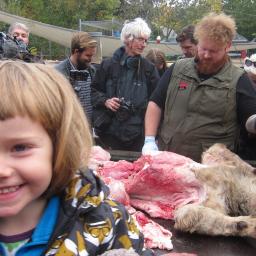
In Denmark, letting a child see zoo animals being cut up is normal - what can it teach a young child?My three-year-old daughter is transfixed by a bandage tied around the lion’s rear shin, there to hide the spot where the zoo has cut away a strip of fur from the ligaments in advance.“It’s got a big plaster,†she says over and over again. “Little lion, little lion. It’s got a big plaster.†She likes plasters, Eira. They’ve been an obsession ever since she gashed her forehead a year ago and sported one for several weeks. Continue reading...
|
 |
by Robin McKie on (#QSD3)
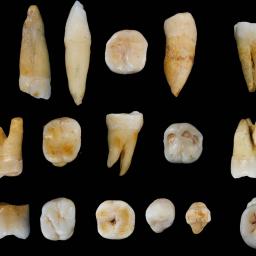
Ancient teeth found in China suggest Homo sapiens was outwitted by its rivalsThe discovery of a hoard of ancient human teeth in a Chinese cave has forced scientists to reconsider our species’ relations with our closest evolutionary cousins, the Neanderthals. The find, revealed in the science journal Nature, shows modern humans must have left their African homeland and reached southern China more than 80,000 years ago.This unexpectedly early date contrasts with our ancestors’ far more recent arrival in Europe - about 45,000 years ago – and suggests Homo sapiens was prevented, for some reason, from moving there for tens of thousands of years. Anthropologist MarÃa Martinón-Torres, from University College London – a member of the team that made the discovery – is confident of the reason. She blames the Neanderthals. Continue reading...
|
 |
by Sarah Kaplan and Justin Wm Moyer for the Washingto on (#QRV7)
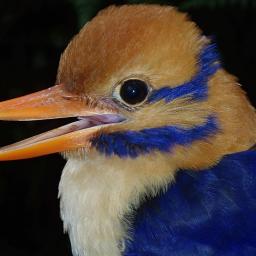
Case of the moustached kingfisher pits those who think ‘collecting’ can save a species against those who believe we should never kill rare animalsFor Christopher Filardi of the American Museum of Natural History, there is nothing like the thrill of finding a mysterious species. Such animals live at the intersection of myth and biology – tantalising researchers with the prospect that they may be real, but eluding trustworthy documentation and closer study. Indeed, last month, Filardi waxed poetic on the hunt for the invisible beasts that none the less walk among us.“We search for them in earnest but they are seemingly beyond detection except by proxy and story,†he wrote. “They are ghosts, until they reveal themselves in a thrilling moment of clarity and then they are gone again. Maybe for another day, maybe a year, maybe a century.†Continue reading...
|
 |
by Sarah Boseley Health editor on (#QPST)
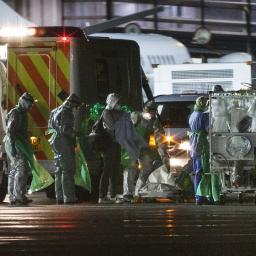
Doctors and scientists are amazed and appalled at the Scottish nurse’s relapse, which has worrying implications for the thousands of survivors in west AfricaSince 1976, when the Ebola virus was first identified, doctors racing to remote villages in African forests have thought they had a reasonable idea of what those infected were facing. The disease was grim – a hemorrhagic fever which caused copious bleeding and often death – but some people could and did fully recover. Now that is in question.When nurse Pauline Cafferkey was admitted back into the infectious diseases unit of the Royal Free hospital in London on 9 October, nine months after recovering from Ebola, and then became critically ill, all the previous assumptions about the long-term effects of this virus had to be torn up. Continue reading...
|
 |
by Richard Mabey on (#QPJ5)
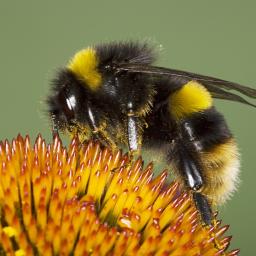
Beans locate their poles by echolocation, the mimosa shrub has a memory-span greater than that of a bee … New discoveries in botany support an older idea of plants as individuals – active agents in their own life storiesWhen the much-missed neurologist Oliver Sacks wrote that “there is nothing alive which is not individualâ€, he meant nothing which is alive. Sacks was promiscuously biophilic, and the rapt personal engagement he felt with his patients embraced most of the rest of creation too – cephalopods, spiders, Oaxacan ferns, and the hunched and scaly survivors of the Jurassic forests he had seen at Kew Gardens as a child. The cycads, especially, enthralled him as relics of the first experiments plants had made in using insects for fertilisation.In the 1990s, Sacks was investigating a rare form of colour blindness in the Pacific islands, caused possibly by eating flour made from cycad seeds. In one passage in his book The Island of the Colourblind, the Romantic botanist displaces the physician with a job to do. He sits on a beach under the cycads, watching fiddler crabs scissoring the kernels from the giant seeds, and notices a single seed, whipped up by the surf and starting to float out to sea. He ponders how its family – a group of highly variable, fire-resistant, suckering species that developed ways of fixing atmospheric nitrogen 100m years before beans did – had outlived the dinosaurs, and whether this individual seed, endowed with who-knows-what genetic quirks, might make landfall on a distant island, find a partner and begin the evolution of a new species. Life goes on and forward, but often dips into its back catalogue. Continue reading...
|
by Stuart Clark on (#QPBZ)
Strange signals from a distant star are defying natural explanation. There is a remote chance that they could be from an ‘alien megastructure’There’s a new mystery in the universe and it goes by the name KIC 8462852. It is a star approximately 1500 light years away from the Earth, and displays a strange pattern of dimming that has astronomers scratching their heads.